
NASA researchers launch new health studies for the Crew-13 mission while astronomers unveil a rare look at a distant, peculiar galaxy.
Why this matters
Scientists look toward the stars to learn more about our universe. Distant galaxies like Arp 78 show us how gravity shapes space. These cosmic portraits help us understand the history of the night sky. Such views connect our small planet to the vast unknown.
Meanwhile, space travel brings new risks for human explorers. Astronauts on the Crew-13 mission now face intense health tests. They study how microgravity affects human blood flow and clotting. This data helps keep people safe during long space trips.
Also, these medical findings offer benefits back on Earth. Understanding blood health helps doctors treat patients with similar issues here. Space research often leads to better medical tools for everyone. It bridges the gap between orbit and our own homes.
New Frontiers in Space Research
NASA astronauts and their partners prepare for the Crew-13 mission. They will soon board the International Space Station for important work. This team includes members from the United States, Russia, and Canada. They train in mockups to master their complex spacecraft.
Next, the crew will focus on biomedical experiments. One study examines how weightlessness changes human circulation. Experts worry about slow blood flow during these long flights. They want to prevent dangerous blood clots in space.
Furthermore, researchers will test manual piloting skills during the mission. They use simulations to mimic difficult landings on the moon. Space travel changes how the brain senses gravity and motion. This test ensures that pilots remain sharp during critical moments.
Observing the Deep Universe
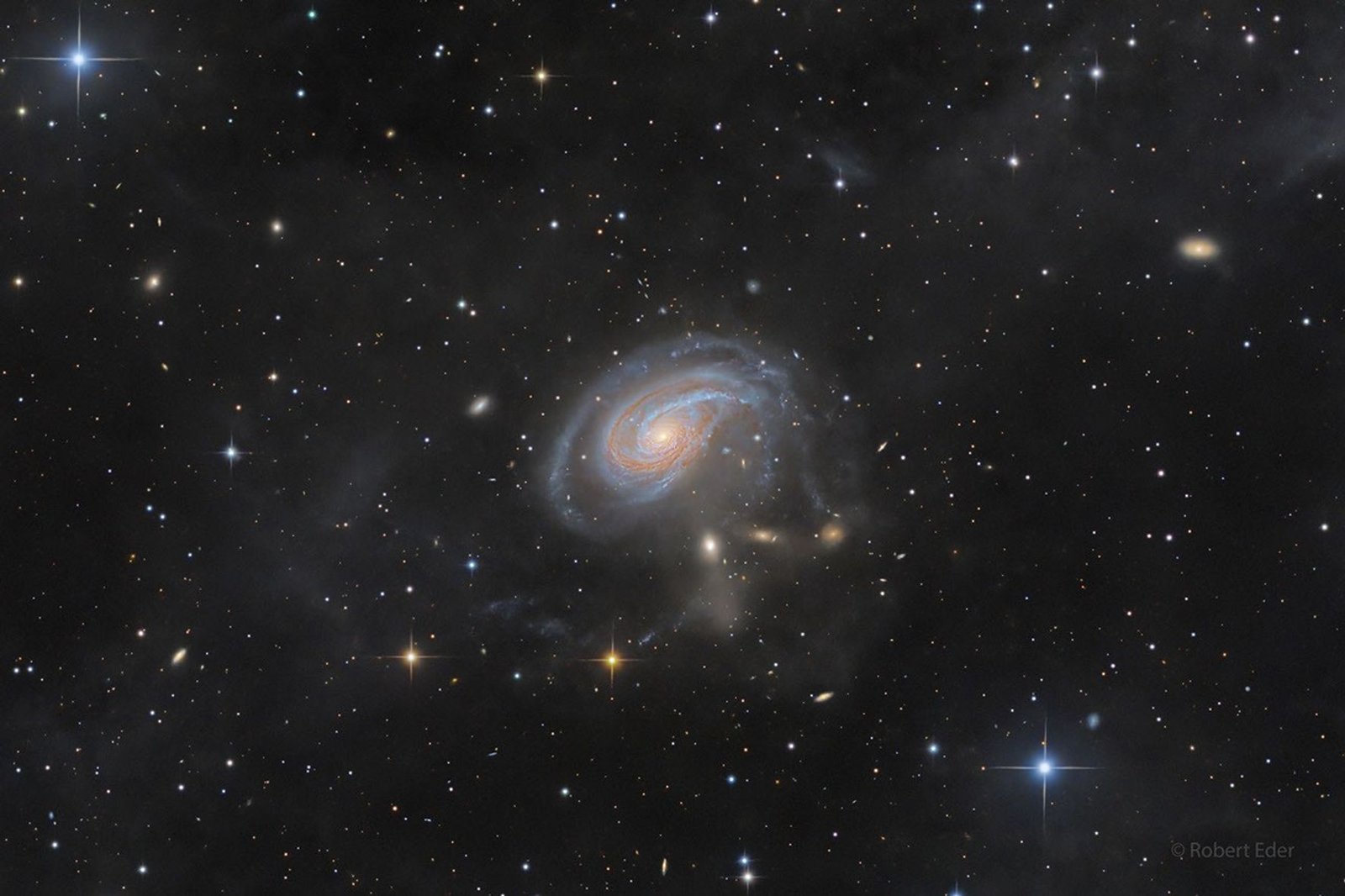
Far away in the constellation Aries, astronomers study a strange galaxy. They call this object Arp 78. It sits 100 million light-years from our Milky Way galaxy. The system is huge and spans 200,000 light-years across.
Then, images reveal a distinct spiral arm in the galaxy. Gravity from a smaller companion galaxy causes this shape. Dust lanes and blue star clusters line the arm. Telescopes capture the faint streams of stars between these two galaxies.
How we got here
- April 2026: NASA announced the details of the upcoming Crew-13 mission.
- September 24, 2026: NASA released reports on human performance studies for the new crew.
- September 28, 2026: Rescuers worked in Nepal following a tragic avalanche on Mount Himlung.
- September 30, 2026: Astronomers shared a detailed image of the Arp 78 galaxy with the public.
What happens next
Researchers will continue to monitor the physical health of the Crew-13 members. They plan to use MRI scans and ultrasounds throughout the mission. These steps provide a clear view of body changes in space. Data from these tests will guide future safety rules.
Finally, space agencies will their findings to improve medical care. They hope to combine data from different international organizations. This teamwork makes complex space research more efficient. It also reduces the number of medical tests required for each astronaut.