

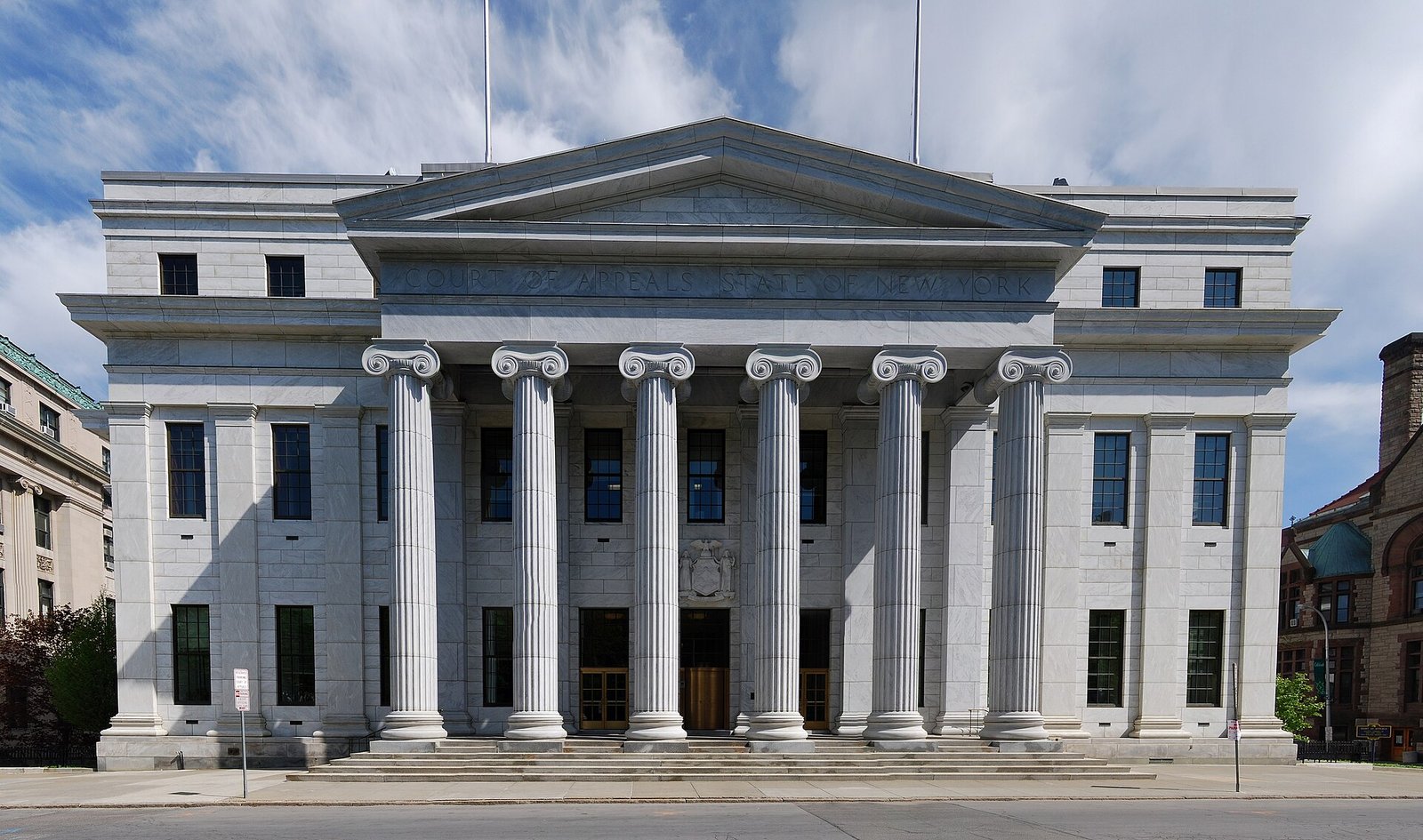
Several major social media companies should not be held liable over accusations that they helped an avowed white supremacist who killed 10 Black people at a Buffalo supermarket in 2022, New York’s highest court ruled on Monday.
Key Points
- Social media not liable Buffalo shooting — New York’s Court of Appeals ruled 4-3 that Google, Meta, Reddit and Snap are not liable for the 2022 Buffalo supermarket massacre.
- The court let stand a lower court ruling that the companies were immune under Section 230, the federal law that protects online platforms from liability over user content.
- The majority said the gunman’s actions were so extraordinary that they broke the legal chain of causation between the platforms’ design and the attack.
- Dissenting Judge Jenny Rivera said juries should decide whether mass shootings were foreseeable enough to put the companies on notice.
- The court also upheld the dismissal of claims against Amazon, Discord, 4chan and Twitch over the attack.
The case was brought by survivors and the families of those killed when Payton Gendron, then 18, opened fire at a Tops Friendly Markets store in Buffalo on May 14, 2022, killing 10 Black people. The plaintiffs argued that the companies used allegedly defective algorithms to push content designed to addict young users, and that the platforms’ design helped radicalise the gunman. They sued Alphabet’s Google and YouTube, Meta Platforms’ Instagram, Reddit and Snap’s Snapchat, among others.
In an unsigned majority opinion, the Court of Appeals said the plaintiffs had failed to show that Gendron’s actions were a “natural and foreseeable consequence” of the companies’ decisions about how to design and run their platforms. “The shooter’s actions were so extraordinary as to sever the causal chain as a matter of law,” the majority wrote. The ruling avoided a broader decision on how far Section 230 immunity extends, deciding the case instead on causation — whether the platforms’ design could legally be said to have caused the injuries.
A divided court
The 4-3 split reflected how close the question was. Dissenting Judge Jenny Rivera argued that juries, not judges, should decide whether the prevalence of mass shootings would put social media companies on notice that their allegedly defective products, and their failure to warn about the dangers, could trigger such violence. “No federal or state law requires that we slam the courthouse door on plaintiffs’ claims,” Rivera wrote.
The decision is the latest in a series of court battles over how far Section 230 of the federal Communications Decency Act shields social media companies — a question many courts have addressed as claims pile up over conduct by young people who use the platforms. The Buffalo ruling does not settle that wider question, because the majority decided the case on causation rather than on immunity.
What happens next
For the families, the ruling closes the courthouse door on this route to accountability, at least in New York’s courts. For the platforms, it is a significant win, though a narrow one: the court did not rule that social media companies can never be liable for harms linked to their design, only that this attack was too extraordinary to be traced back to them. The wider fight over Section 230 and platform design will continue in other cases, in other courts — and almost certainly, in time, before the US Supreme Court.
For background on social media liability litigation, see our report on US Federal Court Clears Path for Massive Social Media Addiction Litigation, and on Greece Passes New Law To Ban Social Media For Minors. More in our US News section.
Sources: Reuters, via SRN News: Social media companies not liable for Buffalo mass shooting, New York’s highest court rules; The Straits Times: Social media companies not liable in Buffalo shooting