
Astronauts prepare for new health research in orbit while world leaders debate the impact of climate change on the global stage.
Why this matters
Humanity currently tracks vast differences between the tiny details of blood cells and the massive scale of star clusters. Scientists use the International Space Station to study how space travel changes the human body. Meanwhile, leaders on Earth argue about the heavy costs of climate change on smaller nations. These two worlds connect through our desire to understand the universe and protect our own planet.
Also, these efforts show how much we rely on global teamwork. Astronauts from many countries work together to solve medical mysteries. Likewise, world leaders gather to discuss problems that cross borders. Both groups aim to make the future safer for everyone living on Earth.
Scientific Progress in Orbit
Next, NASA prepares for the upcoming SpaceX Crew-13 mission. This team includes astronauts from the United States, Russia, and Canada. They will spend time living on the International Space Station. During this trip, they will focus on human health and performance in microgravity.
Then, researchers will launch a study called Venous Haemostasis. This project helps scientists learn how weightlessness changes blood flow. It also looks at why some astronauts face a higher risk for blood clots. The team will use ultrasound machines and blood draws to track these changes.
Additionally, the crew will practice manual piloting skills. These tests use simulations to mimic landings on the Moon. Scientists want to know if spaceflight hurts an astronaut's ability to control a craft. This data helps engineers design better hardware for future missions.
Exploring Distant Skies
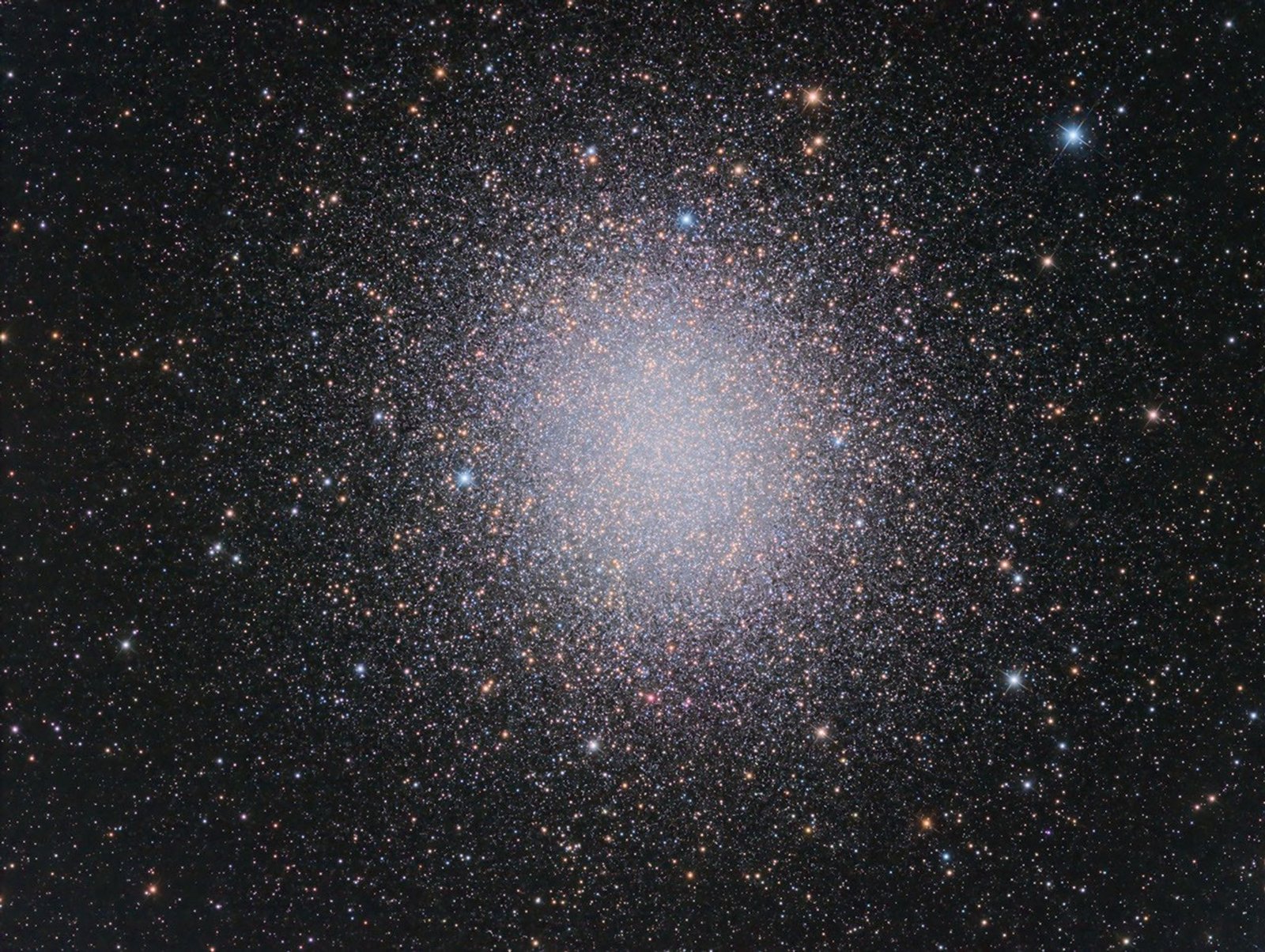
Meanwhile, astronomers continue to look at deep space. They recently highlighted the globular star cluster called Omega Centauri. This cluster contains about 10 million stars. It sits 15,000 light-years away from our own solar system.
However, Omega Centauri is quite different from other star clusters. It holds stars of many different ages and chemical types. Some experts think it is the leftover core of an ancient galaxy. It likely merged with the Milky Way long ago.
Also, the Hubble Space Telescope found a massive black hole inside this cluster. This discovery helps us learn how star systems grow over time. Every new image from space brings us closer to understanding our origins.
International Voices and Policies
After that, world leaders met at the United Nations General Assembly. Nepal’s Prime Minister Balendra Shah spoke about the climate crisis. He argued that the current global system fails smaller nations. He noted that these countries suffer from climate shifts they did not cause.
Finally, the Prime Minister highlighted the strain of ongoing wars. He urged global powers to consider the needs of the most vulnerable people. His speech serves as a reminder that diplomatic solutions are just as important as scientific ones.
How we got here
- April 2026: NASA first announced details regarding the upcoming SpaceX Crew-13 research goals.
- September 24, 2026: NASA published an update about biomedical studies for the next station crew.
- September 25, 2026: Prime Minister Balendra Shah addressed the UN regarding climate justice.
- September 25, 2026: NASA featured Omega Centauri as the official Astronomy Picture of the Day.
What happens next
The crew members will soon begin their journey to the space station. Their health data will help doctors create new safety rules for long space trips. This research may even lead to better treatments for blood issues on Earth.
Still, political leaders will continue to negotiate climate deals at international summits. They face heavy pressure to address the concerns raised by nations like Nepal. Progress in both science and policy remains a slow but vital process for the world.