
Curfews and detention scandals impact communities in Sudan and Nigeria. Officials investigate deaths in custody while soldiers tighten controls on streets.
Military forces and police departments across Africa now enforce strict new movement rules. These actions follow deadly events in Nigeria and rising violence in Sudan. Authorities claim these steps keep the public safe. However, many citizens fear for their rights and lives.
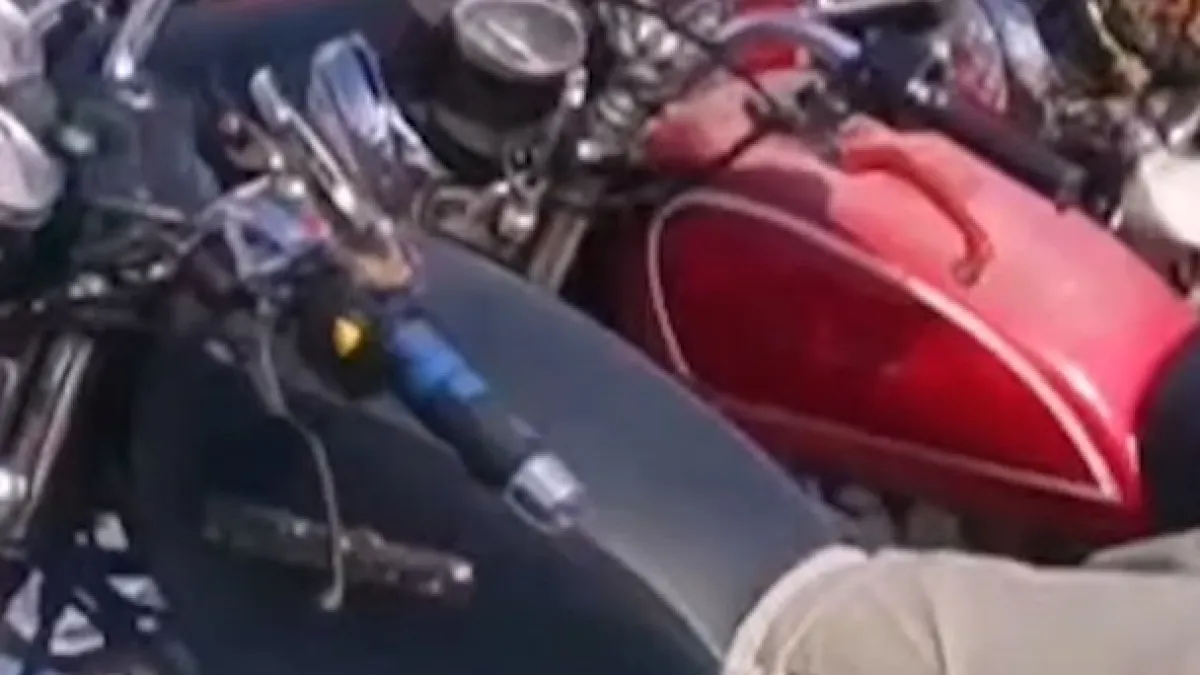
In Sudan, soldiers seized dozens of motorcycles in the Blue Nile State. They punished riders for breaking a nighttime curfew. The army currently fights the Rapid Support Forces for control of the region.
Why this matters
These events show how quickly local order can break down during political unrest. People often pay the highest price when security forces tighten their grip. Families frequently lose access to information about their loved ones in custody.
Also, the loss of life in detention centers raises serious human rights questions. Poor living conditions inside jails often lead to tragic outcomes. Such incidents erode trust between the community and the state police.
Next, these tensions often spill over into the streets. Public anger leads to attacks on government property and transport systems. Governments then respond with more curfews to stop the growing chaos.
Detention facility crisis in Nigeria
In Nigeria, 37 people died inside a detention center. These people faced accusations of illegal mining. They were held in a facility run by the NSCDC.
Meanwhile, officials blamed the deaths on a sudden disease outbreak. However, an intelligence report pointed to a different cause. It cited overcrowding and a lack of fresh air in the cells.
After that, family members demanded answers about their children. They claimed their relatives were healthy just one day before the deaths. Protesters later threw stones and sticks at public buses to vent their anger.
Military enforcement in Sudan
In Sudan, the army maintains a strict curfew. This rule lasts from 5:00 PM until 6:00 AM. Soldiers patrol the streets to watch for violators.
Also, the army targets motorcycle riders who ignore these rules. They impound the bikes to show their authority. This curfew aims to limit movement during the ongoing civil war.
How we got here
- September 16, 2026: Police arrested several young men near Borgu for suspected illegal mining.
- September 18, 2026: Authorities confirmed 37 detainees died while in custody in Niger state.
- September 18, 2026: Protests broke out in Minna following the news of the deaths in custody.
- September 28, 2026: Sudanese forces began seizing motorcycles in the Blue Nile State for curfew violations.
What happens next
Finally, police leaders in Nigeria promised a full investigation into the deaths. They moved the bodies to a hospital for official examinations. These results will reveal if disease or neglect caused the tragedy.
Next, the government must decide if they will release the remaining detainees. Many families wait outside government offices for news of their sons. The situation remains unstable for both residents and local officials.
Also, the conflict in Sudan shows no signs of ending soon. The army will likely keep the curfew in place for weeks. Citizens must continue to follow these rules to avoid losing their property.