
Safety takes center stage at a historic German festival and a Baltic election. Organizers and officials work to protect people from modern threats.
Why this matters
Public events often rely on trust and shared values. Modern technology now creates new risks for attendees. Harassers use high-quality cameras to exploit these fun settings. This turns harmless rides into dangerous sites for privacy violations.
Officials must balance safety with the joy of festivals. These problems show that traditional laws struggle to keep up with viral digital trends. Protecting attendees now requires both legal action and practical gear. Organizers feel the pressure to step in where laws fail.
Also, these events serve as cultural touchstones. When harassment threatens the atmosphere, it harms the reputation of the entire region. People deserve to enjoy their traditions without fear of being filmed. These safety efforts highlight a growing need for digital awareness in public spaces.
Combating Voyeurism at the Devil's Wheel
The Teufelsrad ride in Munich continues to attract large crowds. Its spinning platform makes riders fall off, often lifting their skirts. Recently, thousands of voyeuristic videos appeared on social media platforms. These clips sometimes show altered images of women.
Next, ride operator Elisabeth Polaczy took matters into her own hands. She gives free cycling shorts to women and girls wearing dresses. This gear prevents unwanted views while riders enjoy the attraction. She wants everyone to feel secure while on her ride.
However, the problem remains difficult to stop completely. Local broadcaster BR reports that professional creators profit from these viral clips. One woman allegedly earned thousands of euros from a single video. Authorities warn that upskirting is a crime punishable by jail time.
Security Concerns Amidst Political Shifts
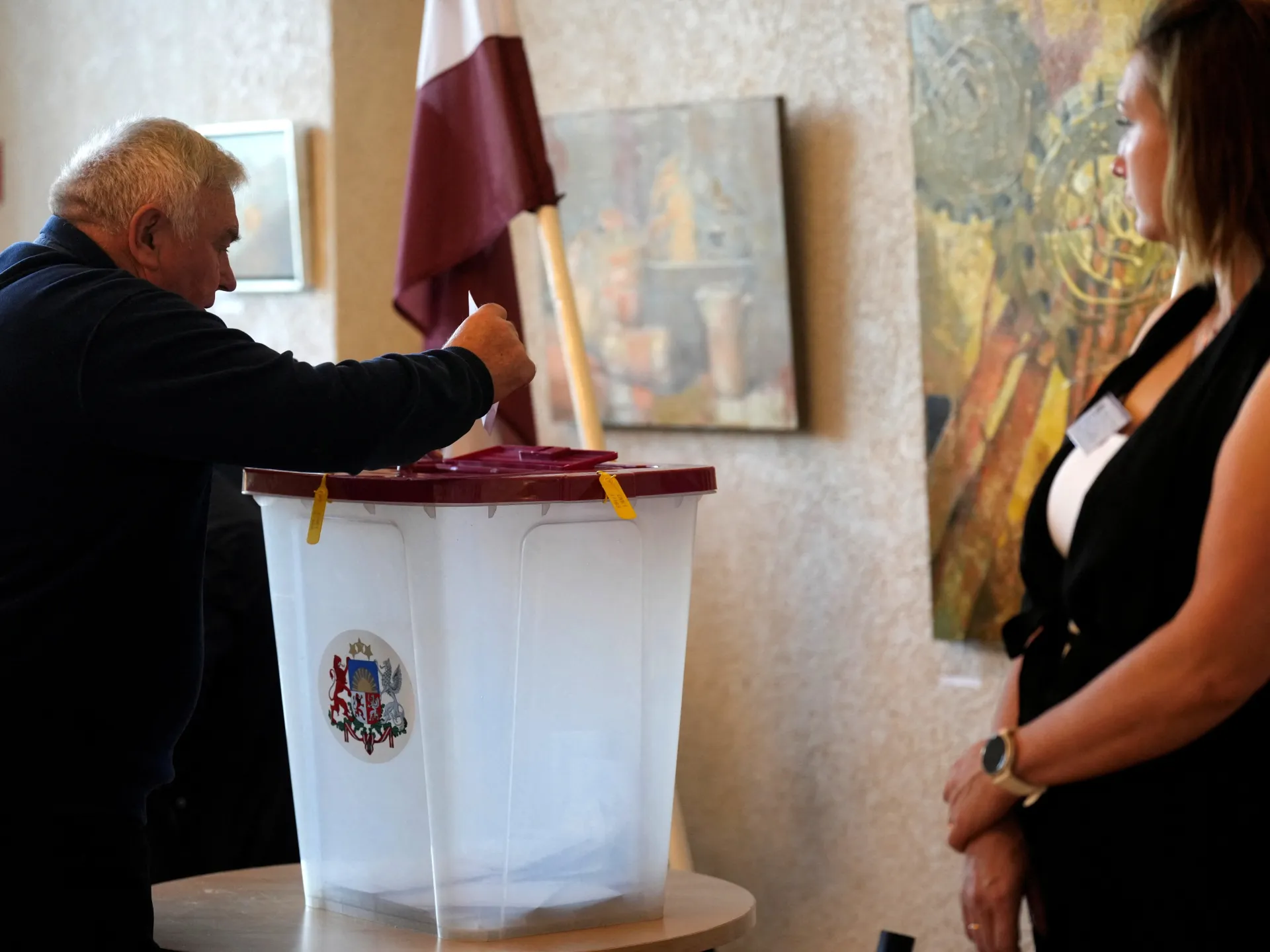
Meanwhile, Latvia faces its own set of public challenges. Voters head to the polls with national security in sharp focus. Many citizens worry about the ongoing threat from neighboring Russia. They want a government that keeps the country safe.
Then, the election results will shape the nation's future direction. Latvia currently maintains a strong pro-Europe and pro-Ukraine stance. Analysts expect this path to remain largely unchanged after the vote. However, forming a new government could take weeks of hard talks.
Finally, both Munich and Latvia deal with protecting their people. Whether through cycling shorts or strong political alliances, safety is the priority. Leaders and organizers know that public trust depends on these actions. They must stay vigilant in an increasingly complex world.
How we got here
- 2025: Bavarian police launch a formal poster campaign against upskirting at Oktoberfest.
- Last three years: Elisabeth Polaczy begins distributing free cycling shorts to protect ride participants.
- Recent weeks: Reports emerge of over 32,000 voyeuristic videos circulating online from the festival.
- October 2026: Latvian citizens go to the polls to decide their government’s future policy.
What happens next
German authorities will likely increase patrols at future festivals. They seek to deter more people from recording illegal content. Police may also push for stricter platform policies to remove harmful videos quickly.
Also, Latvian leaders will begin the process of building a new coalition. This work requires compromise between several different political parties. The final cabinet will dictate the nation's response to regional security threats. Observers will watch these developments closely over the coming months.