
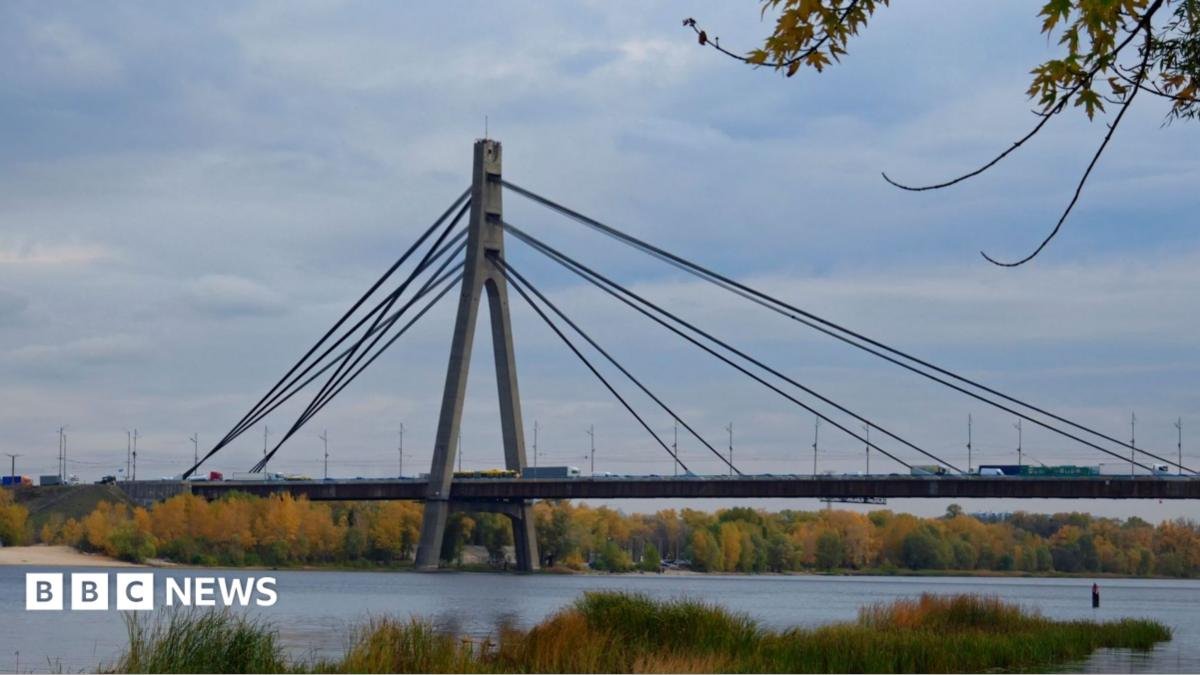
Russian forces are striking major bridges in Kyiv, severely limiting movement across the capital. Mayor Vitali Klitschko warns the city faces a dire situation.
Why this matters
Russian forces now target vital transport bridges in Kyiv. These structures connect the city’s east and west sides. They serve as primary paths for civilians and emergency aid. Damage to these links creates massive gridlock throughout the capital.
Also, this shift marks a dark new stage in the war. The Kremlin previously avoided hitting these specific river crossings. Now, these strikes show an intent to paralyze daily logistics. Officials fear these attacks will trap residents inside the city.
Furthermore, these strikes hit more than just stone and steel. They damage electrical wires for public trolleybuses. Such destruction makes moving people across the city very difficult. The city faces a humanitarian crisis as supplies struggle to reach neighborhoods.
Disruption on the Dnipro
Mayor Vitali Klitschko reported a strike on the Northern Bridge on Saturday. This attack damaged the road surface and power lines. Emergency crews rushed to the scene immediately. Traffic moving from the left to the right bank remains blocked.
Meanwhile, the Southern Bridge has faced multiple drone strikes since Thursday. Witnesses described loud blasts during these recent attacks. Dust and smoke filled the ventilation systems of nearby metro trains. City officials quickly suspended train service to ensure passenger safety.
However, road traffic eventually resumed after the first attacks. The situation remains volatile as drones return to the sky. Kyiv’s defense council held an emergency meeting on Friday. They called the current logistics situation very dramatic and dangerous.
The Escalation of Tactics
Russian President Vladimir Putin claims these strikes retaliate against Ukrainian attacks. He specifically points to damage at Russian energy facilities. Russia started the trend of targeting infrastructure early in the war, however. This cycle of retaliation continues to endanger millions of civilians.
After that, the city council warned that the capital is fraying. Constant drone strikes tear the city’s cohesion apart. People struggle to navigate their daily lives while sirens wail. The government continues to ask for tighter sanctions on Russia.
Next, experts note that the city’s defense is under immense pressure. Air defense systems work around the clock to stop drones. Despite these efforts, some drones still reach their targets. The resilience of Kyiv’s citizens faces a difficult test.
How we got here
- Early 2022: Russia launches a full-scale invasion of Ukraine.
- Late 2024: Both nations engage in repeated strikes on critical energy infrastructure.
- Thursday, Oct 1, 2026: Russian drones target the Southern Bridge in Kyiv for the first time.
- Friday, Oct 2, 2026: Kyiv defense council meets to discuss the growing logistics crisis.
- Saturday, Oct 3, 2026: Russian forces strike the Northern Bridge, forcing a closure of transit routes.
What happens next
Officials will likely assess the structural integrity of both bridges. Engineering teams need to verify if the spans remain safe for heavy traffic. Repairs could take weeks if the damage is severe. The city must find alternate routes to keep supplies moving.
Consequently, the government will likely push for more international support. They seek better radar systems to track low-flying drones. Leaders also expect more diplomatic tension regarding these attacks. The city prepares for a long and difficult winter season.
Finally, citizens must stay alert for new air raid warnings. Authorities will keep providing updates on transit changes and safety zones. The struggle for the city’s bridges will define the coming weeks. Everyone waits to see if the strikes will stop or expand further.