
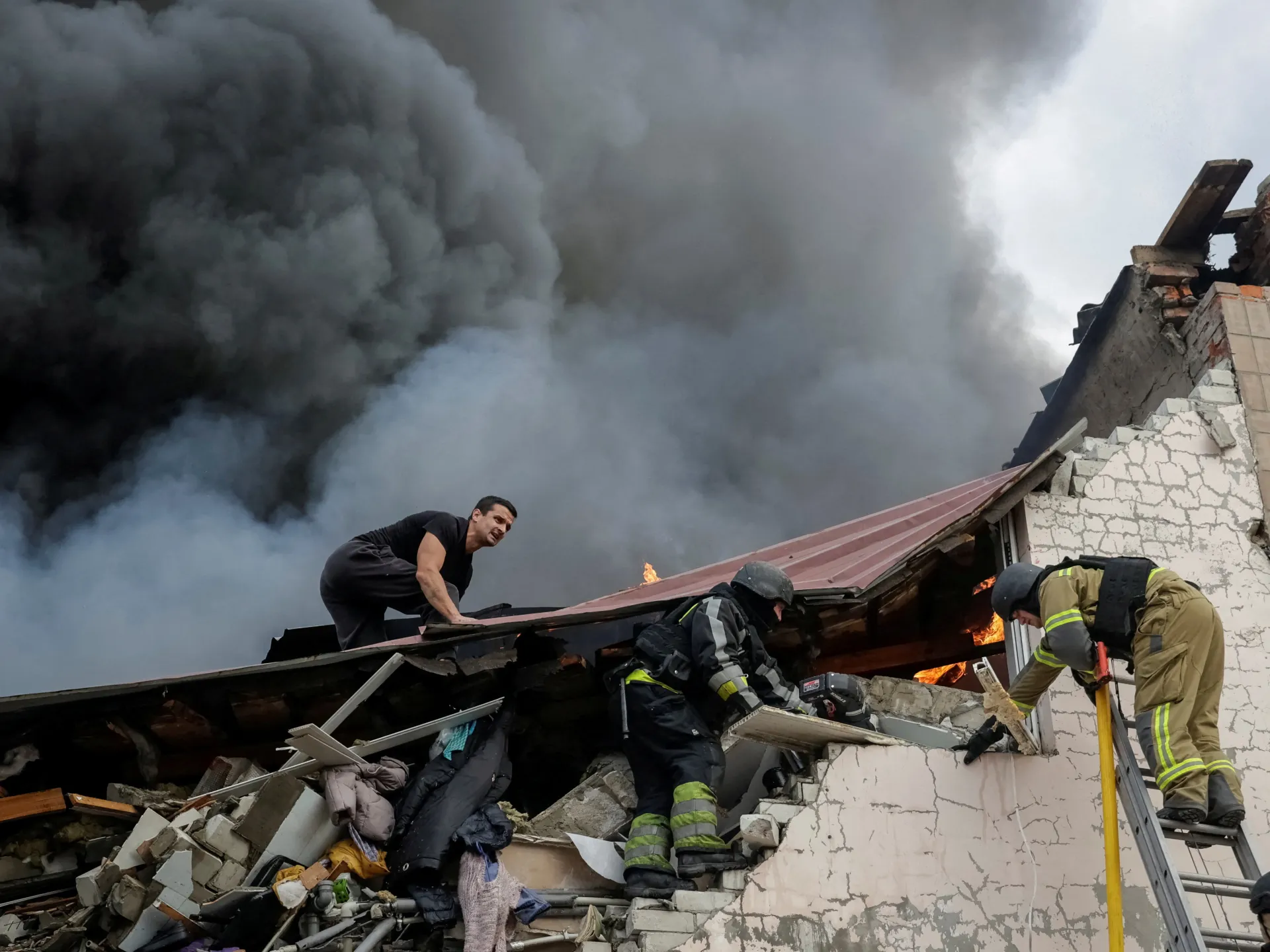
Russian forces struck civilian buses in Kramatorsk while Ukraine reports small gains in Donetsk. The surge in attacks has led to rising civilian casualties.
Russian forces recently launched deadly strikes against civilian buses in Kramatorsk. At least 30 people died in this attack. Local officials say these strikes aim to destroy life in the Donbas region.
Meanwhile, Ukraine reports small tactical gains against Russian positions in the Donetsk area. These military movements occur despite a sharp rise in civilian losses. Both sides remain locked in a brutal fight for territory.
Why this matters
The conflict in Ukraine now shows a dark shift toward targeting civilian infrastructure. These strikes create fear and force mass evacuations from front-line cities. This strategy puts intense pressure on the Ukrainian government to protect its people.
Furthermore, these events challenge the world to respond with stronger measures. Western leaders like the UK Foreign Secretary are already discussing new sanctions. The stakes involve both the survival of Ukrainian towns and the stability of the entire region.
New strikes and regional impacts
Russia used a powerful glide bomb to hit two buses in Kramatorsk. This strike also killed three people in the village of Bilenke. The regional head, Vadym Filashkin, confirmed these tragic losses yesterday.
Additionally, the violence reaches far beyond the front lines. A Russian strike on a building in Pryluky killed 22 people. This included five young children. International observers call these strikes evidence of a cruel war strategy.
As a result, officials in Kramatorsk stopped all public transit. They believe they cannot risk the lives of more drivers or passengers. The city government now urges all remaining residents to leave for safer areas immediately.
Escalating violence in urban areas
The United Nations reports a grim trend in this conflict. Civilian deaths in Ukraine by August of this year already surpassed the total for all of 2025. This rise shows that no place in the country remains truly safe.
Also, President Zelensky promised a harsh response to the latest attacks. He demands that the international community react to Russian actions in the Donbas. He argues that Russia must face consequences for these specific deaths.
However, Moscow has not commented on the Kramatorsk bus strike. Russia often claims it enters these regions to protect local people. Ukraine and its allies reject these claims as false justifications for the ongoing invasion.
How we got here
- 2022: Russia launches a full-scale invasion of Ukraine.
- 2025: Civilian casualties remain high throughout the year.
- October 2026: A Russian strike kills 22 people in a Pryluky apartment building.
- October 8, 2026: A glide bomb kills 30 people on buses in Kramatorsk.
What happens next
The military situation will likely stay volatile as winter approaches. Russia continues to try to seize the entire Donbas region. Ukraine will likely keep fighting to hold its current defensive lines.
Next, expect more diplomatic activity from Western nations. Leaders will likely announce new sanctions on Russian oil and financial networks. These steps aim to weaken Russia's ability to fund its war efforts.
Finally, the humanitarian crisis will likely grow worse. More civilians will flee the eastern front lines to avoid future bombings. Aid groups will struggle to reach those trapped in these dangerous areas.