
NASA's Perseverance rover is exploring ancient Martian landscapes and testing new navigation software to drive across the rugged surface of the Red Planet.
Why this matters
NASA scientists study Mars to understand the history of our solar system. The Perseverance rover acts as our robotic eyes on this alien world. It travels across rocky terrain to find clues about early planet formation. These findings help experts learn how rocky worlds like Earth evolved.
Also, this mission tests new technology in extreme environments. Engineers use smart software to guide the rover over dangerous gaps. This success proves that robots can perform complex tasks far from home. We gain vital data while pushing the limits of modern space travel.
New Discoveries on the Red Planet
The Perseverance rover recently finished exploring a region called Lac de Charmes. This area contains ridges and valleys west of the Jezero crater. Scientists believe these rocks are some of the oldest on the planet. They formed during a time when asteroids often hit Mars.
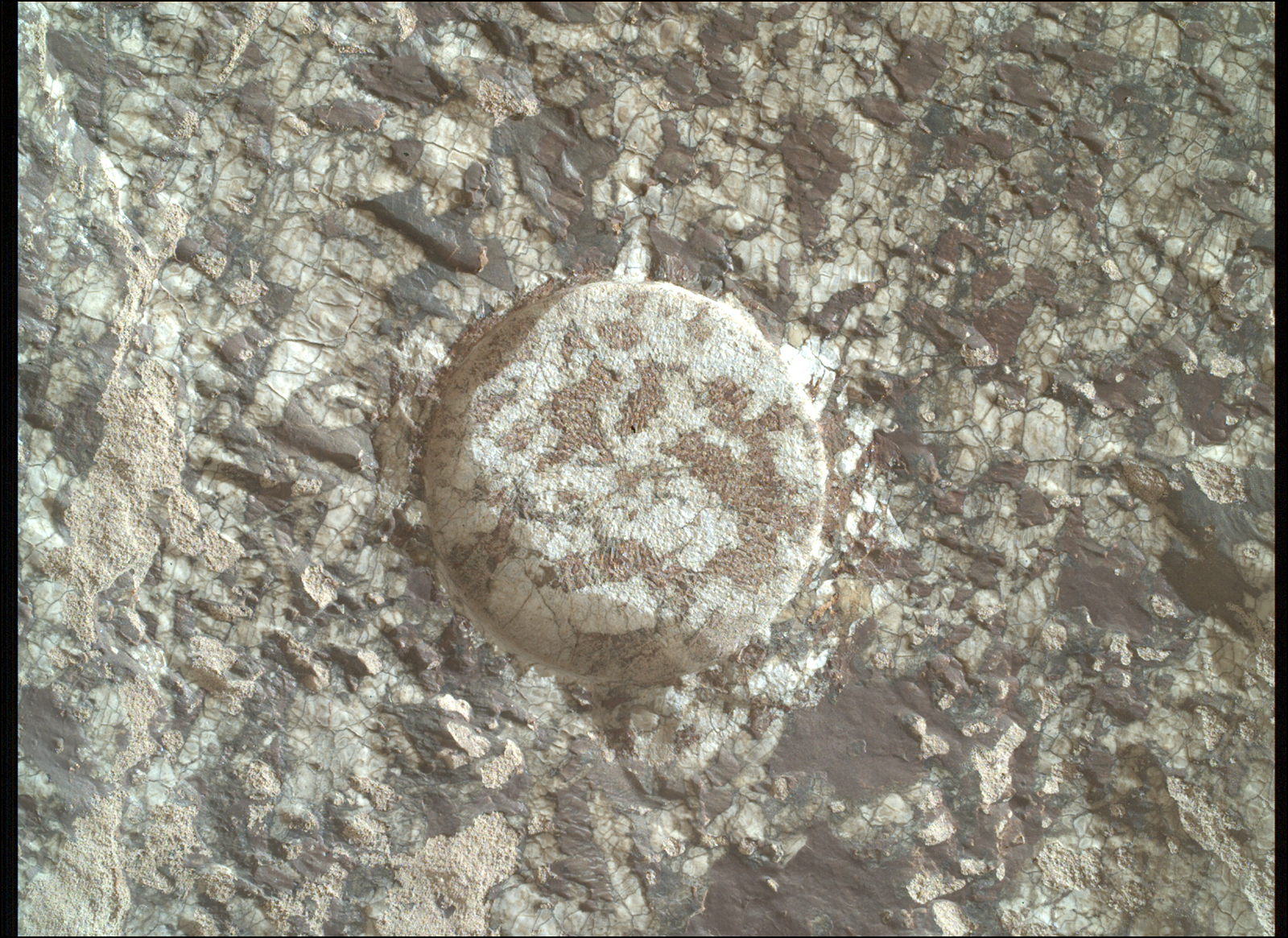
Meanwhile, the rover used its robotic arm to study these ancient stones. It created 13 abrasion patches to expose fresh rock surfaces. The science team found evidence of cooled lava and magma. Some rocks also show signs of violent asteroid impacts.
Next, the rover moved toward an area nicknamed Idubi. This location contains hundreds of light-toned boulders. The team spotted these strange rocks from a long distance away. They found a mix of many different textures and mineral shapes.
Finally, the rover investigated a boulder named Badger Peak. Its surface shows a unique light-and-dark pattern. Scientists say they have never seen this texture before on Mars. This discovery offers a new look at the composition of Martian ground.
Technical Challenges and Navigation
However, the mission faces ongoing technical demands to keep hardware safe. NASA released new guidance on managing liquid fuel systems. Hydrazine fuel can freeze and damage spacecraft plumbing during missions. The agency uses past lessons from the Space Shuttle to prevent these failures.
After that, engineers applied new navigation software to the rover. They repurposed a processor originally meant for the Ingenuity helicopter. This upgrade allows the rover to drive further and more accurately than before. It helps the robot navigate the rough terrain of the Martian frontier safely.
How we got here
- September 2026: The rover reaches the Lac de Charmes area for study.
- Mid-2026: Engineers update the rover’s navigation system using old helicopter software.
- Ongoing: Scientists analyze data from 13 different rock abrasion patches.
- Recent weeks: Perseverance discovers unique boulders at the Idubi site.
What happens next
Now, the team plans to continue searching for interesting rock samples. They must decide which rocks offer the most scientific value. The rover will likely attempt to collect samples from the Idubi region soon.
Finally, experts will study these samples to unlock Martian history. They hope to understand how early planetary processes created such varied landscapes. The mission continues to provide a wealth of data for researchers on Earth.