
As astronauts prepare for critical space health studies, world leaders face a turbulent week of diplomatic friction at the United Nations.
As humanity pushes the boundaries of space exploration, the physical toll of life in microgravity remains a focal point for international researchers. Simultaneously, the global stage has been defined ter for diplomatic walkouts and urgent humanitarian pleas. These seemingly disparate events underscore a world balancing on the knife-edge of scientific advancement and geopolitical instability.
While astronauts prepare to test the limits of human endurance aboard the International Space Station, leaders in New York are struggling to maintain the status quo. Whether in the silent vacuum of space or the crowded halls of the UN, the themes of survival, adaptation, and the mitigation of risk remain the core challenges of our time.
The convergence of advanced space medicine and high-stakes diplomacy highlights a shift in how humanity manages systemic risk. crew members; they are constructing a playbook for long-term survival off-world. Conversely, the volatility witnessed at the UN reflects a breakdown in traditional international communication channels. The stakes are effectively the same: in both realms, failure to account for underlying instability—be it a blood clot in an astronaut's vein or a diplomatic rift between sovereign nations—can lead to irreversible consequences. Understanding these parallel pressures is essential for navigating a future where the margin for error in both orbital missions and global policy is narrowing.
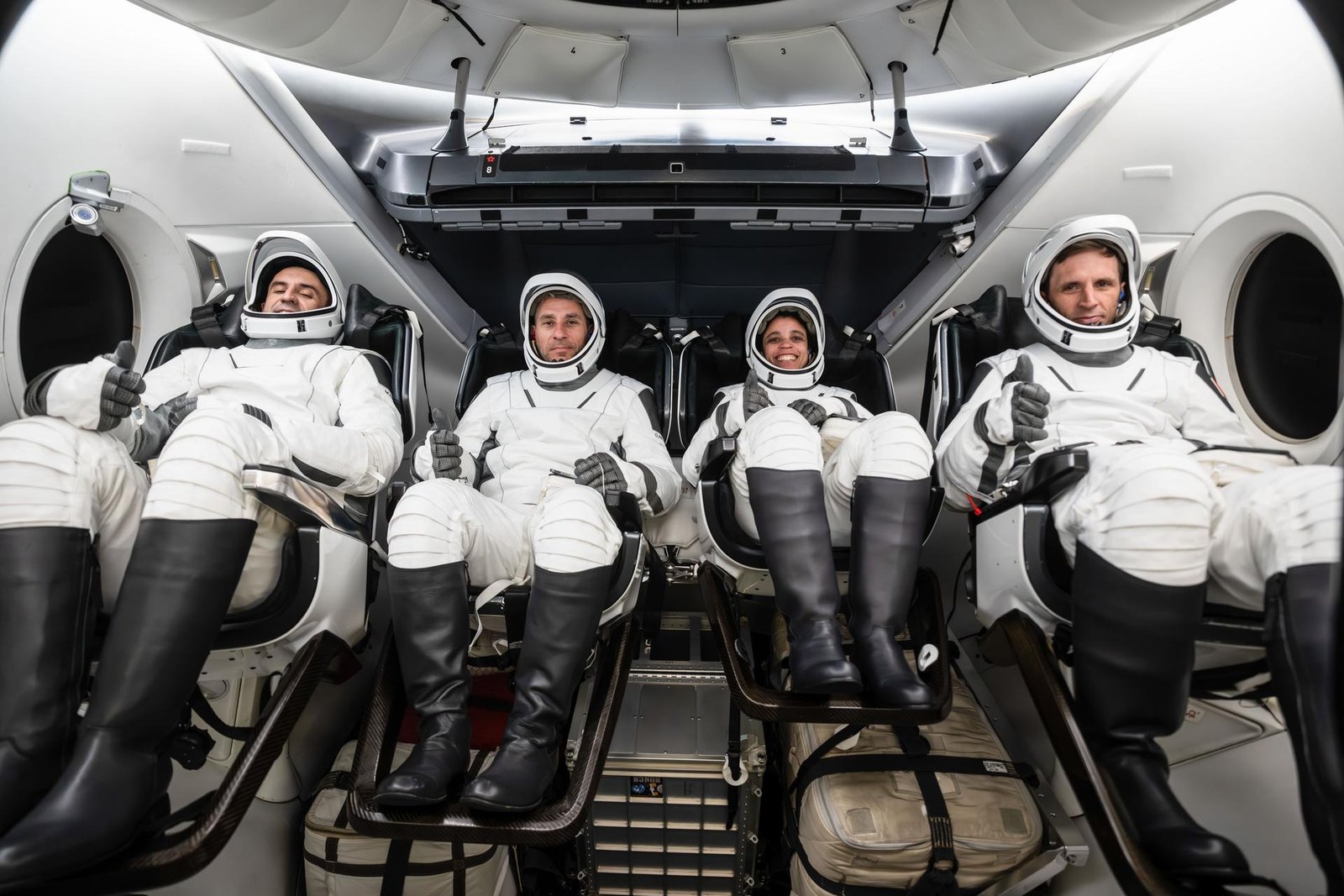
NASA’s SpaceX Crew-13 mission is poised to move beyond simple observation of the ISS environment, shifting toward a rigorous evaluation of human biomechanics. Among the most critical initiatives is the Venous Haemostasis study, a collaborative effort involving the European Space Agency. This project seeks to unravel the complex relationship between weightlessness and blood clotting. Cardiovascular researcher Jason Lytle noted that the disruption of normal venous flow poses a significant threat, as microgravity can lead to sluggish circulation and, potentially, dangerous clots. hensive profile of how individual physiology reacts to long-duration space flight.
The mission also addresses the cognitive and physical demands of re-entering Earth's atmosphere. Through the Manual Piloting study, NASA is testing whether astronauts can maintain the high-level sensory and decision-making skills required for complex landings after extended time in space. With sensory systems and orientation often compromised e the gap between orbital life and the gravity of Earth. These findings are expected to refine both re-entry procedures and the hardware design of future spacecraft, ensuring that the return phase of flight is as safe as the mission duration itself.
While NASA looked toward the stars, the atmosphere at the UN General Assembly in late September 2026 was marked rtures, most notably when dozens of delegates walked out during the speech delivered volatile debates, with Yemen’s government utilizing the platform to issue urgent humanitarian appeals, and representatives from Kuwait speaking out against perceived threats to national sovereignty.
These events occurred against a backdrop of broader international tensions, including reports of military maneuvering in the Middle East and ongoing friction regarding sanctions and trade. The combination of targeted walkouts and the failure of diplomatic consensus at the UN highlights the difficulty of achieving international cooperation in an era defined aborative spirit required for scientific exploration and the fractured reality of international relations appears to be widening.
The immediate future will see a continuation of the dual-track reality established this September. In orbit, the Crew-13 astronauts will begin their longitudinal health monitoring, providing data that will likely dictate the medical protocols for future Mars-bound missions. On the diplomatic front, the fallout from the UN General Assembly suggests that international relations will remain in a state of high tension. It is probable that the humanitarian issues raised during the plenary will lead to further calls for resolution, though the recent history of diplomatic walkouts indicates that a consensus on these matters remains unlikely in the short term. The scientific community will continue its quiet, data-driven progress, while the political community faces a mounting series of crises that show little sign of abatement.