

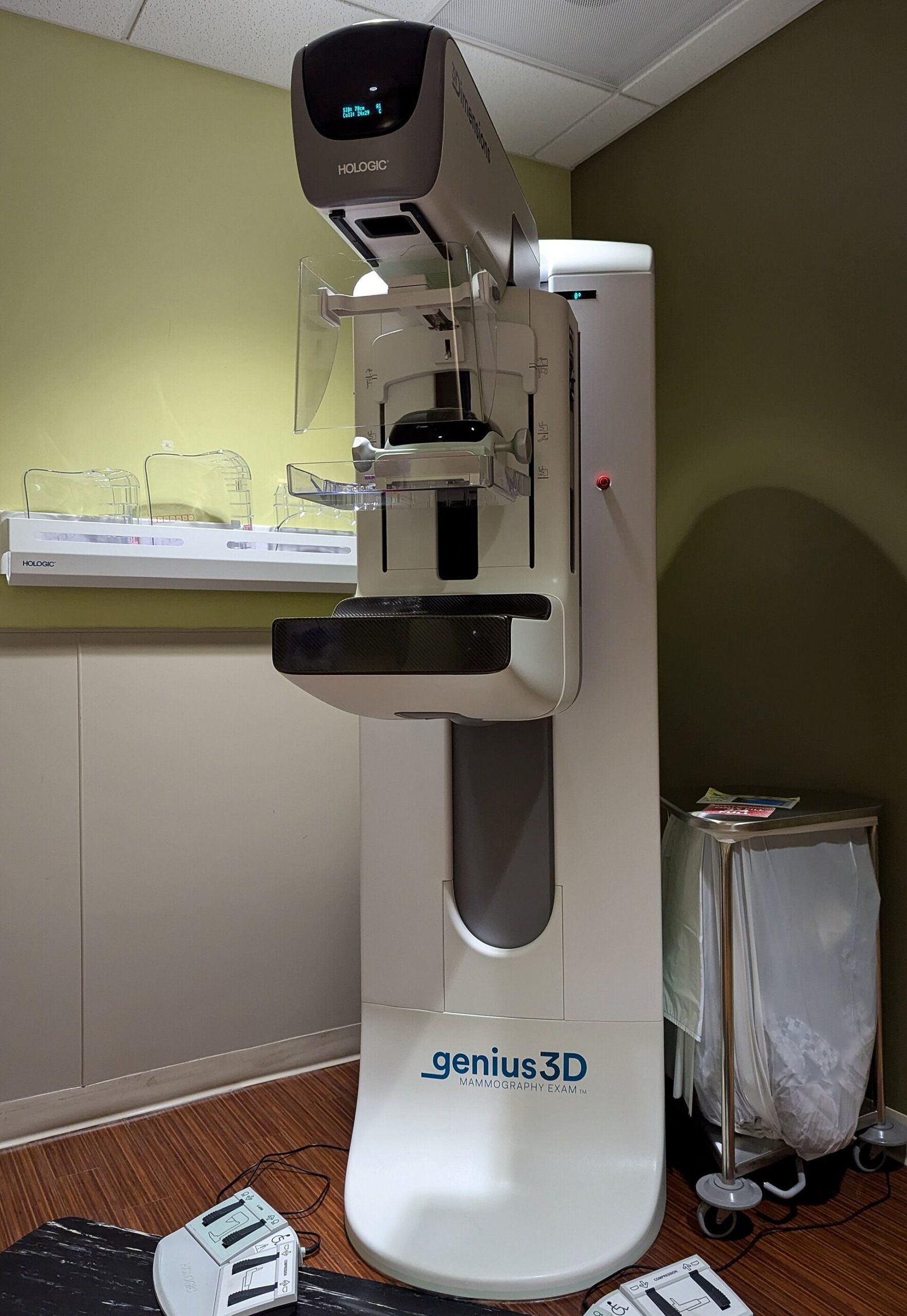
England’s National Health Service has launched the world’s largest trial of artificial intelligence in breast cancer screening, inviting nearly 700,000 women to take part over the next three years.
Key Points
- NHS AI breast cancer screening trial — The NHS launched the EDITH trial on Monday, the world’s largest trial of AI in breast cancer screening, involving nearly 700,000 women at 30 sites across the UK.
- The £10 million trial will test whether AI can help specialists find cancers earlier, including cancers too small to see or feel, and free up clinicians’ time.
- Recruitment has begun at Cambridge University Hospitals, the first of around 30 planned sites, with the trial led by the Universities of Warwick and Cambridge.
- The study will test whether most mammograms can be reviewed by one specialist instead of the current two, with AI assisting the human reader.
- Health Secretary Yvette Cooper called it “the biggest AI breast cancer trial in the world, backed by £10 million of government investment”.
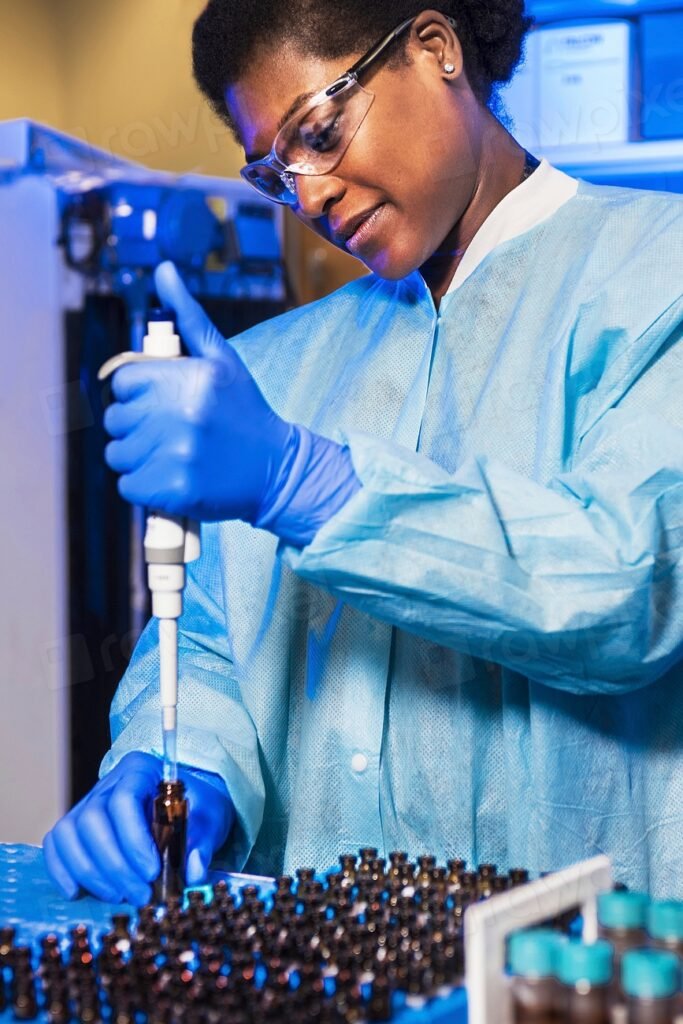
The trial, known as EDITH — Early Detection using Information Technology in Health — is funded by the National Institute for Health and Care Research and led by the University of Warwick, the University of Cambridge and Cambridge University Hospitals NHS Foundation Trust, working with NHS England. The first women have already started joining the study in Cambridgeshire, and recruitment will roll out to around 30 breast screening locations across the country.
The question EDITH asks is simple: can AI help doctors spot breast cancer earlier? The AI-assisted reading tool will help clinicians review images collected from routine mammograms — X-ray images of the breast used to look for early signs of cancer. The study will test two approaches: AI reviewing mammograms after a human reader, and AI triaging risk before a human examines them. NHS staff will retain all final clinical decisions, and screening appointments will proceed as normal.
Why it matters — and what could go wrong
The potential prize is large. Under the NHS Breast Screening Programme, women are invited for a mammogram every three years from the age of 50 until their 71st birthday, and NHS figures show 2.75 million women were invited for screening in 2024/25, 10 percent more than the previous year. If AI can safely allow most images to be reviewed by only one specialist rather than the current two, it could free up scarce radiologists, cut waiting lists and help patients receive diagnoses more quickly. A Lancet study in January, analysing nearly 106,000 Swedish mammograms, found AI can improve detection while reducing radiologists’ workloads.
But the researchers are also watching for two distinct risks. One is that AI could lead to more women being called back for further tests when they do not have cancer. The other is overdiagnosis, where screening finds a cancer that would never have caused symptoms during a woman’s lifetime. The trial will track how many cancers are detected, how often women are called back, and whether AI eases pressure on screening teams. Participants will be followed for four years to measure detection rates, false positives and costs.
What happens next
Speaking on a visit to the trial team at Addenbrooke’s Hospital in Cambridge, Health Secretary Yvette Cooper said: “This is the biggest AI breast cancer trial in the world, backed by £10 million of government investment to speed up diagnosis and potentially deliver life-saving improvements.” The NHS says it will only change how screening works if the evidence shows the approach is as safe and effective as the care women get now. Results will be published in a scientific journal and shared with the government and screening services.
For background on medical breakthroughs, see our report on One-Time CRISPR Therapy Cuts Bad Cholesterol by 52% With Effects Lasting a Full Year (https://newsoneusa.com/one-time-crispr-therapy-cuts-bad-cholesterol-by-52-with-effects-lasting-a-full-year/), and on Viagra-Like Pill Slows Alzheimer’s Decline by 31% in Major Trial (https://newsoneusa.com/viagra-like-pill-slows-alzheimers-decline-by-31-in-major-trial/). More in our Health (https://newsoneusa.com/category/health/) section.
Sources: Channel News Asia, “England launches world’s largest AI-aided breast cancer screening trial” (https://www.channelnewsasia.com/world/england-launches-worlds-largest-ai-aided-breast-cancer-screening-trial-6574836); Sky News, via KMFM, “Major trial to examine if AI can help detect breast cancer earlier” (https://www.kmfm.co.uk/news/uk-news/major-trial-to-examine-if-ai-can-help-detect-breast-cancer-earlier/)