
NASA celebrates decades of flight innovation while the Federal Reserve hikes interest rates to combat rising inflation across the United States.
Why this matters
Modern life depends on both stable skies and stable bank accounts. NASA researchers work to protect our atmosphere while studying flight innovation. Meanwhile, economic policy impacts the money in every American household today.
Also, these two areas show how experts react to big challenges. Scientists use high-tech tools to understand dangerous wildfires. Then, financial leaders use interest rates to fight rising prices. Both groups aim to keep the nation safe and secure.
Finally, these events affect people across the country. Pilots test new ways to fly without noise. At the same time, families face higher costs for loans and credit cards. Both sectors require careful planning to avoid long-term harm.
Scientific and Economic Updates
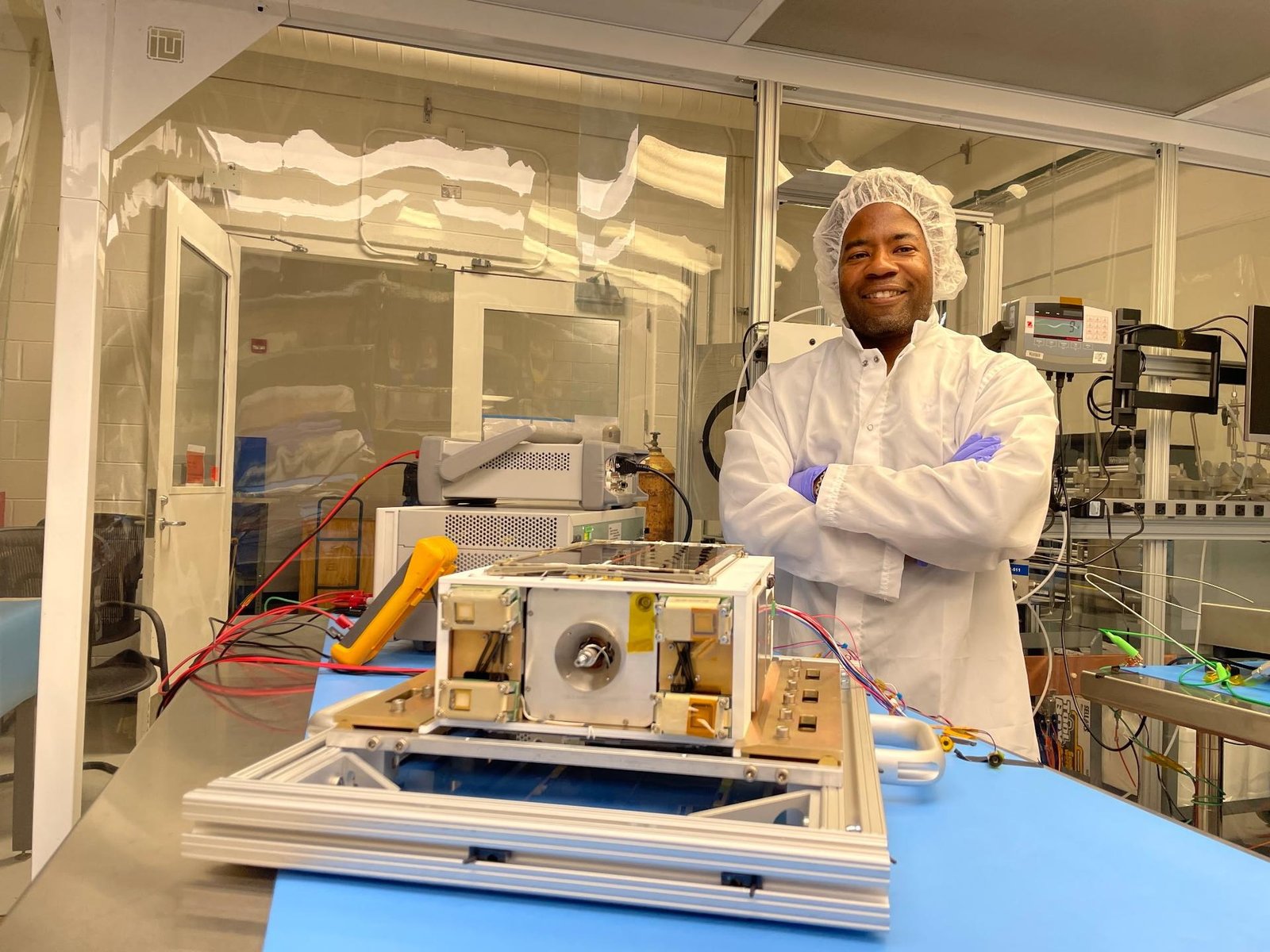
NASA recently celebrated 80 years of flight testing. Engineers at the Armstrong center now work on the quiet X-59 plane. This aircraft aims to stop the loud booms common in supersonic travel.
Meanwhile, other scientists studied smoke clouds from wildfires in Montana. They used a special plane called an ER-2 to capture data. This flight helped them see a rare cloud called a pileus. It looked like a cap over the smoke column.
However, the national economy faces its own turbulence. The Federal Reserve raised interest rates to 3.75% or 4%. Fed Chair Kevin Warsh called this a responsible choice. He says inflation has stayed too high for too long.
Also, this decision creates mixed reactions in Washington. President Donald Trump opposed the rate hike. He called the board hostile to his goals. Still, the Fed remains focused on stabilizing prices for all Americans.
Next, global conflict continues to shape these economic pressures. Rising oil costs from current international wars affect grocery prices. This makes it hard for the Fed to manage inflation. They hope higher rates will slow down these rising costs.
How we got here
- 1946: Engineers arrive at Muroc Army Airfield to pursue supersonic flight.
- 2021-2026: Inflation remains above the target rate for five years.
- August 2026: NASA pilots capture images of a rare pileus cloud over a Montana wildfire.
- September 16, 2026: The Federal Reserve raises interest rates for the first time in three years.
- September 30, 2026: NASA Armstrong marks eight decades of aviation research and development.
What happens next
Experts expect the Federal Reserve to watch economic data closely. They may choose to raise rates again if inflation persists. This could lead to more expensive borrowing for many consumers.
Also, NASA teams will continue their flight test programs. They want to prove that supersonic travel can be quiet. This could change how we travel across the world in the future.