
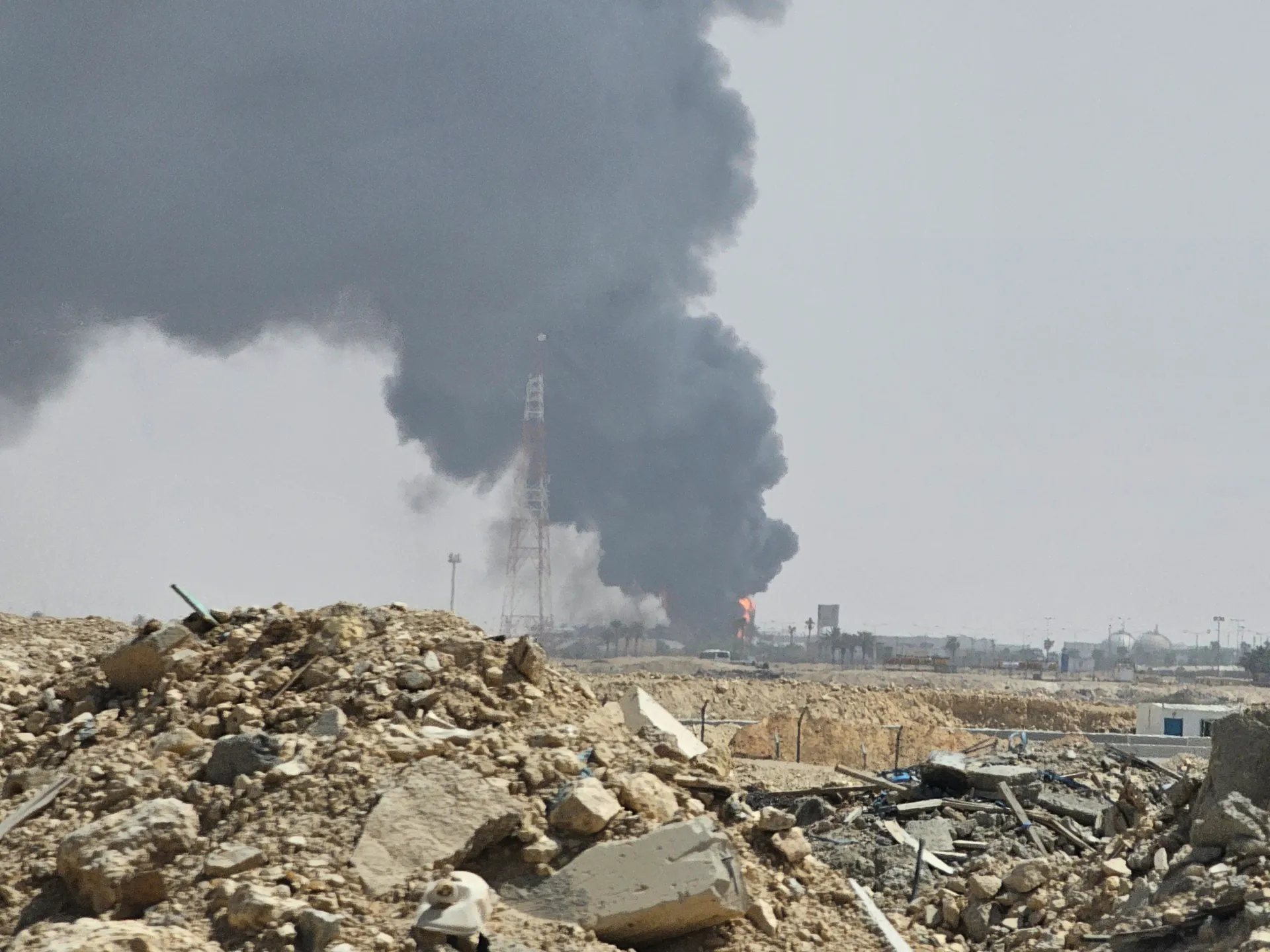
Global leaders discuss military options for the Middle East as the Artemis space coalition grows. Tensions in the region remain high following recent reports.
Global leaders face high pressure this week as military tensions grow in the Middle East. High-ranking U.S. officials gathered at Camp David to discuss potential paths regarding Iran. These meetings involved Vice President JD Vance and top defense leaders.
Meanwhile, the Saudi-led coalition issued a firm statement regarding recent threats. They dismissed claims from Yemeni forces that an attack hit Riyadh. Officials suggest these claims hide recent losses on the battlefield.
However, reports from intelligence sources indicate that Saudi Arabia wants a stronger U.S. response. They are urging Washington to increase military actions against Iran. This request adds pressure on the current administration.
Why this matters
These events show a complex web of global safety concerns. Decisions made at Camp David will impact regional stability for years. The U.S. must balance these requests against the risks of a wider conflict.
Also, the situation forces allies to choose sides in a tense environment. Saudi Arabia seeks more aggressive tactics to deter regional rivals. Washington now weighs these requests against its own strategic goals in the area.
Finally, these actions influence how other nations view U.S. commitment. Stable partnerships require clear goals and open communication. Any sudden shift in policy changes the balance of power across the Middle East.
Diplomatic and Scientific Shifts
Beyond the conflict, nations continue to build new paths in space. Croatia recently joined the Artemis Accords as the 74th member. This group focuses on peaceful exploration of the Moon and Mars.
Next, Croatian officials signed the agreement during a visit to Zagreb. This move highlights their growing interest in the space industry. They hope to strengthen their economy through new technology.
Also, this decision aligns with Croatia's previous satellite mission. Their first satellite, CroCube, reached orbit in 2024. This success proves their technical skill in modern space science.
How we got here
- 2020: NASA and the State Department launch the Artemis Accords.
- Dec 21, 2024: Croatia successfully launches its first satellite, CroCube.
- Sep 23, 2026: Croatia officially joins the Artemis Accords in Zagreb.
- Oct 2, 2026: U.S. officials meet at Camp David to discuss Iran.
- Oct 4, 2026: The Saudi-led coalition denies reports of a Riyadh attack.
What happens next
The U.S. government will likely decide on its Iran policy soon. Analysts expect a formal update after the Camp David talks conclude. Officials must choose between more pressure or new diplomatic talks.
Furthermore, Saudi Arabia will likely keep pushing for its regional objectives. Their request for more military action remains a key point of discussion. The world will watch to see if these requests change U.S. strategy.
Finally, the Artemis Accords will continue to grow in size. More nations may sign this agreement in the coming months. This trend shows a desire for global cooperation in space exploration.