
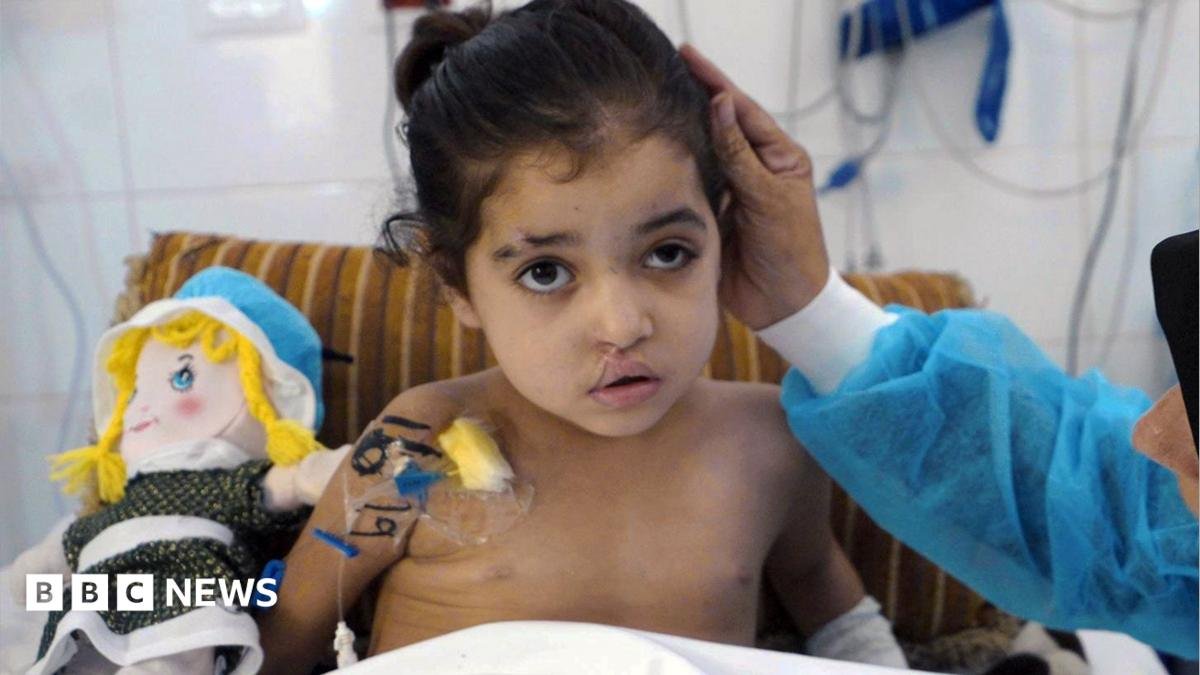
A young child fights for recovery in Gaza as global energy markets face major supply chain disruptions.
Six-year-old Raseel al-Balawi faces a long road to recovery in Gaza. An air strike hit her tent in late July. She has already undergone more than 20 surgeries to fight severe infections. Her struggle shows the heavy toll that the ongoing conflict takes on children.
Meanwhile, the instability in the region affects the entire world. Global energy supplies face major risks today. Experts warn that supply routes in the Middle East are failing. These disruptions impact fuel prices and trade for many nations.
Why this matters
The situation represents a double crisis for the global community. First, the humanitarian cost in Gaza remains incredibly high. Families lack basic needs and safe places to live. Medical teams struggle to treat patients without proper supplies or clean facilities.
Also, the world relies on predictable energy routes to keep economies running. The Strait of Hormuz acts as a vital artery for oil transport. Current conflicts threaten this path and other maritime routes. Businesses now face higher costs for shipping and fuel.
Finally, these events show how local violence ripples across the globe. A conflict in one region quickly changes prices at gas pumps elsewhere. Nations must now rethink how they source and transport their energy. This shift creates long-term uncertainty for markets and international trade.
Maritime Routes Under Severe Pressure
The global energy map looks different than it did just a few years ago. The Strait of Hormuz was once considered a reliable path for tankers. Now, the conflict has shattered that sense of certainty. Producers must find expensive alternatives to keep oil moving.
Furthermore, the Red Sea and Black Sea routes face similar strain. These areas once helped keep energy costs stable for many countries. Shipping companies now struggle to find enough tankers to meet demand. The shortage affects both the energy products and the ships themselves.
After that, the economic fallout continues to spread to different sectors. Costs for logistics have risen sharply across the world. Markets remain tight as companies search for safer ways to operate. Many analysts fear that these issues will persist for a long time.
Medical Challenges in Conflict Zones
Doctors in Gaza work in extremely difficult conditions every day. Infrastructure, such as water and power, has suffered total destruction. These conditions make it almost impossible to stop infections in wounded patients. Raseel al-Balawi represents just one of many victims needing urgent care.
However, the military disputes claims regarding specific attacks. Israel states it has no record of the strike that injured Raseel. The military also says it regrets any harm caused to civilians during operations. Aid groups continue to highlight the massive medical needs of the local population.
How we got here
- Late July 2026: An air strike hits a tent in the al-Mawasi camp in Gaza.
- August 2026: Raseel al-Balawi begins a long series of surgeries to treat her wounds.
- September 24, 2026: Reports emerge detailing the structural collapse of global energy logistics.
- Ongoing: Maritime security concerns persist across the Strait of Hormuz and the Black Sea.
What happens next
Experts expect energy markets to remain volatile in the coming months. Companies will likely look for new, safer routes to avoid conflict zones. This process will probably keep fuel prices high for consumers. Governments may also need to intervene to ensure energy security.
Next, humanitarian aid groups will continue to press for better access to Gaza. They need more supplies to treat injured children like Raseel. International leaders might call for more pauses in fighting to allow for medical aid. Still, the path to a lasting solution remains unclear to most observers.