
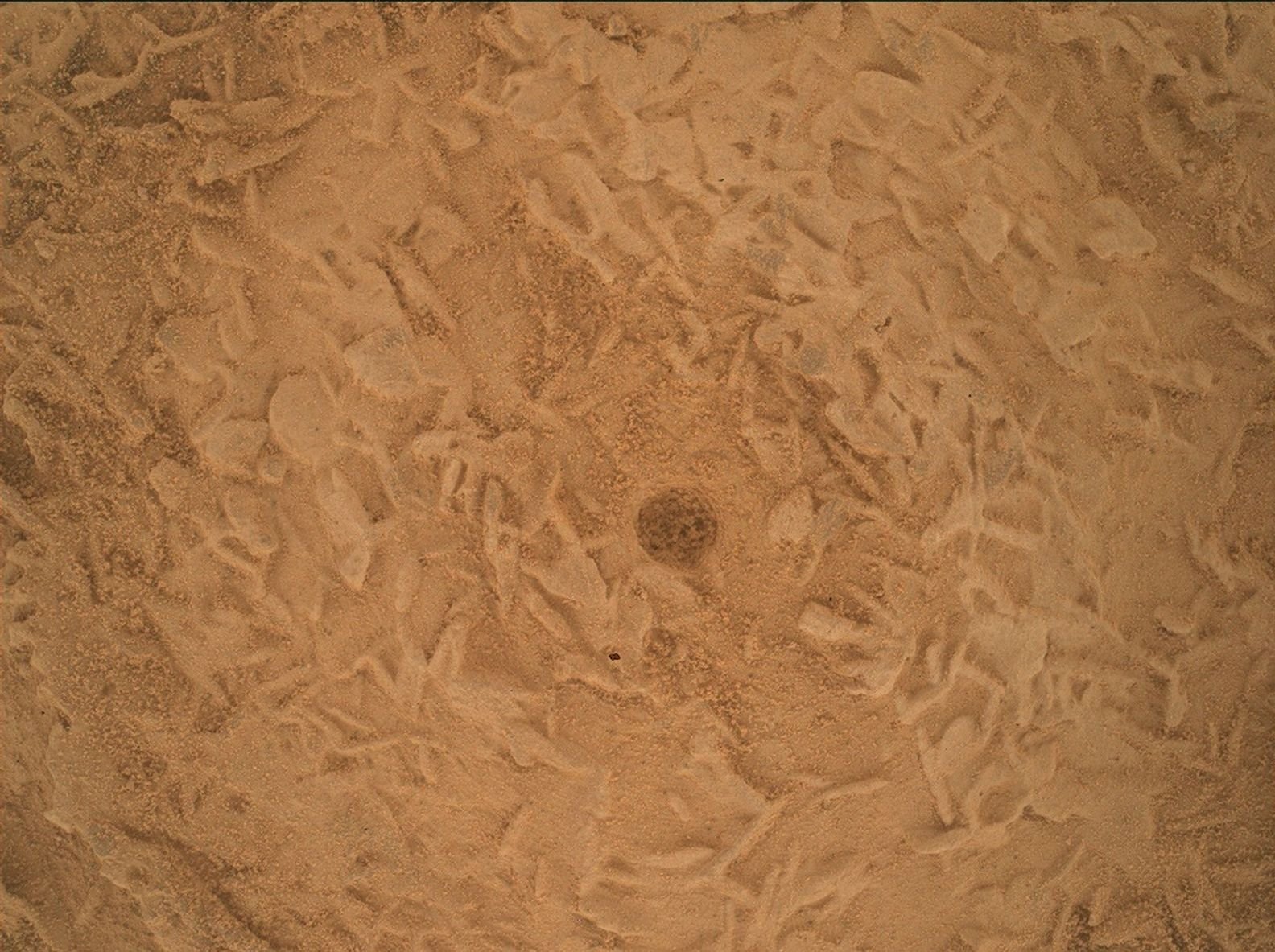
NASA's Curiosity rover uncovers mysterious mineral patterns on Mars as Sri Lankan courts issue convictions for the 2019 Easter bombings.
Why this matters
NASA's Curiosity rover is currently searching for signs of ancient life. It explores the dusty surface of the red planet. These new images show odd mineral shapes in the rocks. This helps scientists learn about water on Mars long ago.
Meanwhile, justice moves forward in Sri Lanka for a past tragedy. Courts recently convicted fifteen people for the 2019 Easter bombings. These two events show how humanity seeks answers in very different ways.
Also, research on Mars helps us understand our own world. Finding minerals from evaporating fluids suggests a wet past for the planet. This adds to our knowledge of how rocky worlds change over time.
However, the court ruling in Sri Lanka brings closure to a painful human chapter. Families of victims waited years for this legal action. The case highlights the importance of accountability for intelligence failures.
Scientific discoveries on Mars
Curiosity recently explored a spot called Salar de Vacas. The robot used its special arm to brush away dust. It found small, disc-shaped lumps inside the bedrock. These shapes are very tiny.
Next, the team used the Mars Hand Lens Imager. This camera takes very close pictures of rock surfaces. It combines many images to make one clear, sharp photo. Scientists want to know how these shapes formed.
Then, the rover team tested the rock with other tools. They used lasers and special sensors to study the minerals. This data will help identify the exact chemical makeup of the rocks. Scientists think these shapes show where water once dried up.
Legal actions in Sri Lanka
A court in Sri Lanka reached a final decision this week. Judges convicted fifteen people for the 2019 Easter Sunday attacks. These attacks targeted churches and luxury hotels across the nation.
After that, the public raised questions about government warnings. Many people argue that officials failed to stop the danger. Intelligence reports existed before the bombs went off in 2019.
Finally, the verdict brings some peace to the survivors. The attacks killed 279 people during the holy holiday. This court ruling marks a major step in the ongoing legal process.
How we got here
- 2019: Explosions hit churches and hotels in Sri Lanka, killing 279 people.
- 2026: NASA’s Curiosity rover reaches Sol 5016 of its mission on Mars.
- September 16, 2026: Curiosity captures high-resolution images of unusual rock textures at Salar de Vacas.
- September 23, 2026: A court in Sri Lanka convicts 15 people for the 2019 terror attacks.
What happens next
NASA scientists plan to drill into the rocks at the new site. They need to collect samples for deeper analysis. This will be the first drill effort at this specific location.
Also, the team will continue to drive toward new targets. They want to map more of the sedimentary structures nearby. These findings will explain how the area changed over millions of years.
Meanwhile, legal experts in Sri Lanka will review the recent convictions. Further trials could still take place for other suspects. Many citizens continue to demand better security for the future.