
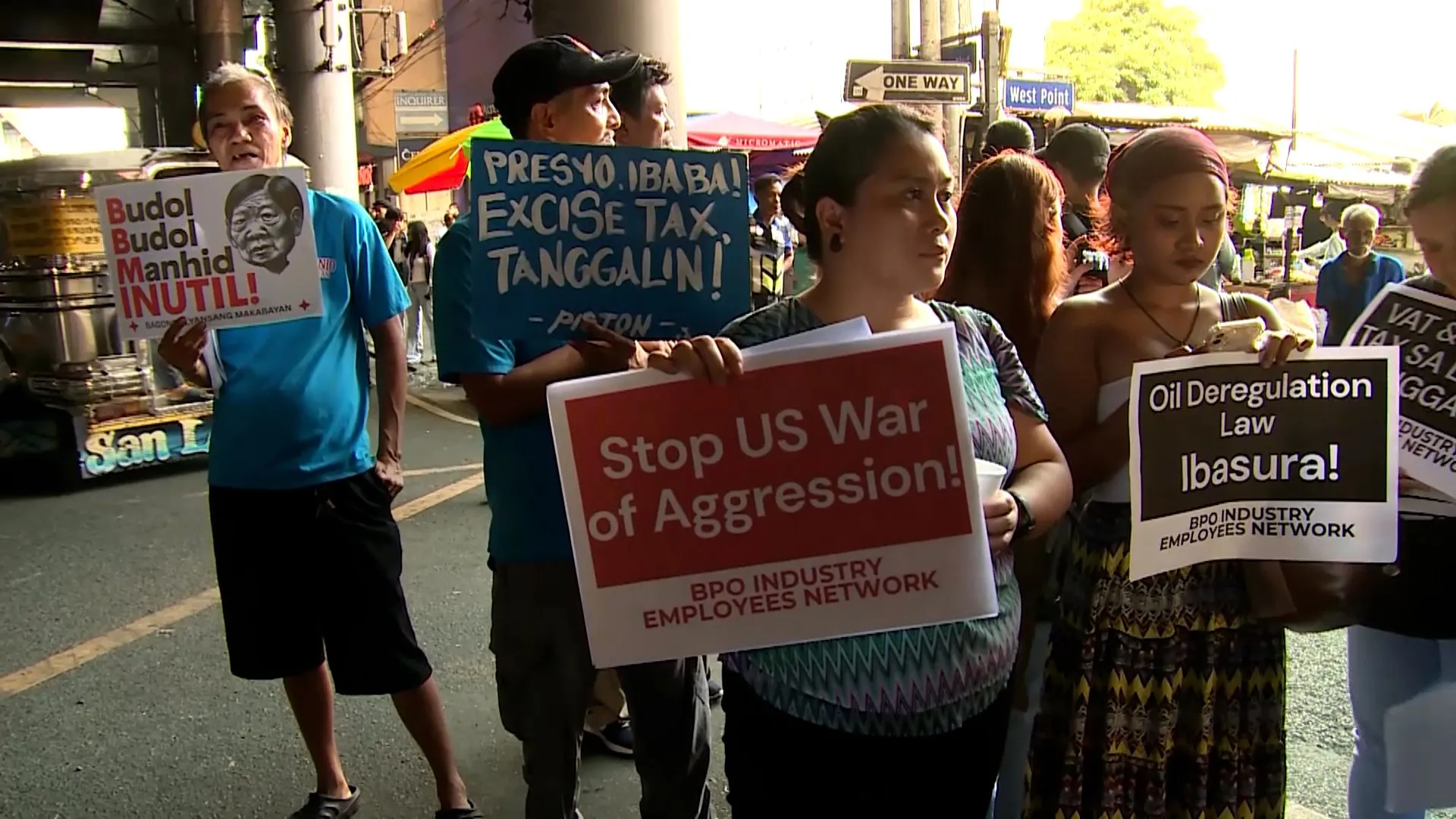
Jeepney drivers in Manila began a three-day strike this week. They are protesting the rising cost of diesel and stagnant daily wages.
Thousands of public transport drivers in Manila stopped work this week. They began a three-day strike to protest rising fuel prices. The drivers demand relief from high costs that drain their daily pay.
Many jeepney drivers say they can no longer earn a living wage. They blame high taxes and the global spike in diesel costs. This strike leaves many commuters in the capital looking for other ways to travel.
Why this matters
This strike highlights a deep economic strain on the working class. Jeepneys serve as the main mode of transport for millions of Filipinos. When these vehicles stop, the entire city feels the impact on its productivity.
Furthermore, the protest shows the fragility of the local transport system. High fuel prices create a cycle of poverty for drivers. These workers often live hand-to-mouth and cannot absorb sudden price hikes.
Also, the government faces pressure to balance fiscal policy with public needs. Officials must decide between keeping taxes high or providing subsidies. Their choice will decide if the transit system stays reliable or faces more shutdowns.
The impact on the streets
The strike specifically targets the iconic jeepney sector. These vehicles are the backbone of the nation's public transit network. Many drivers rely on daily fares to pay for their fuel and food.
Next, the protest aims to force a change in fuel tax policy. Drivers gathered in the streets to voice their frustrations to the government. They claim their current income does not cover the basic needs of their families.
Meanwhile, commuters face long wait times and crowded alternative buses. Some people walk long distances to reach their jobs. Local schools and businesses report lower attendance during the three-day event.
How we got here
- Early September 2026: Global fuel prices continue to rise, placing heavy pressure on transport costs in the Philippines.
- Late September 2026: Jeepney drivers organize a massive, three-day strike to protest their shrinking take-home pay.
- September 29, 2026: The transport strike officially begins in Manila, stalling thousands of vehicles across the capital city.
What happens next
The government must now consider urgent talks with transport leaders. Officials will likely review current fuel tax laws to ease the burden on drivers. Failure to act could trigger further labor unrest in the coming weeks.
Also, analysts expect more debates over potential fuel subsidies. The state may offer temporary financial aid to keep the public transit network running smoothly. However, experts warn that these short-term fixes might not solve the core economic problem.
Finally, the public will watch closely for any signs of a compromise. The success of this strike depends on the government's willingness to listen. If the standoff continues, the city could face even larger protests in the near future.