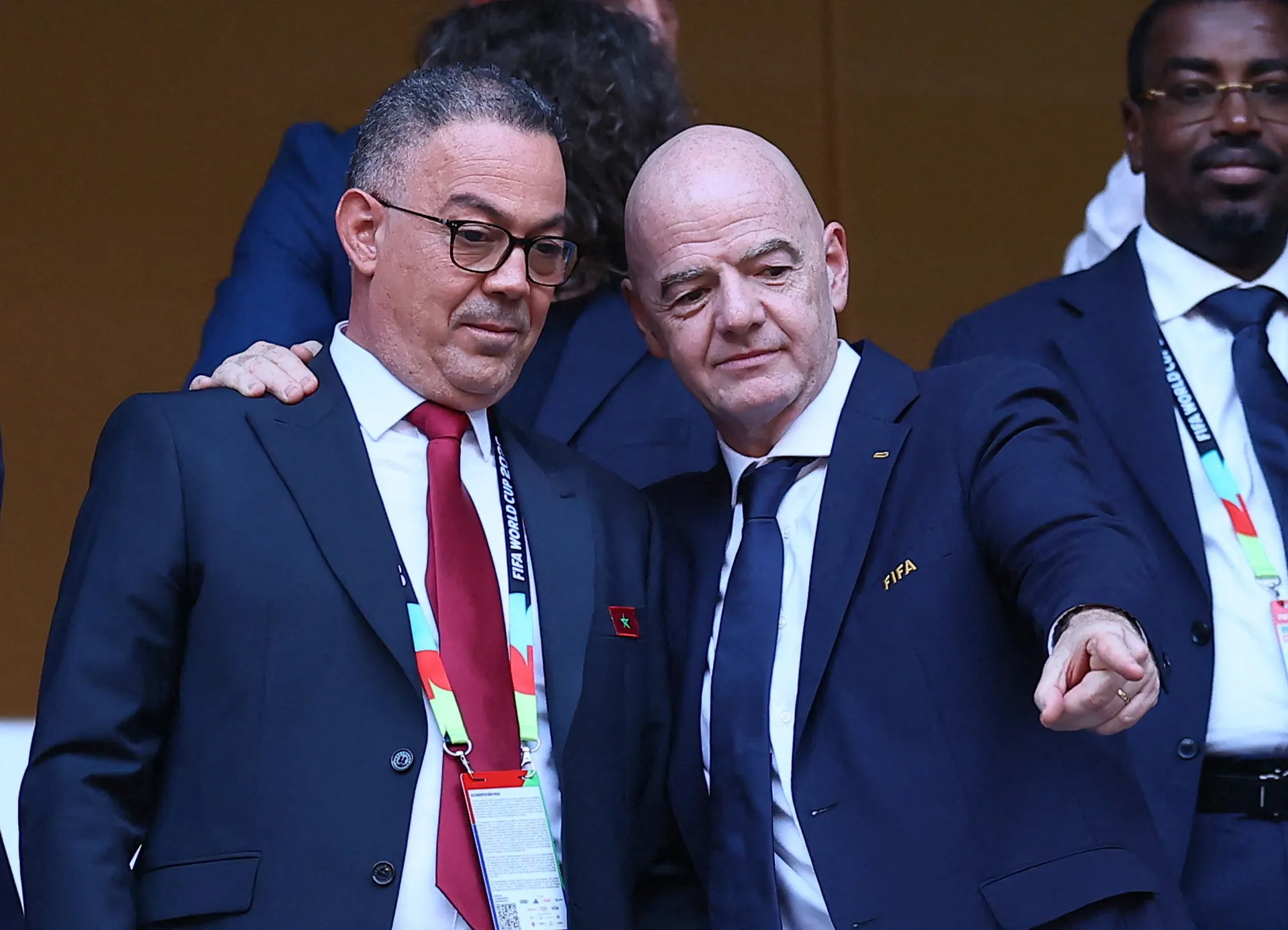
The Royal Dutch Football Association has formally declared a loss of confidence in Gianni Infantino, calling for a total governance overhaul and new leadership by 2027.
The Royal Dutch Football Association (KNVB), a foundational member of FIFA since its inception in 1904, has officially declared a loss of confidence in the current leadership of President Gianni Infantino. In a significant move that highlights growing friction within the global governing body, the Dutch organization has publicly advocated for a comprehensive overhaul of FIFA’s internal power structures. The KNVB emphasizes that replacing the president is merely a starting point, arguing that the organization’s fundamental governance model requires a complete reassessment to ensure transparency and accountability.
This call for reform comes as the global football community reflects on recent controversies, including the contentious proposal to sell stakes in prestigious FIFA events, such as the World Cup, to private equity entities. The KNVB, which had previously supported Infantino’s tenure, noted that their endorsement was never intended to be unconditional. 211 member associations to redefine the purpose and operational ethics of the international governing body before the next electoral cycle.
To facilitate this transition, the KNVB has proposed hosting an "International Summit on the Future of FIFA" in Amsterdam. The goal of this gathering is to bring together football associations and confederations from every corner of the globe to engage in a collaborative dialogue. Rather than focusing exclusively on potential candidates for the presidency, the Dutch association insists that the priority must be establishing a clear vision for what the global football community expects from its governing entity.
The KNVB has explicitly stated that this initiative is not intended to be a "European plan" imposed upon the rest of the world. Instead, they seek a genuine, inclusive process that invites input from all member associations to ensure that the resulting reforms reflect the diverse needs of the international football landscape. us on necessary changes that will transcend regional interests and secure the long-term integrity of the sport.
Central to the KNVB’s proposal is a fundamental shift in how power is distributed within FIFA. The current governance structure is criticized for concentrating excessive influence in the office of the president, leading to a blurred line between the president's representative duties and the administrative functions of the organization. The KNVB suggests a model where the secretary-general assumes a more prominent role in executive leadership, while the president focuses primarily on representing FIFA on the global stage.
Furthermore, the Dutch association has outlined three primary reform priorities to guide these discussions: the implementation of robust checks and balances, the integration of human rights and sustainability into the core of all decision-making processes, and a commitment to stronger international cooperation. A major financial objective identified nue directly into football development. This proposal aims to bridge the significant financial divide between the wealthiest member associations and those with limited resources, ensuring that the growth of the sport remains a global priority.
The push for reform is occurring against a backdrop of intensifying legal scrutiny. The KNVB’s initiative aligns with broader efforts within UEFA, which has sought permission from a United States federal court to obtain evidence from FIFA entities located in Florida. This information is intended for use in a potential criminal complaint in Switzerland regarding the conduct of the FIFA president. Such legal actions underscore the gravity of the situation and the mounting pressure on the current administration to account for its internal management practices.
As the prospect of the next presidential election approaches in March, the call for new leadership the path forward must be defined enance of the status quo. Whether this movement will gain sufficient traction among the other 210 member associations remains to be seen, but the Dutch intervention has undeniably set the stage for a critical debate on the future of international football governance.