
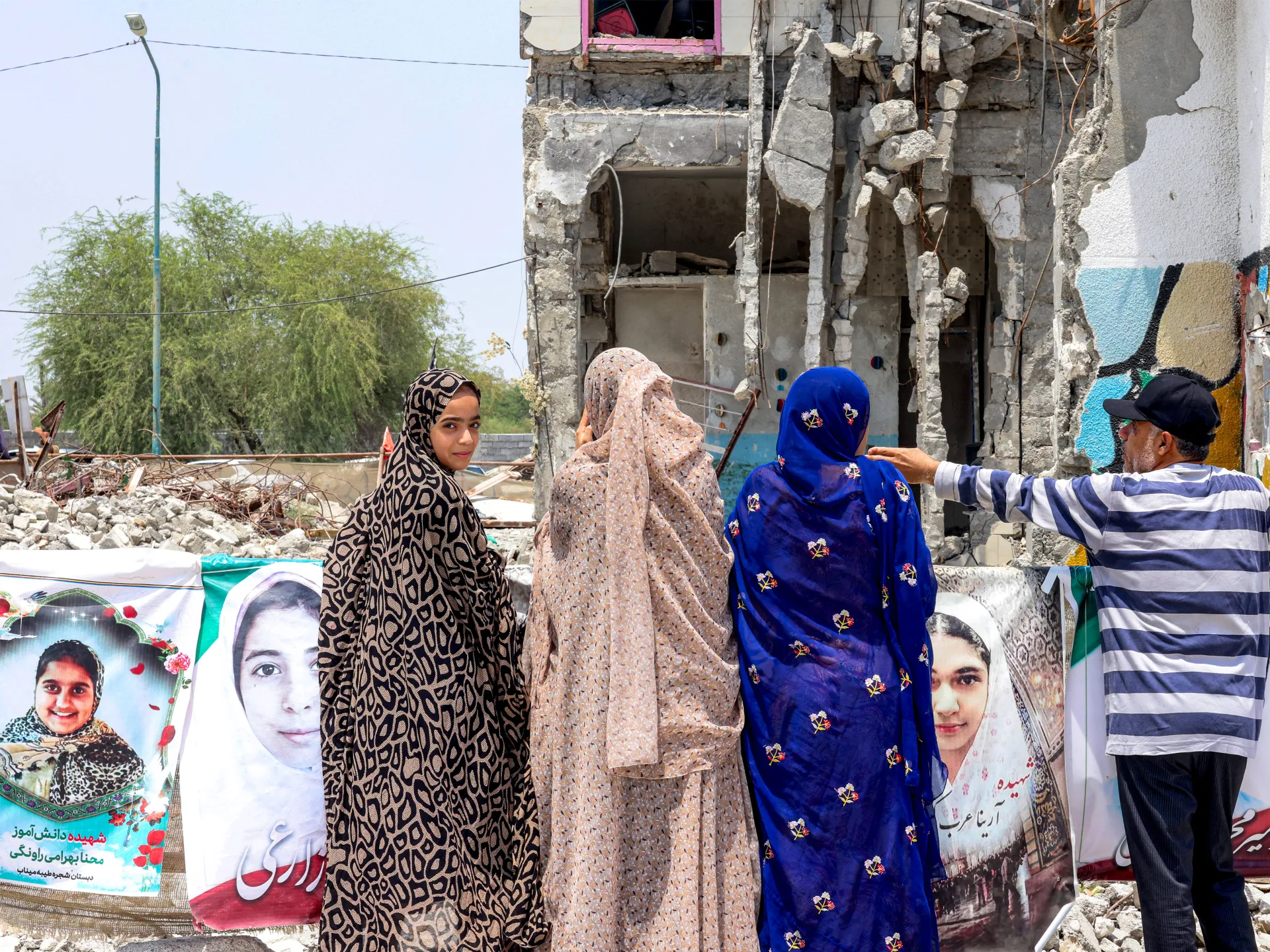
Families in Iran struggle to find normalcy as school restarts amid regional military threats and harsh political rhetoric.
Iranian students return to their classrooms this week under a dark cloud of war. Many schools remain damaged from recent strikes in the southern provinces. Families struggle to keep life normal while regional conflict persists.
Meanwhile, international leaders exchange harsh words about the future of the Middle East. President Donald Trump recently suggested Iran refuses to make a necessary deal. He also issued a stark threat to bomb Oman during his latest public remarks.
Why this matters
This situation creates deep worry for regular people living in the region. They fear that political posturing will lead to further destruction of their homes and schools. The instability forces many citizens to choose between staying in danger or fleeing abroad.
Also, the threat against Oman adds a new layer of panic to global shipping and diplomacy. Policymakers worry that expanding the war zone will hurt the global economy. Most families just want safety and a chance to live without the constant threat of missiles.
The human cost of conflict
Parents in Minab walk their children past ruined buildings on the way to class. These children face physical risks every single day. Education suffers when classrooms are missing roofs or have shattered windows.
However, some citizens still try to carry on with their daily routines. They shop at markets and gather in public squares to show resilience. These small acts of normalcy provide a brief escape from the harsh reality of their surroundings.
Still, many people find it impossible to go back home once they leave. Prominent figures like Leila Farzad describe the situation as too dangerous for travel. They warn that the climate inside the country has become unpredictable and hostile for many.
Political escalation and rhetoric
President Trump maintains that current negotiations with Iran will not reach a peaceful end. He believes the country is not acting in good faith. His rhetoric signals a potential shift in how the United States approaches the region.
Next, the threat to Oman suggests that the conflict could spread well beyond Iranian borders. This move puts extra pressure on nearby nations to pick sides. Regional leaders must now decide how to protect their own citizens from this growing storm.
How we got here
- August 2026: Military strikes cause significant damage to the Shajareh-ye Tayyebeh Elementary School in Minab.
- September 2026: Students attempt to resume their studies despite the visible destruction in their local communities.
- Late September 2026: President Trump publicly claims that Iran will not accept a deal and threatens to bomb Oman.
- Ongoing: Travelers like Leila Farzad report that returning to Iran has become far too dangerous to attempt.
What happens next
Experts expect further diplomatic tension as world leaders respond to these threats. The international community will likely call for cooler heads to prevail. These groups fear that any further military action will cause a humanitarian disaster.
Finally, the people of Iran must wait to see if the rhetoric leads to actual military changes. Many families will continue to seek ways to stay safe while the political landscape remains volatile. Peace remains a distant goal for those caught in the middle of this standoff.