

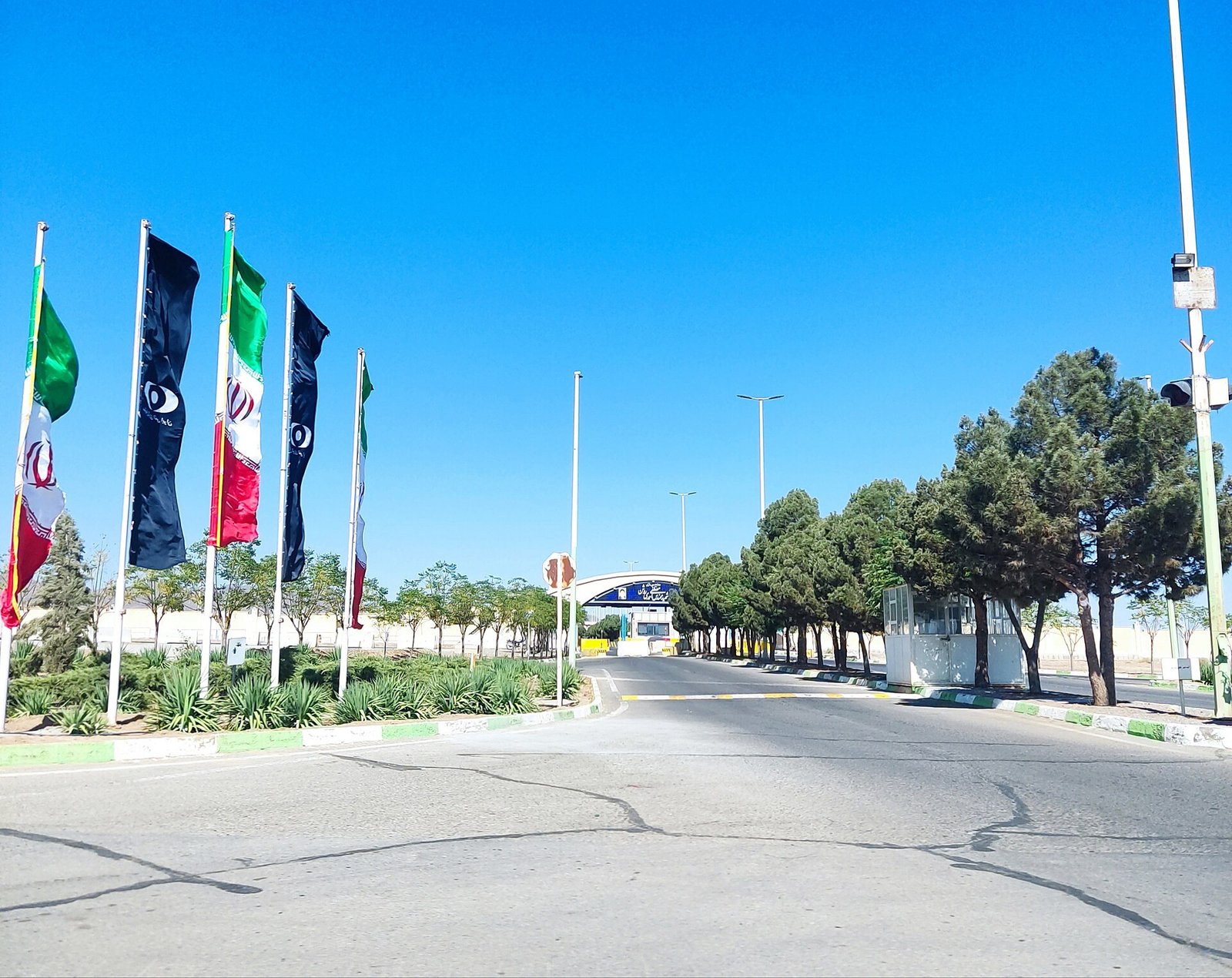
Iran will not let United Nations inspectors visit its damaged nuclear facilities until the Middle East war has permanently ended and the United States meets its conditions, a senior Iranian official said on Sunday.
Key Points
- Iran IAEA inspections — Deputy Foreign Minister Kazem Gharibabadi said: “We will not grant the IAEA access to the facilities until Iran’s conditions are met and the war has permanently ended.”
- The remarks came days after the International Atomic Energy Agency urged Tehran to take steps towards resuming inspections, which have been suspended since last year’s 12-day war with Israel.
- IAEA inspectors visited Iran’s Bushehr nuclear power plant in September but have not gained access to other bombed sites, including Natanz, Fordow and Isfahan.
- Gharibabadi alleged the agency’s request was “likely aimed at assessing the effectiveness of American weaponry”.
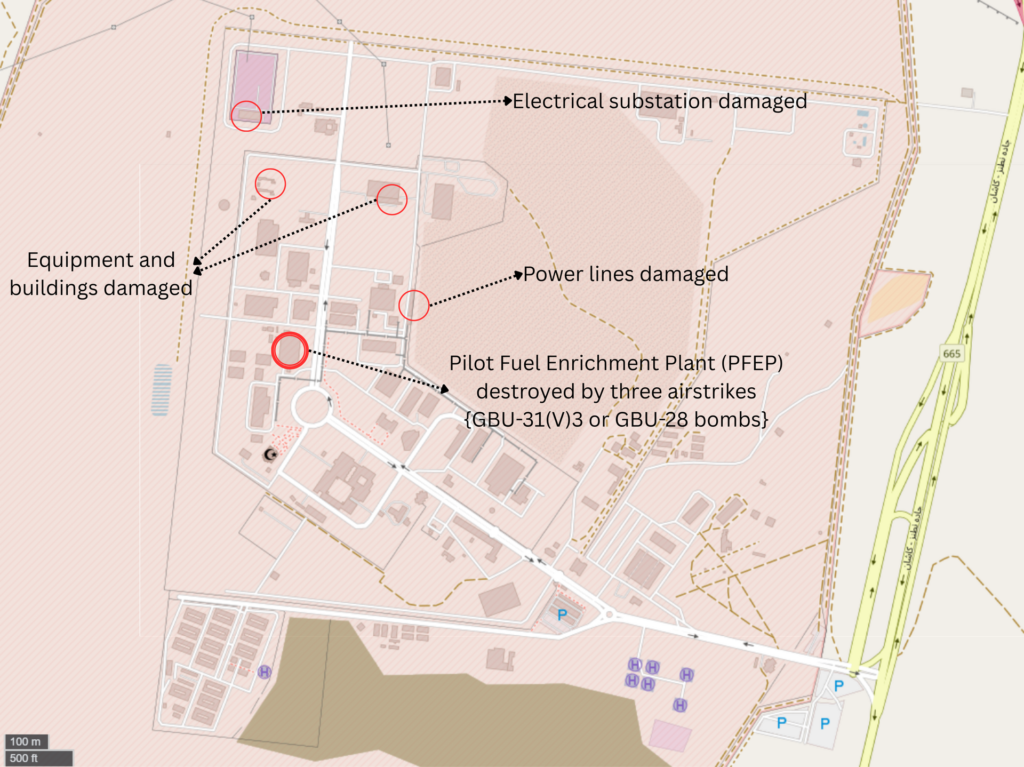
The refusal closes the door, for now, on any independent check of what happened to Iran’s nuclear programme. Iranian nuclear sites were hit during the 12-day war with Israel last year, when the United States also struck Iranian nuclear sites, and hit again during the current conflict, which broke out on 28 February when US-Israeli strikes killed Iran’s supreme leader, Ayatollah Ali Khamenei. With inspectors shut out, the agency cannot independently establish the condition of the damaged sites or the status of the nuclear material held there.
The IAEA said in a recent quarterly report to member states that it is increasingly concerned about Iran’s refusal to let inspectors visit an underground enrichment facility at Isfahan, where it does not know the facility’s exact location. The Bushehr visit in September was the exception: inspectors were allowed into the power plant, but not into the enrichment sites at Natanz, Fordow and Isfahan that were bombed.
A condition tied to the war itself
By making access conditional on the war ending permanently, Tehran has set a much higher bar than a procedural agreement. Gharibabadi’s framing also casts doubt on the agency’s motives, suggesting its request is less about safeguards than about measuring how well American weapons performed against the sites. Efforts to end the Middle East war have made little headway, which means the inspection freeze could last for some time.
The standoff sits inside a wider escalation around the Gulf. In recent days Iran has claimed a string of attacks on oil tankers in the Strait of Hormuz, and the United States has moved a third aircraft carrier into the region. The nuclear question adds a longer-term worry: without inspectors on the ground, neither the agency nor the outside world can verify what remains of Iran’s enrichment capacity, or where its nuclear material now sits.
What happens next depends on diplomacy that has so far produced little. The IAEA will keep pressing for access, and Iran will keep tying it to an end to the war and to American concessions it has not spelled out in public. Until one side moves, the world’s nuclear watchdog will be watching Iran’s programme from the outside.
For background on the tanker attacks, see our report on four oil tankers burning after hitting naval mines in the Strait of Hormuz, and on two more tankers hit as Iran claims six sunk since Sunday. More in our World News section.
Sources: Dawn, “Iran refuses to let nuclear inspectors in until war ends” (https://www.dawn.com/news/2045066/iran-refuses-to-let-nuclear-inspectors-in-until-war-ends); Al Arabiya, “Iran rules out UN inspections of damaged nuclear sites until war ends” (https://english.alarabiya.net/News/middle-east/2026/11/16/iran-rules-out-un-inspections-of-damaged-nuclear-sites-until-war-ends).