
International authorities investigate a mid-air flight attack while thousands of migrants return to Zimbabwe amid rising social tensions.
Why this matters
Recent events in both the Middle East and Southern Africa show how quickly order can break down. In one case, a single person endangered hundreds of lives on a commercial flight. In another, thousands of people feel forced to leave their homes due to social tension.
These stories highlight the fragility of modern safety. They also show how borders and rules fail to protect people during sudden crises. Governments must now decide how to handle these complex security and human rights issues.
Also, these events force us to look at how we track visitors and migrants. Countries often struggle to balance open travel with the need for strict security. When these systems fail, the results can be dangerous or even deadly for innocent people.
Furthermore, the economic impact on nations remains a major concern. Countries face the challenge of integrating returnees or vetting foreign workers. These burdens often fall on local communities that are already struggling to provide enough jobs and services.
The Mid-Flight Emergency
A scary incident occurred on a recent flight from Dubai to Tel Aviv. A co-pilot allegedly attacked the main pilot with a crash axe. The plane dropped 17,000 feet during the struggle.
Then, passengers stepped in to help. They managed to overpower the co-pilot and secure the cockpit. Two reserve pilots finally landed the plane safely in Saudi Arabia.
Meanwhile, officials in Australia are now investigating the suspect. They want to know if he spent time in their country. Reports suggest he studied in Australia years ago.
However, the suspect’s visa was cancelled in 2019. Counter-terrorism teams are checking for any ties to radical groups. The UAE prosecutor continues to lead the formal investigation into the attack.
Displacement in Southern Africa
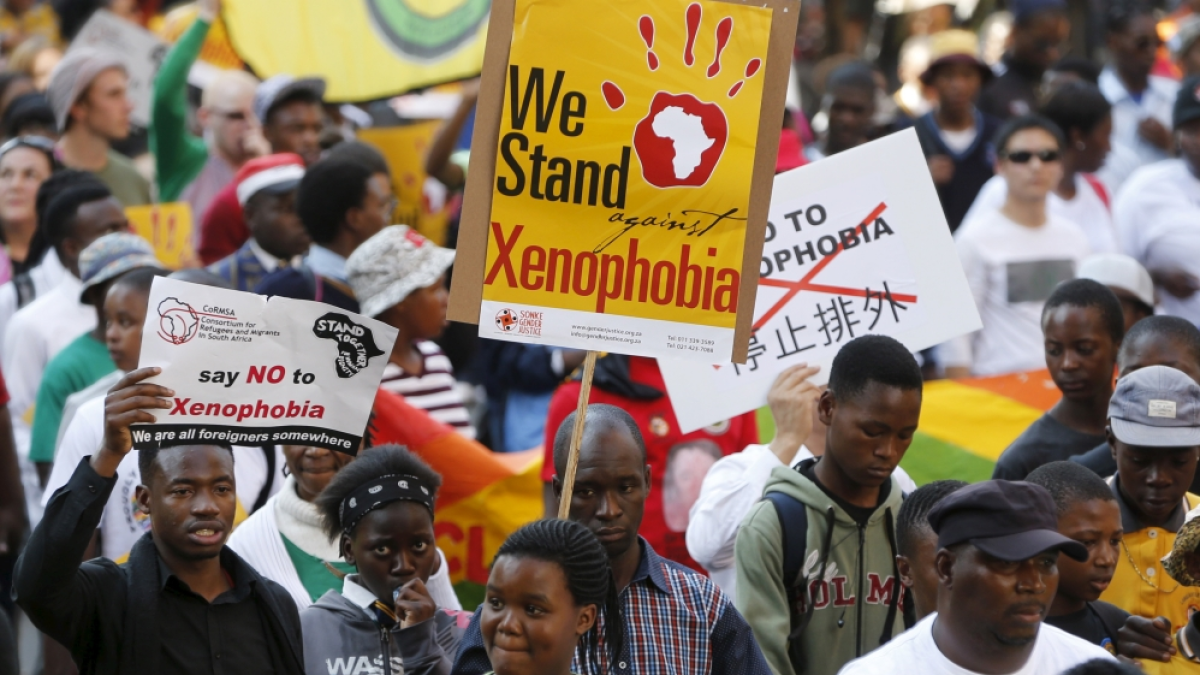
Thousands of Zimbabweans recently left South Africa in a hurry. They feared violence after activists set an anti-immigrant deadline. Many people felt they had no choice but to return home.
Next, the Zimbabwean government began tracking the returnees. Over 116,000 people arrived back in the country by late July. Most of these people returned on their own without state help.
After that, many families faced a difficult reality. They found few jobs and little support in their home country. Some returnees struggle to find basic necessities like food and shelter.
Finally, local leaders are trying to bridge the gap. They are screening returnees to match their skills with jobs. The government hopes this helps people survive the tough economic climate.
How we got here
- 2014-2017: The suspect in the flight attack reportedly studied in Australia.
- 2019: Australian officials cancelled the suspect’s student visa.
- June 2026: Anti-immigrant activists in South Africa set a deadline for migrants to leave.
- June 30, 2026: Many migrants fled South Africa due to fears of violence.
- September 30, 2026: A co-pilot attacked a pilot on a flight from Dubai to Tel Aviv.
- July 28, 2026: Over 116,000 Zimbabweans officially returned home from South Africa.
What happens next
Saudi authorities will likely continue questioning the co-pilot. They must determine his exact motive for the violent attack. This information will help international agencies understand how to prevent similar future threats.
Also, Australian police will finish their deep look into the man's history. They will report their findings to the public soon. This could lead to tighter rules for student visas and travel.
Finally, the Zimbabwean government must improve its support for the many returnees. If jobs do not appear, poverty will likely rise in the region. Officials continue to explore vocational training to solve this problem.