
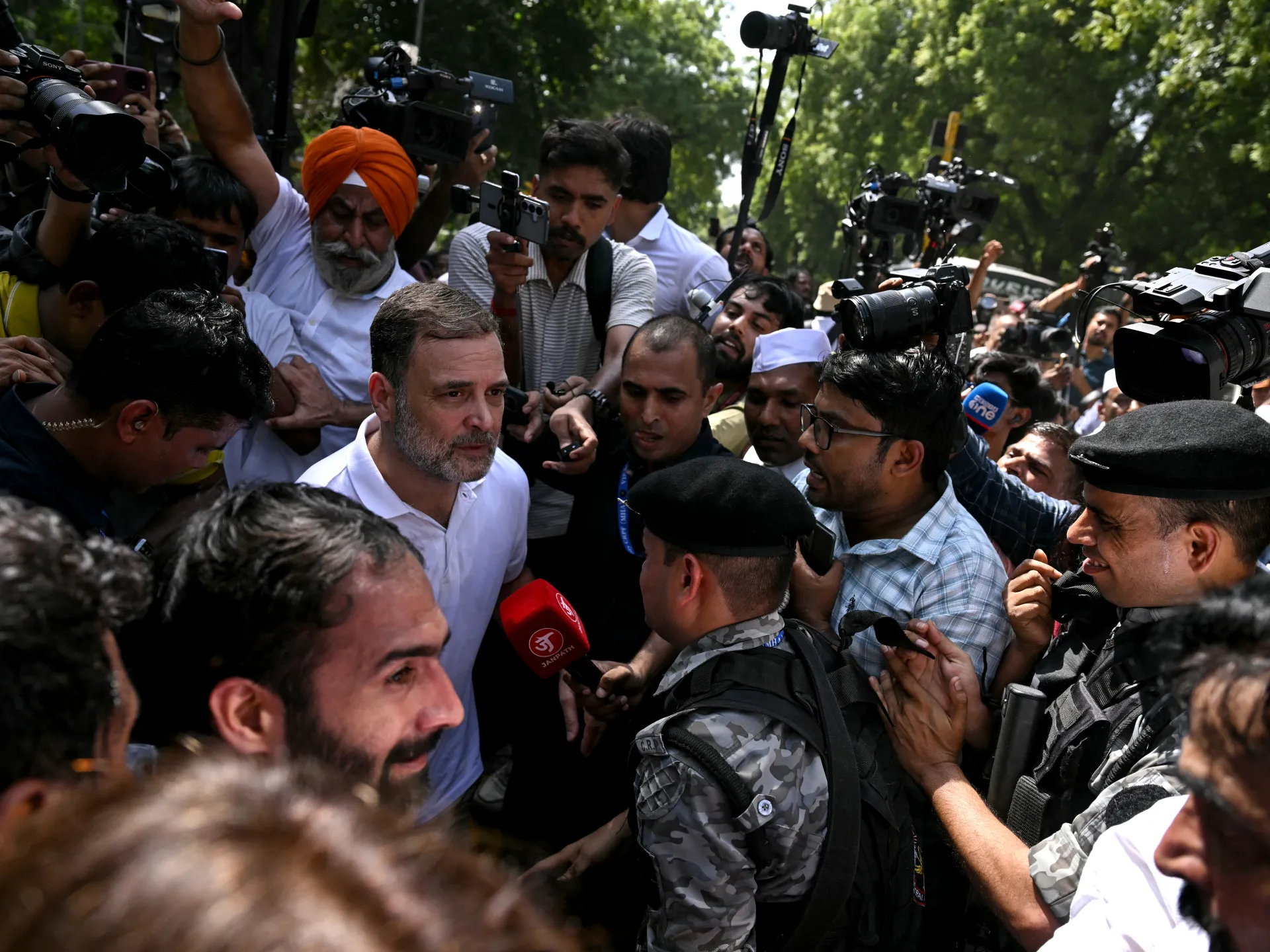
Indian opposition leaders held protests against the election chief over changes to voter lists, as youth groups also joined the cause.
Why this matters
This protest highlights a deep split in Indian politics. Opposition leaders fear for the fairness of future elections. They worry that current voter lists favor the ruling party. These concerns strike at the heart of democratic trust.
Also, the unrest grows beyond just politicians. Young activists now join the cause in major cities. They use digital tools to organize their crowds. This creates a new, complex challenge for the government.
Furthermore, internal reports suggest tension within the Election Commission itself. Two commissioners reportedly objected to past decisions. These reports fuel claims of a lack of transparency. The public now demands more clarity from the top office.
Opposition leaders challenge election process
Police detained several opposition lawmakers in New Delhi on Monday. The group marched toward the Election Commission headquarters. They demanded the resignation of Chief Election Commissioner Gyanesh Kumar. The police quickly moved the protesters into transport buses.
Meanwhile, the leaders did not stay detained for long. They returned to the street after their brief arrest. The lawmakers held a sit-in near the agency building. They refuse to move until their concerns receive attention.
However, the Election Commission defends its current work. They call the voter roll revision a standard exercise. They aim to remove duplicate names from the official lists. The agency says over 130 million names were removed.
Still, critics claim many legal voters lost their rights. They argue the process happens behind closed doors. The opposition wants an independent review of the changes. The current standoff shows no signs of ending soon.
Growing pressure on election leadership
A group called the Cockroach Janta Party joined the protests. This Gen Z movement started in Mumbai and Delhi. They use satire to criticize the commission's choices. The group plans more demonstrations for later this week.
Also, media reports have added heat to the fire. An investigation suggests the election chief acted without his peers. Two other commissioners allegedly raised concerns many times. These reports make the opposition feel more confident.
Finally, the ruling Bharatiya Janata Party denies all bias claims. They say the election process remains fair and open. They view the protests as a political stunt. The government shows no interest in replacing the chief.
How we got here
- June 2025: The Election Commission starts a special revision of voter rolls in Bihar.
- Late 2025: The revision process expands to cover other parts of India.
- Recent Months: Reports surface about internal disputes between top election commissioners.
- October 2, 2026: A youth group holds demonstrations to demand the election chief resign.
- October 6, 2026: Police detain opposition lawmakers during a march in New Delhi.
What happens next
The opposition plans to continue its pressure campaign. A new round of protests starts on October 10. They hope to force an official response soon.
Next, the Election Commission faces a difficult test. They must decide whether to answer the specific allegations. Failure to respond could lead to more public anger.
Finally, legal experts might get involved in the fight. Courts may eventually review the voter roll changes. The outcome could change how India manages its future elections.