

Google has put its newest AI model behind Search for every user in the world, and opened preorders for its first smart glasses — two launches on the same day that show how fast the company wants its assistant to reach people.
Key Points
- Gemini 4 Hydrogen — Google launched the fast, lower-cost model on 12 November and made it the model behind Google Search worldwide the same day.
- Hydrogen runs 2.5 times faster than Gemini 3.8 Flash, scores 51 on the Artificial Analysis Intelligence Index, and costs $1.50 per million input tokens.
- Google opened preorders for its Intelligent Eyewear with Gemini, with Warby Parker frames from $395 and Gentle Monster frames from $449. Sales begin on 10 December.
- The glasses weigh about 41 grams, last about nine hours on a charge, and carry a 12-megapixel camera with live translation in more than 70 languages.
Hydrogen rounds out the Gemini 4 series, following Argon and Carbon. Google announced it in a post from Koray Kavukcuoglu, the company’s vice-president and chief AI architect, and deployed it the same day in Search, the Gemini app, Antigravity, Cursor and Devin. It takes over from Gemini 3.8 Flash as the default model for high-volume work, and sits below the Carbon and Argon frontier models in the family.
Hydrogen, the fast and cheap model
The numbers are the headline. Hydrogen completes tasks 2.5 times faster than Gemini 3.8 Flash, scores 51 on the Artificial Analysis Intelligence Index at its default “high” reasoning level — one point higher than Argon — and supports a one-million-token context window with four thinking levels. Pricing is $1.50 per million input tokens and $7.50 per million output tokens, the same across the whole context window.
Google calls the move its biggest model upgrade to Search yet. The model is now in Search for everyone worldwide, in the Gemini app for free users through automatic model selection, in Google Sheets initially for AI Pro and Ultra subscribers, and in Antigravity for paying Pro and Ultra subscribers. It handles text, audio, images and video, and its low price makes it viable for agent loops that fire hundreds of small requests per task.
Glasses you can preorder today
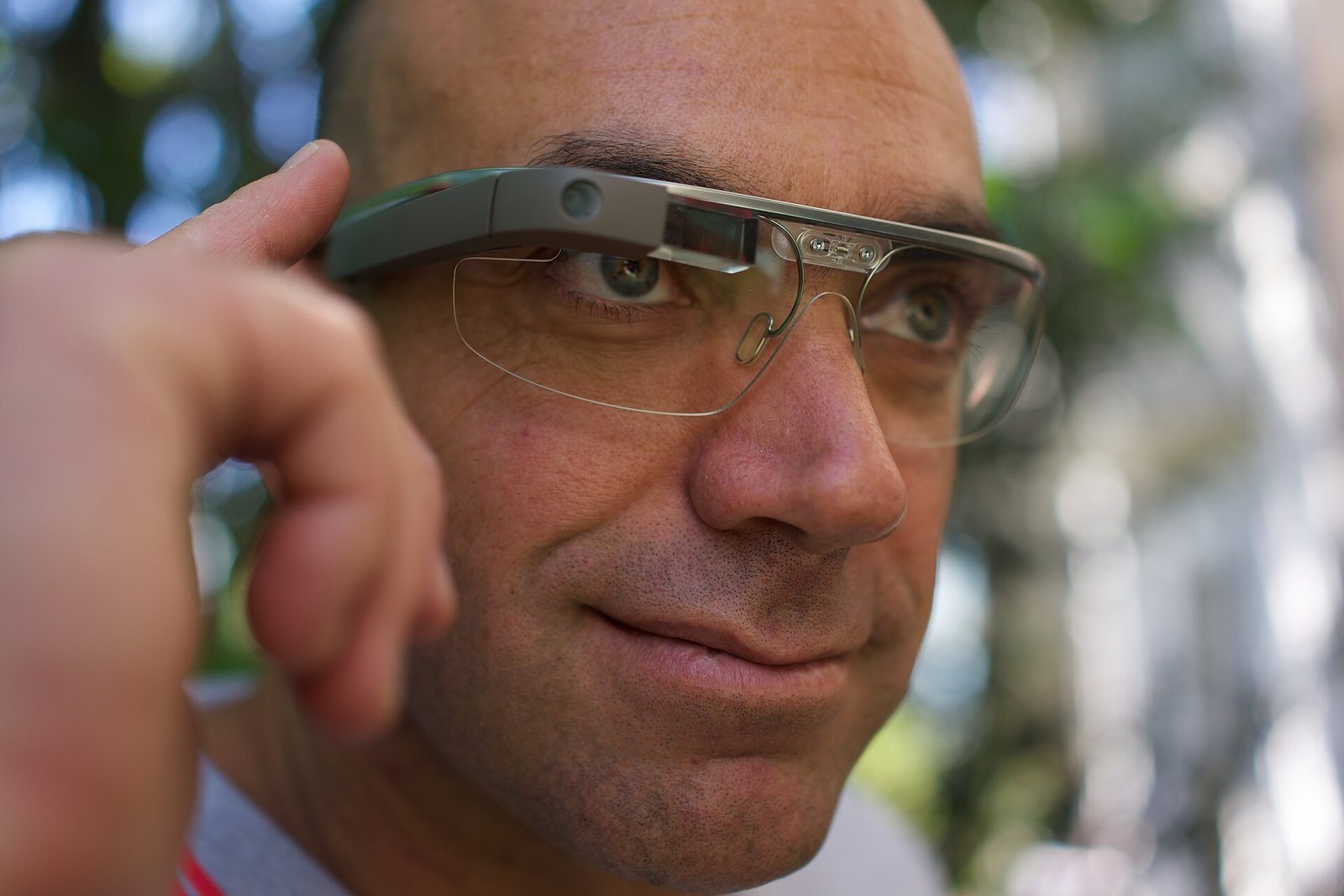
The second launch is the one people can wear. Google opened preorders for its Intelligent Eyewear on 12 November, in an announcement from Shahram Izadi, vice-president and general manager for XR. The glasses were designed with Warby Parker and Gentle Monster and engineered with Samsung, and they are the first consumer product powered by Android XR, Google’s mixed-reality platform.
Warby Parker’s line, with three styles as eyeglasses or sunglasses, starts at $395; Gentle Monster’s, with six designs, starts at $449, with most frames available with prescription lenses. The nine styles cost $395 to $489 in total, and go on sale in the United States and South Korea on 10 December. The hardware is one specification across both brands: about 41 grams, roughly nine hours on a charge, a 12-megapixel ultra-wide camera with HDR and image stabilisation, open-ear speakers, and a charging case that refills the frames up to seven times.
The glasses run on Gemini, so wearers can ask questions hands-free by voice or tap, get live translation, take notes and use computer vision. They work with Pixel phones from the Pixel 7 series, Samsung phones and iPhones from the iPhone 13 Pro, and include Guided Vision, a Gemini feature that describes what is in front of the wearer aloud for blind and low-vision users. On privacy, Google says what the camera sees for Gemini is not stored in Gemini history or used to train AI models or target ads, and nearby faces are redacted before video is processed. The glasses can only be used with Google accounts from the United States and South Korea, and require an account for users aged 18 or over.
For background on the AI race, see our report on OpenAI’s revenue hitting $10 billion in a quarter, and on Anthropic launching its faster, cheaper Claude models. More in our Technology section.
Sources: Dev.to, “AI Daily Digest November 13, 2026: Gemini 4 Hydrogen Goes Default, Google’s Gemini Glasses Open Pre-orders”; JLS42, “Google launches Gemini 4 Hydrogen, Inkling 2 Small goes open-weight, OpenAI opens Daybreak Red Team”.