A deadly naval training accident in Kazakhstan claims nine lives, while the U.S. celebrates the release of a missionary held captive in Niger for nine months.
The international landscape faced a stark dichotomy of tragedy and relief this week, as military authorities in Kazakhstan confirmed a lethal training accident in the Caspian Sea while U.S. officials celebrated the liberation of a long-held American hostage in West Africa. These disparate events highlight the persistent risks faced rs of naval combat drills or the existential threats posed
While the Kazakh military continues to scramble for survivors following a disastrous coastal exercise, the U.S. government has successfully secured the return of a citizen whose prolonged detention in Niger served as a focal point for debates regarding regional instability and the protection of international aid workers.
These two events underscore the varying nature of global security responsibilities. For Kazakhstan, the loss of life during routine military maneuvers raises critical questions about training safety protocols and environmental management within the Caspian region. Conversely, the release of Kevin Rideout in Niger serves as a diplomatic milestone that reignites discussions regarding U.S. foreign policy in the Sahel. The juxtaposition of these events reveals how nations must balance the modernization of their internal security forces with the complex, often non-state threats that complicate humanitarian and religious missions abroad.
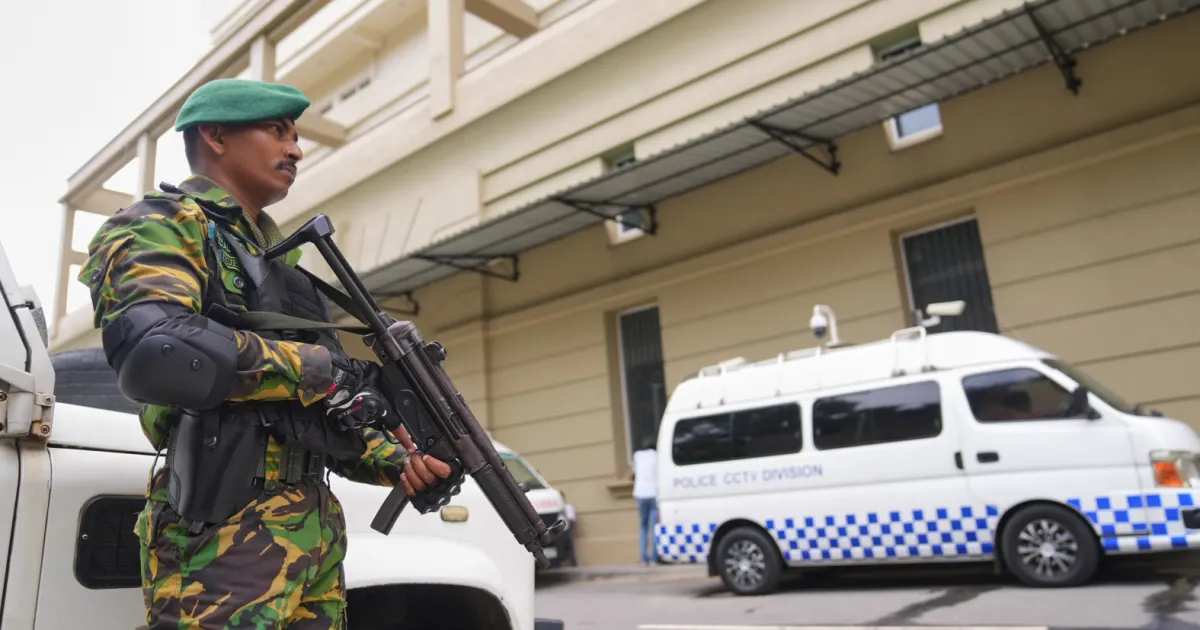
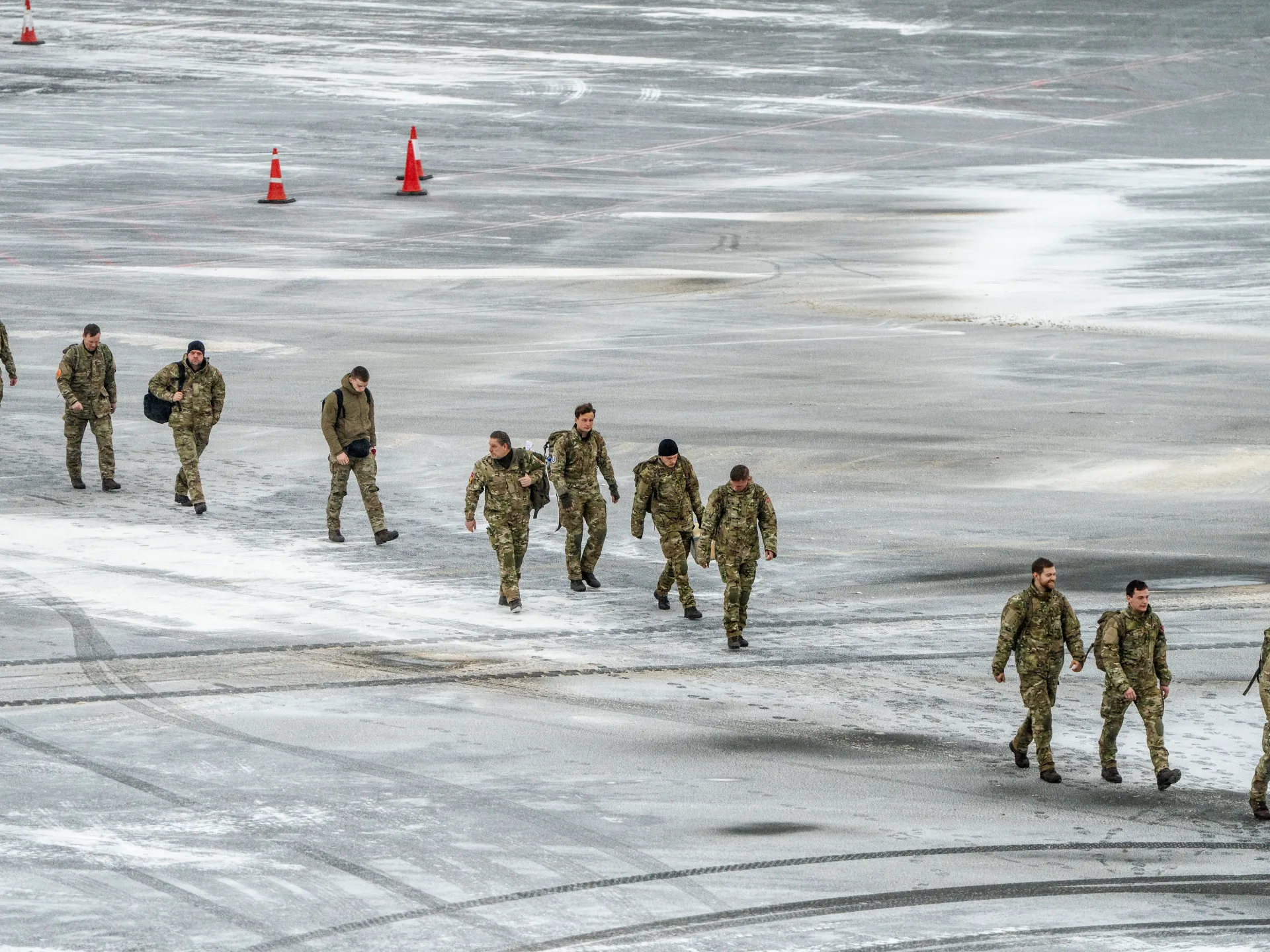
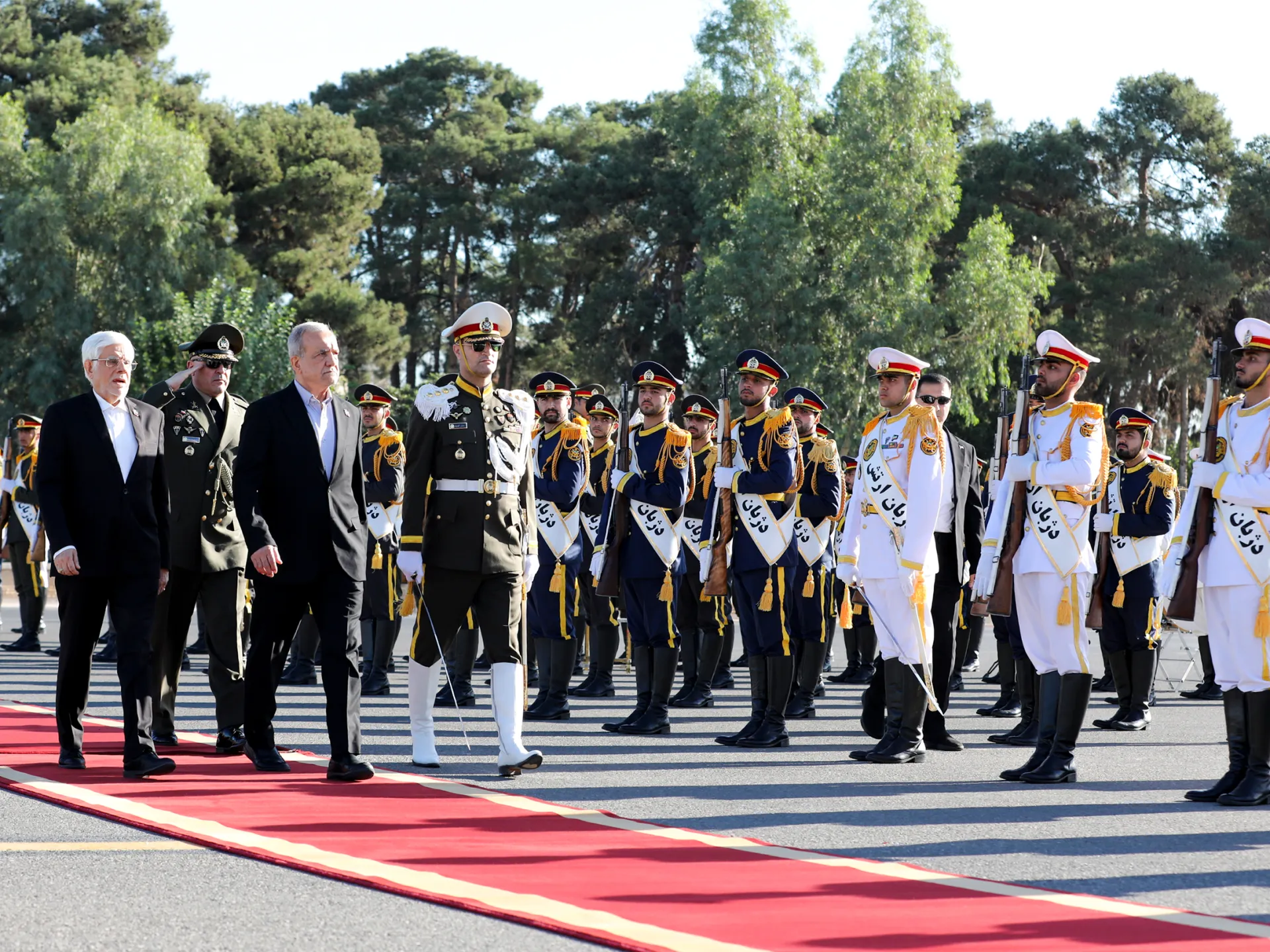
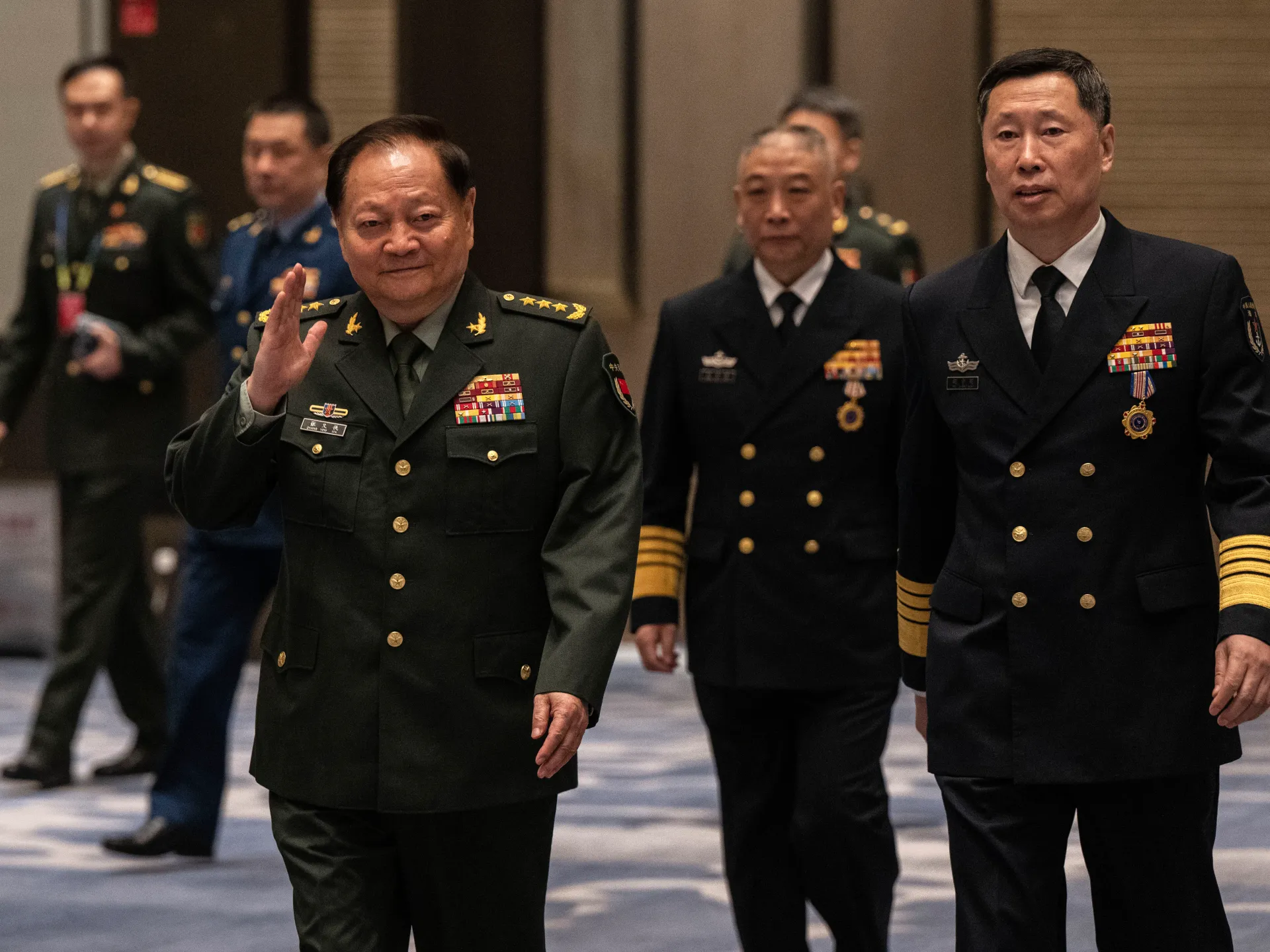
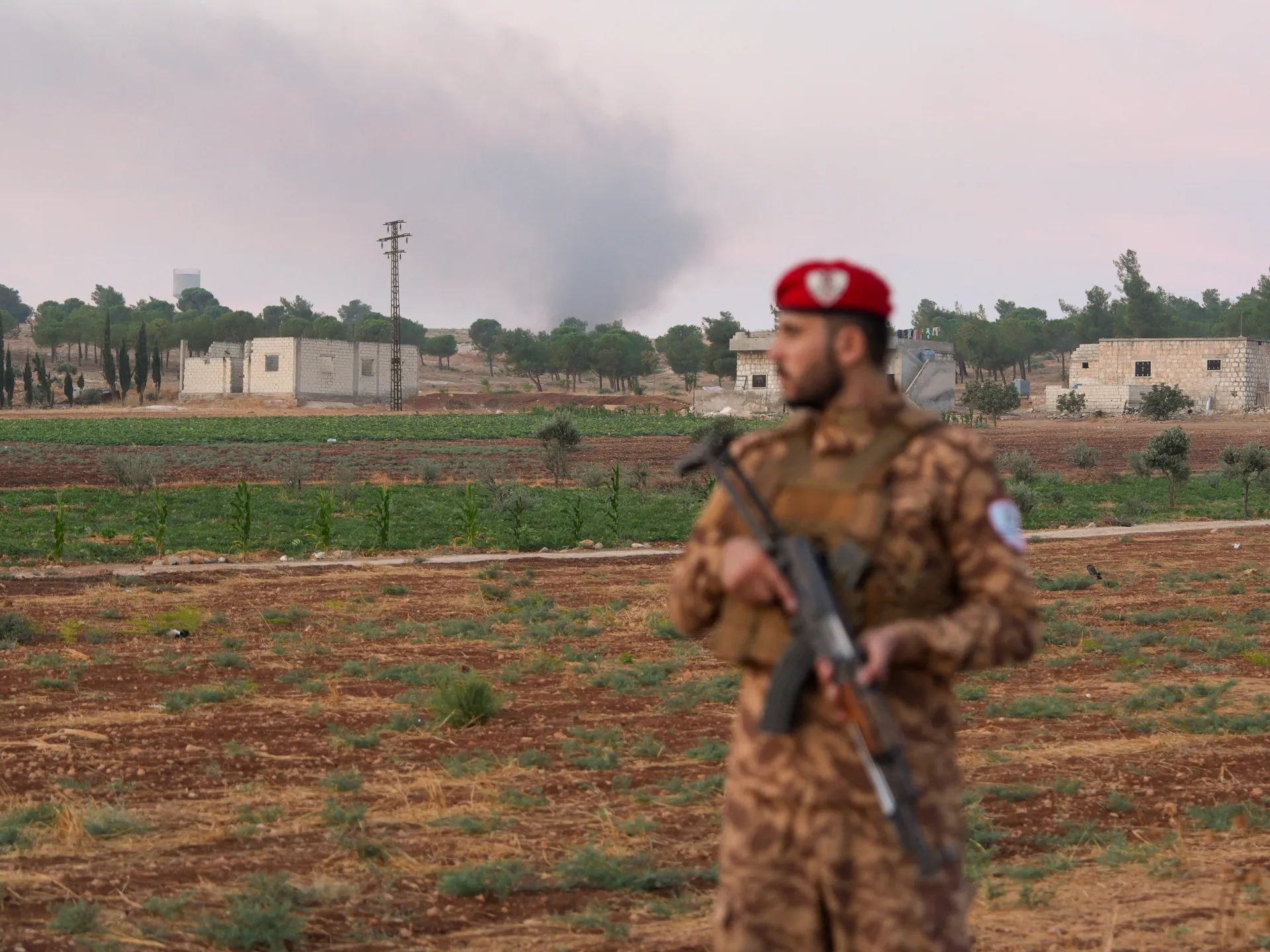
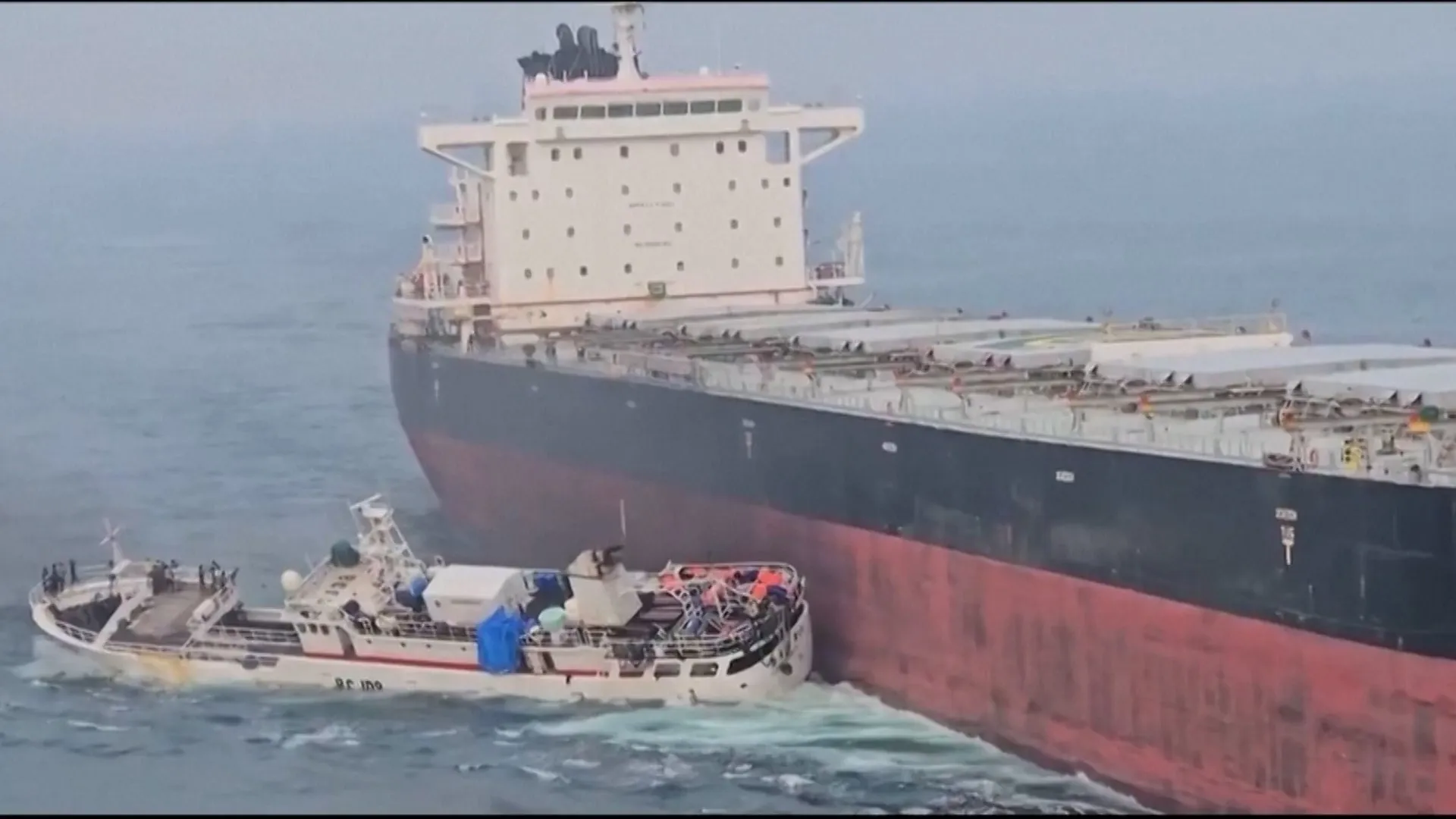
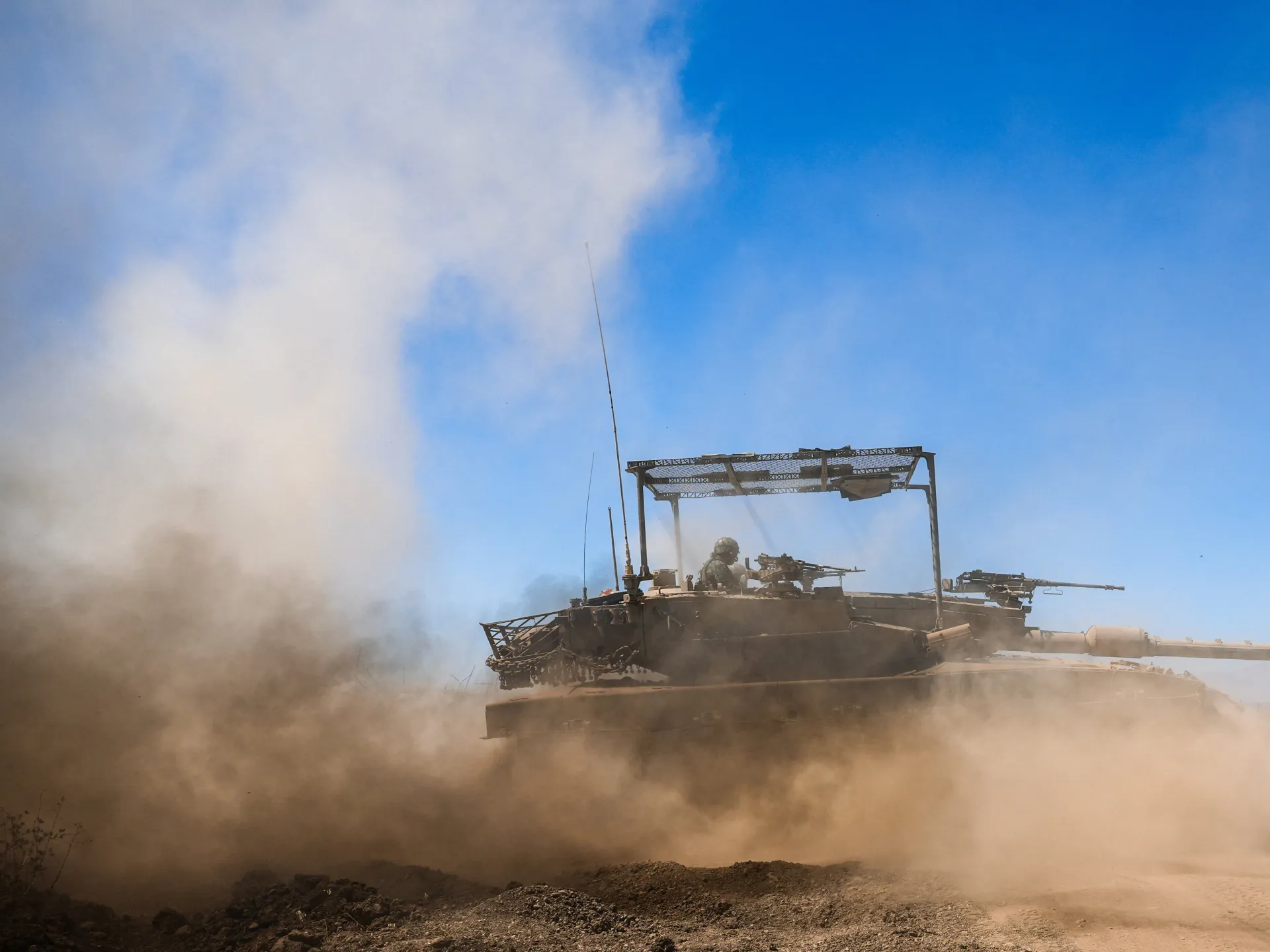
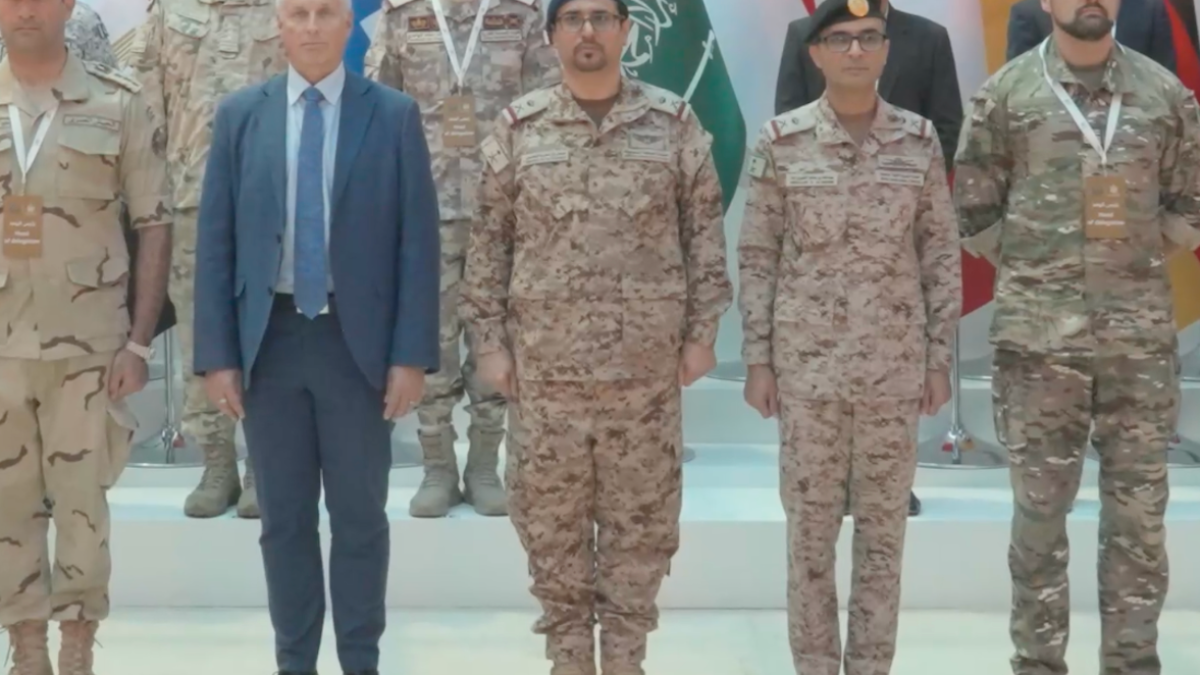
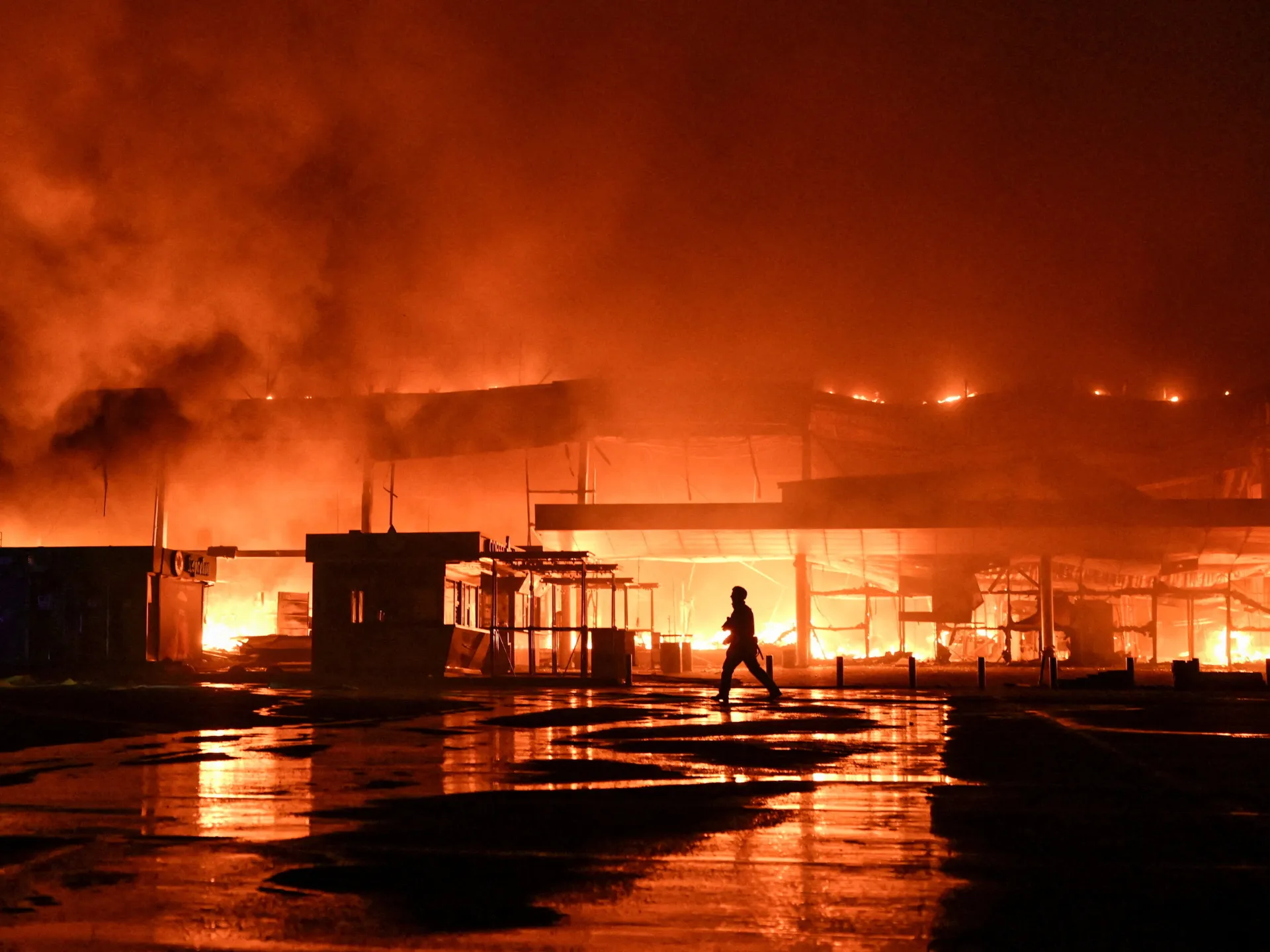
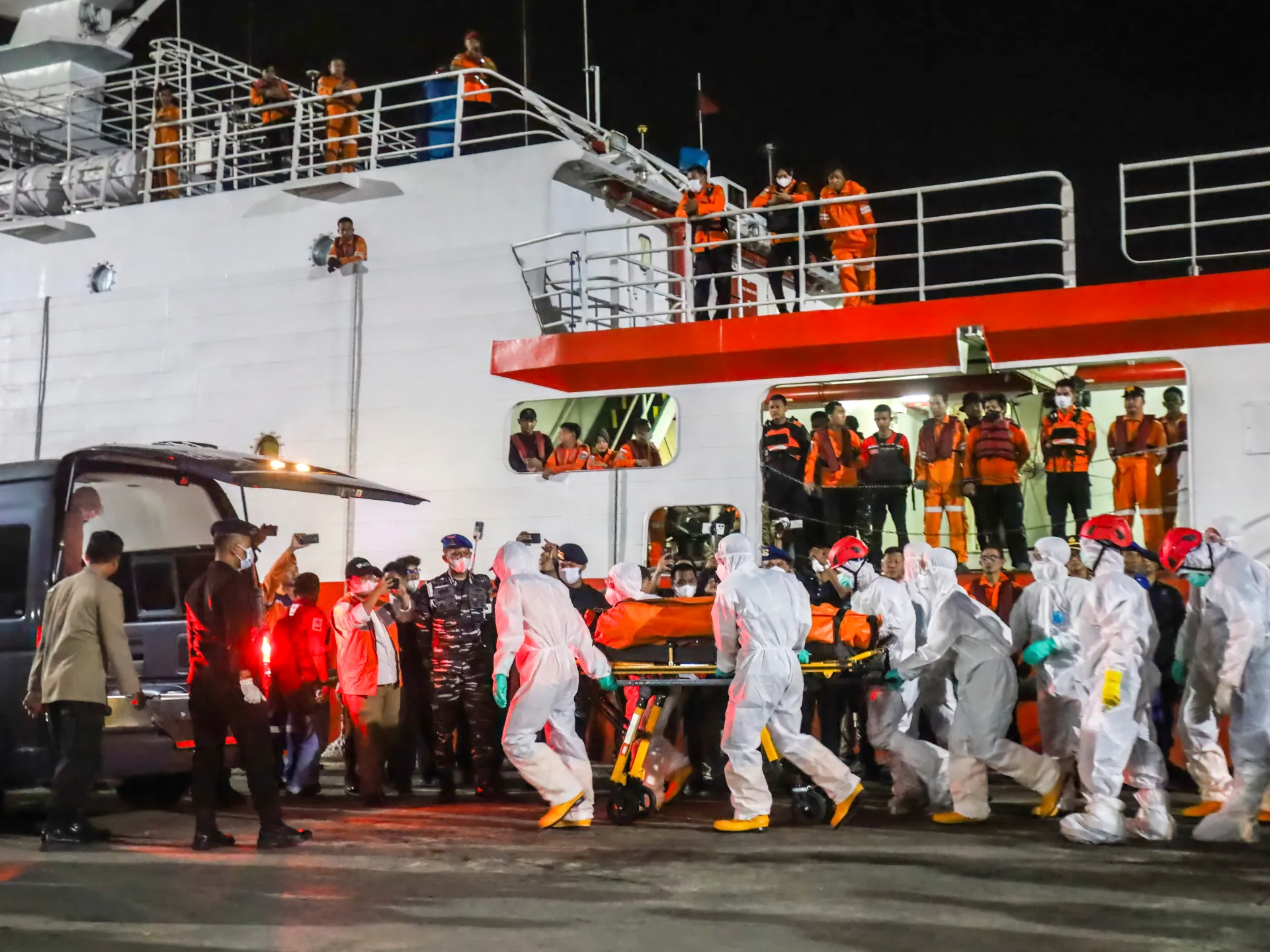
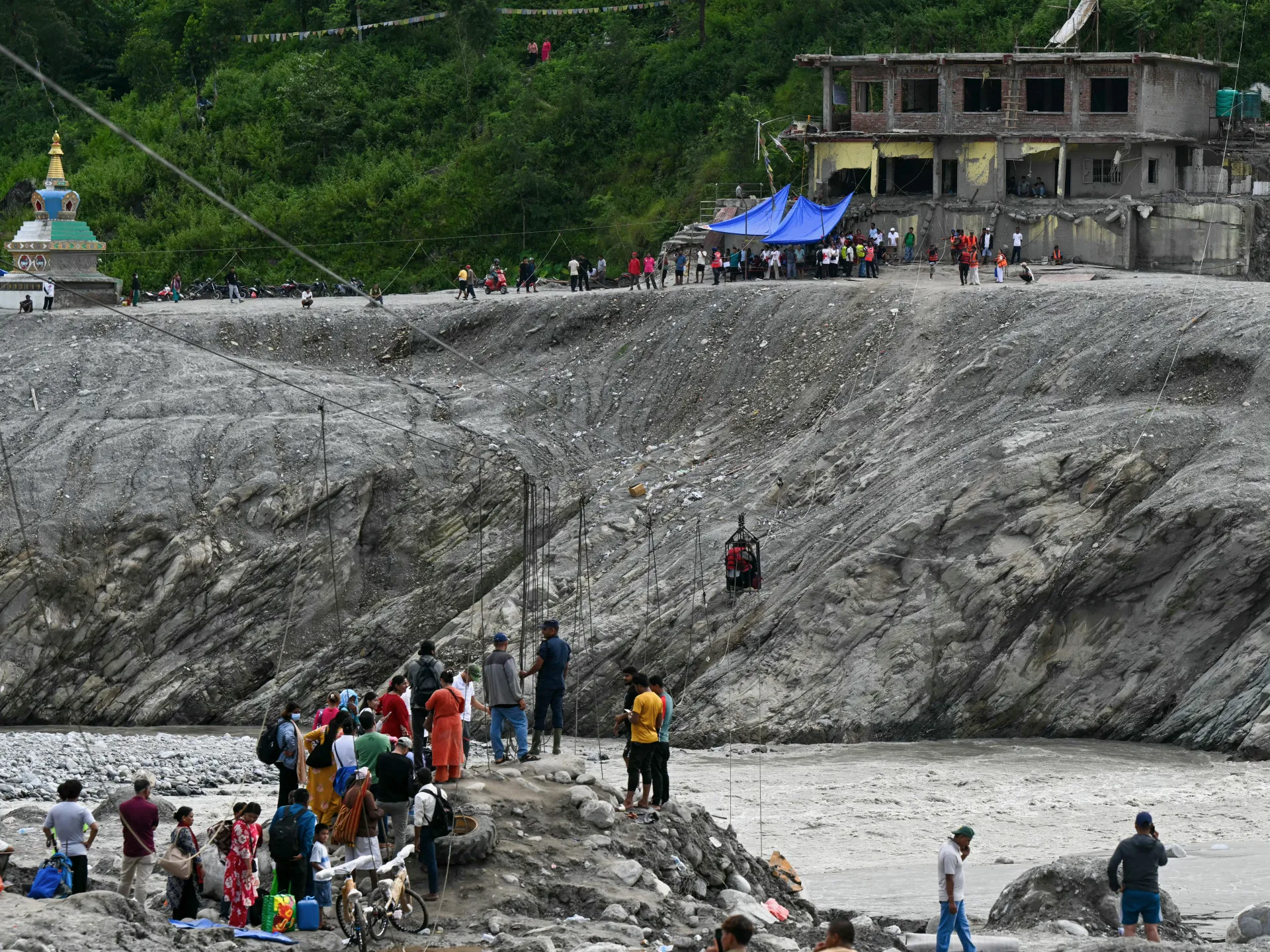
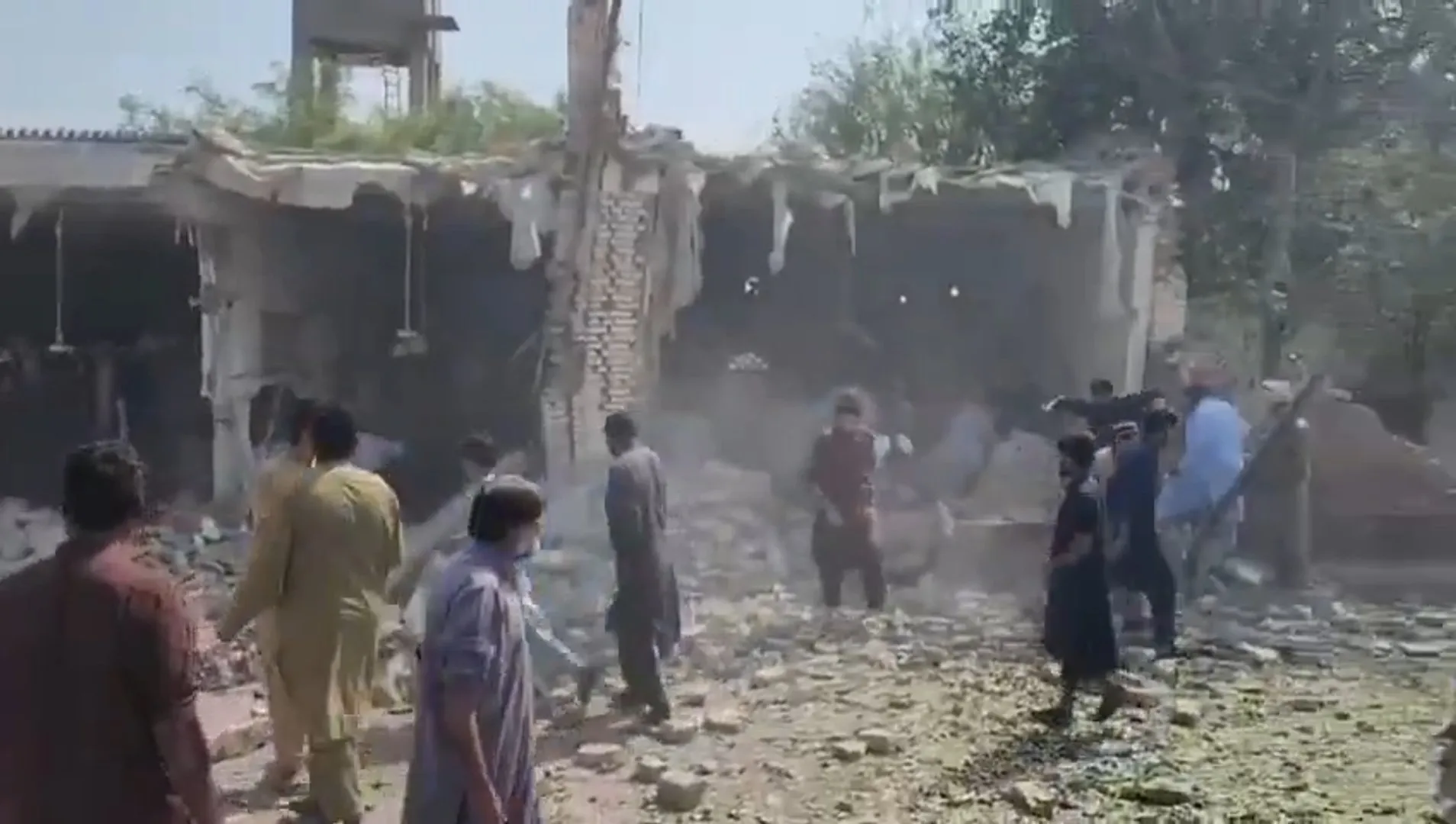
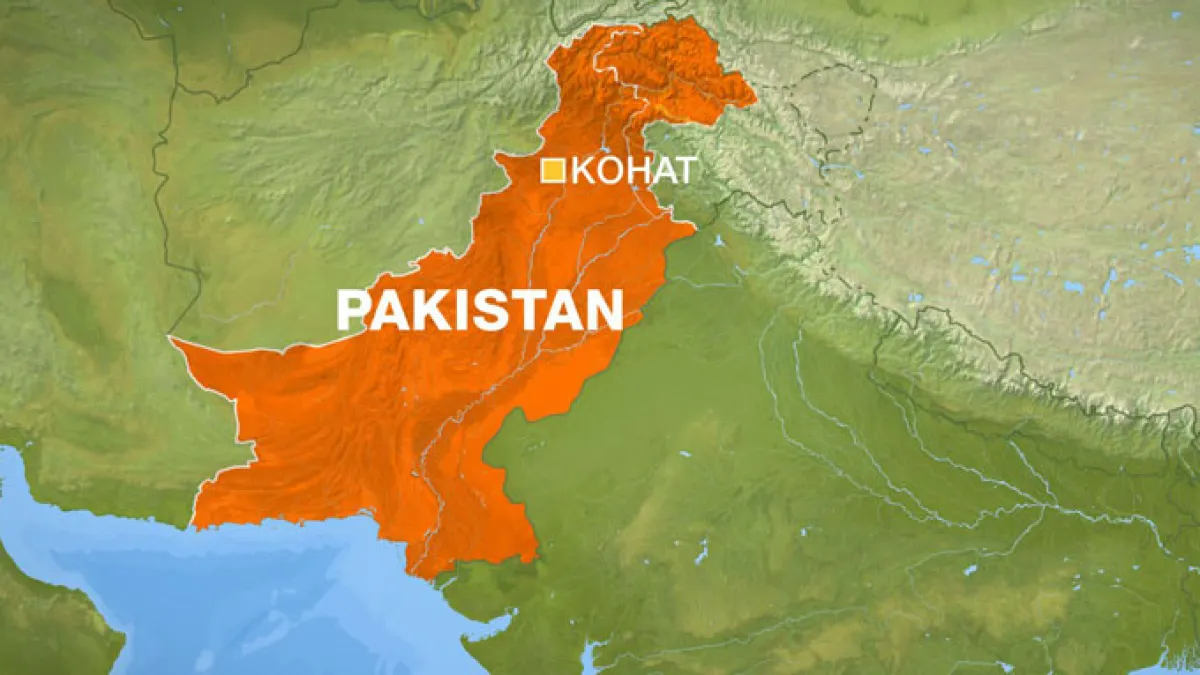
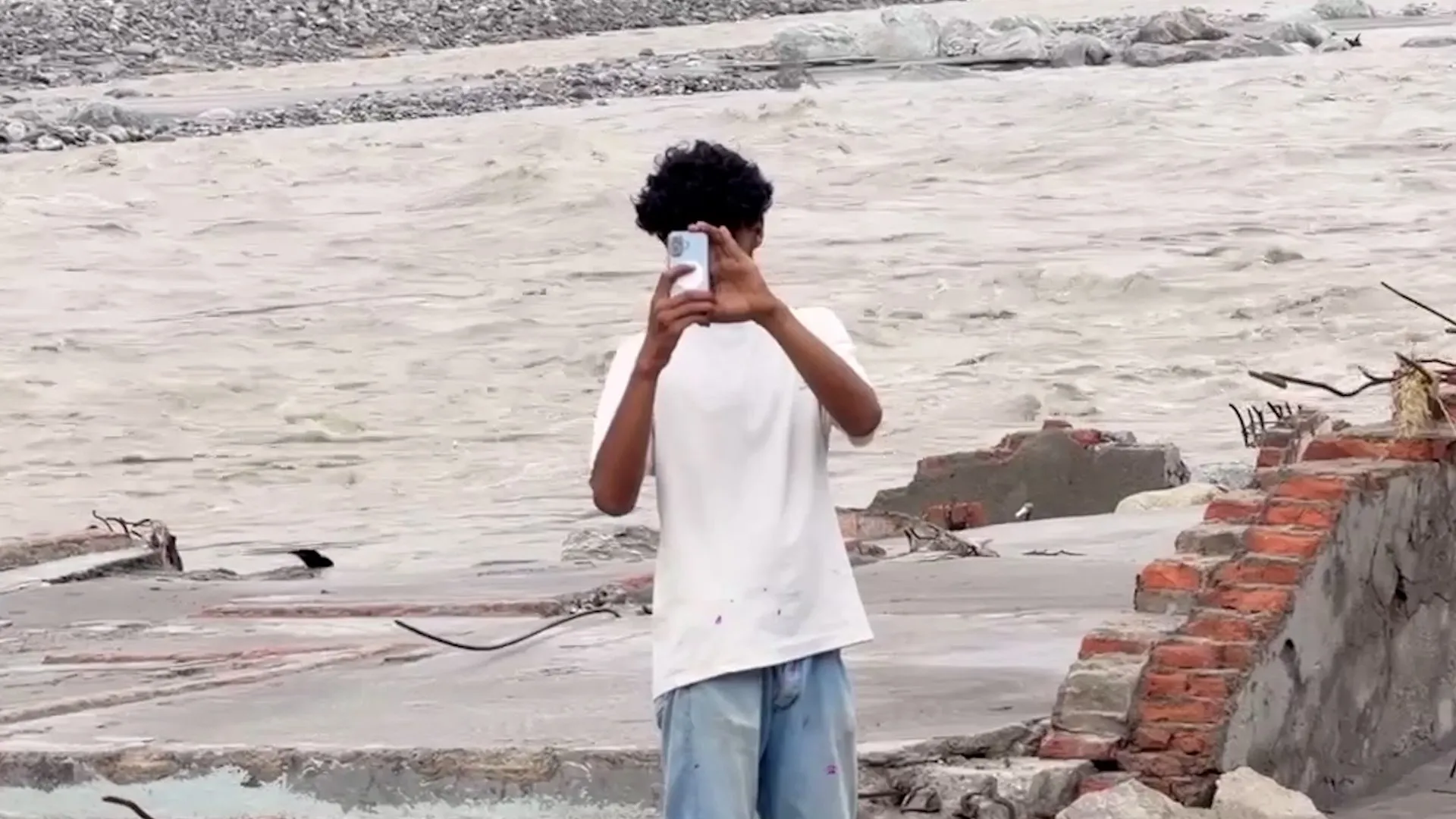
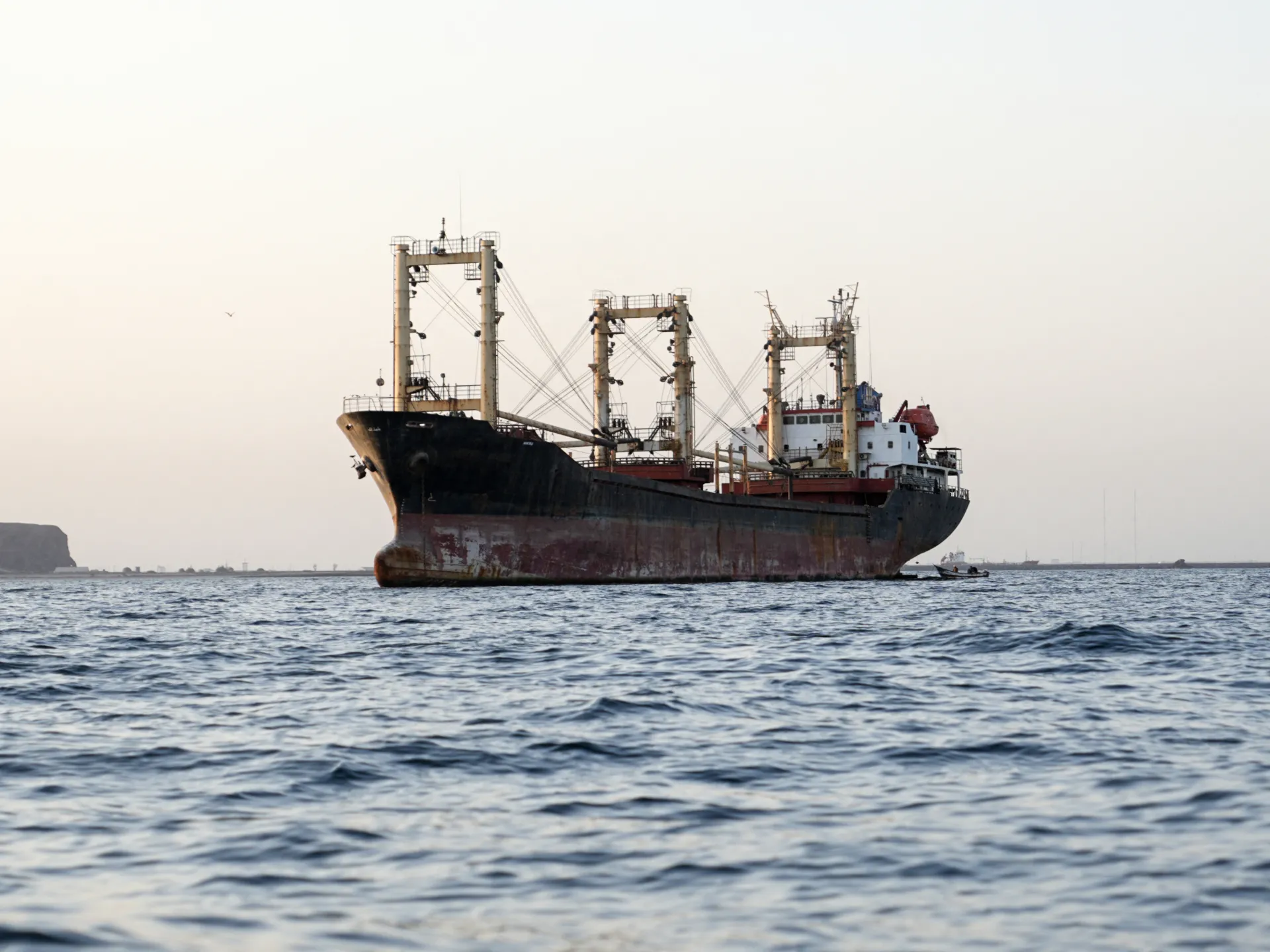
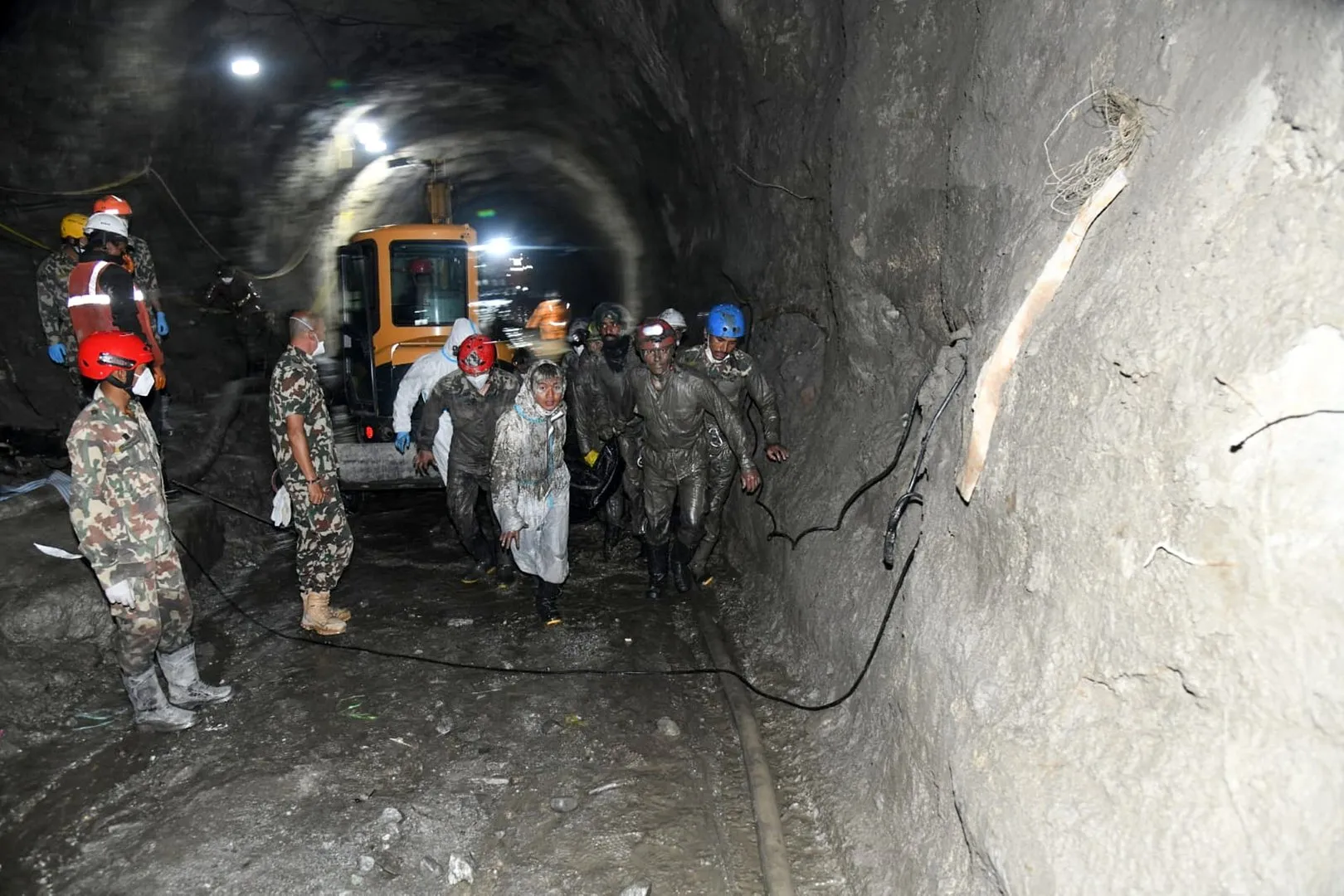
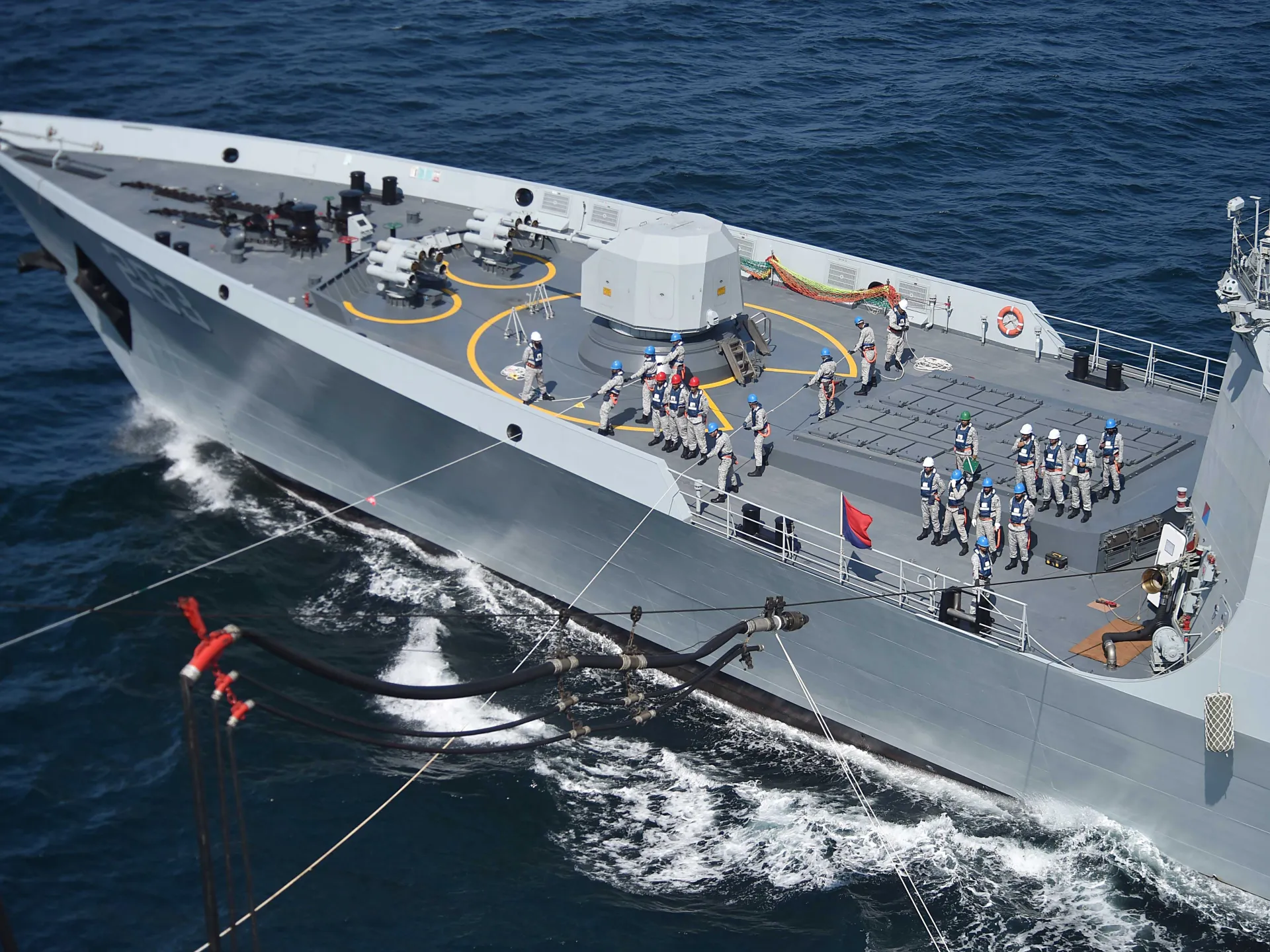
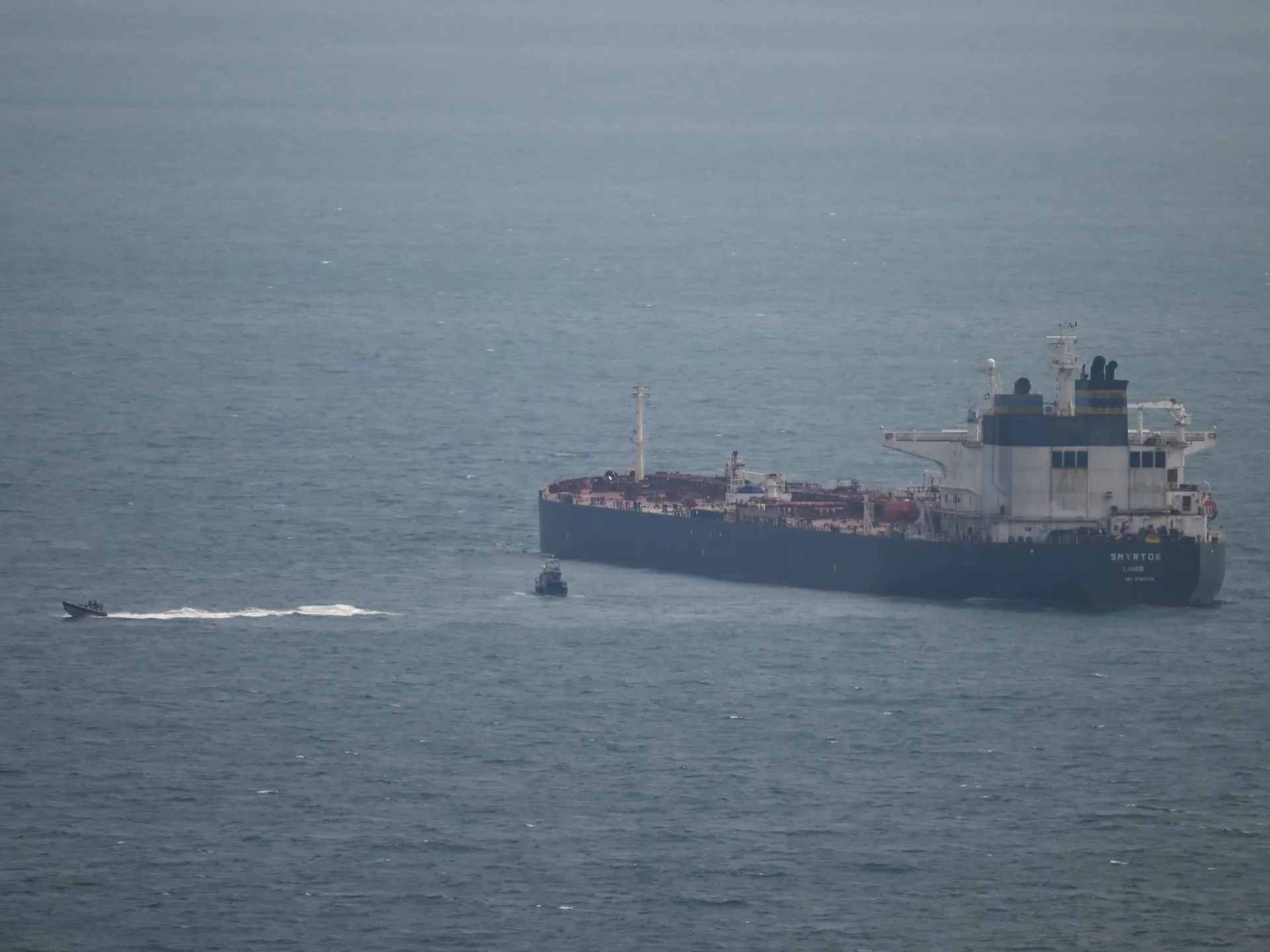
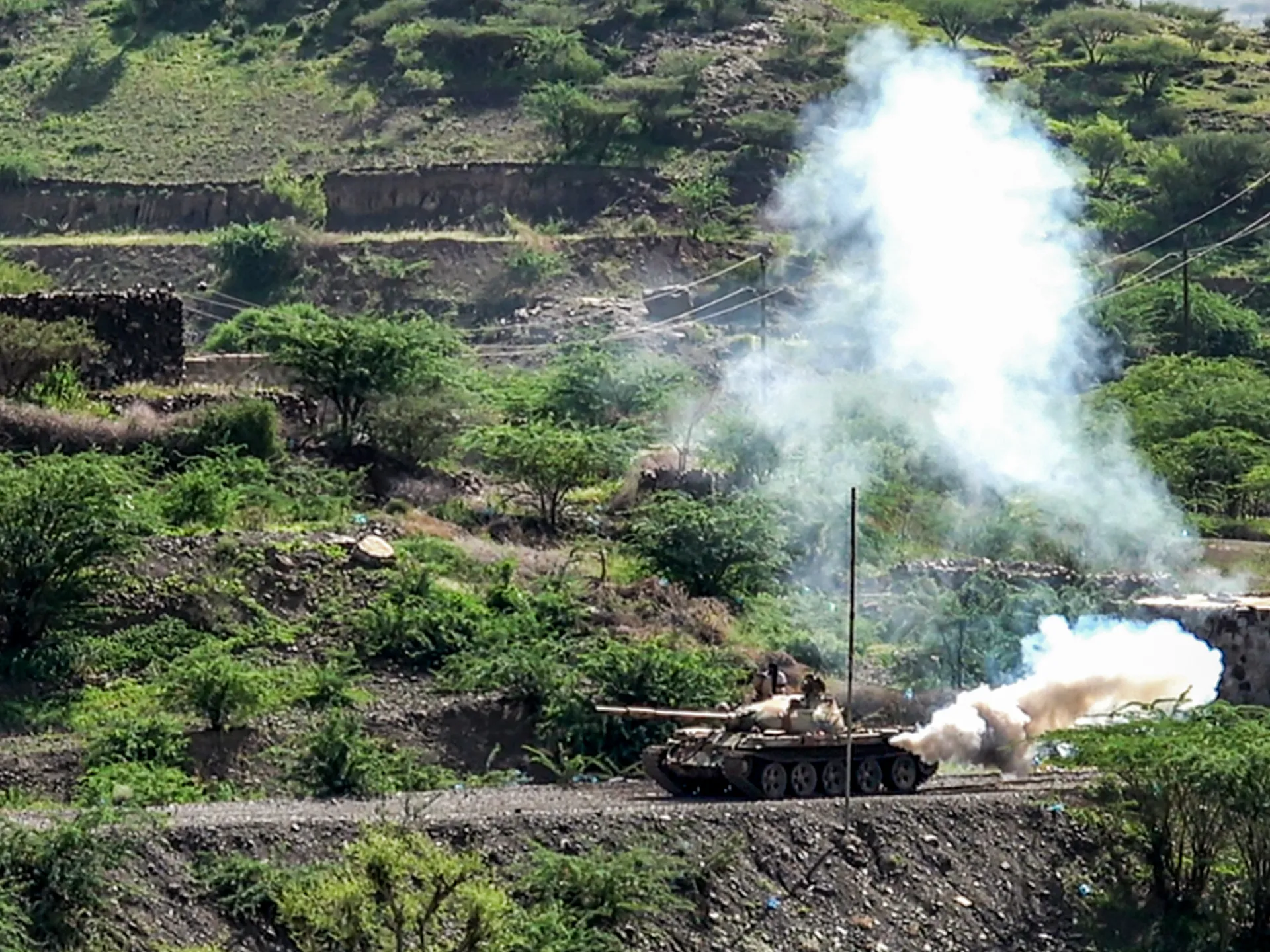
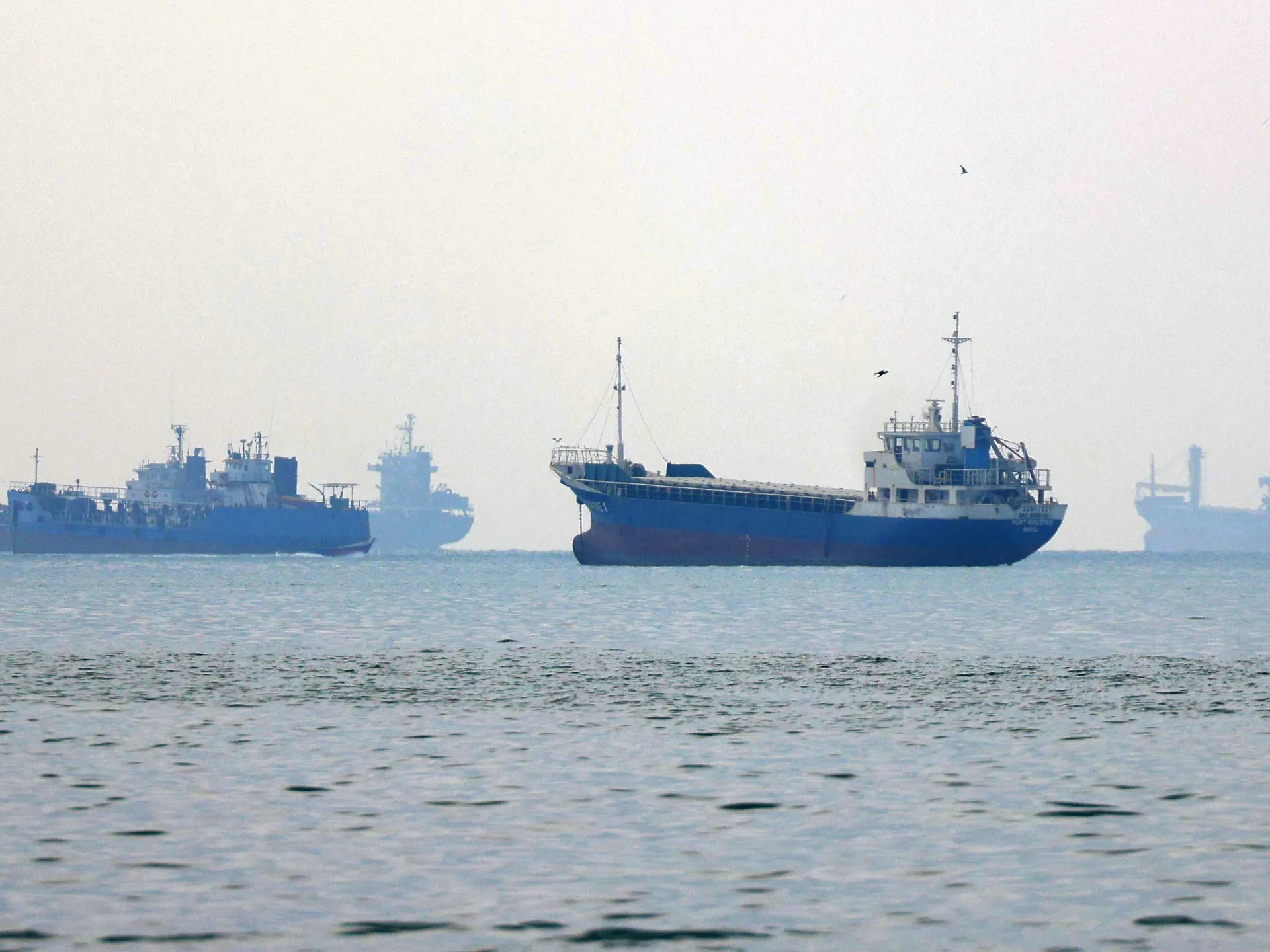
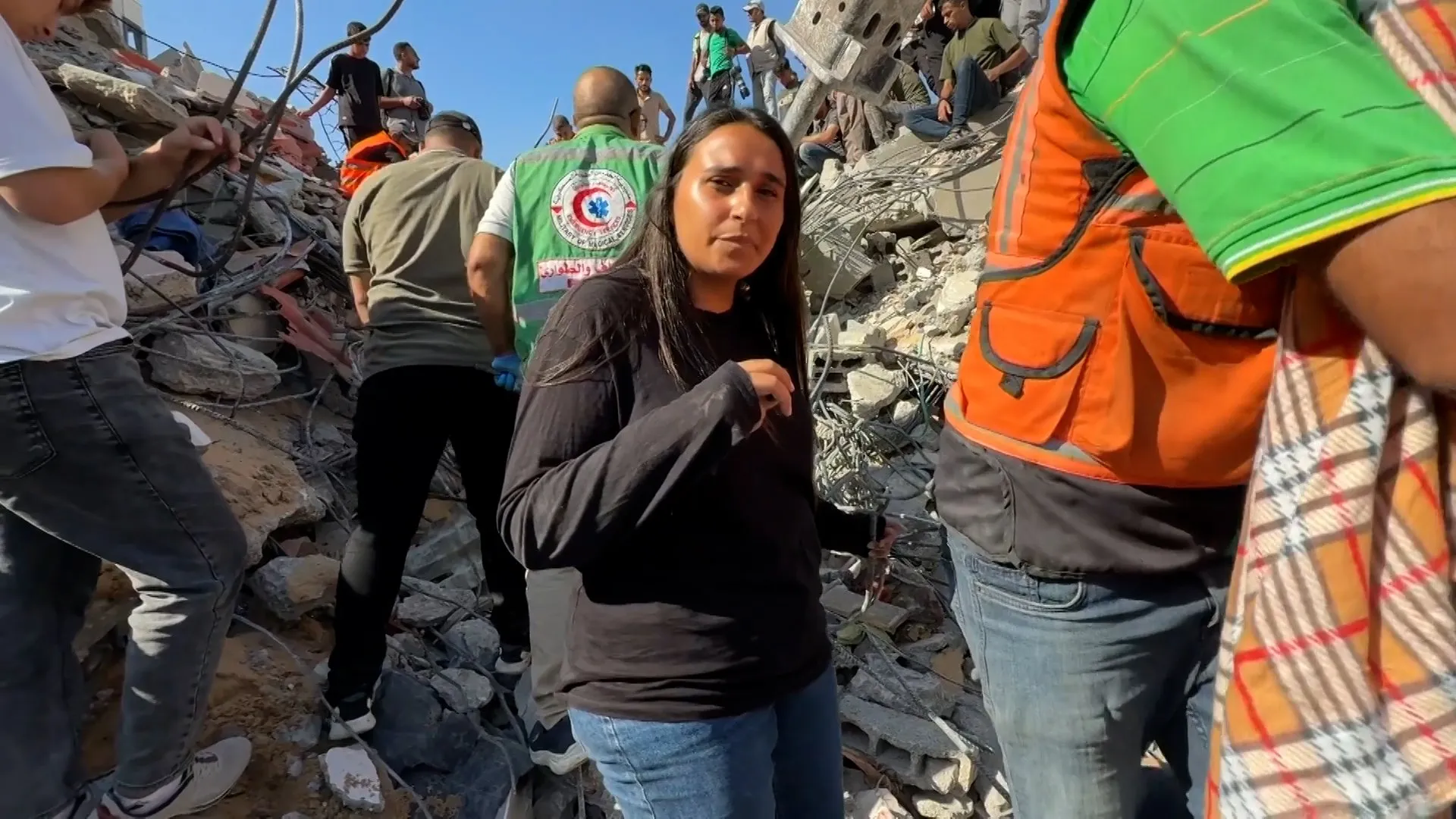
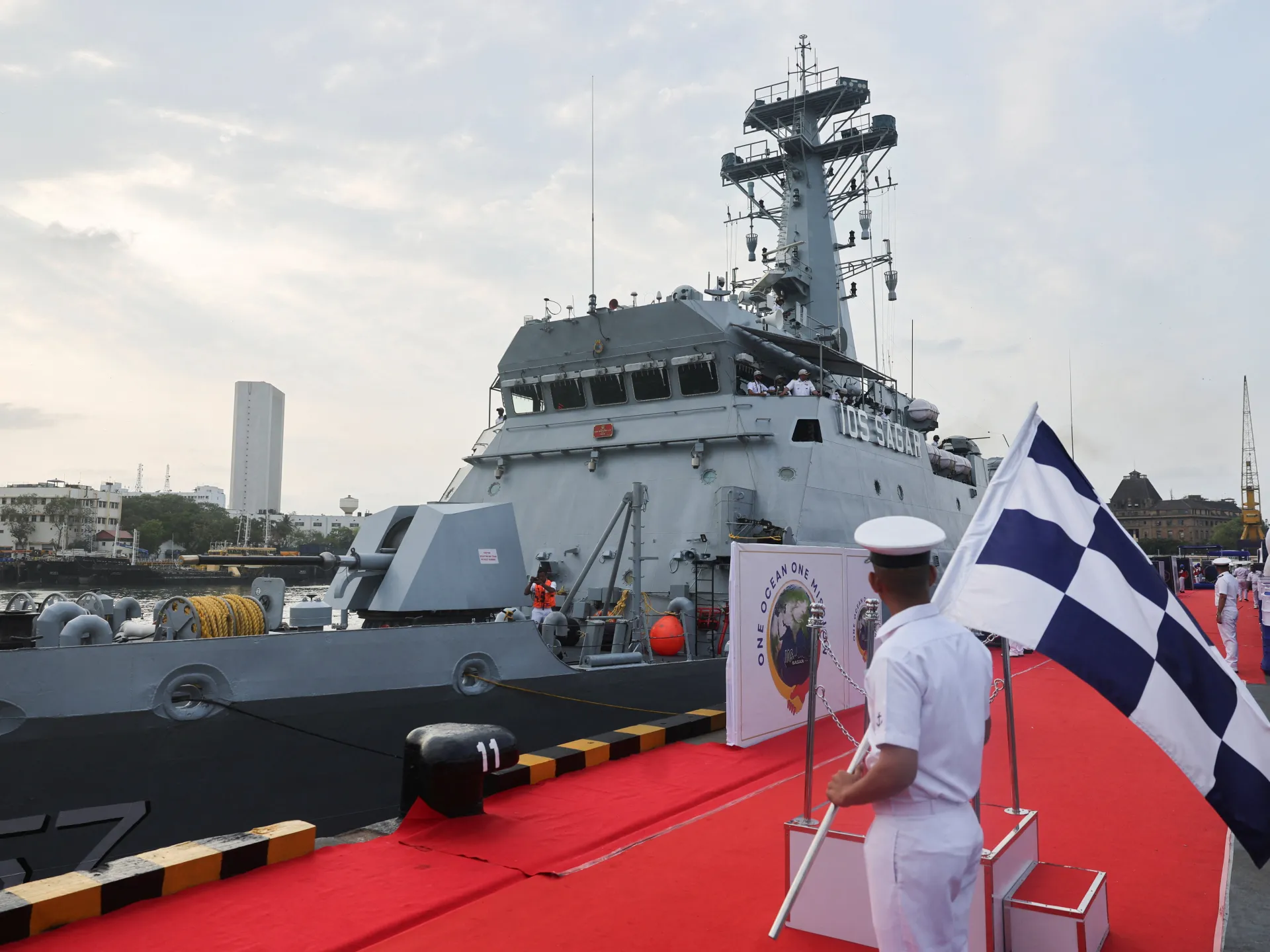
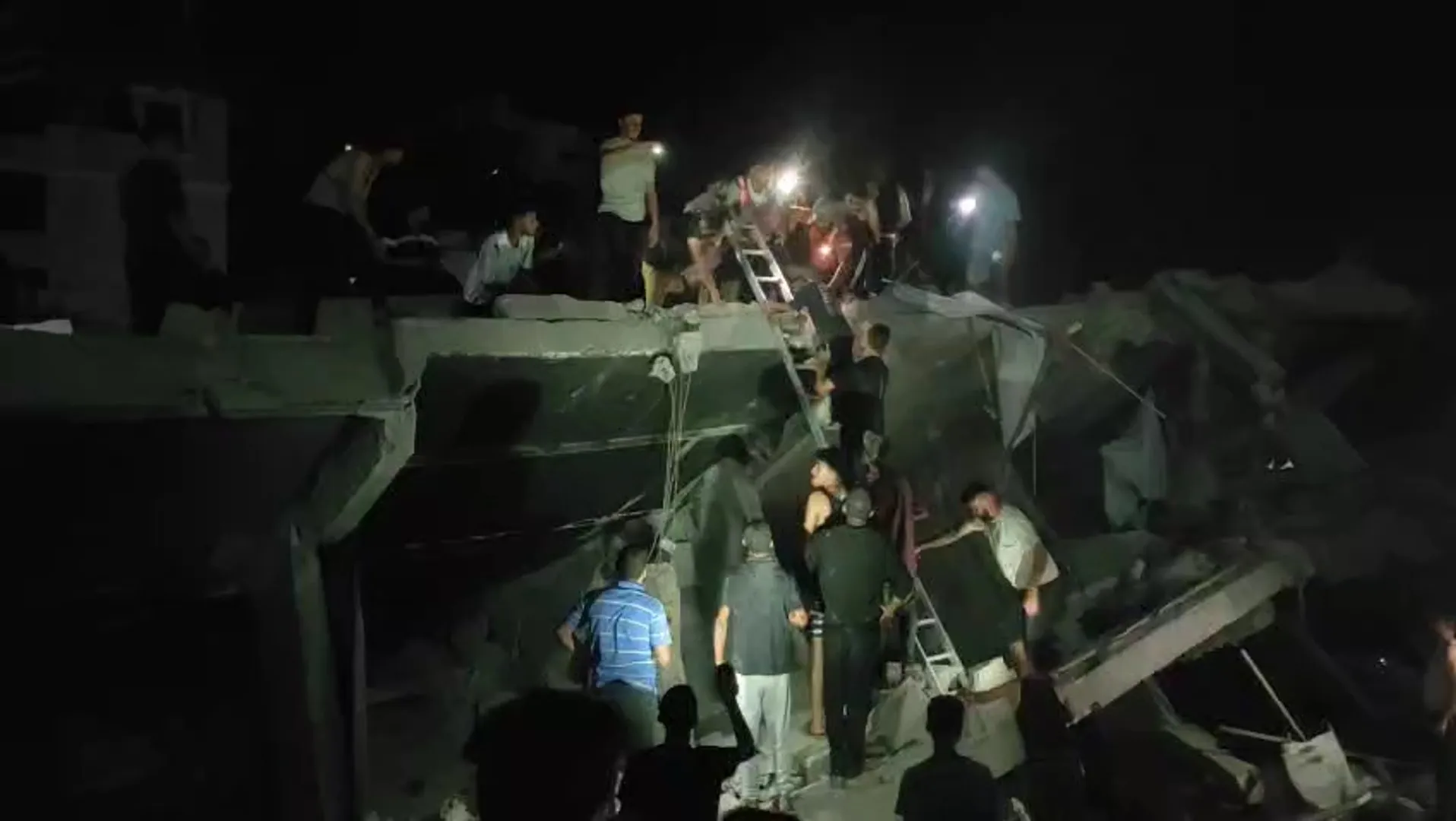
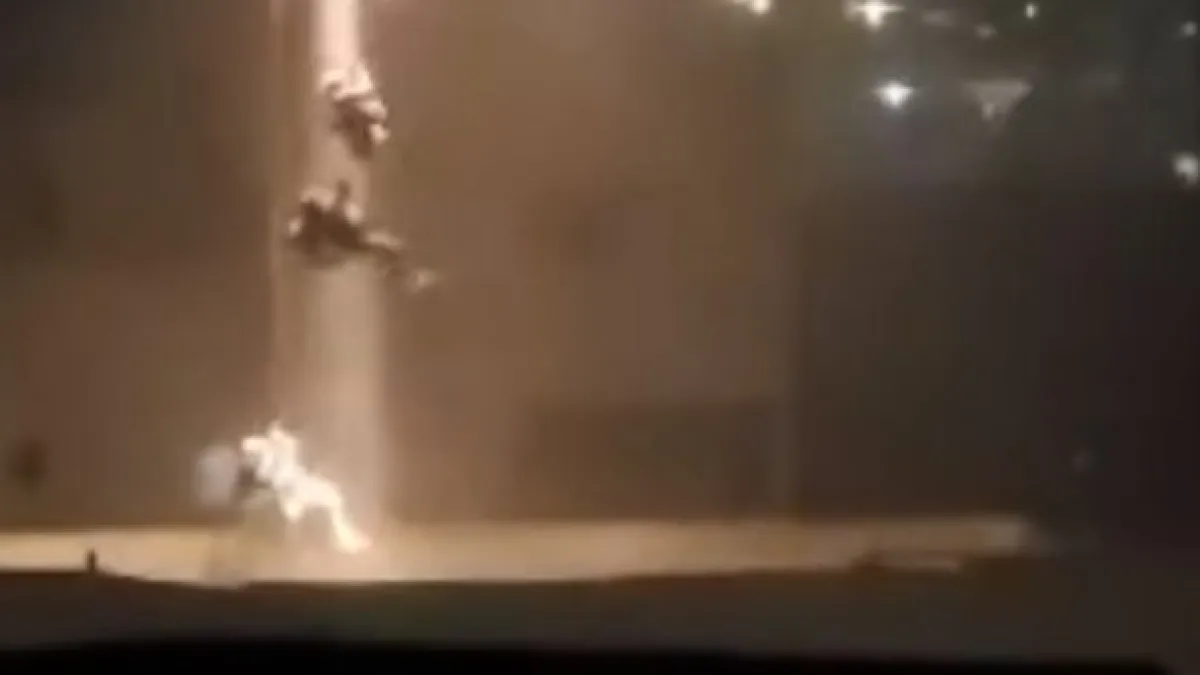
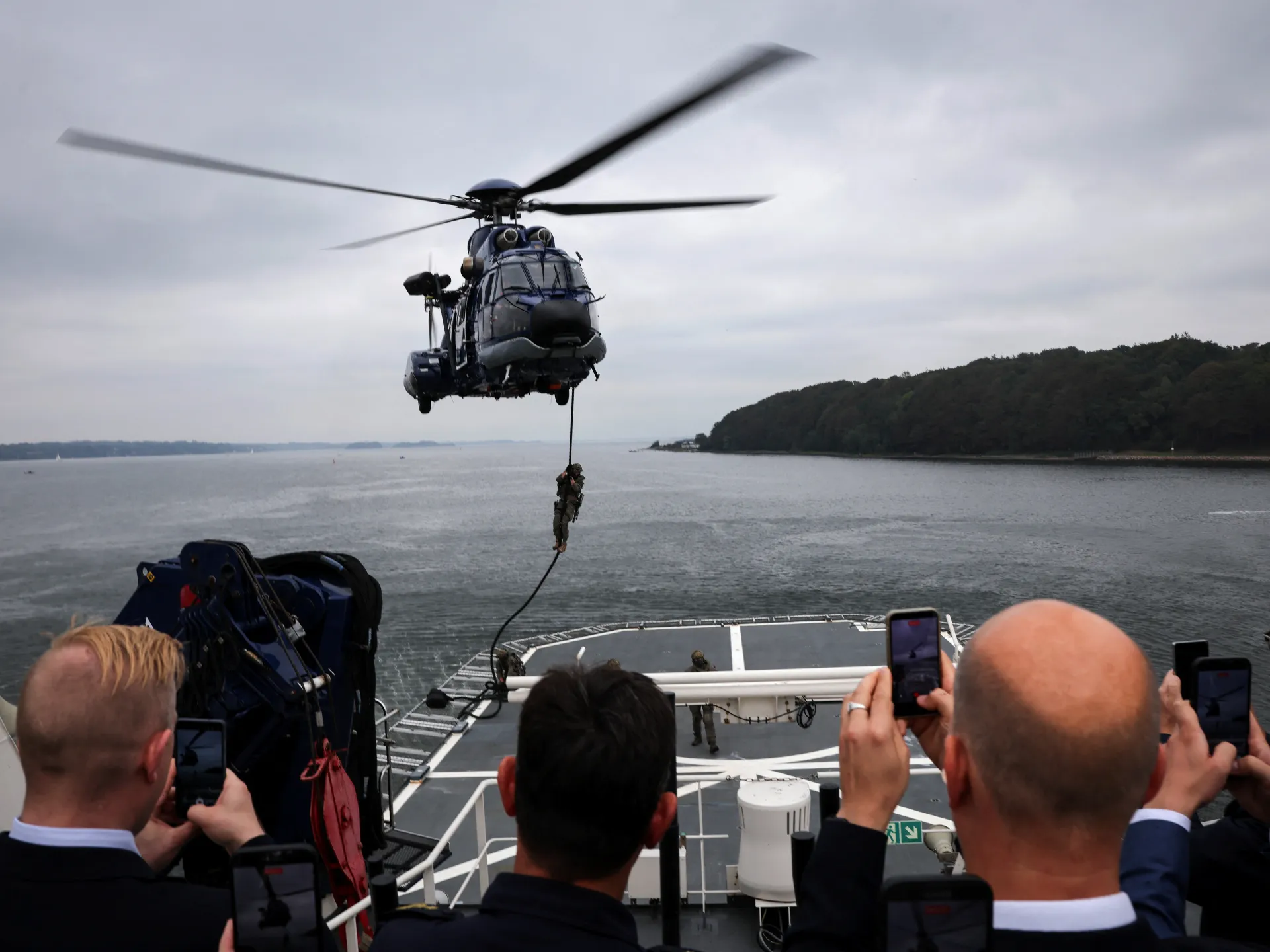
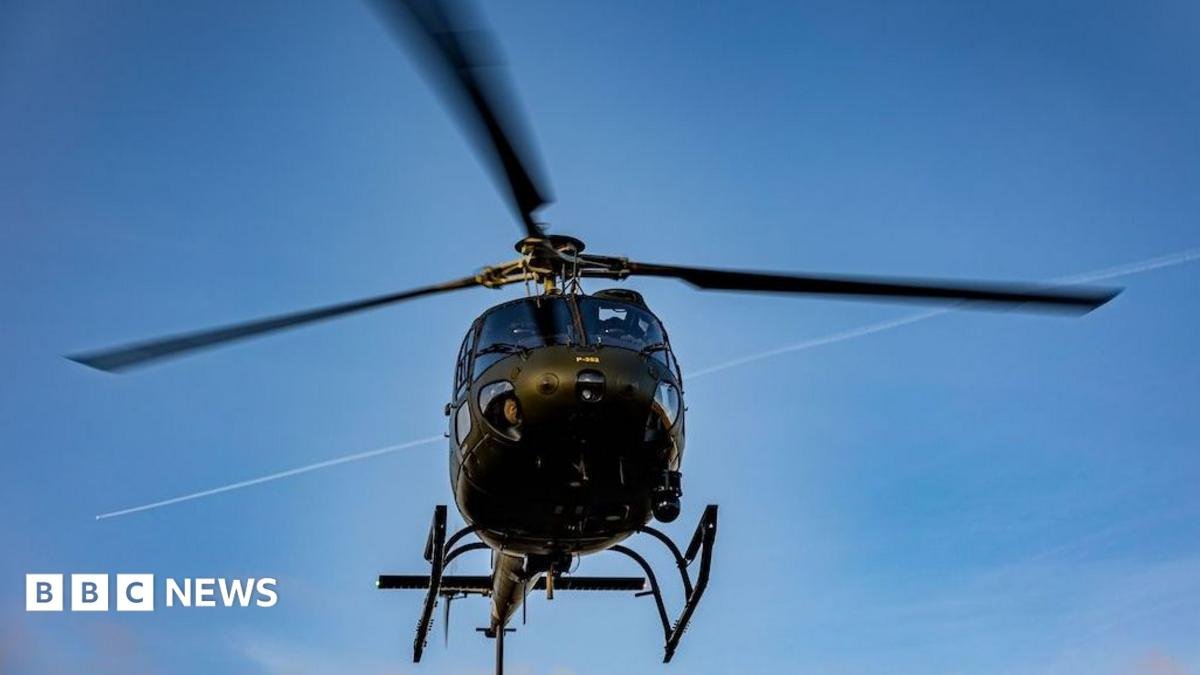
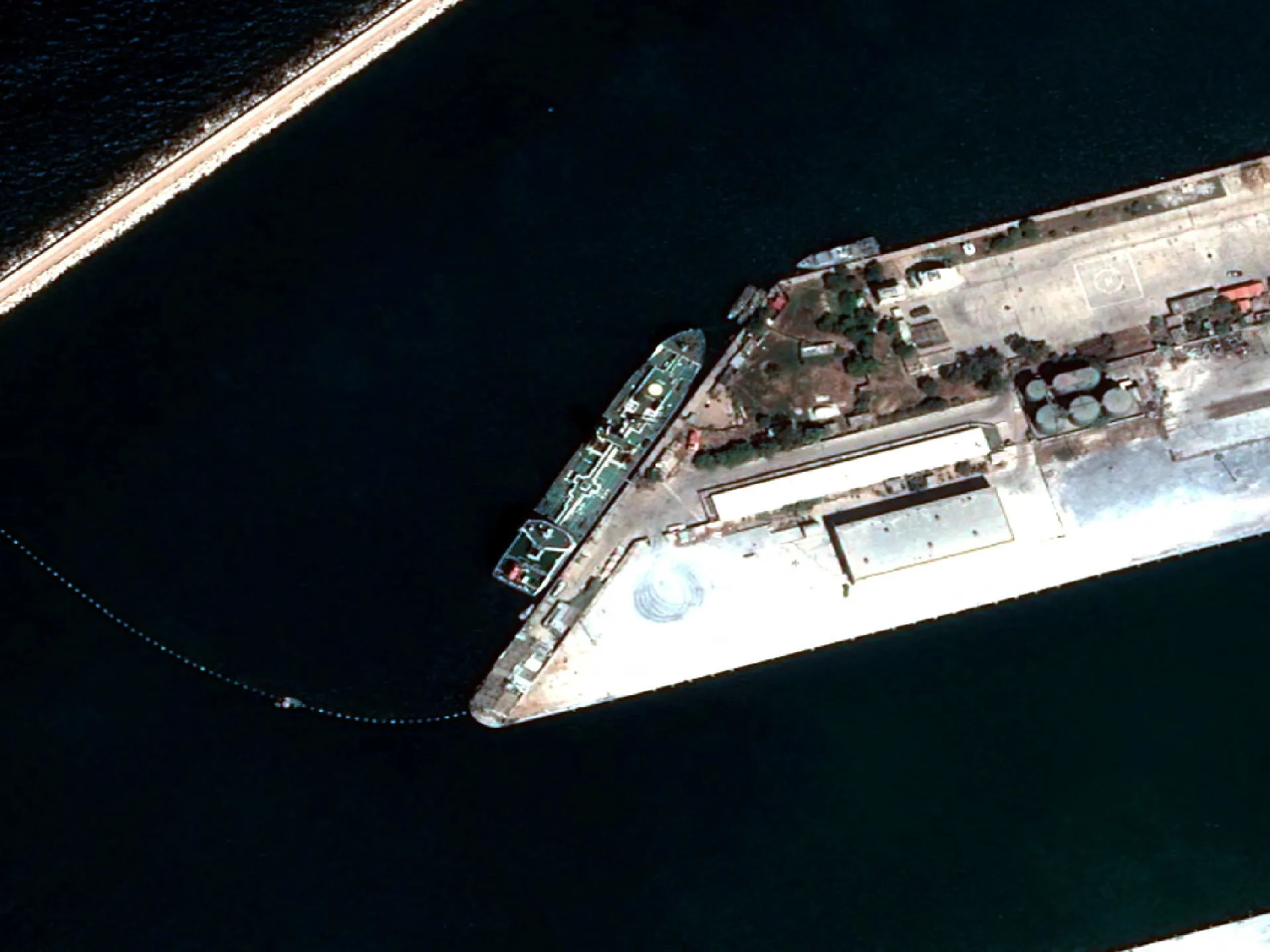
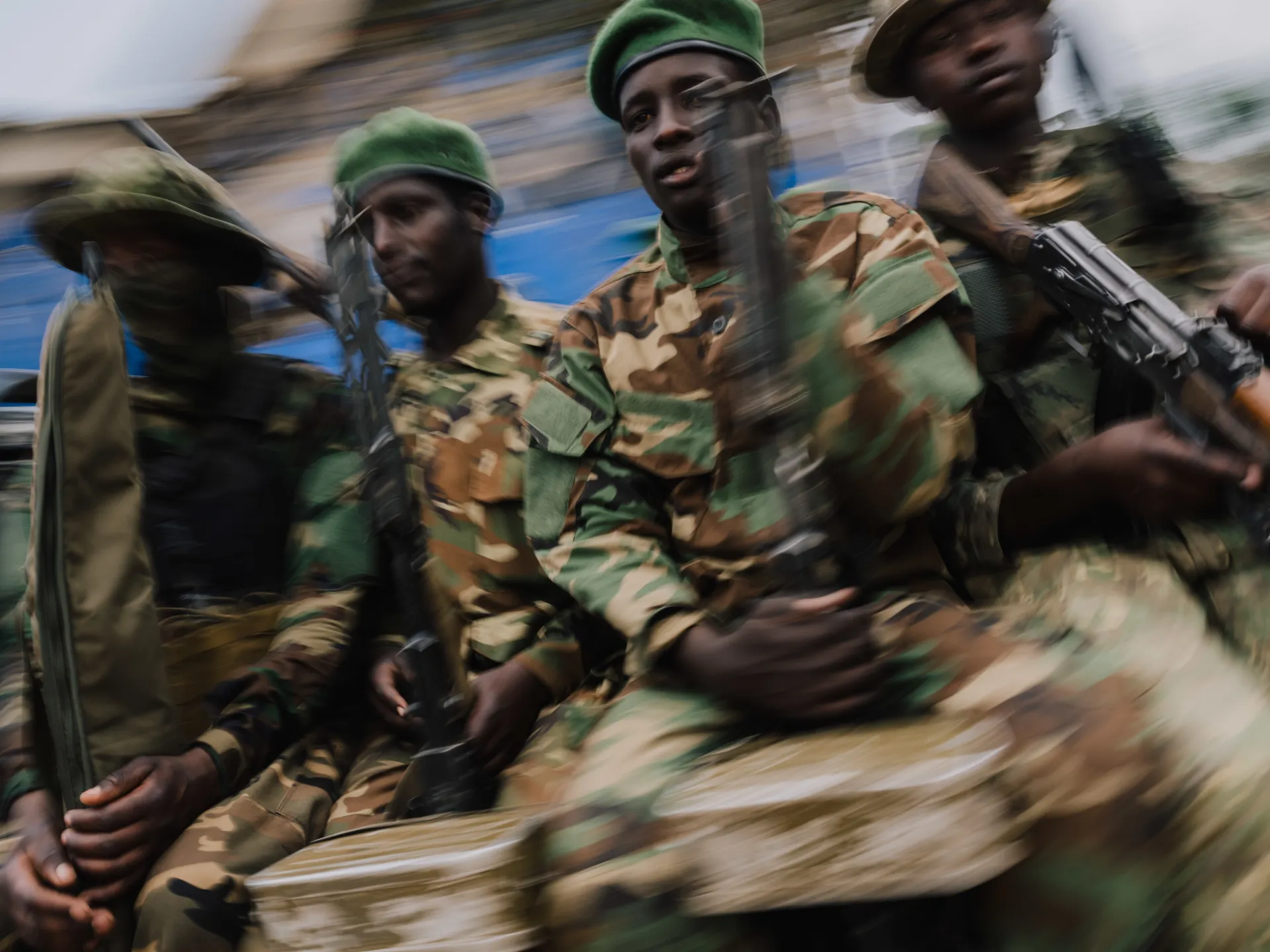
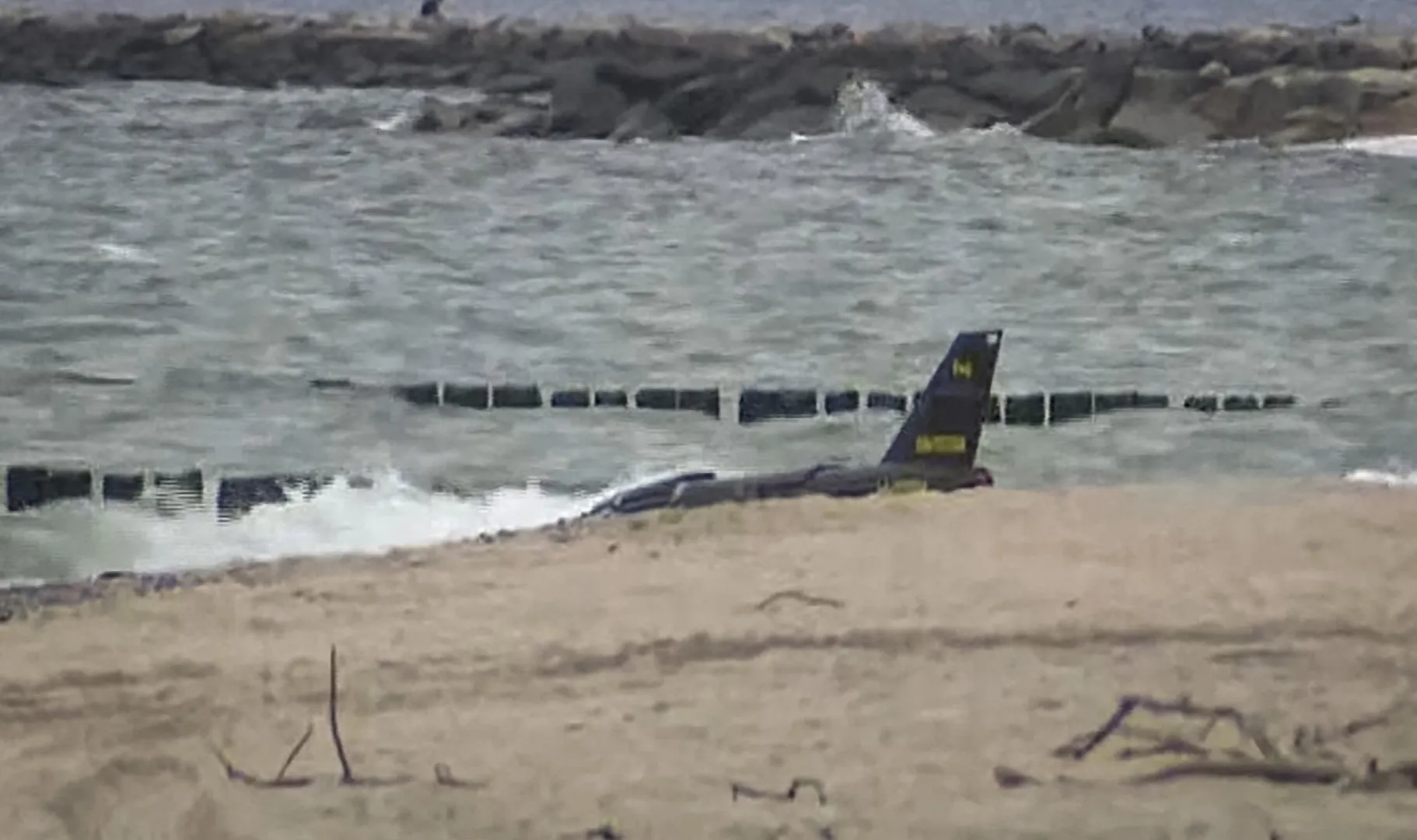
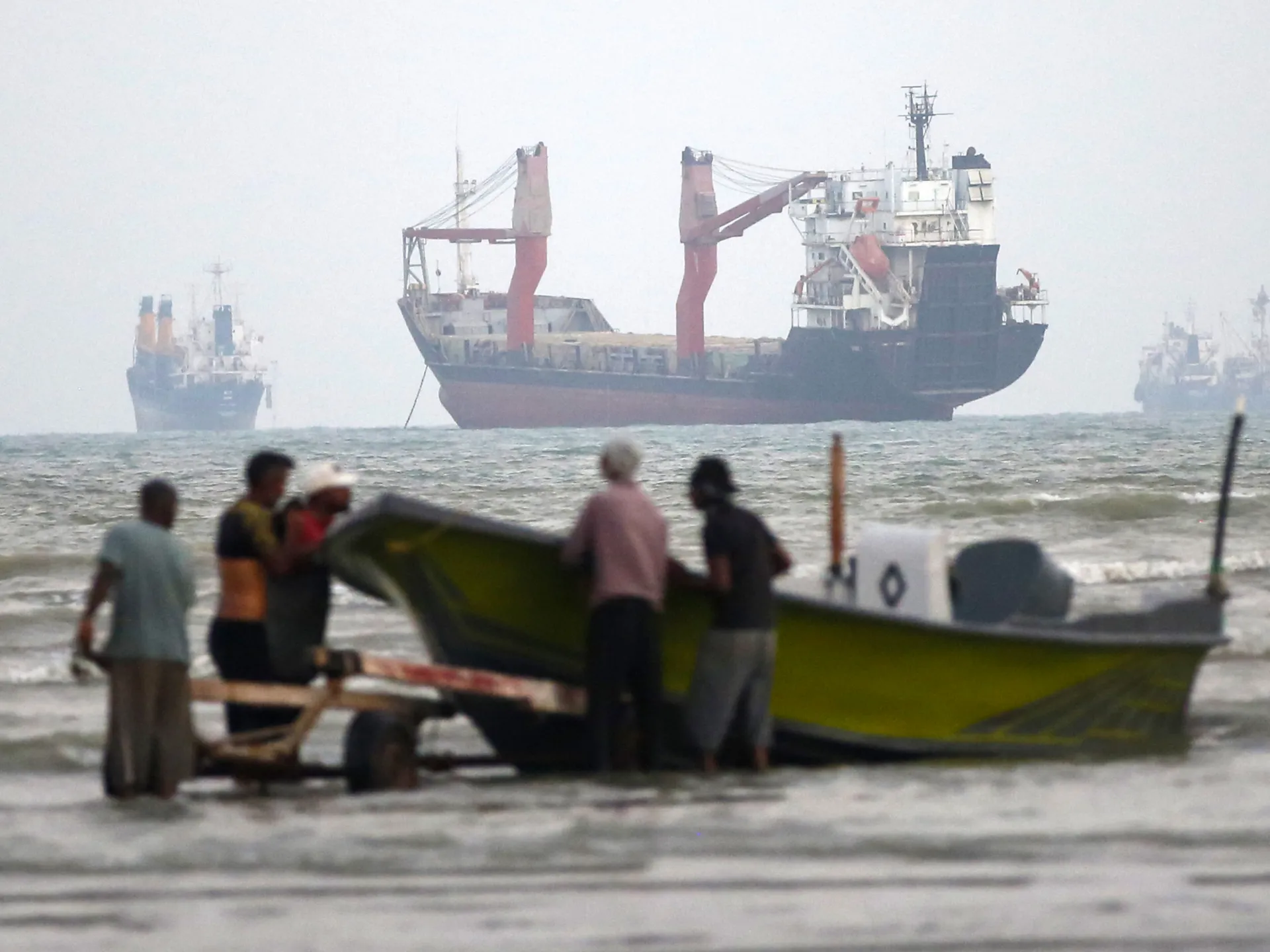
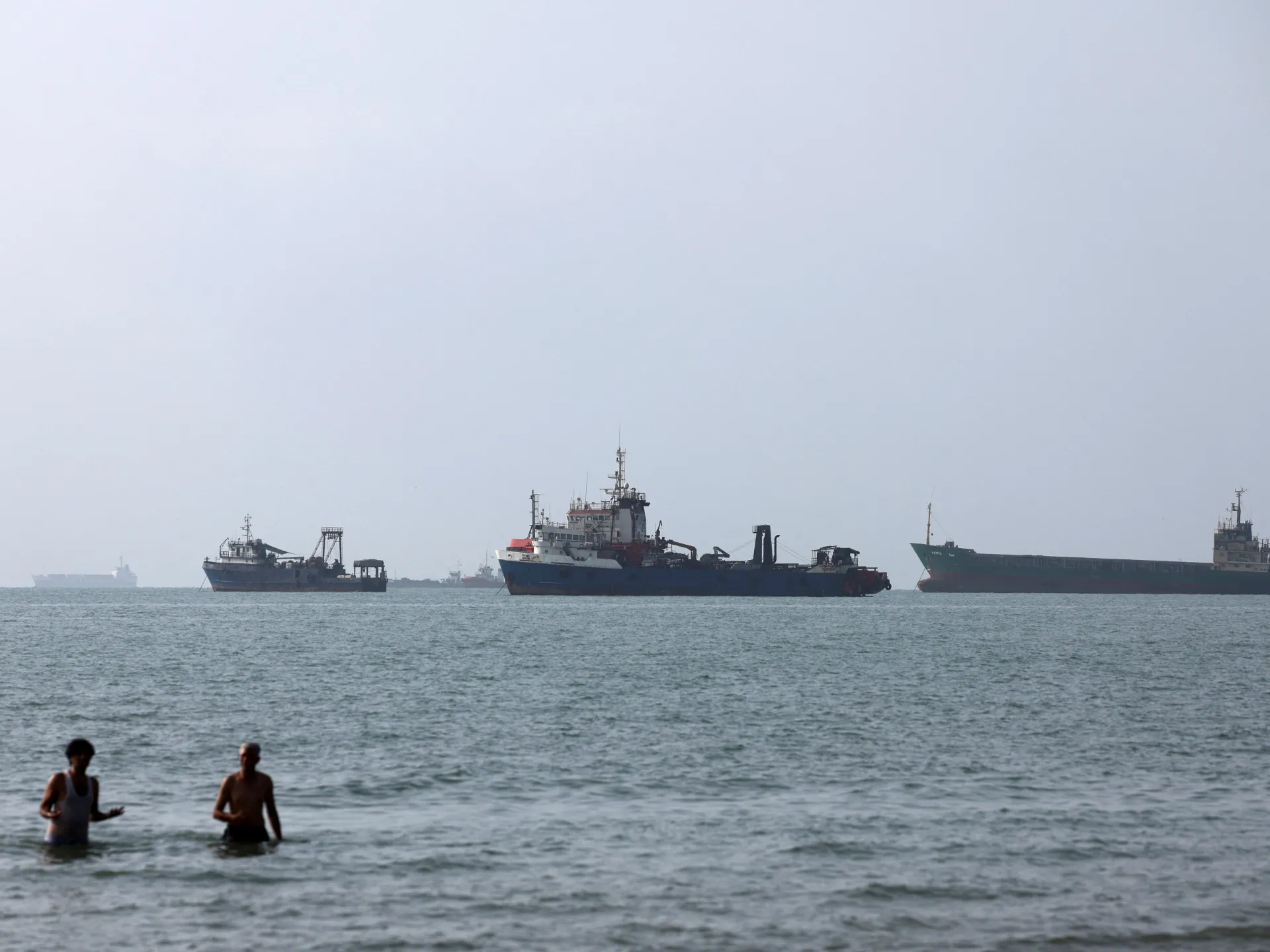
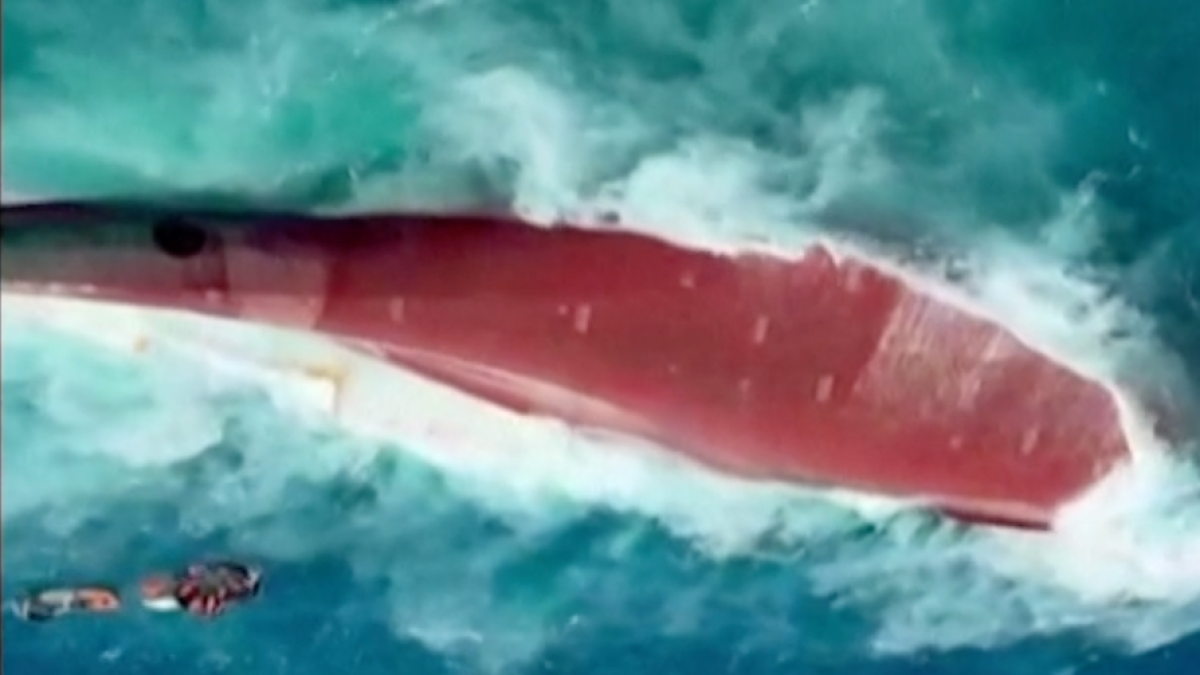
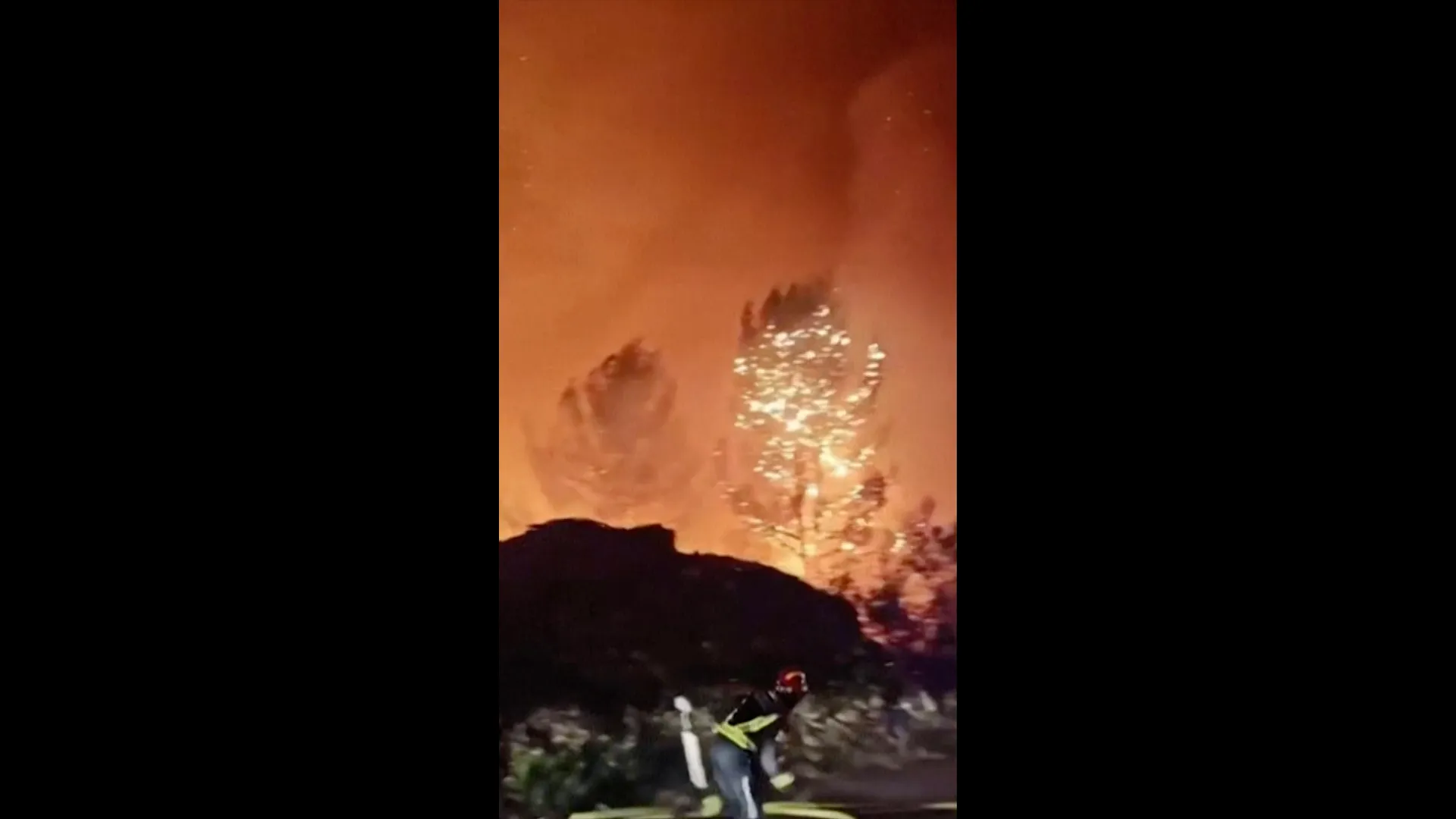
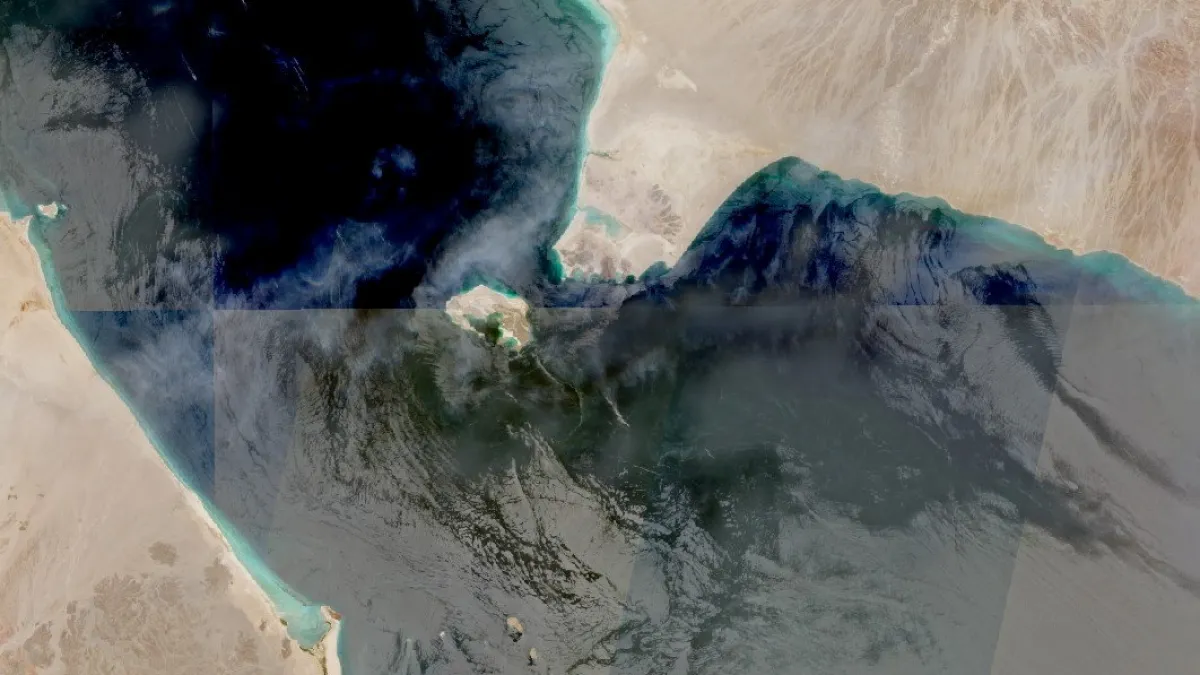
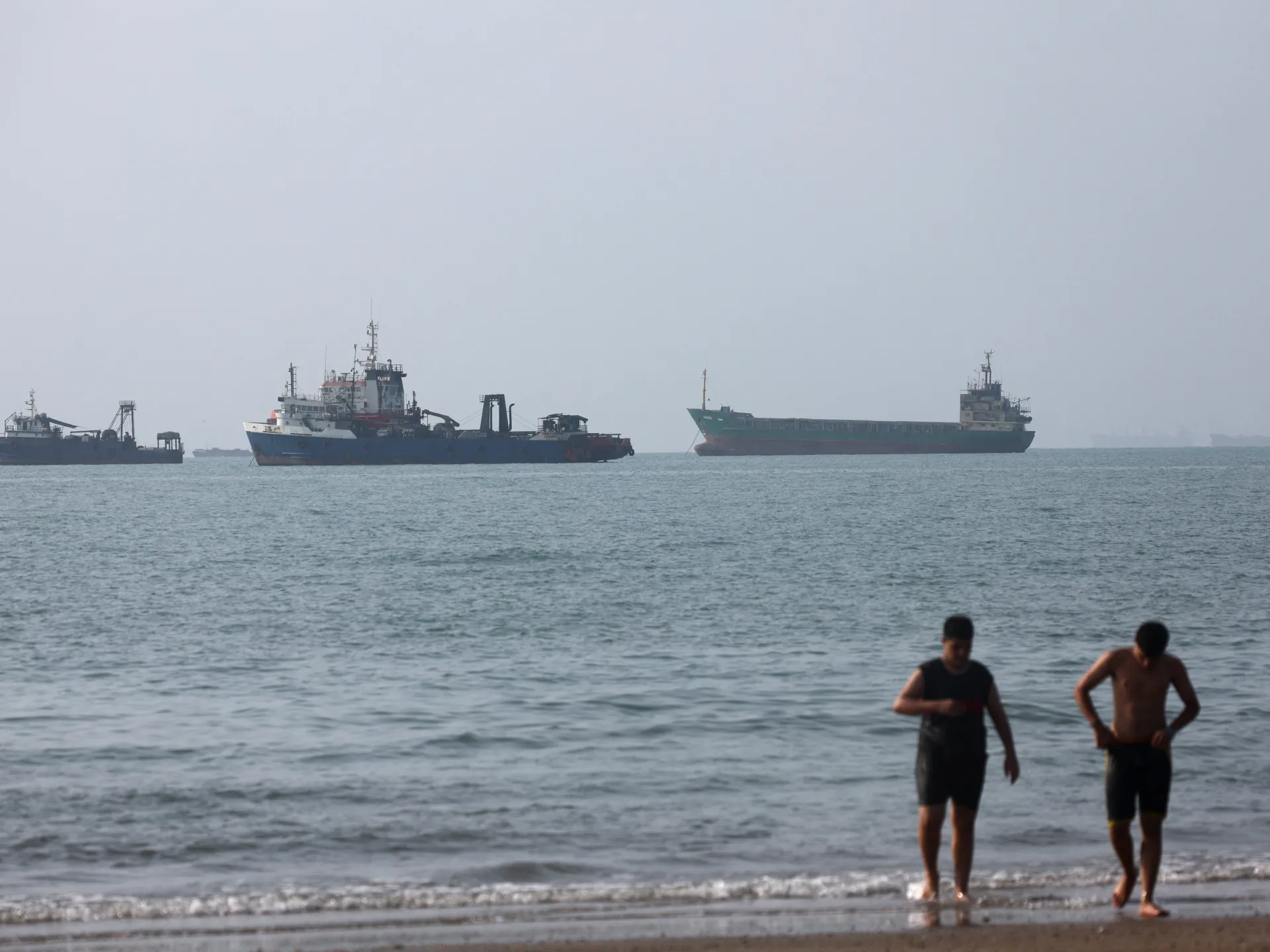
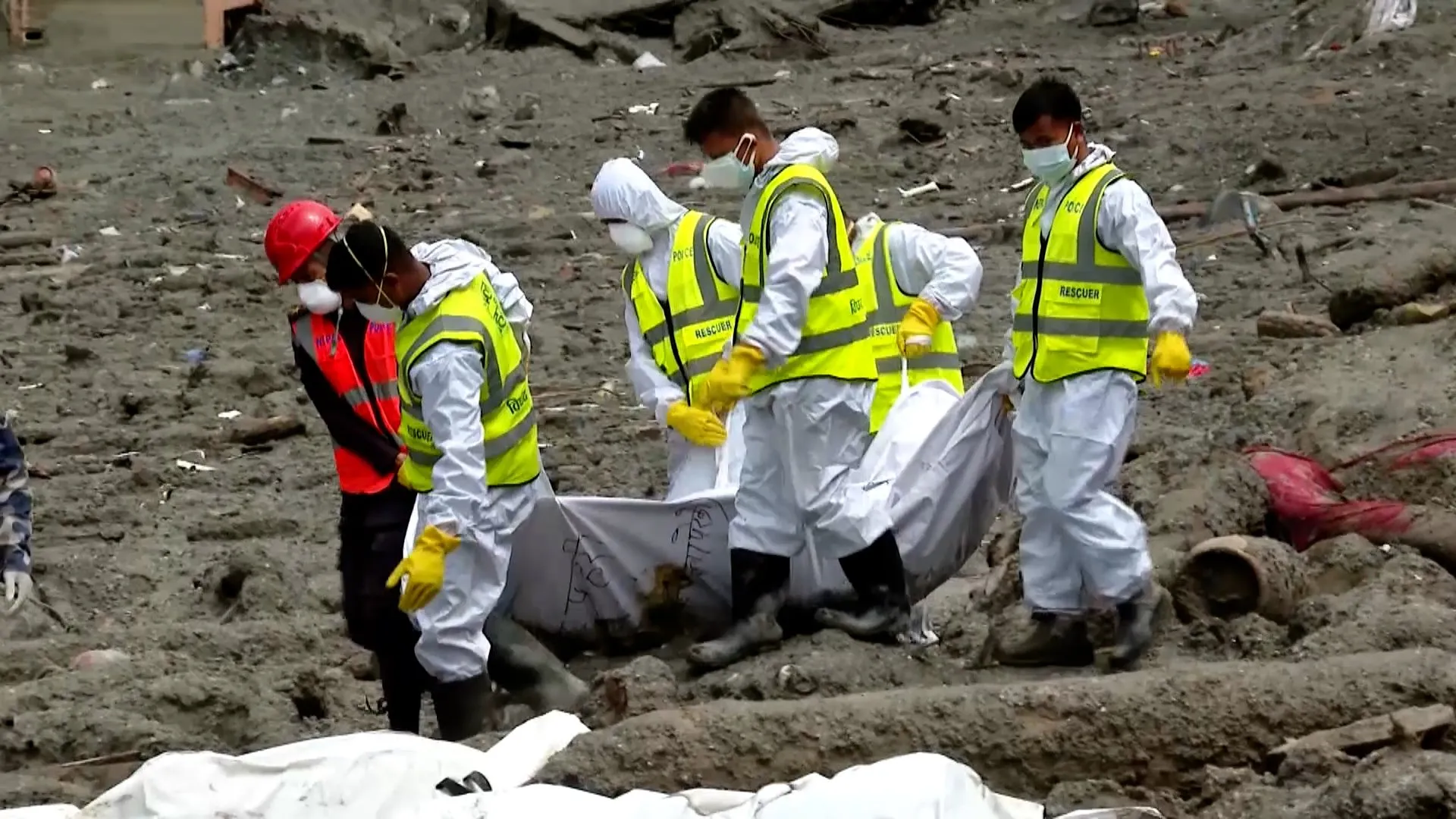
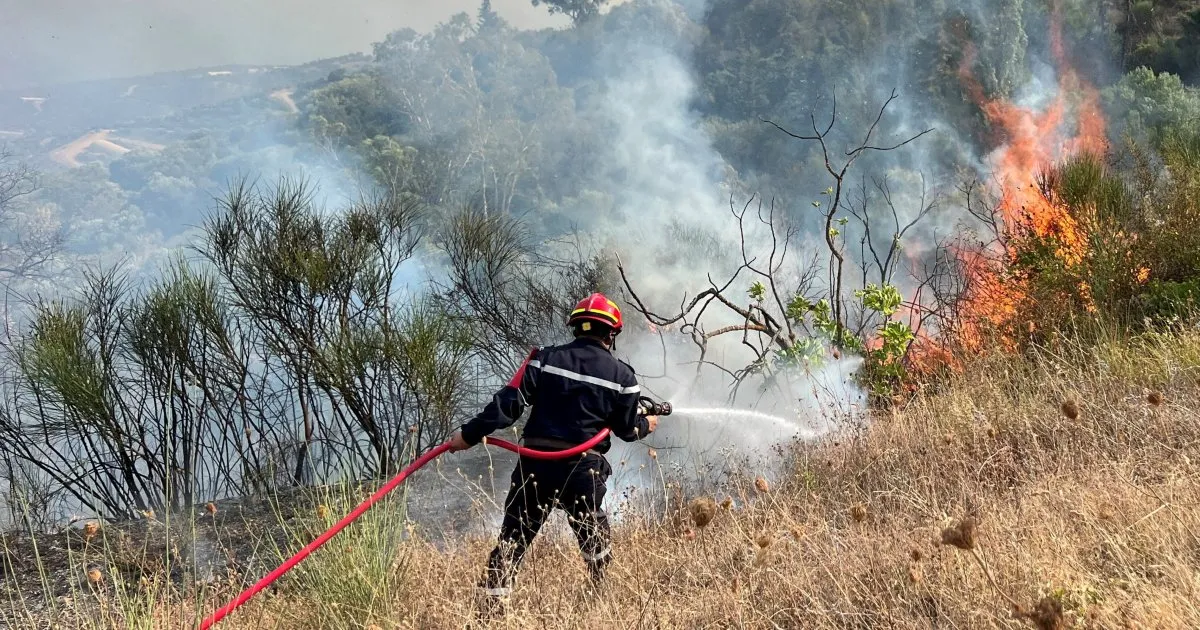
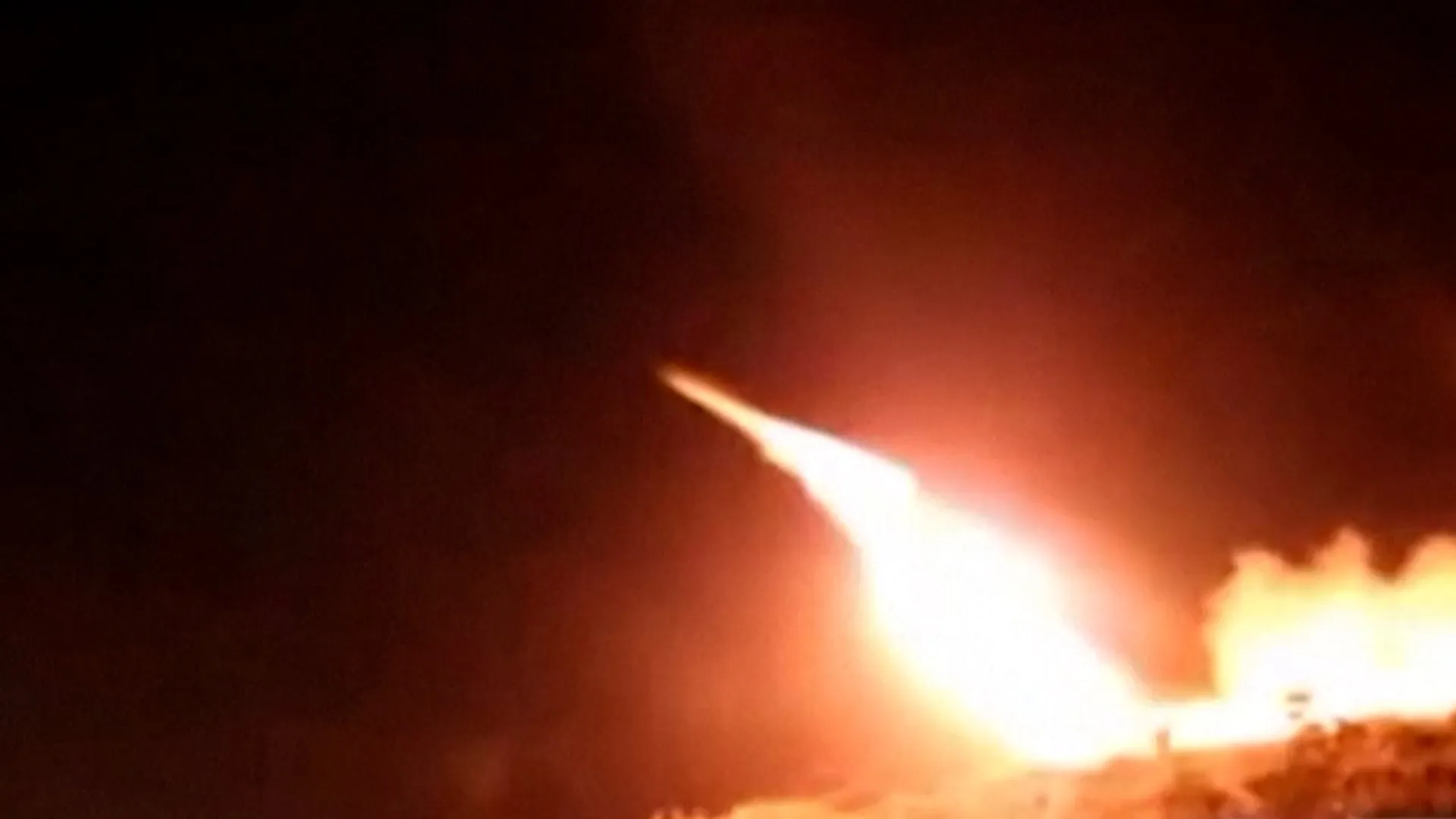
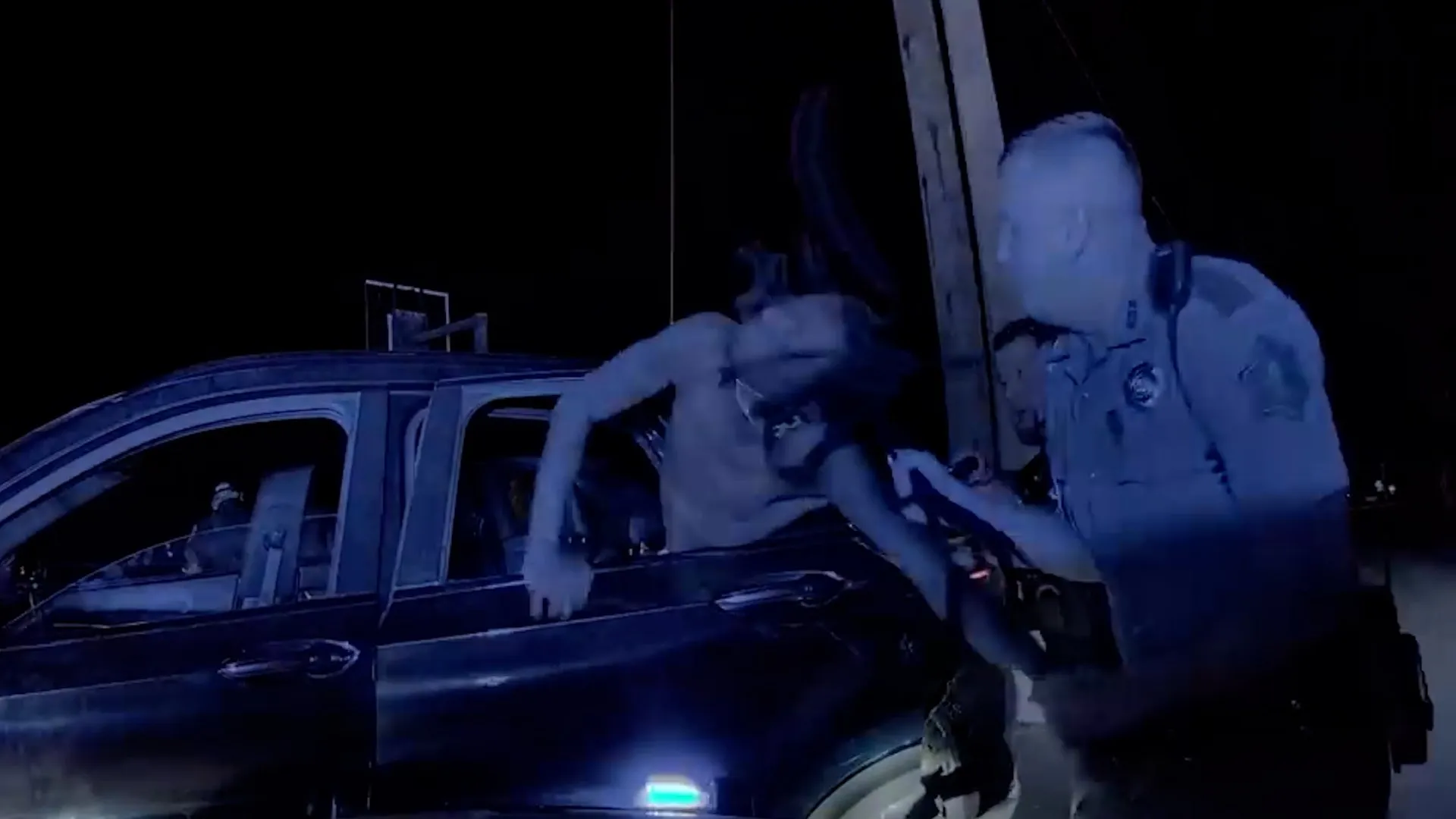
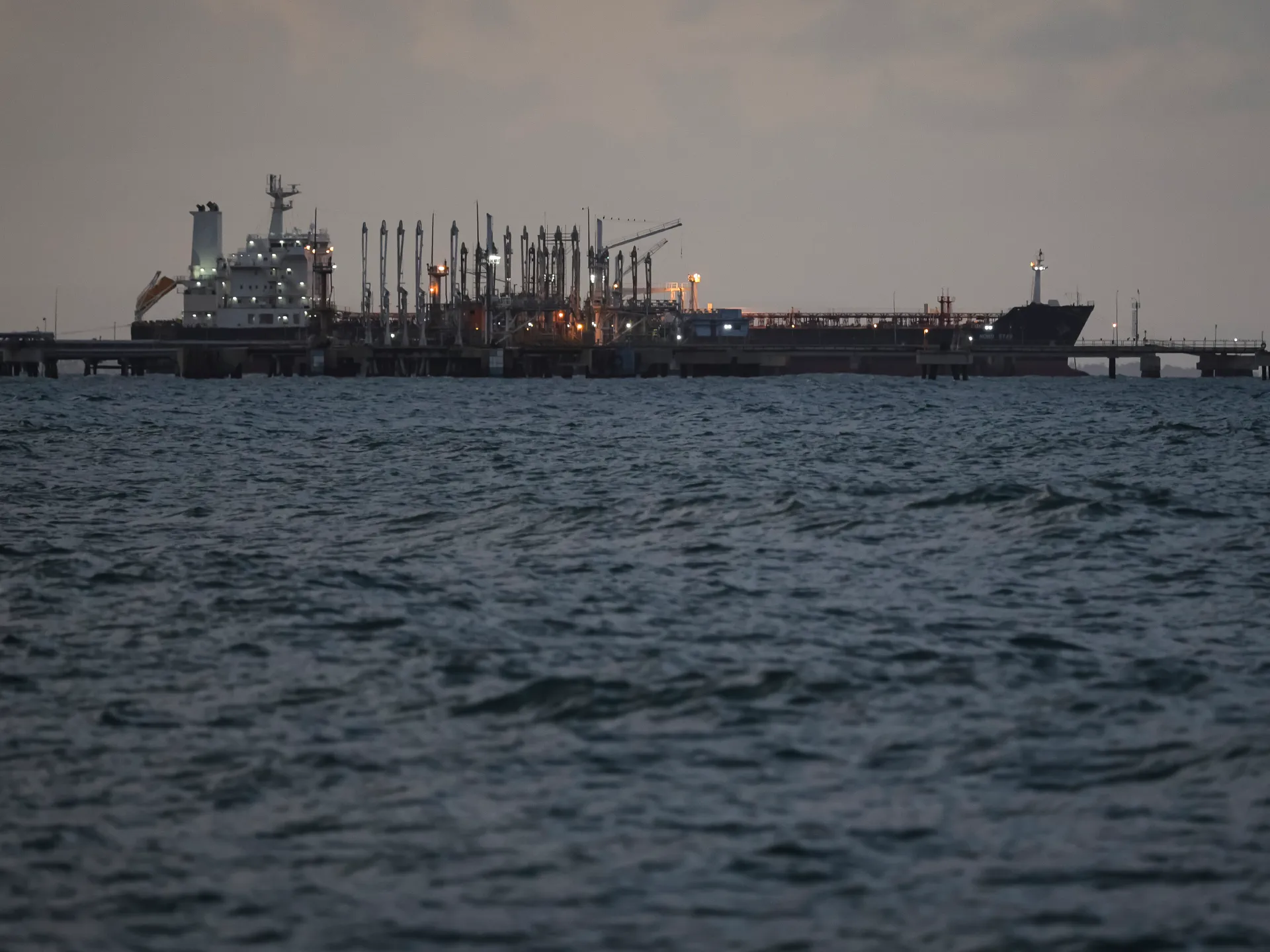
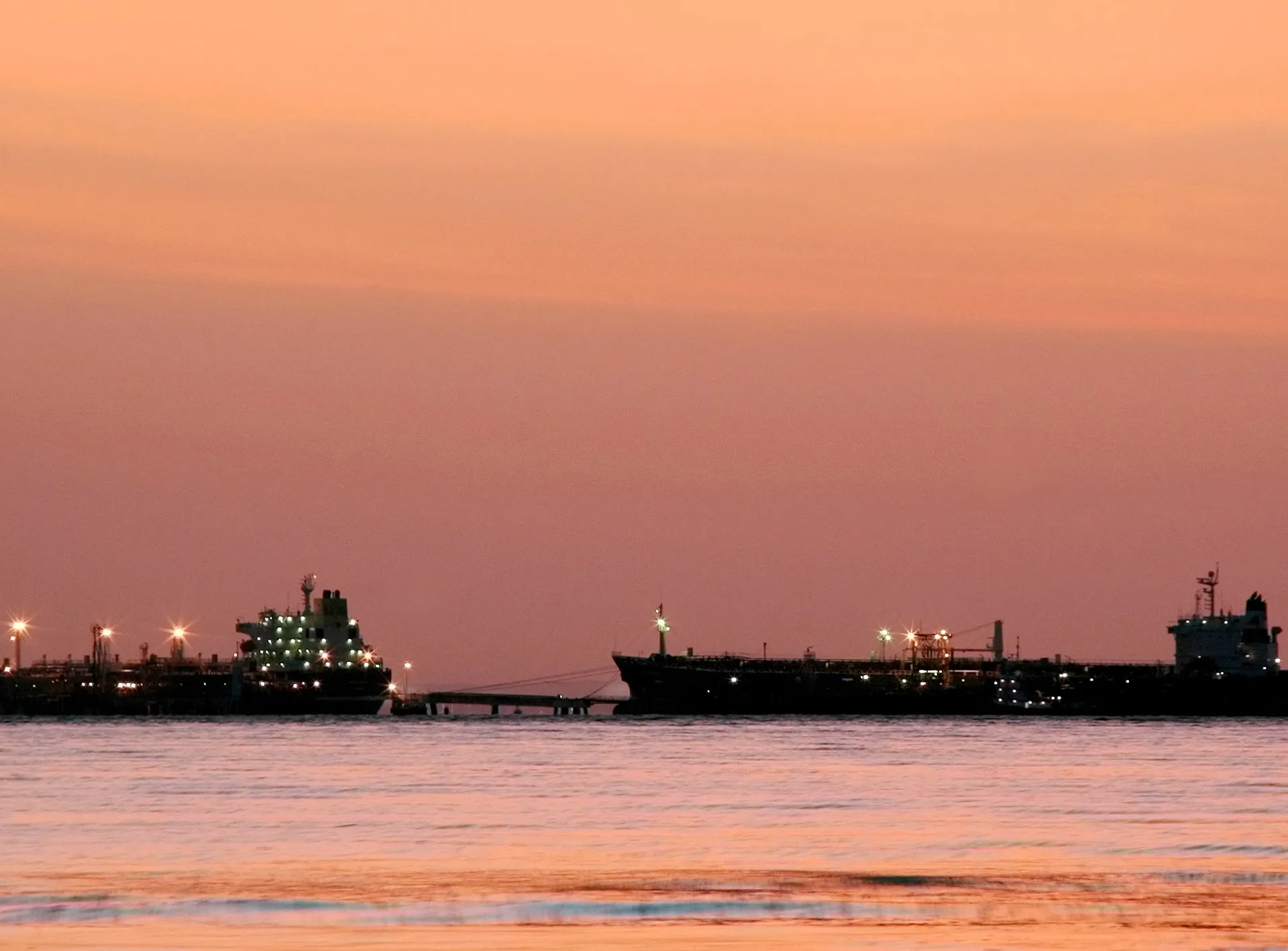
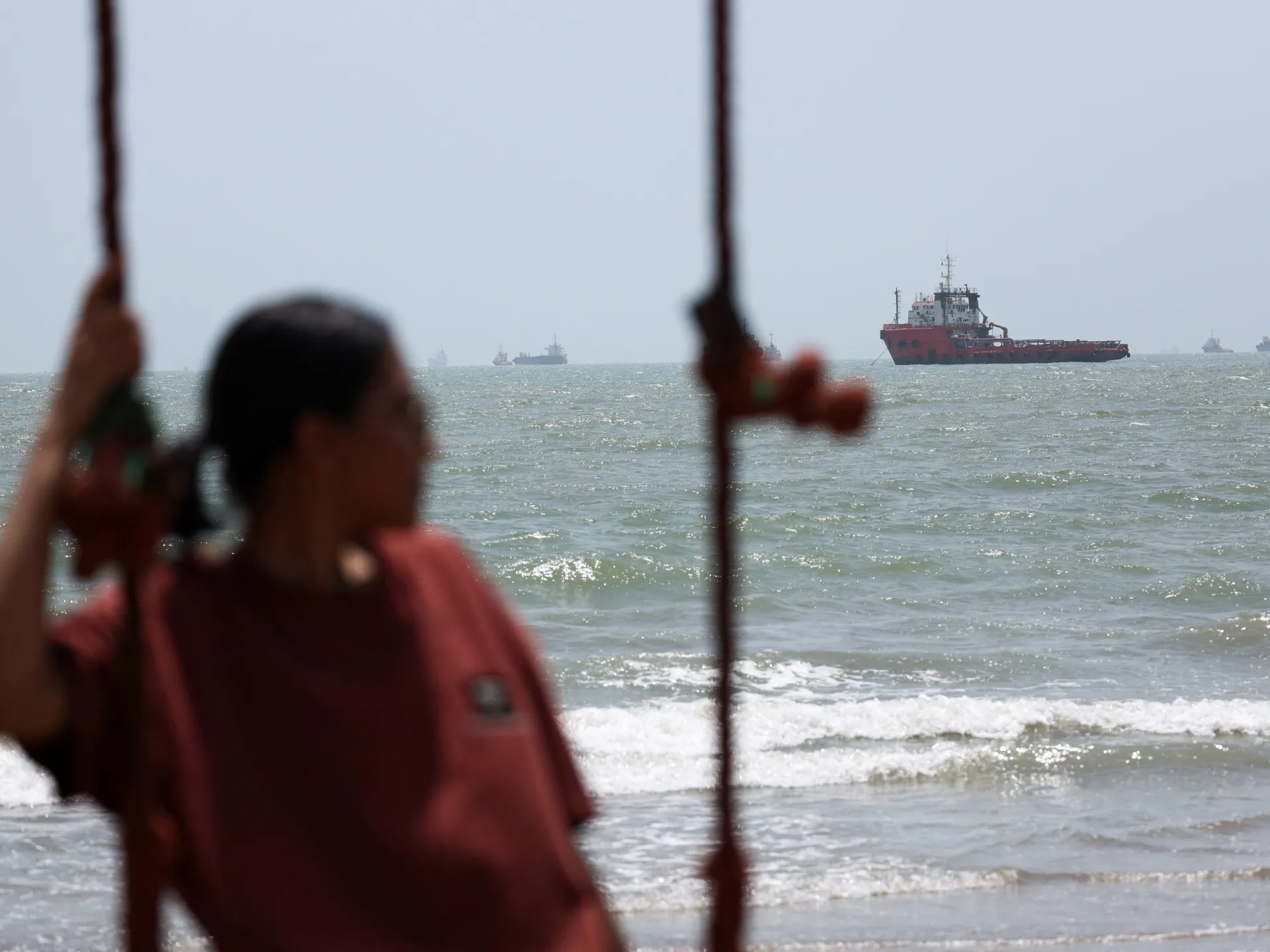
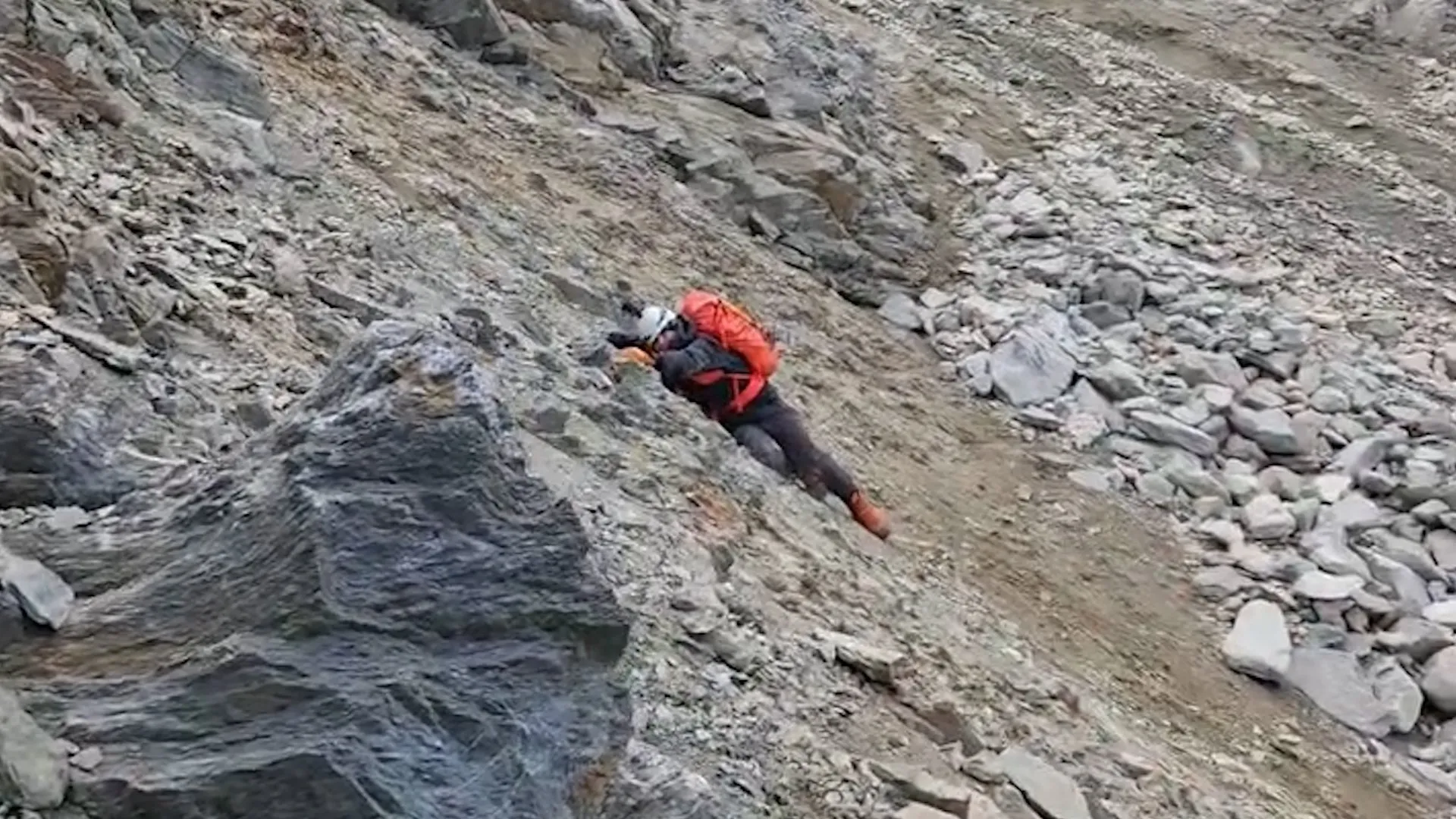
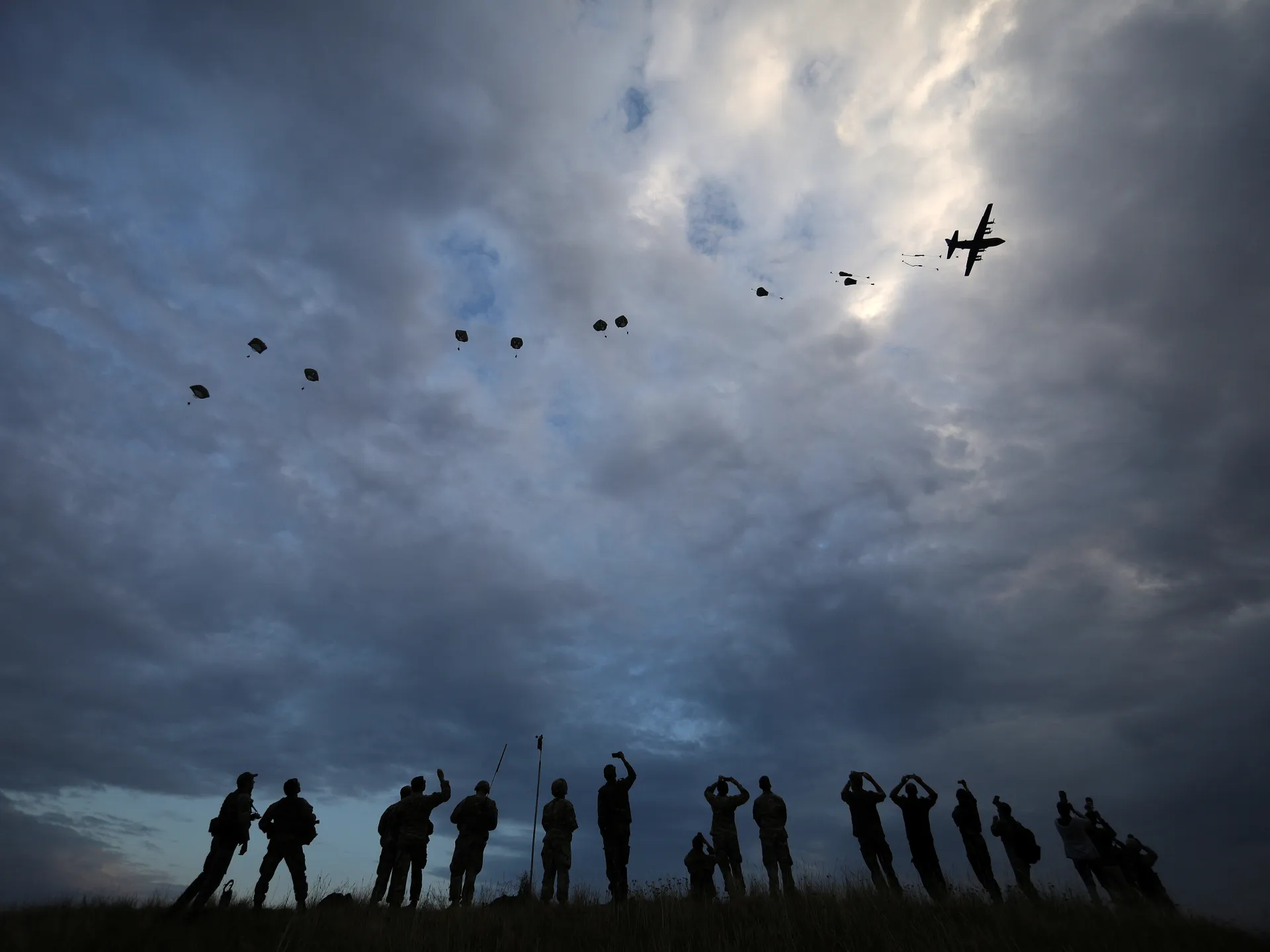
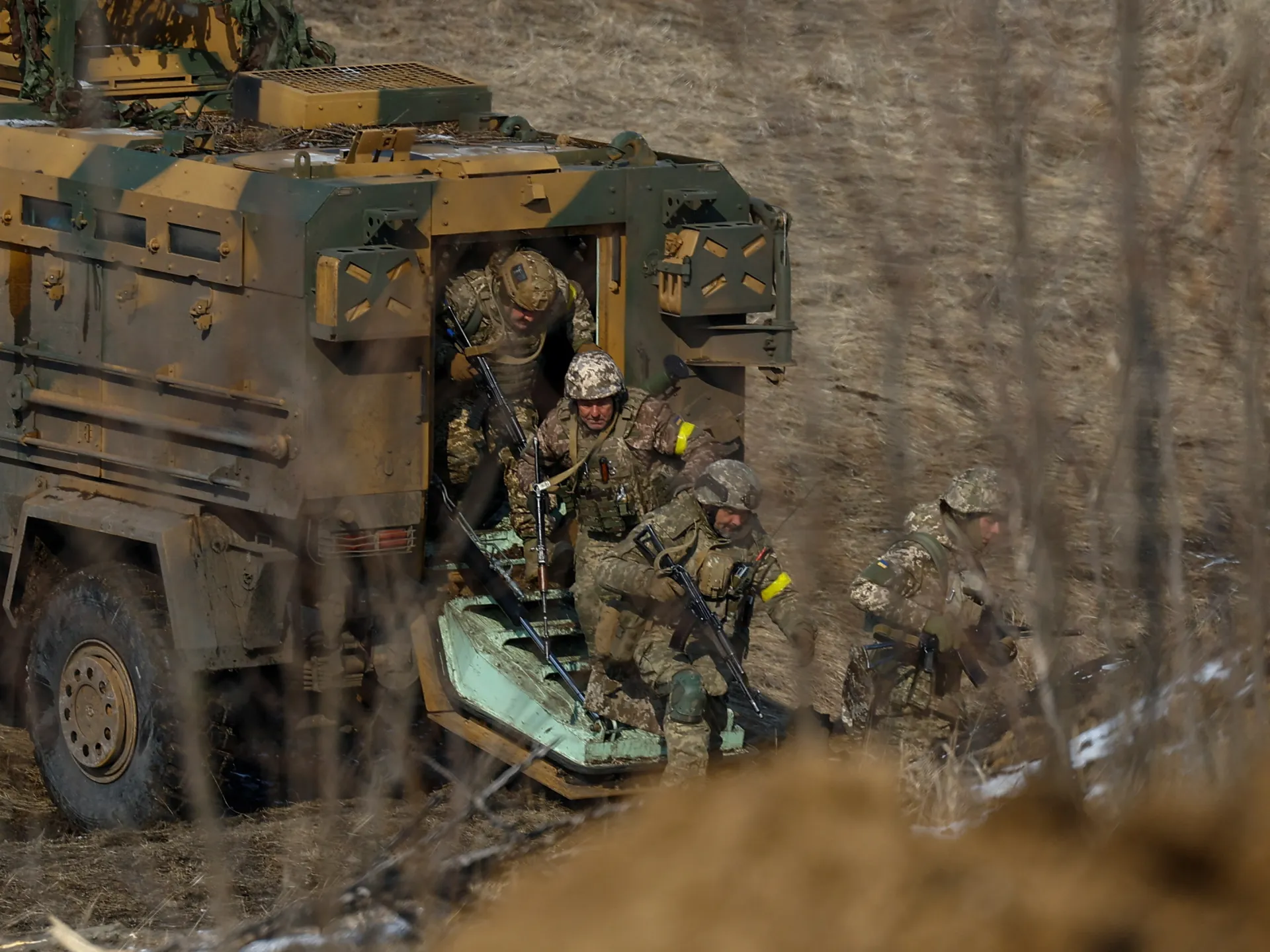
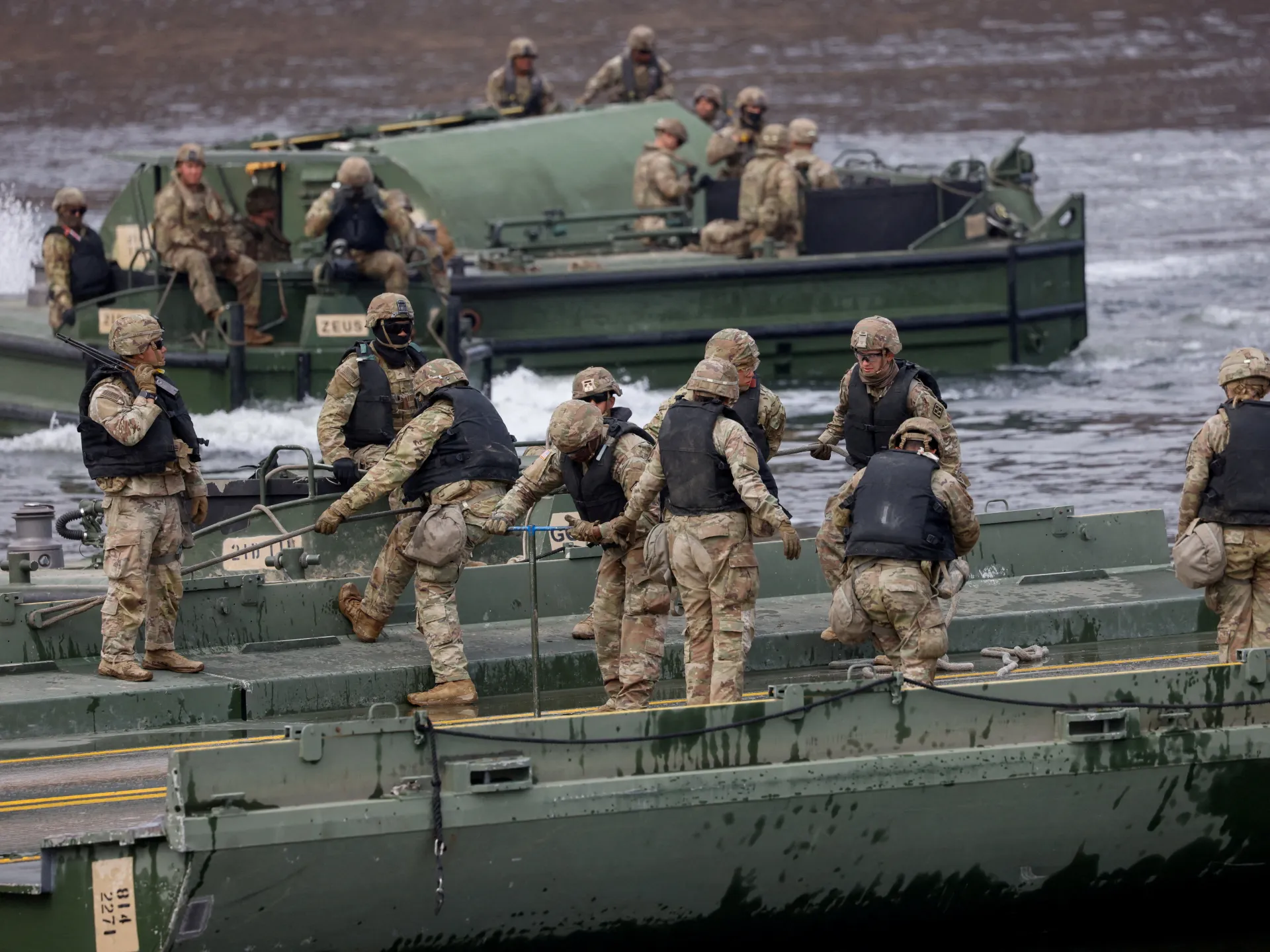
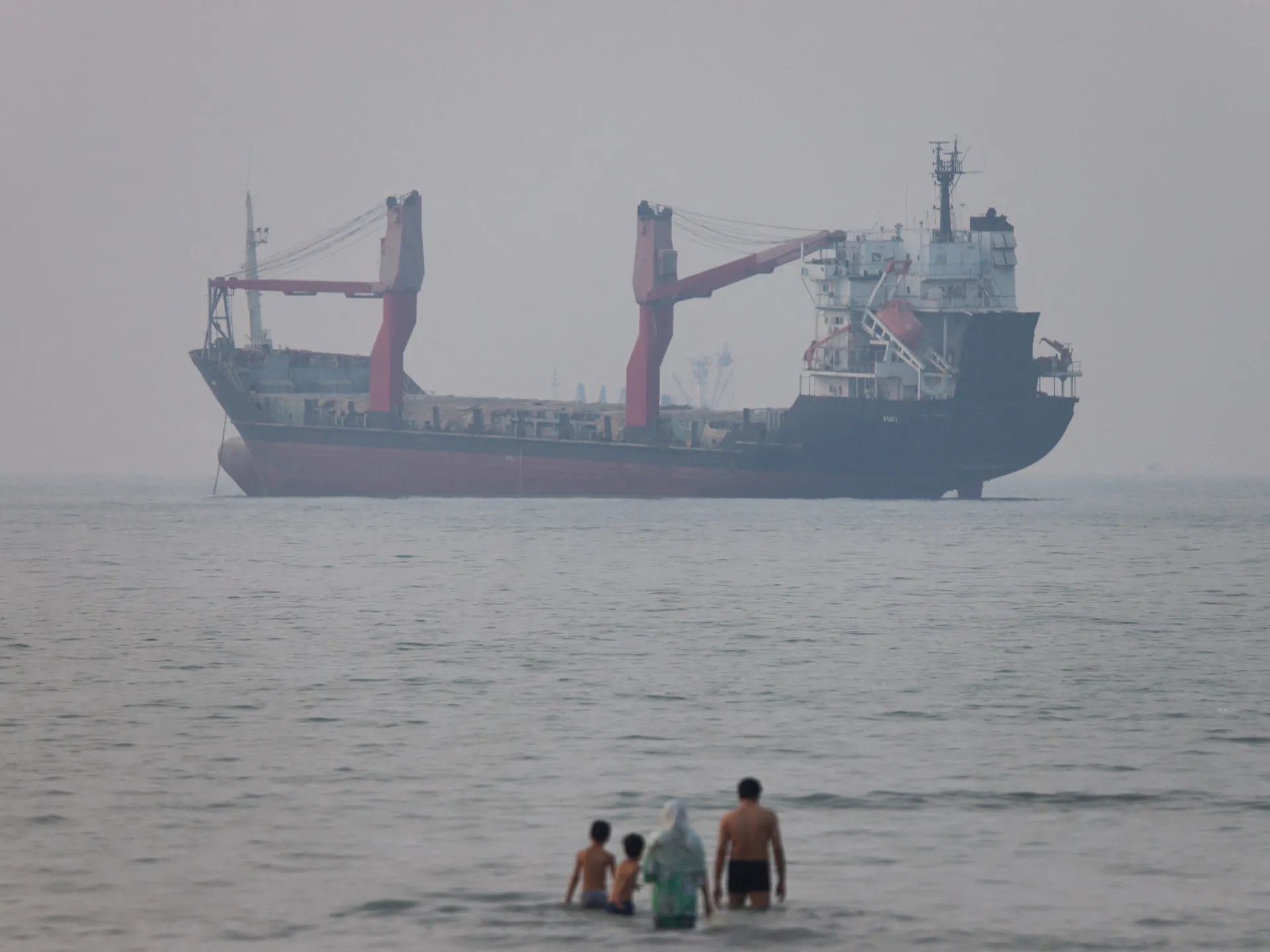
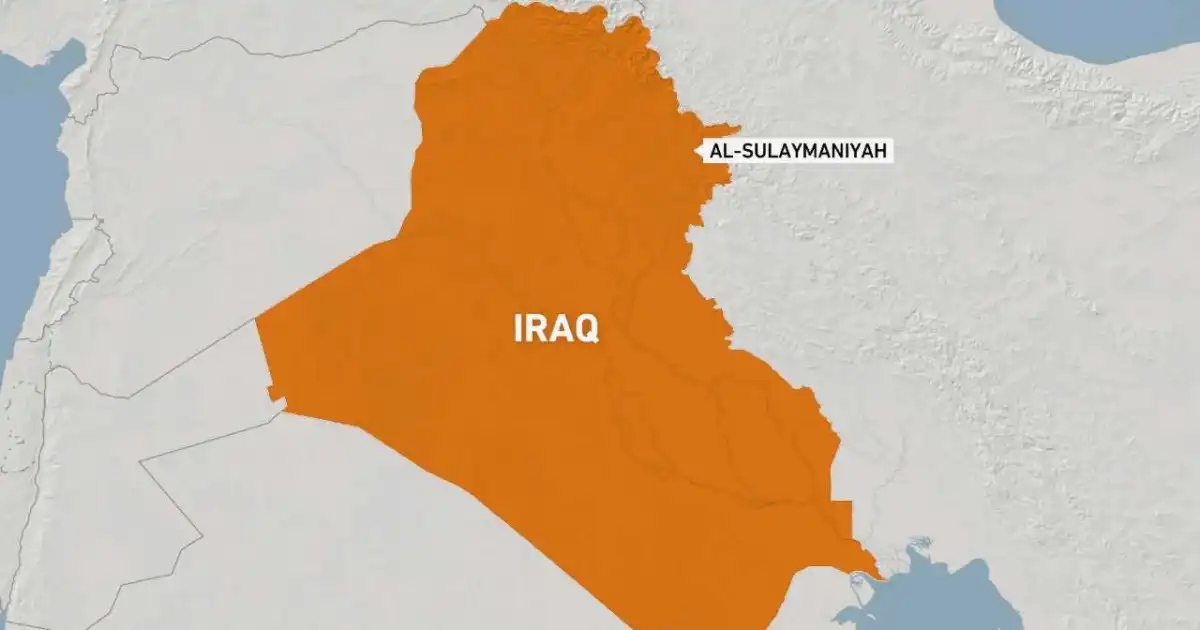
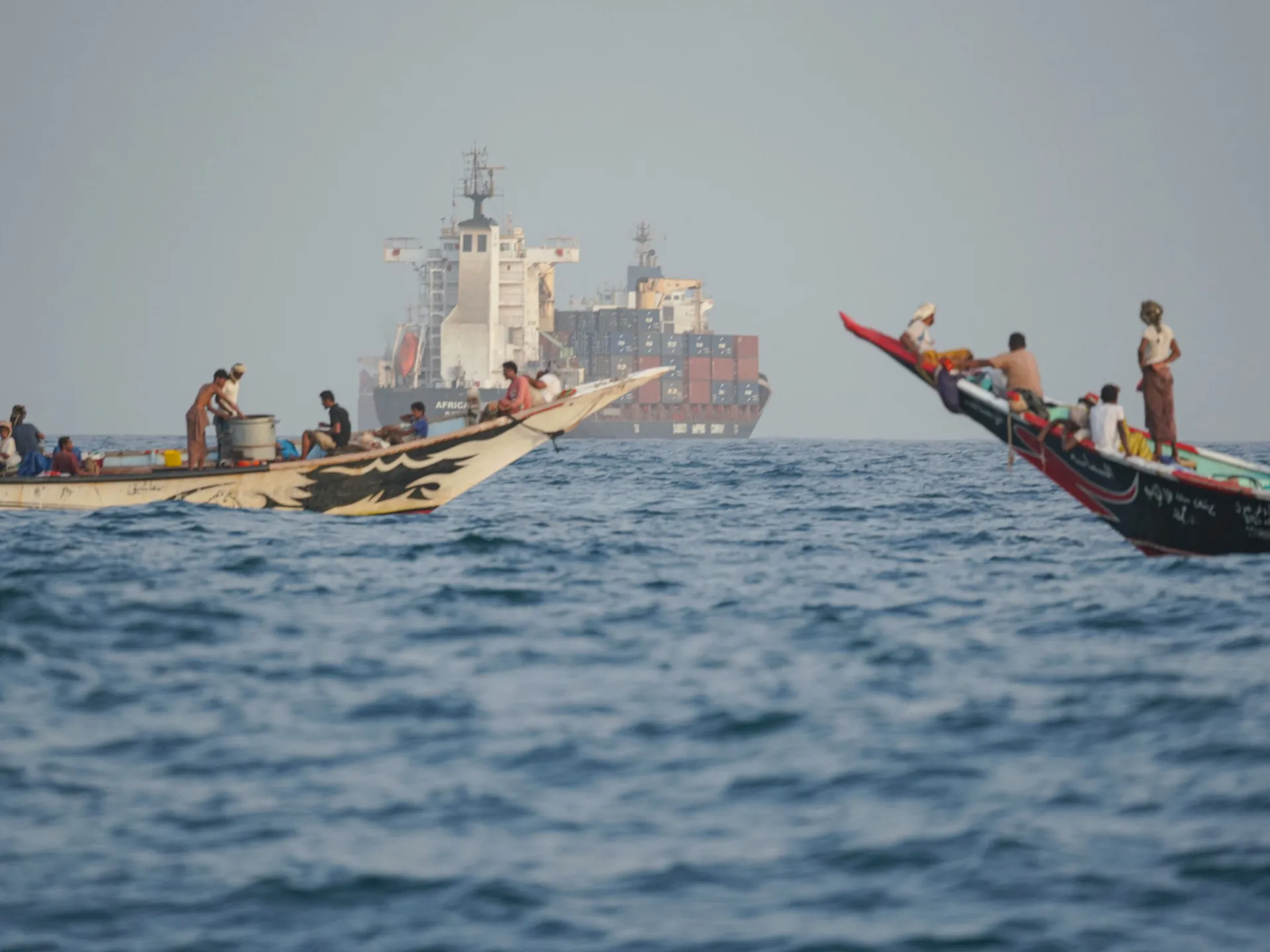
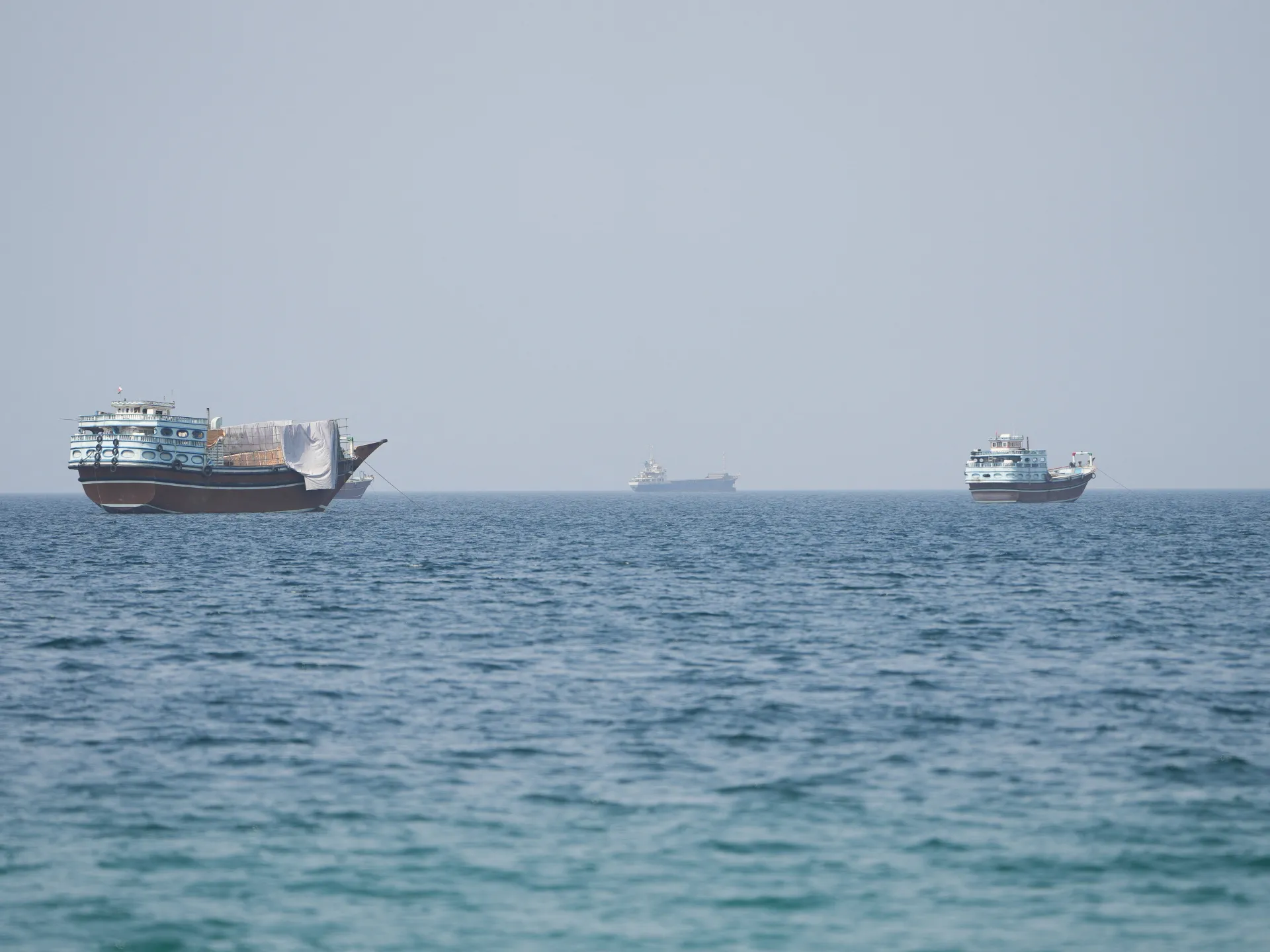
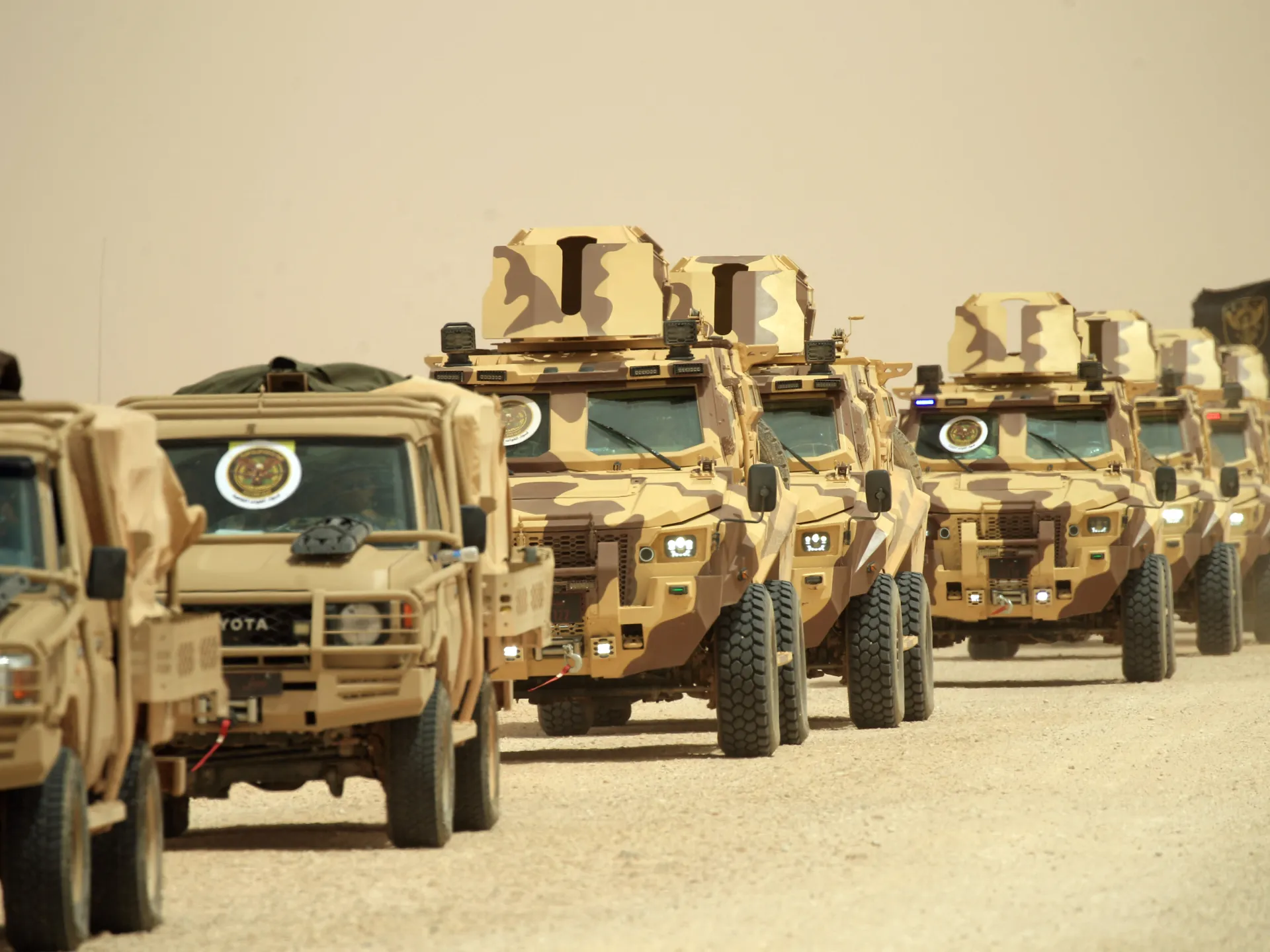
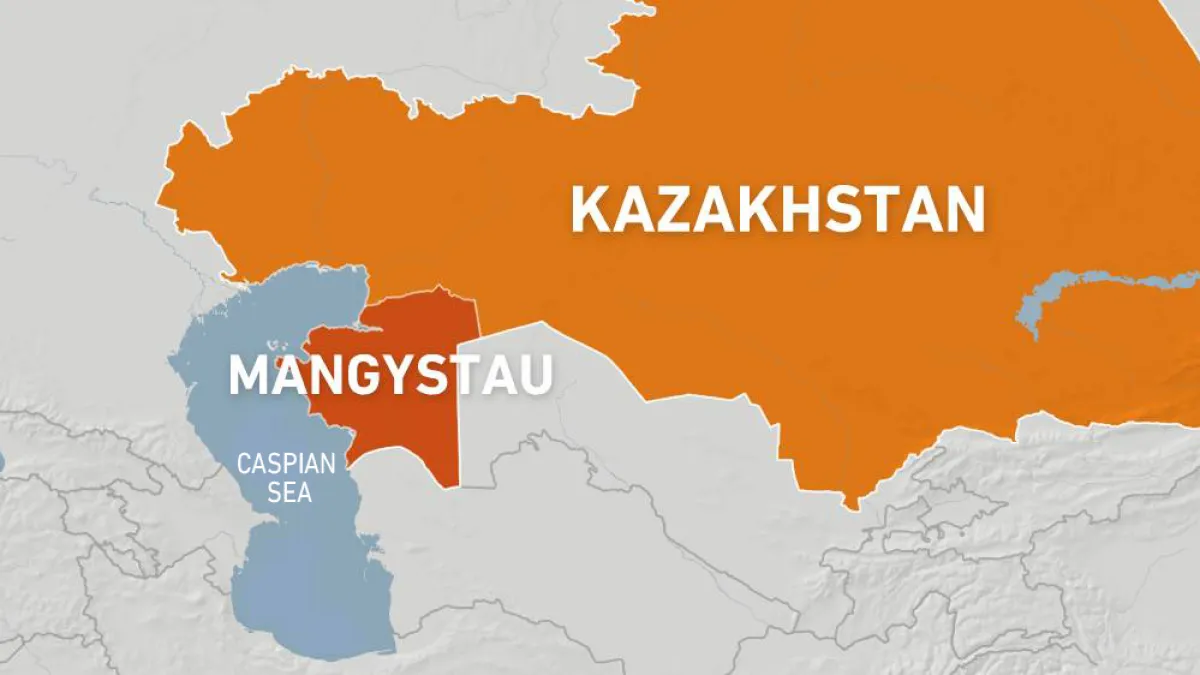
Military officials in Kazakhstan have confirmed that at least nine personnel lost their lives after being swept away during a combat training exercise in the Mangystau region. According to the country’s Defence Ministry, the incident involved a total of 19 soldiers who were caught in dangerous conditions while operating near the Caspian coast.
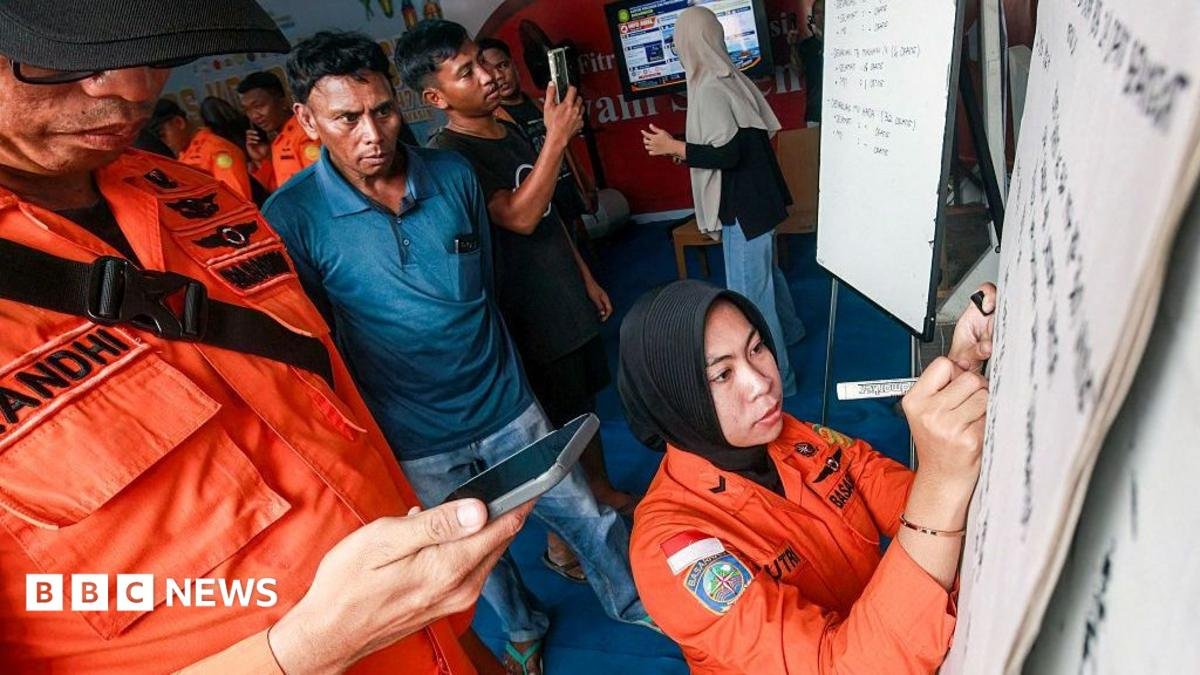
As of the most recent updates, search and rescue operations remain active to locate the remaining missing personnel. Three individuals have been successfully recovered, but the ministry has not yet disclosed the specific environmental factors or equipment failures that led to the mass casualty event. While authorities have confirmed the deaths of nine, the total number of casualties remains subject to change as the recovery efforts progress in the harsh waters of the Caspian.
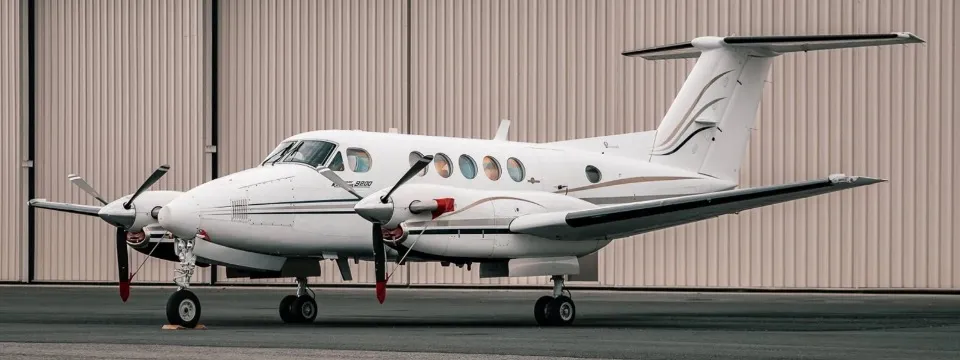
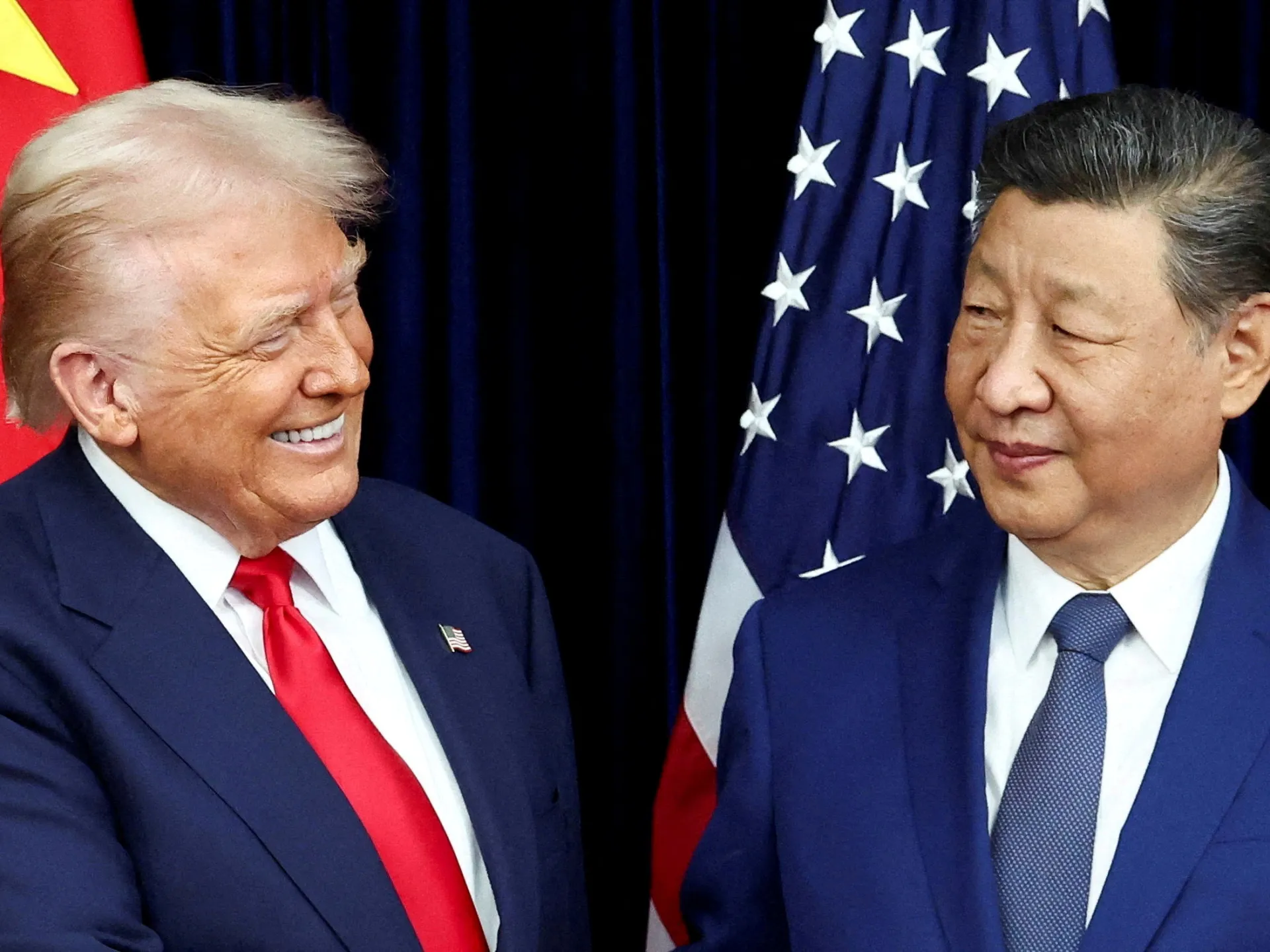
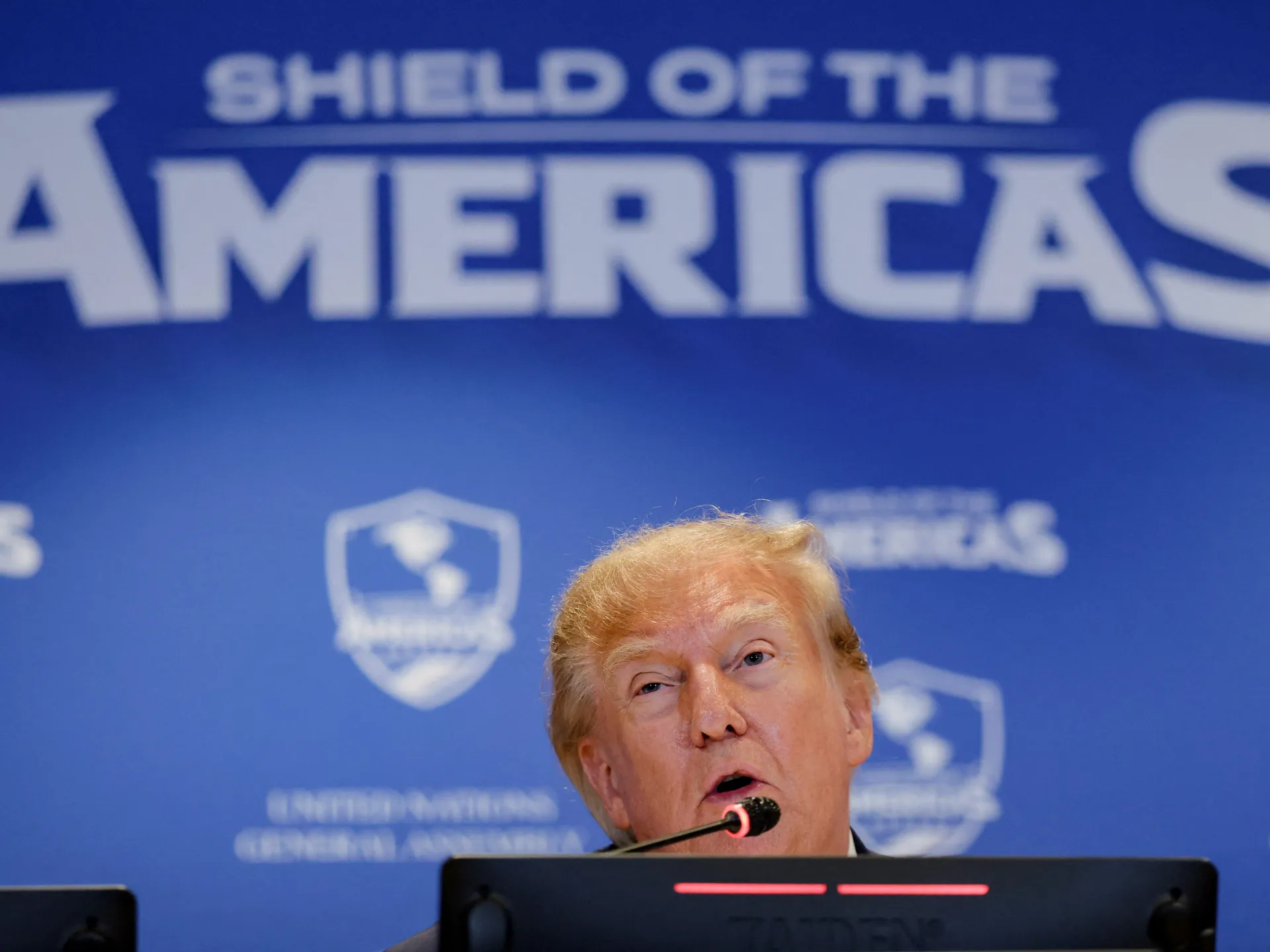
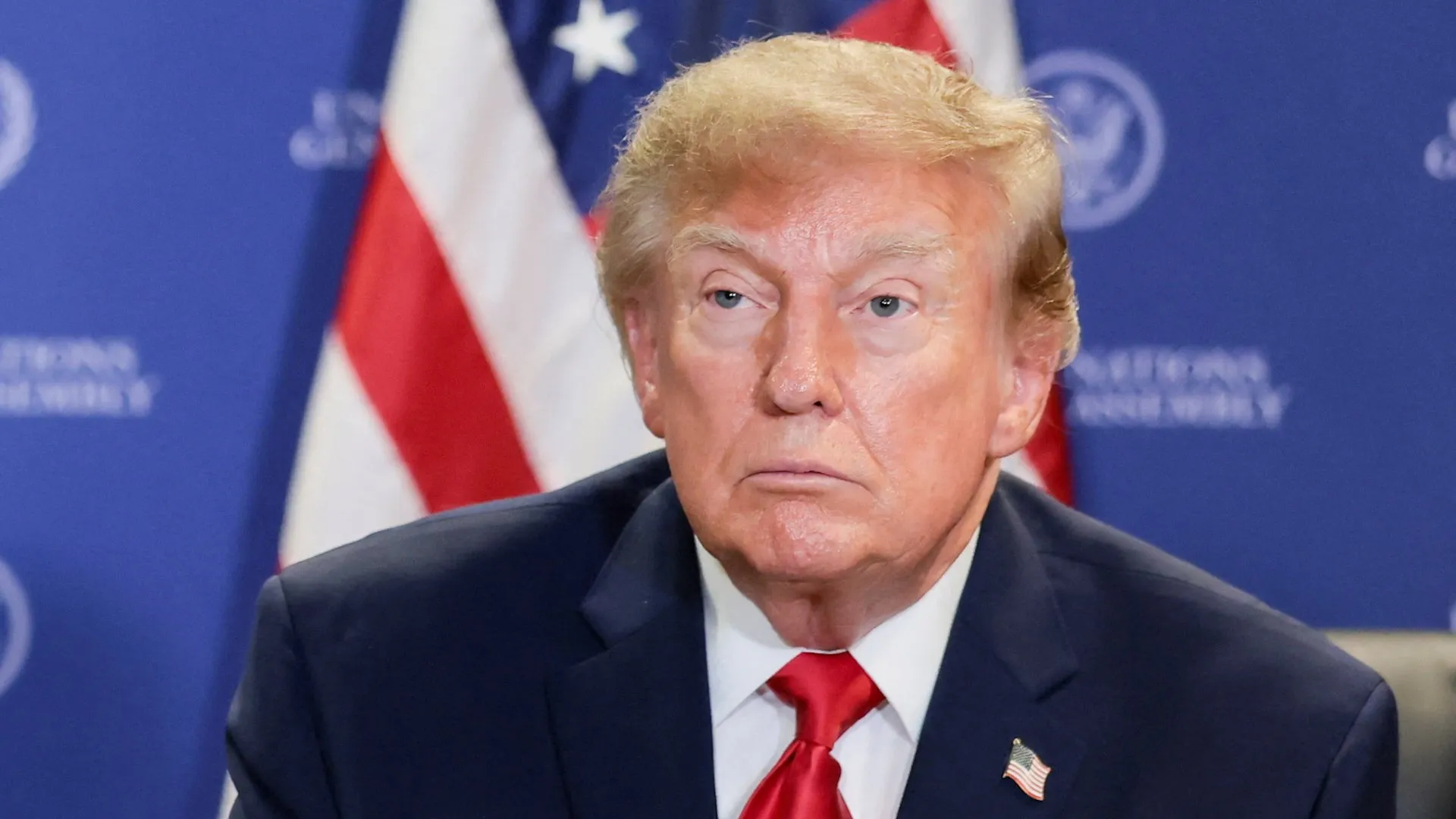
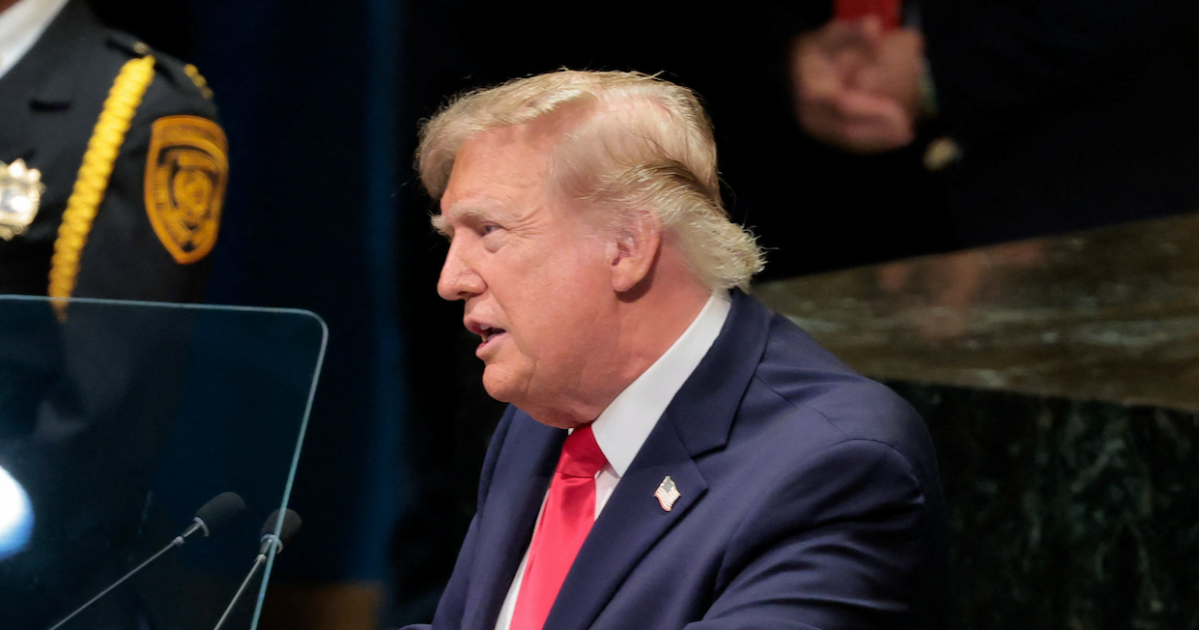
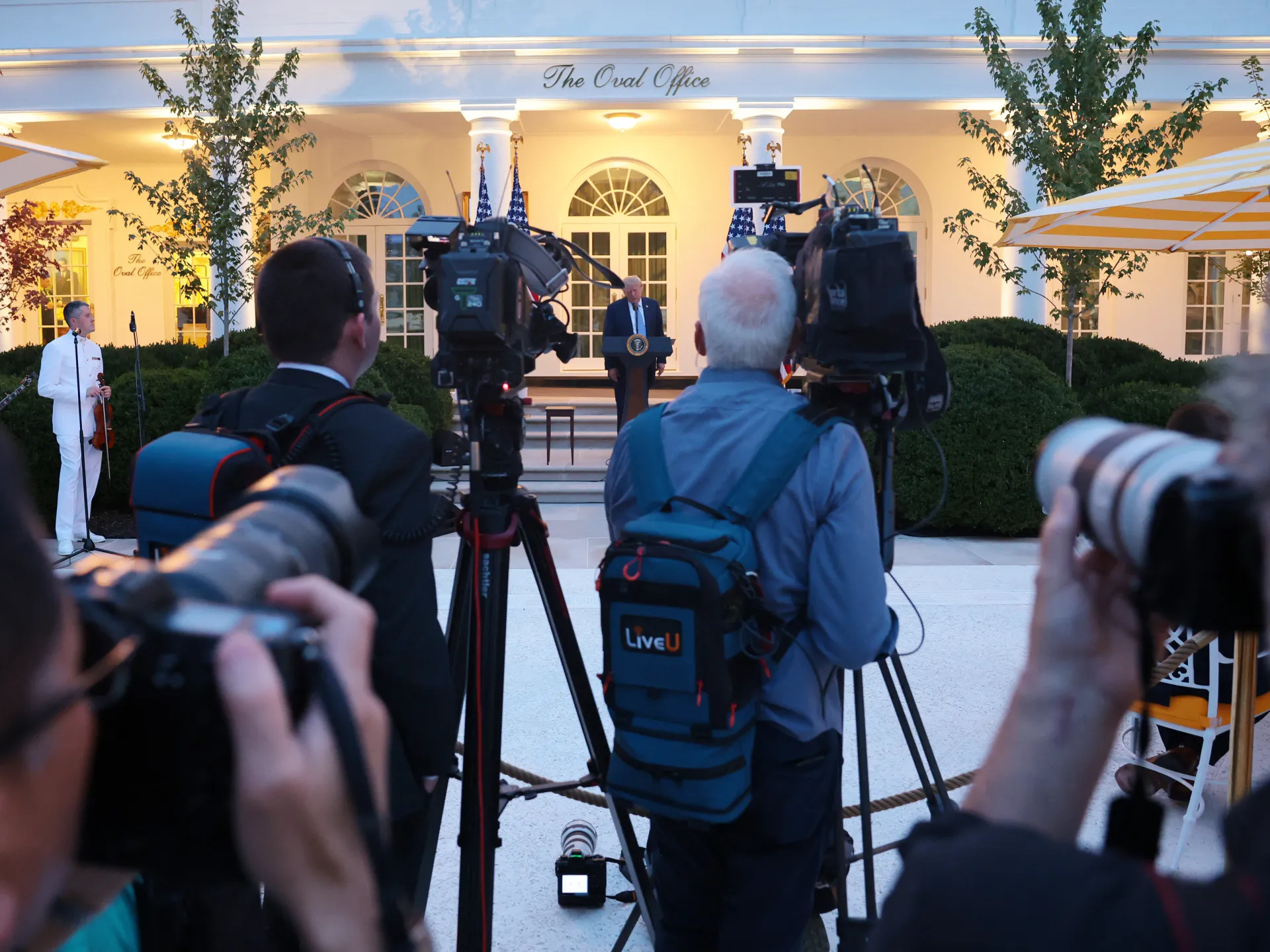
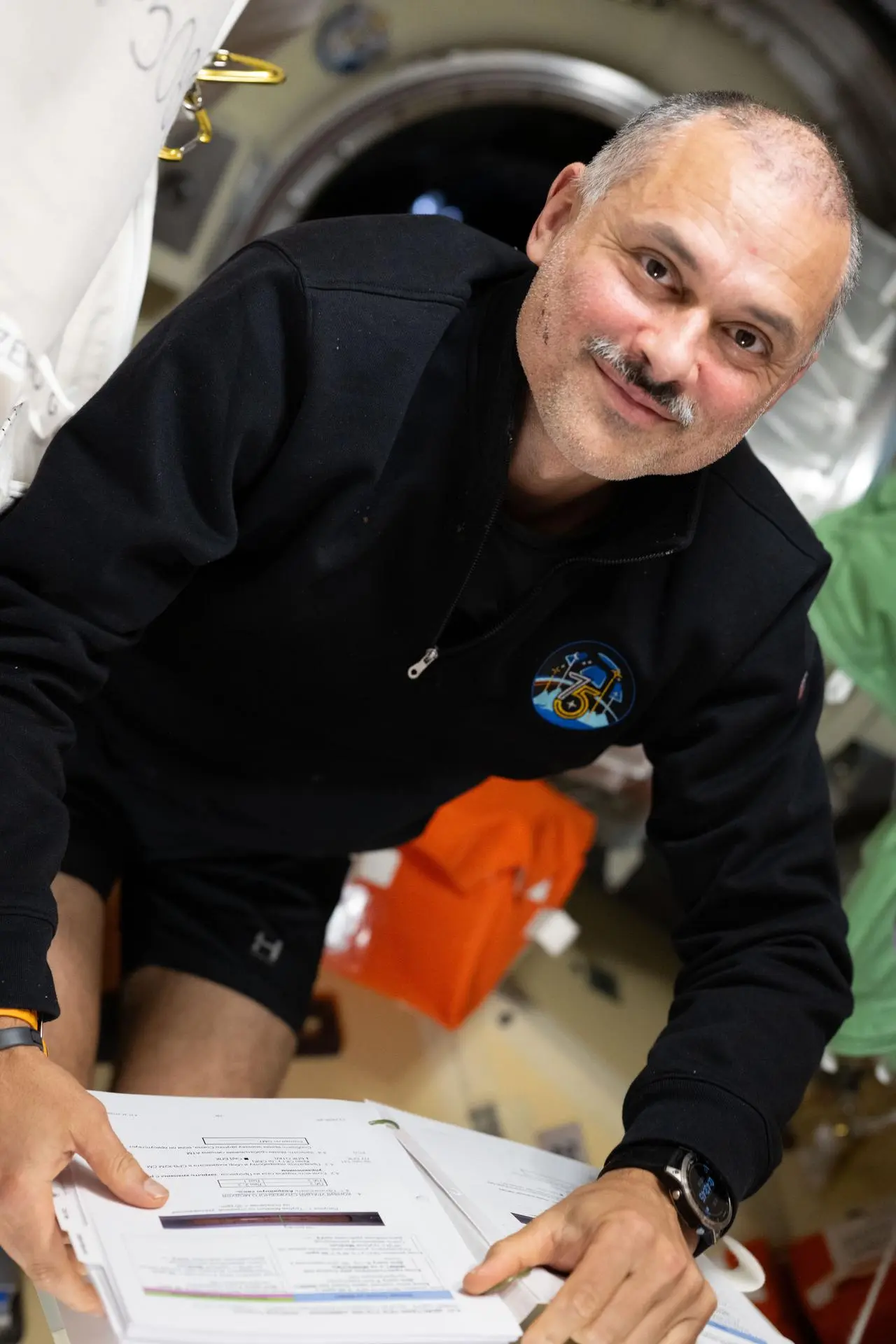
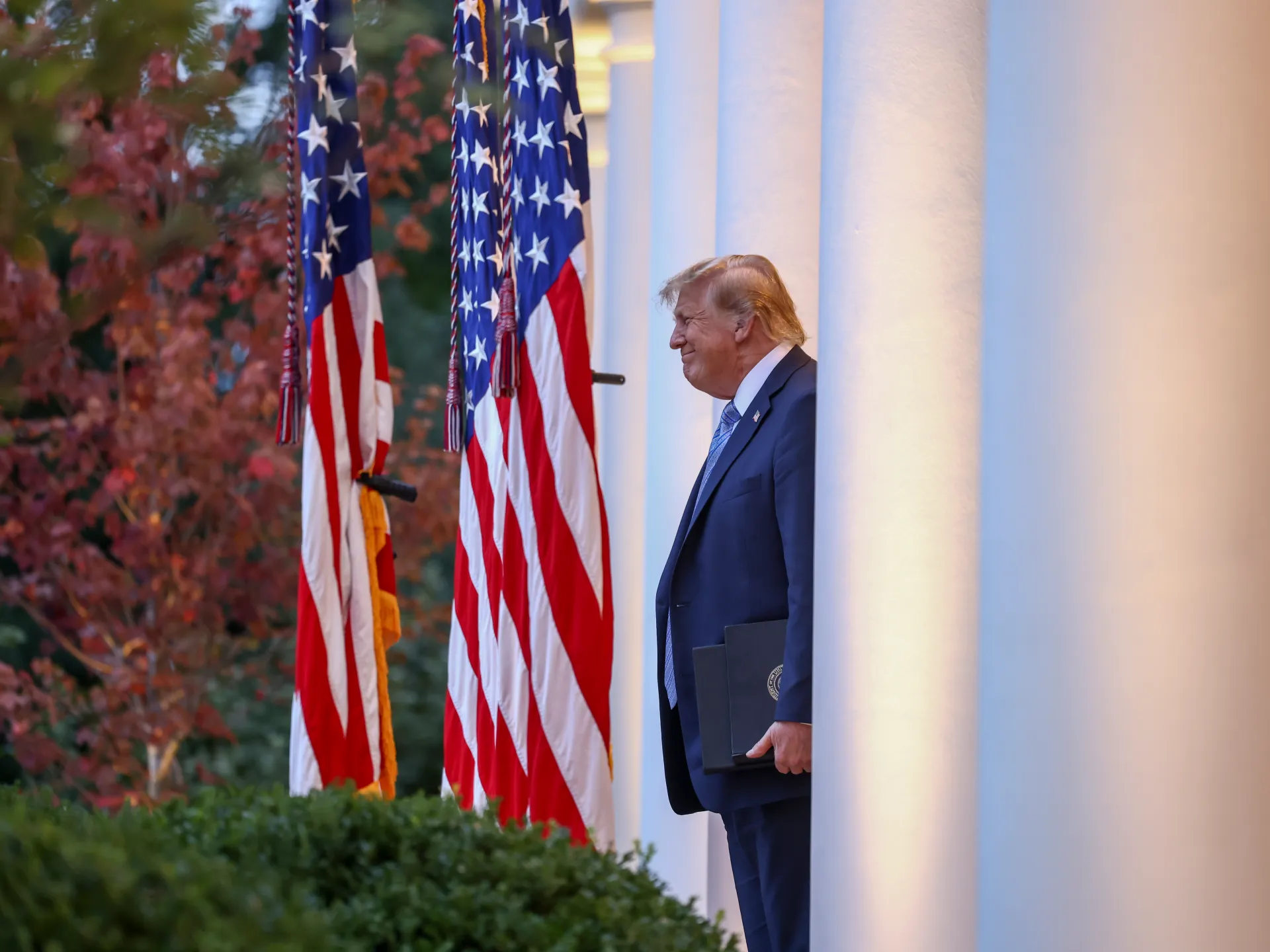
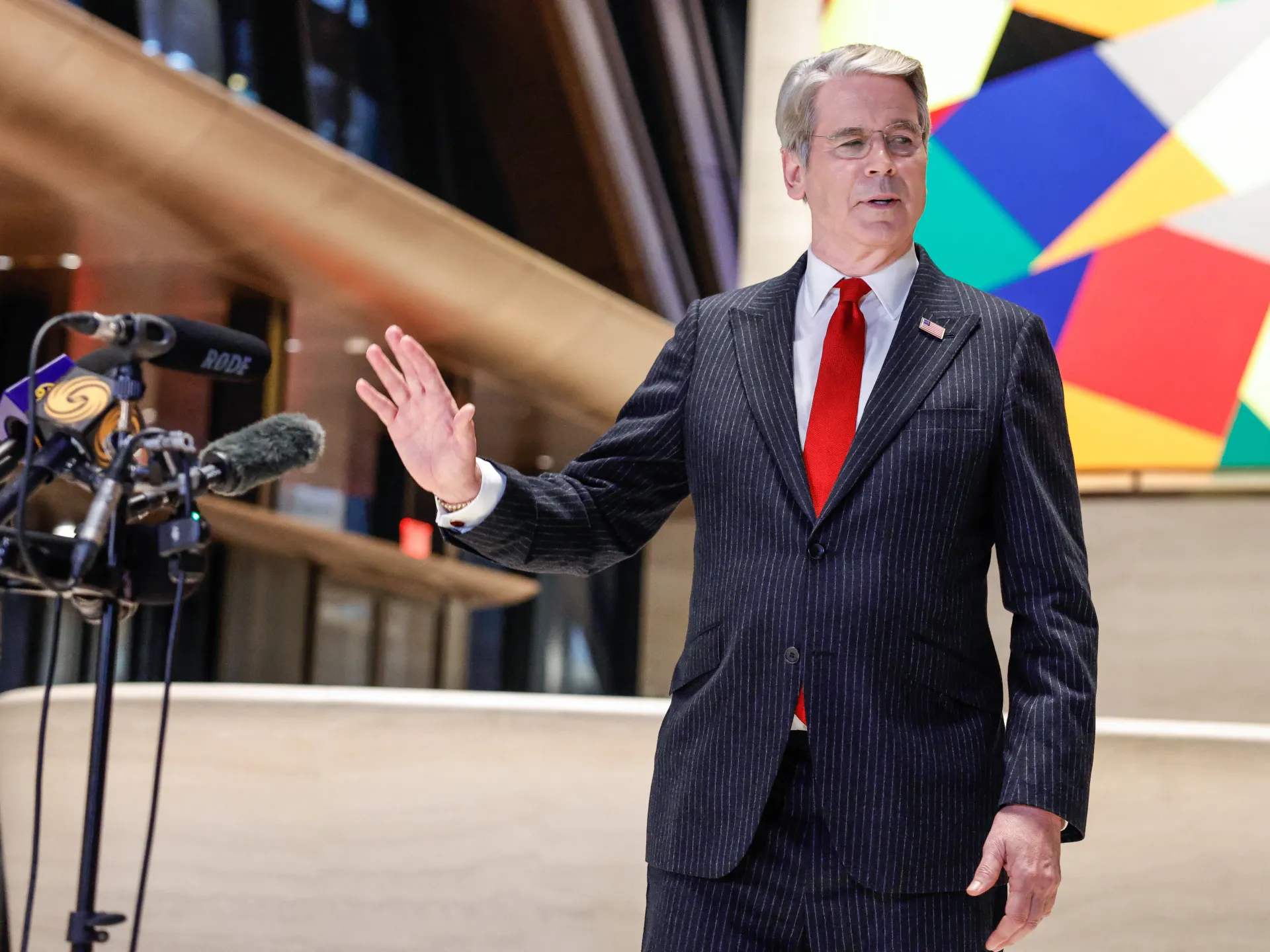
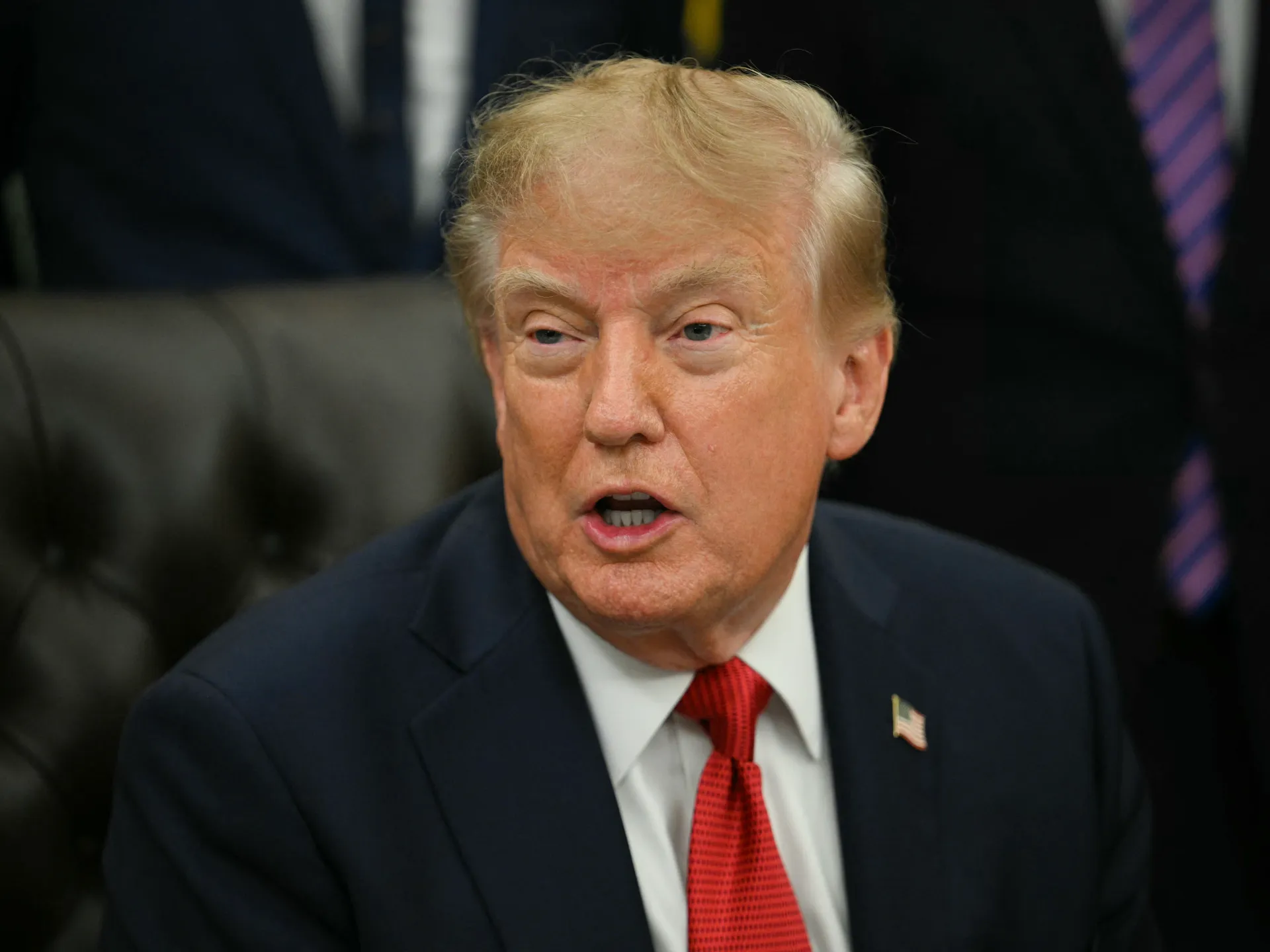
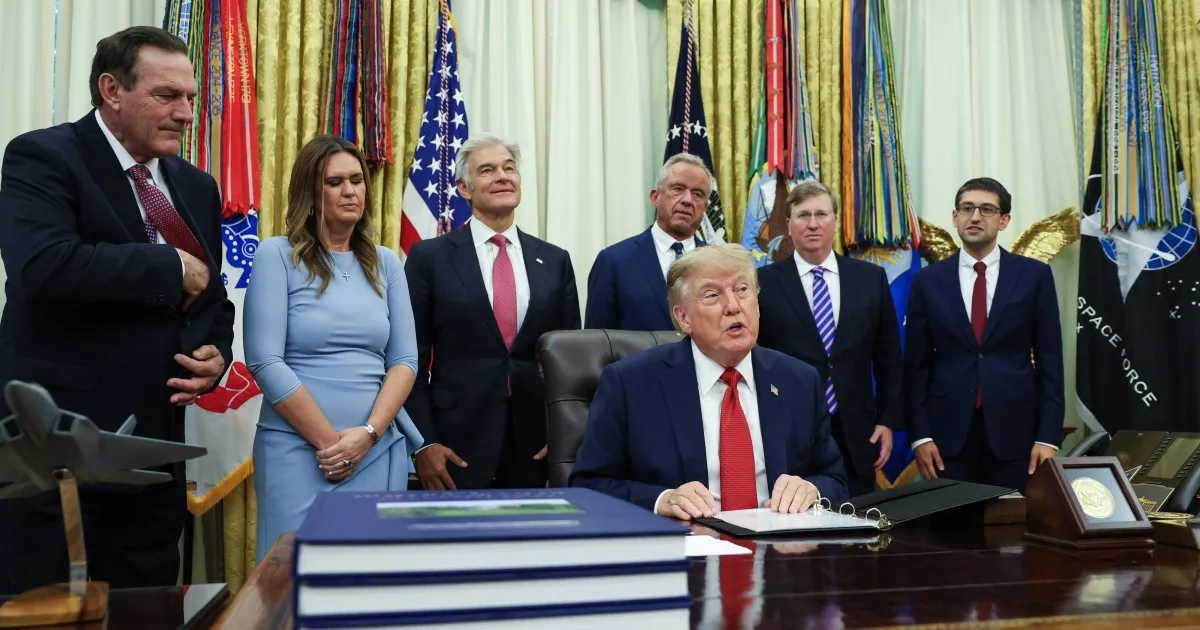
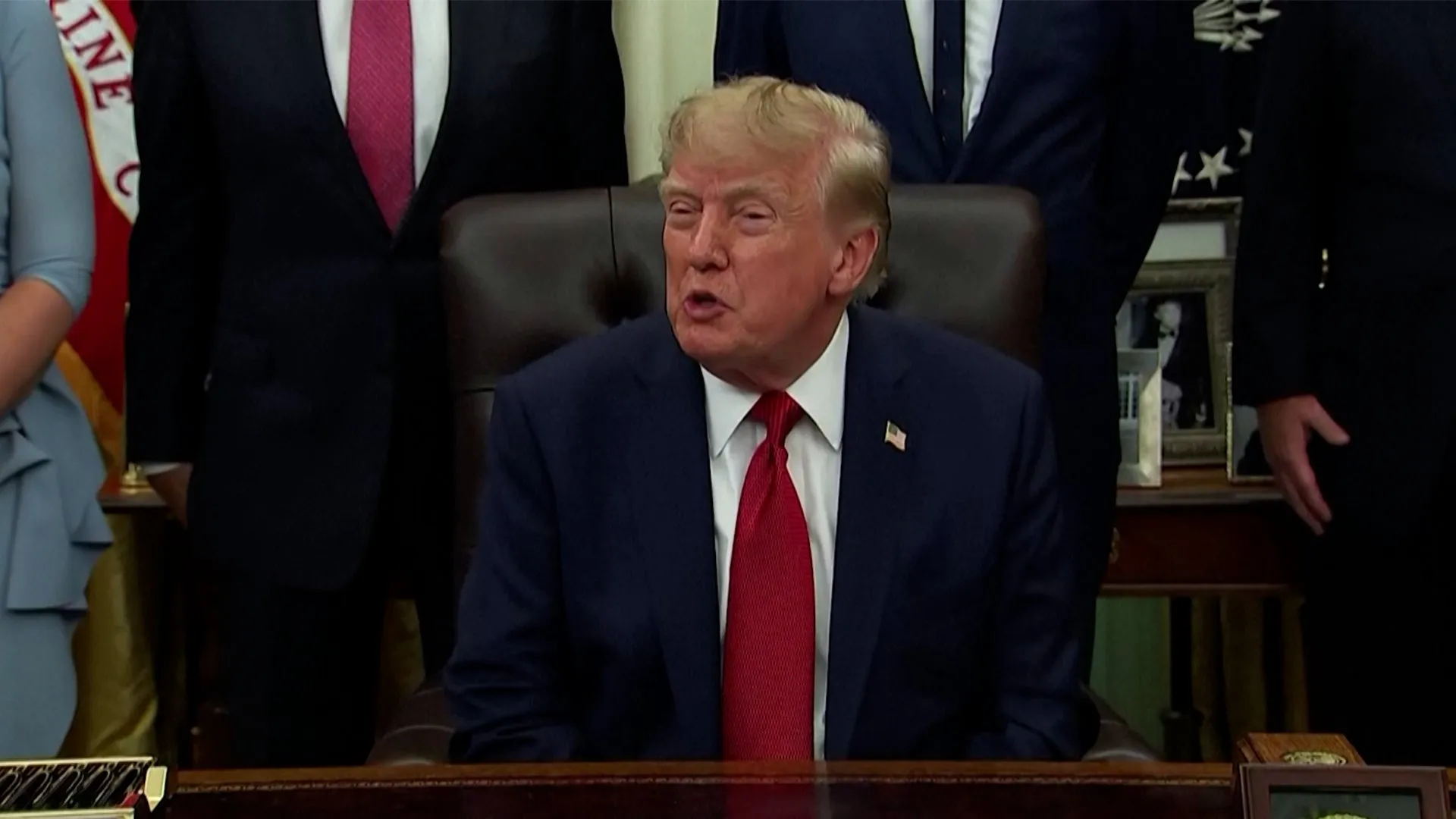
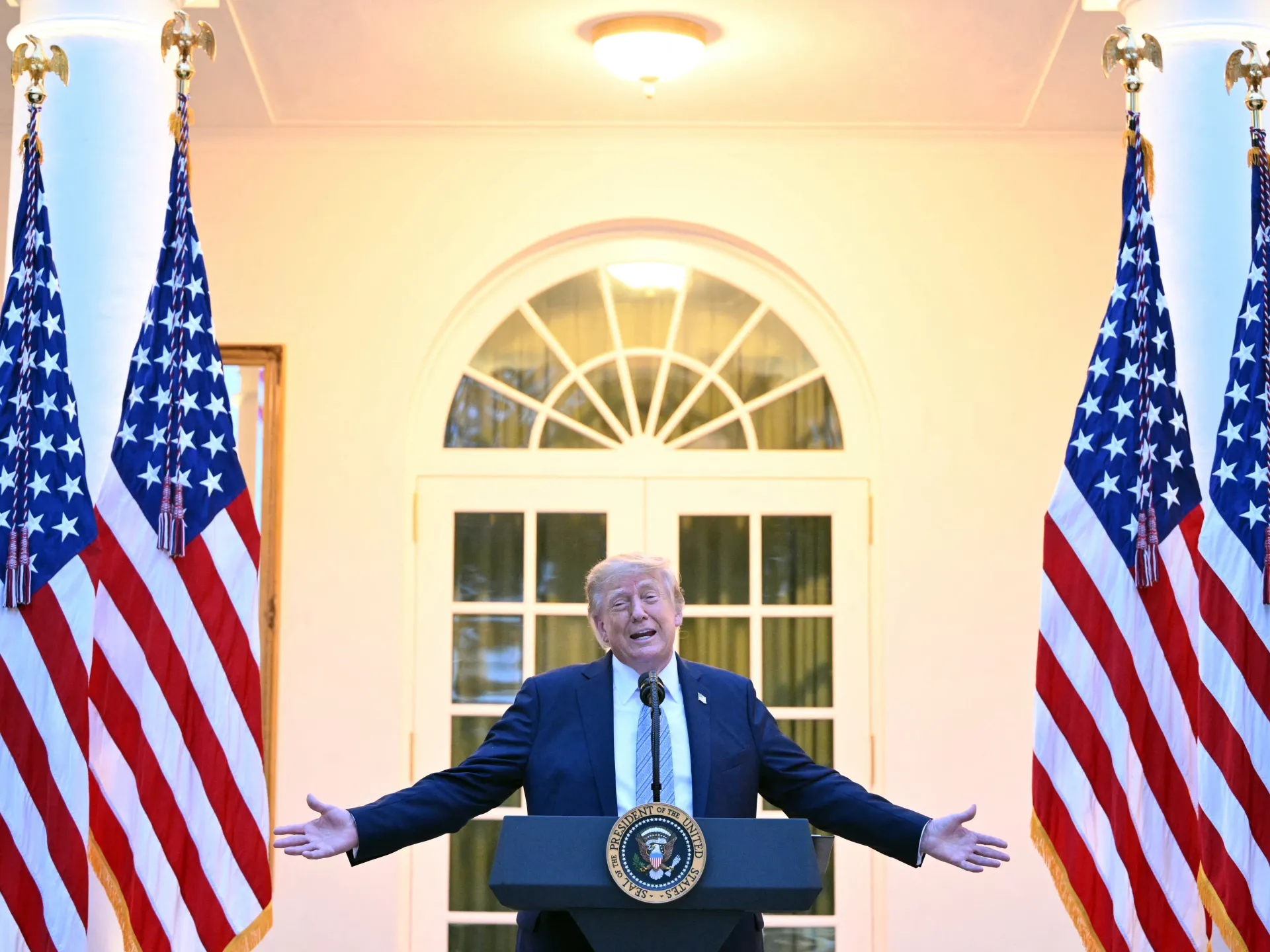
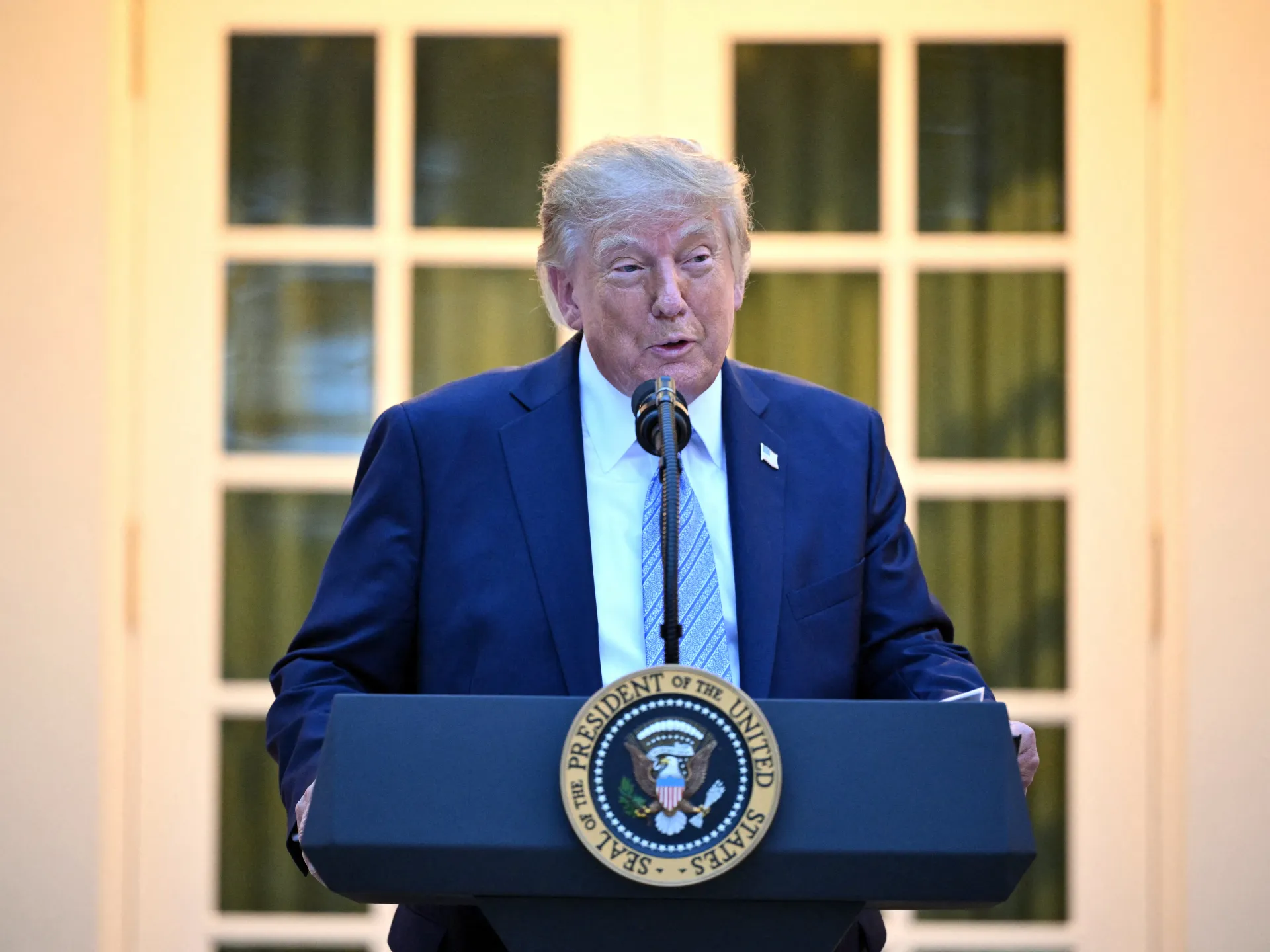
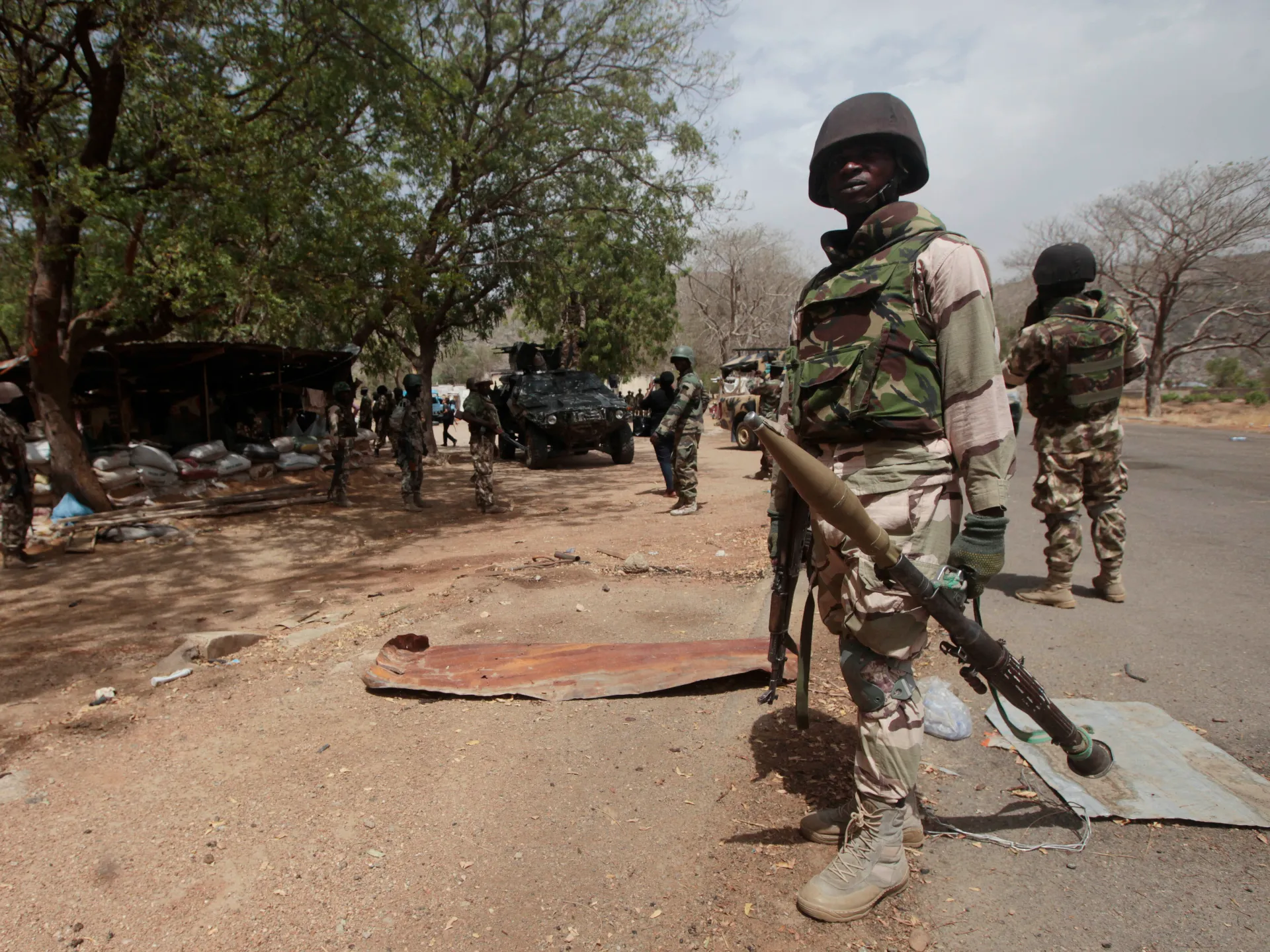
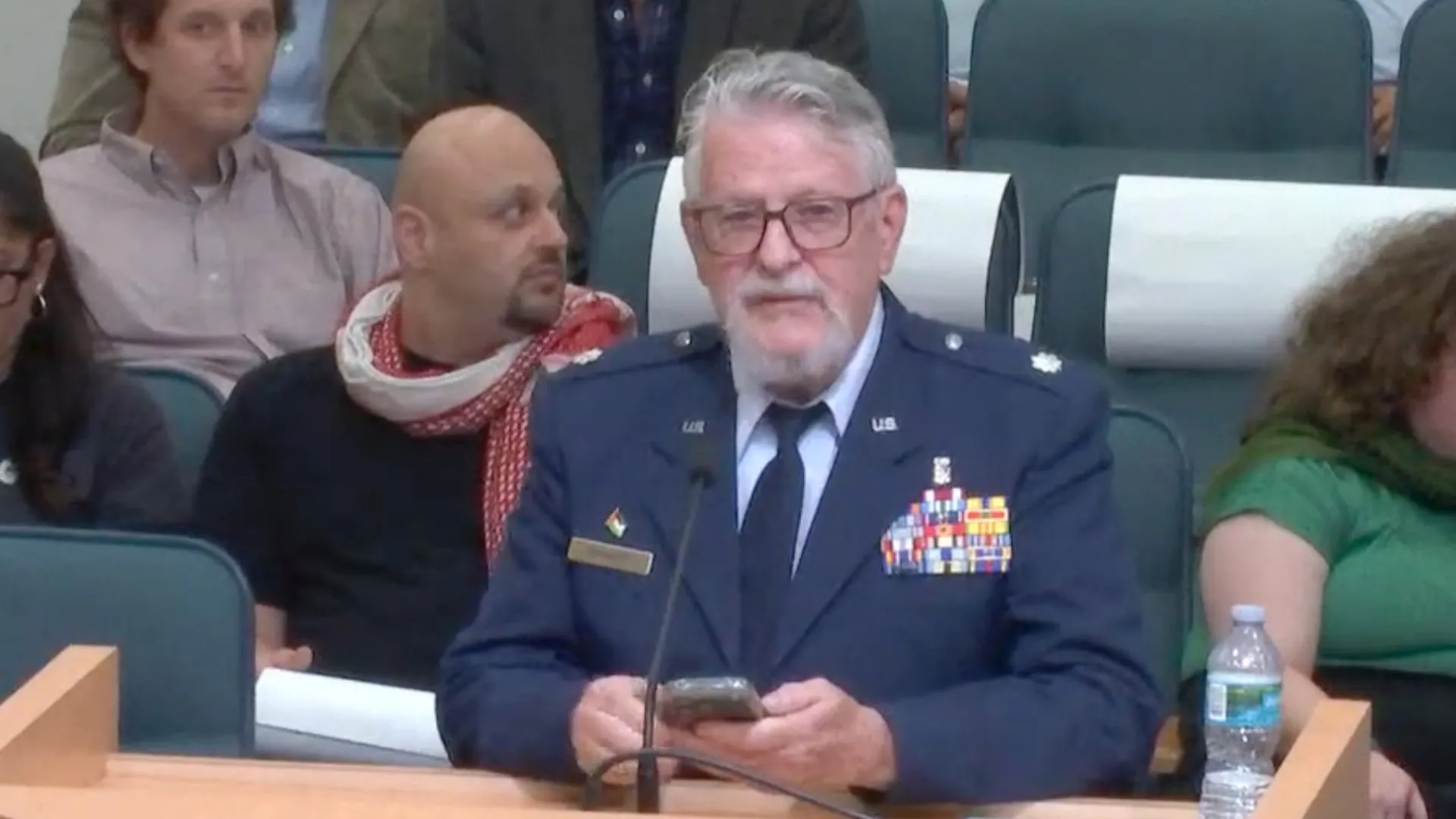
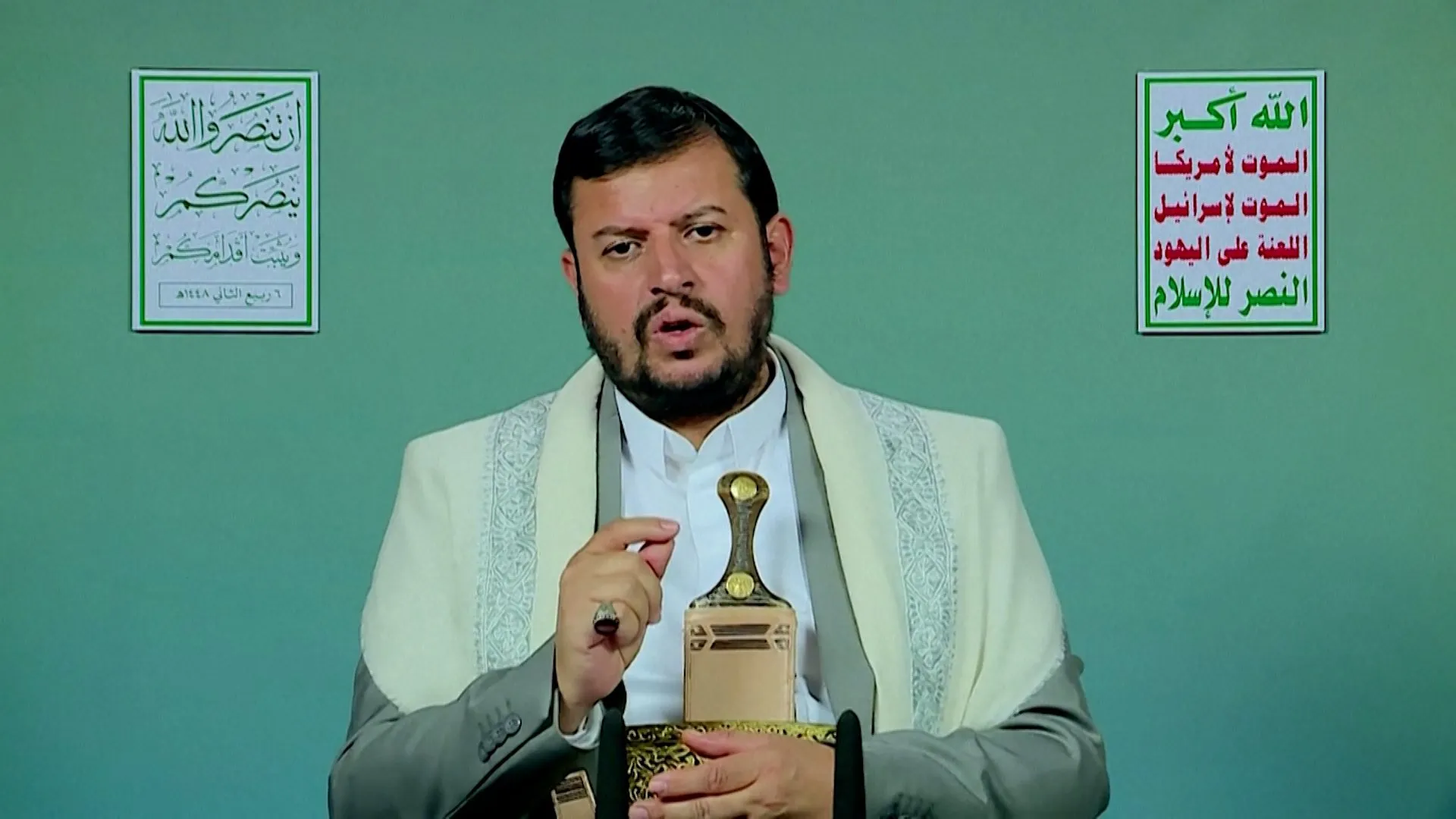
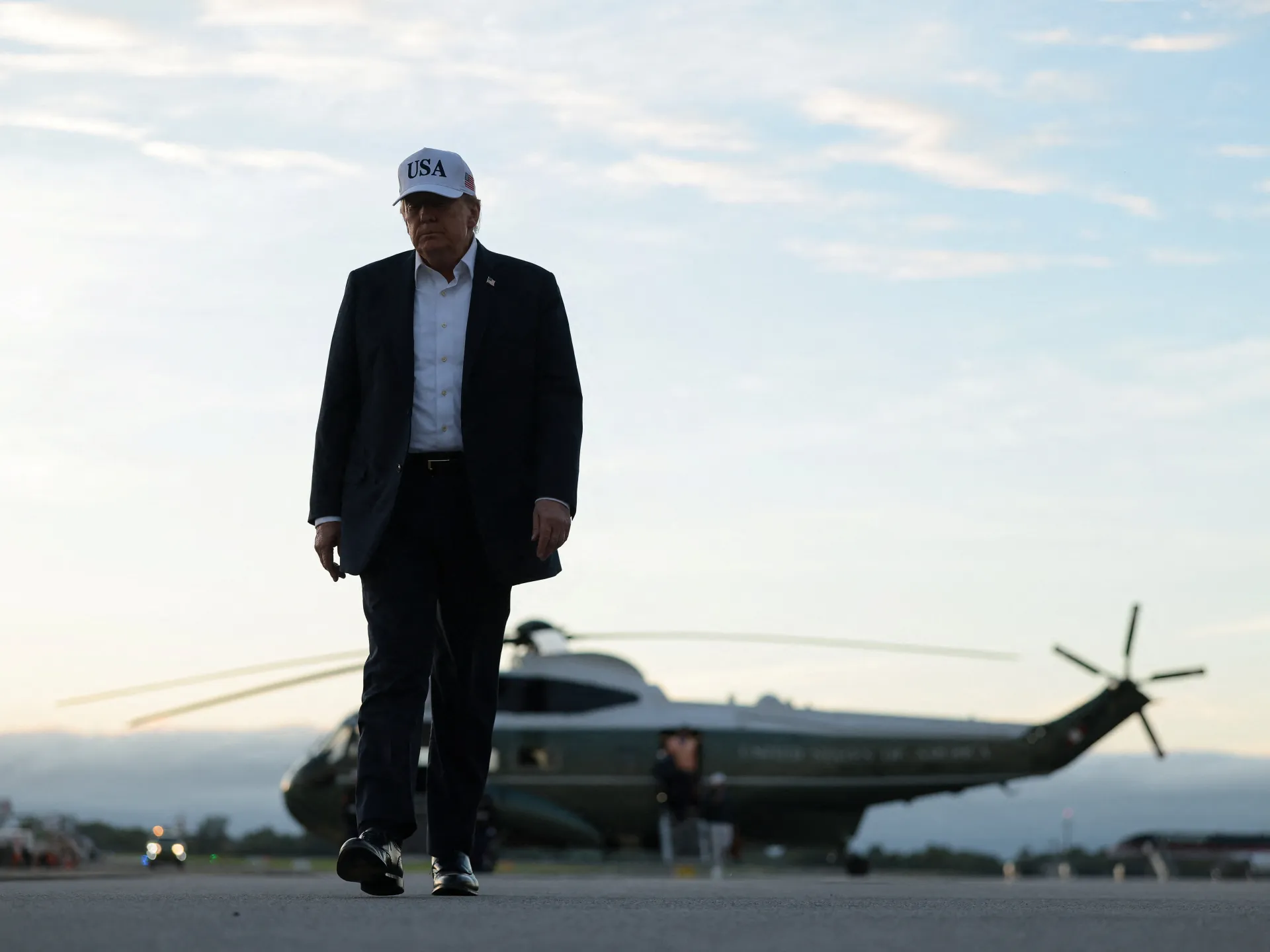
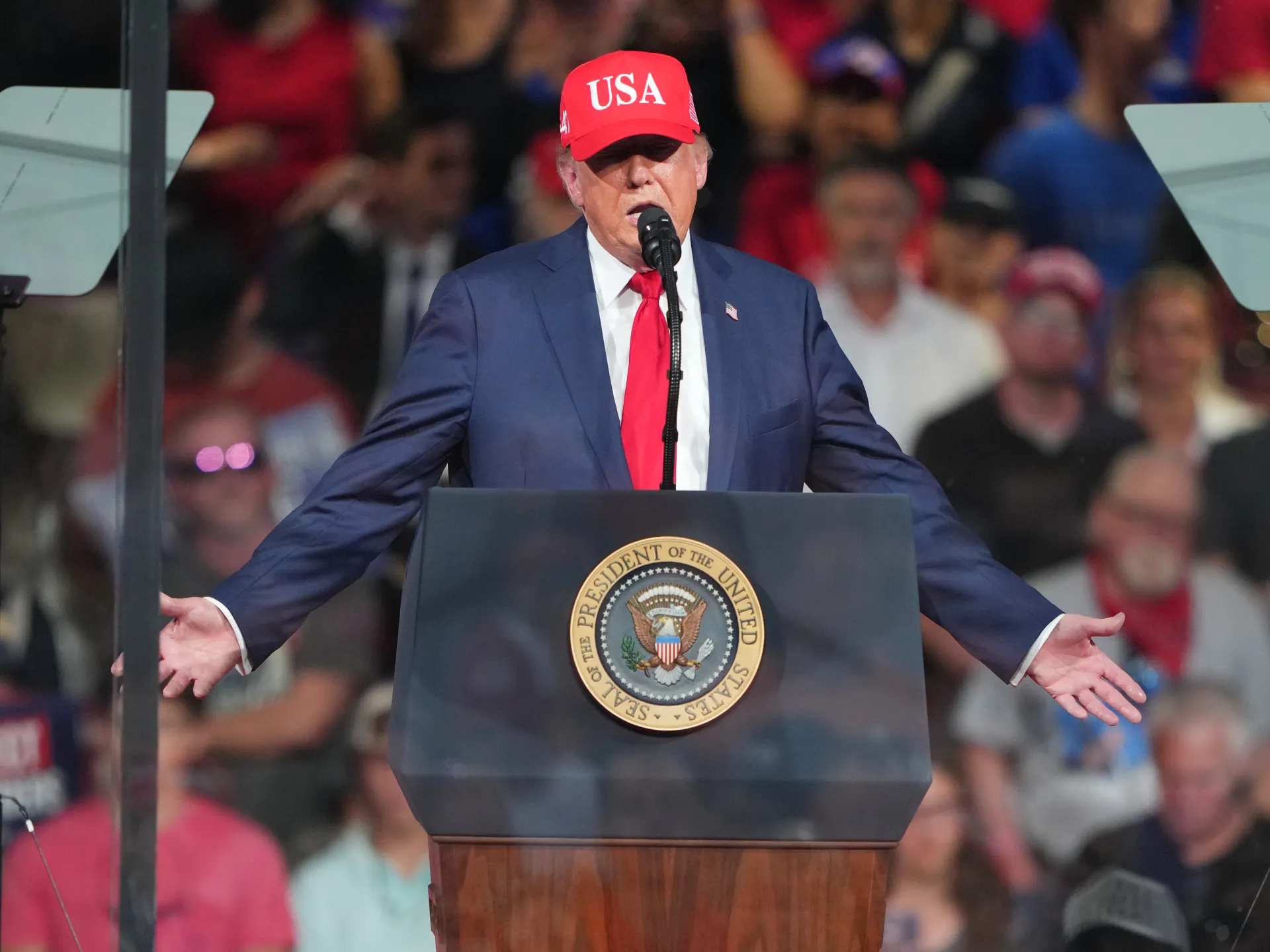
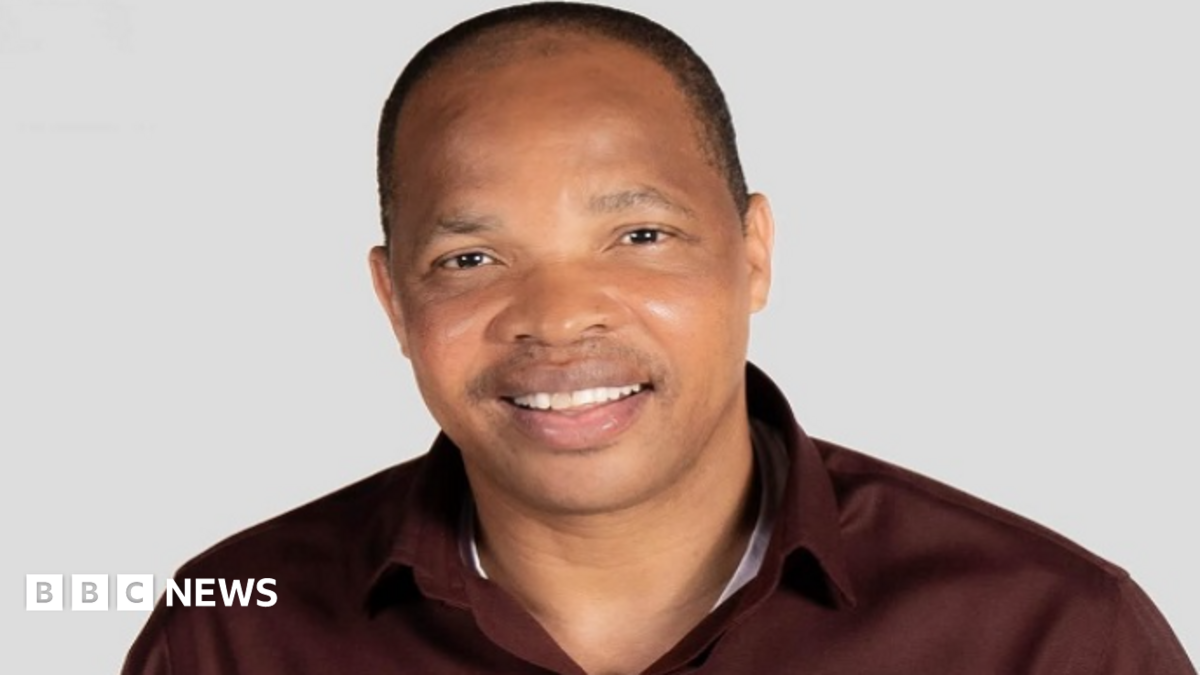
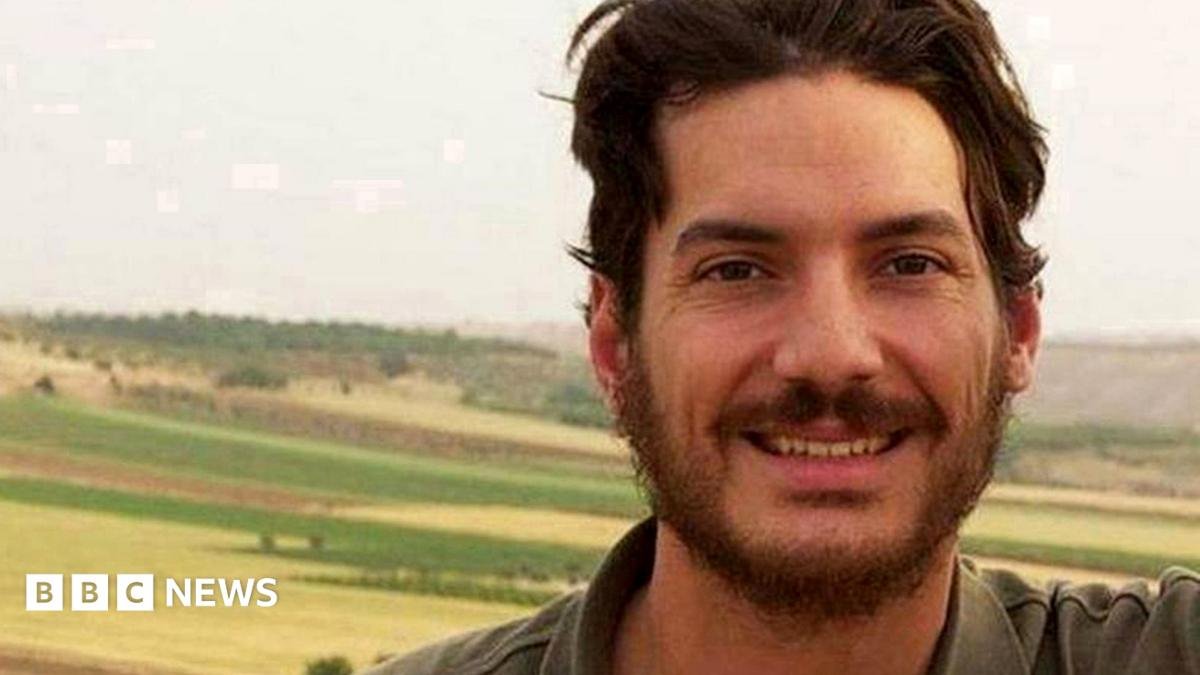
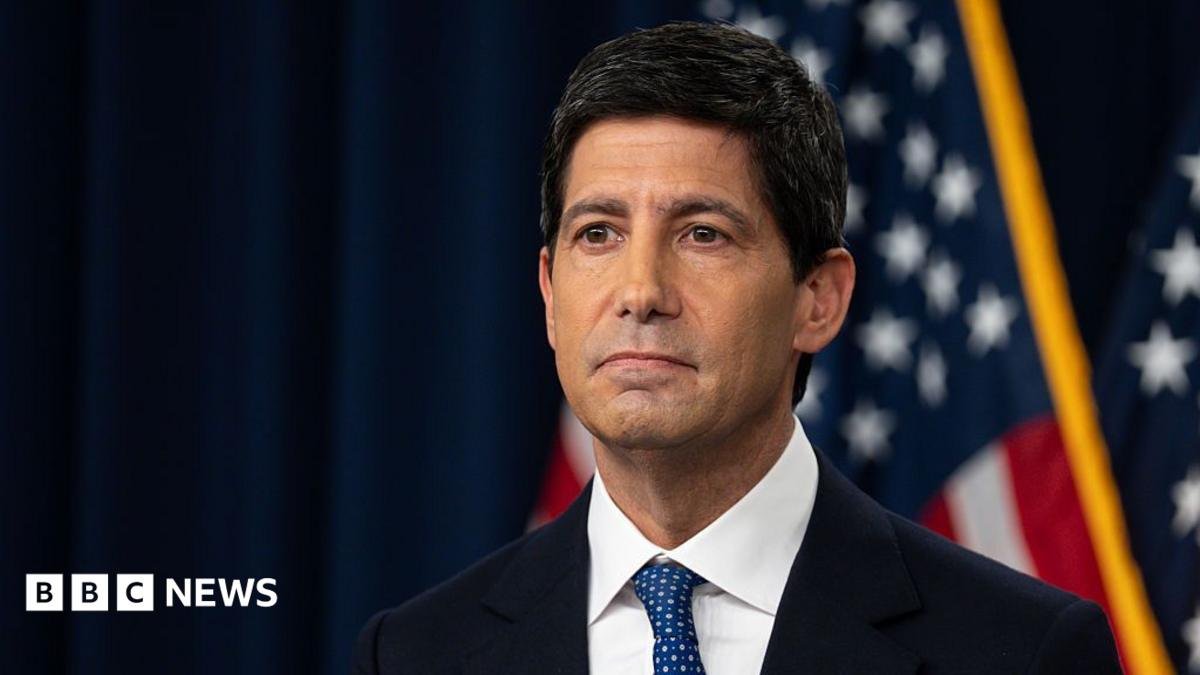
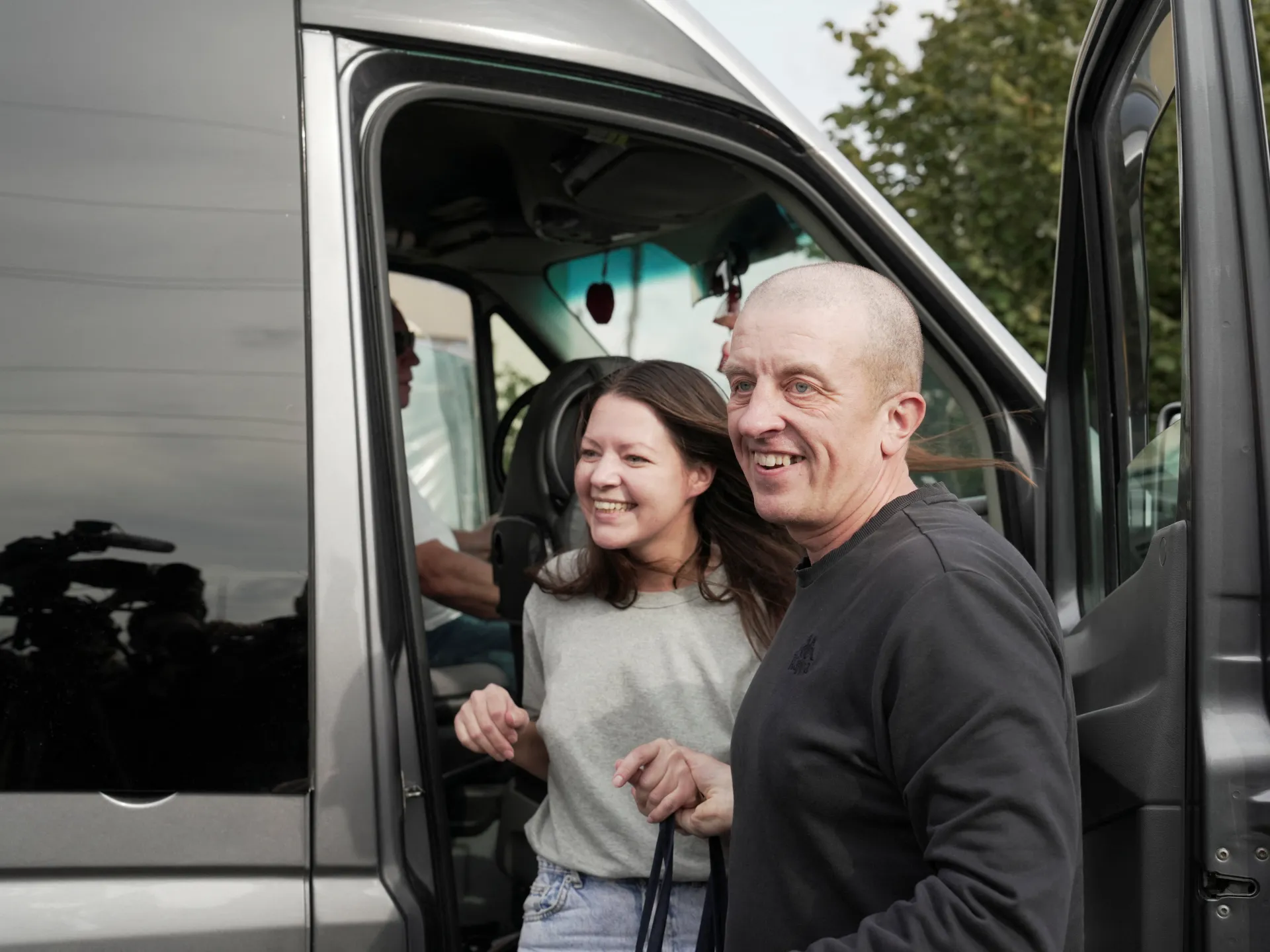
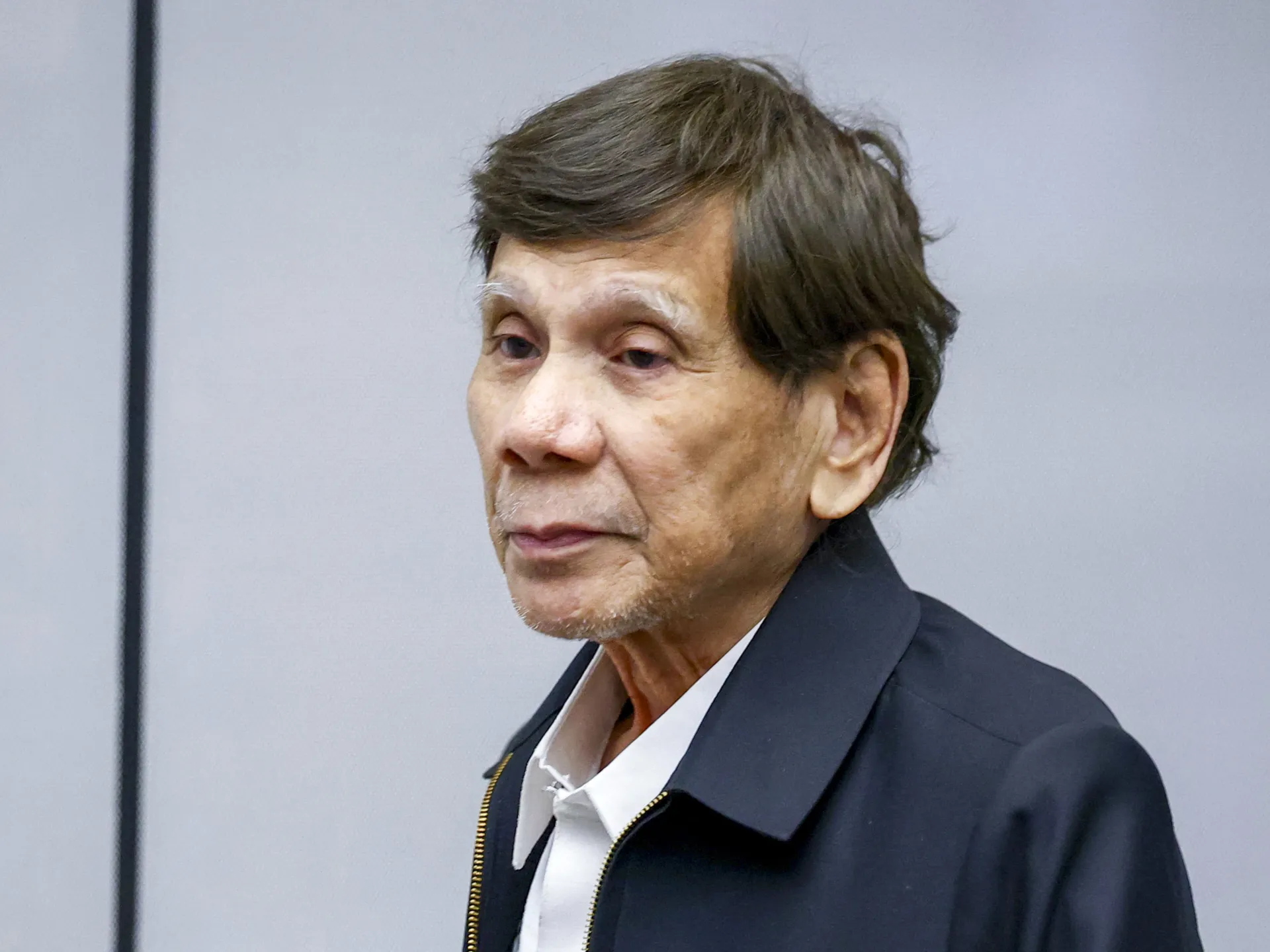
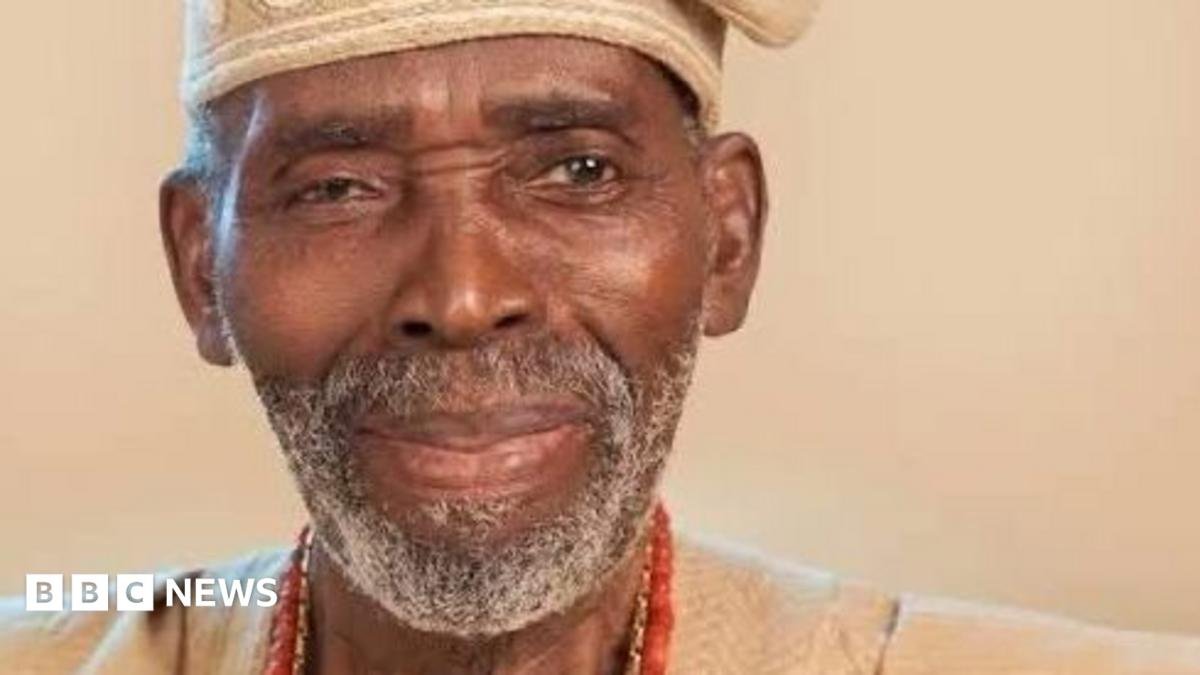
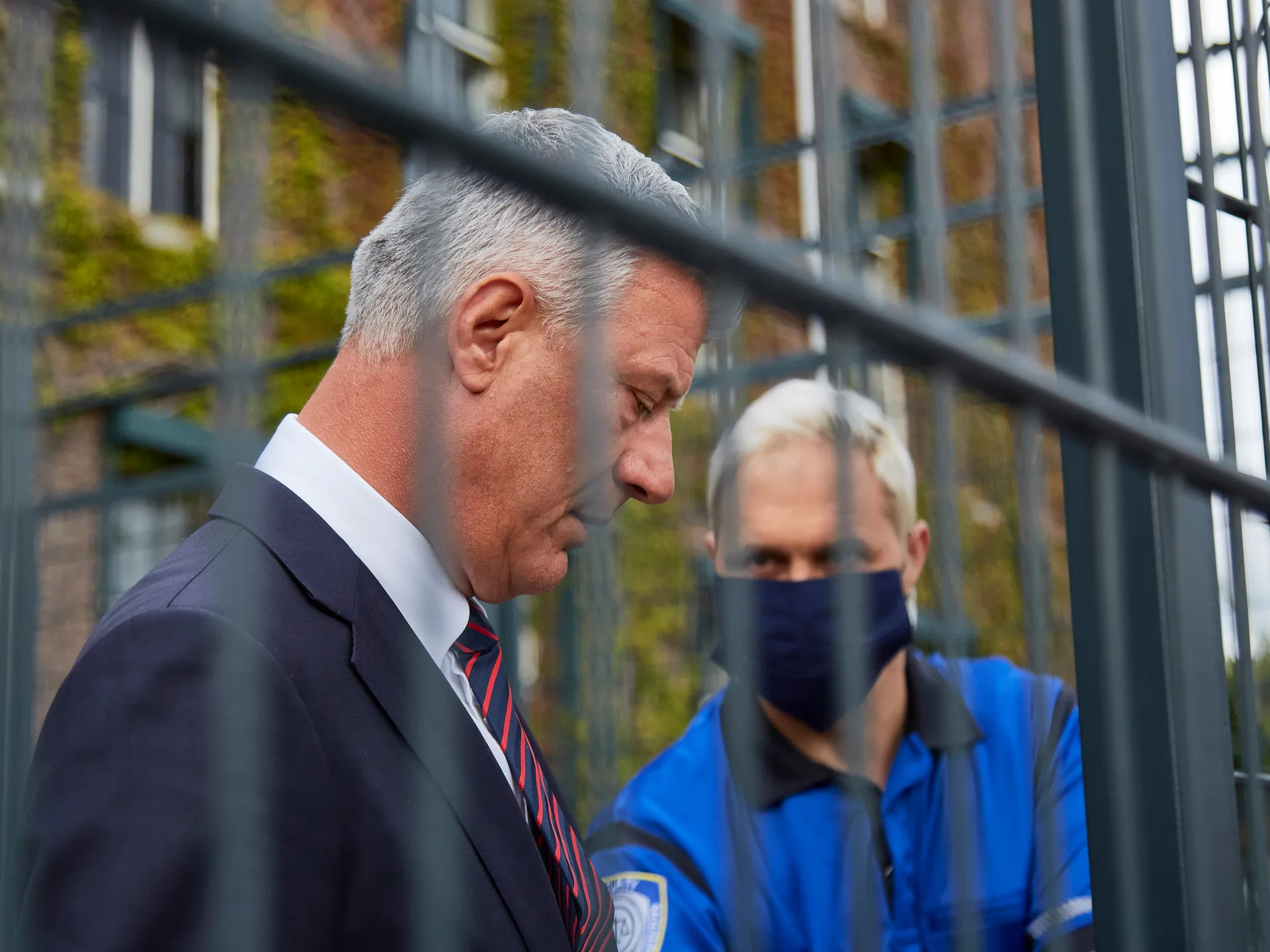
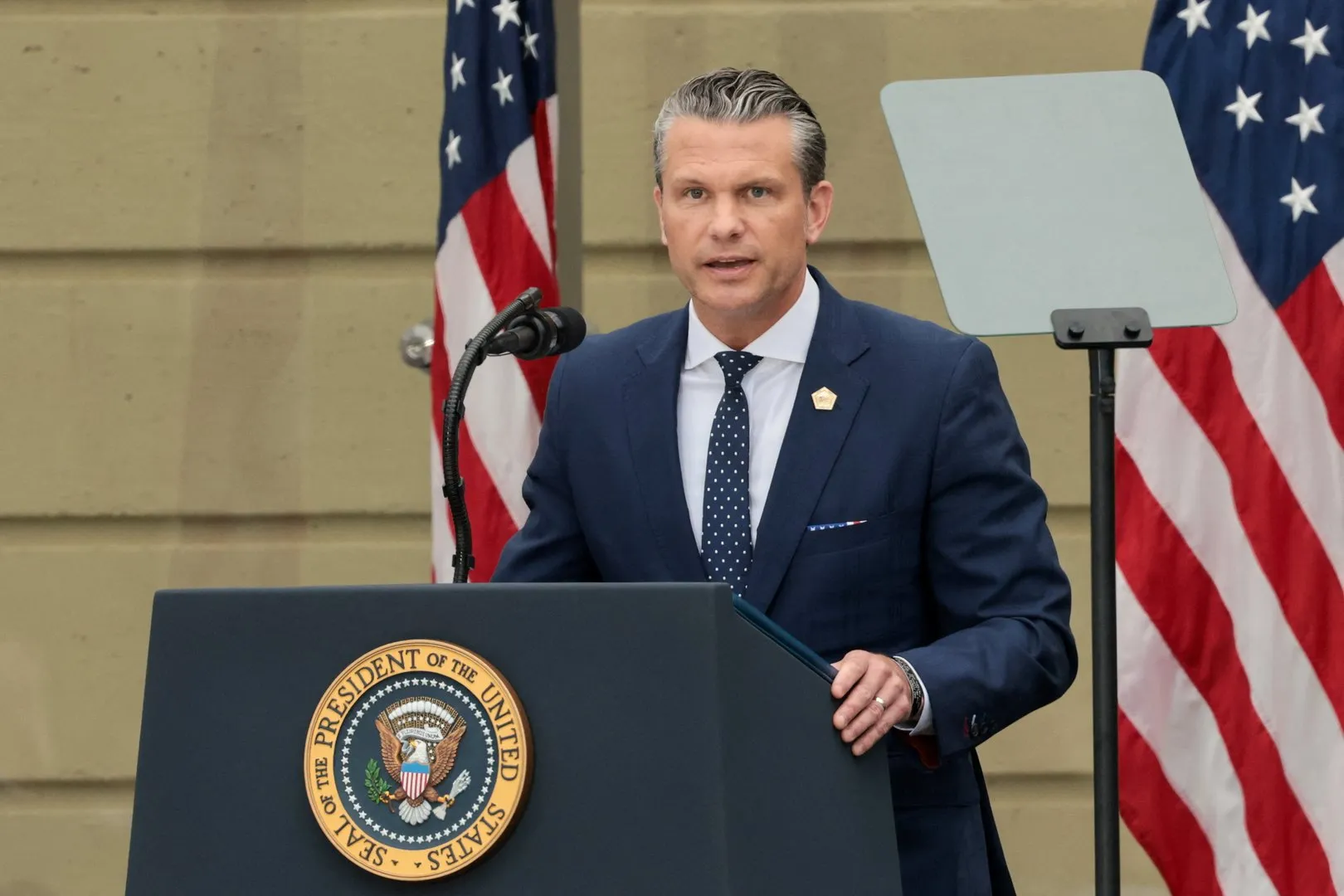
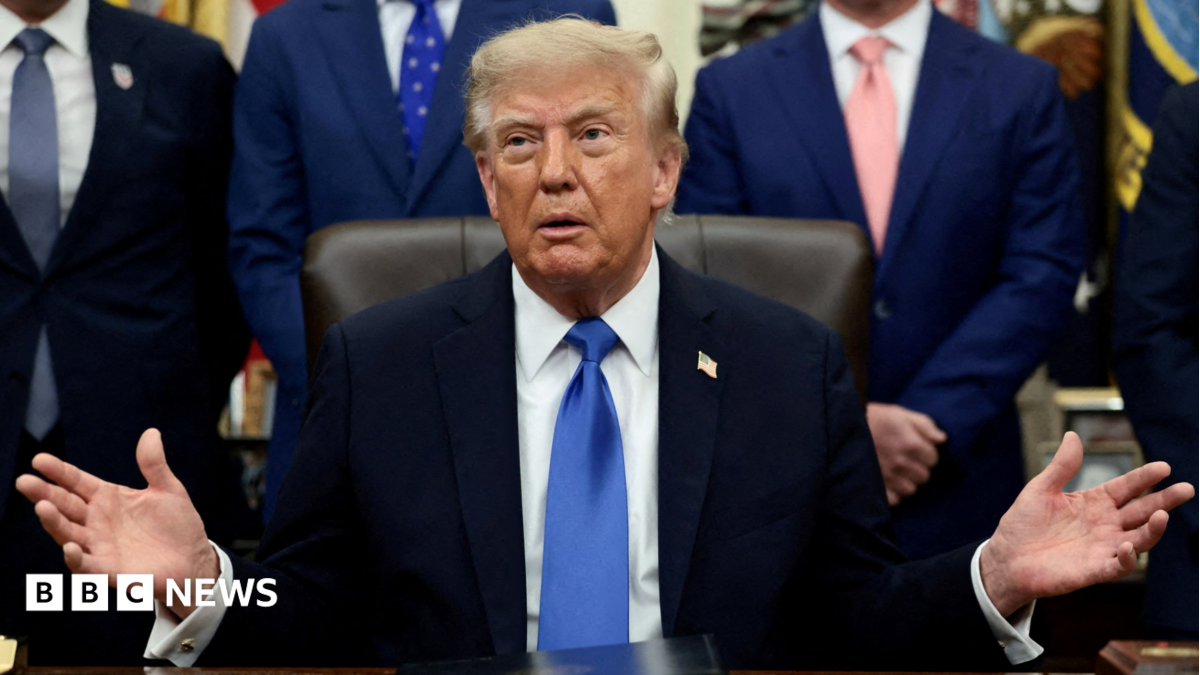
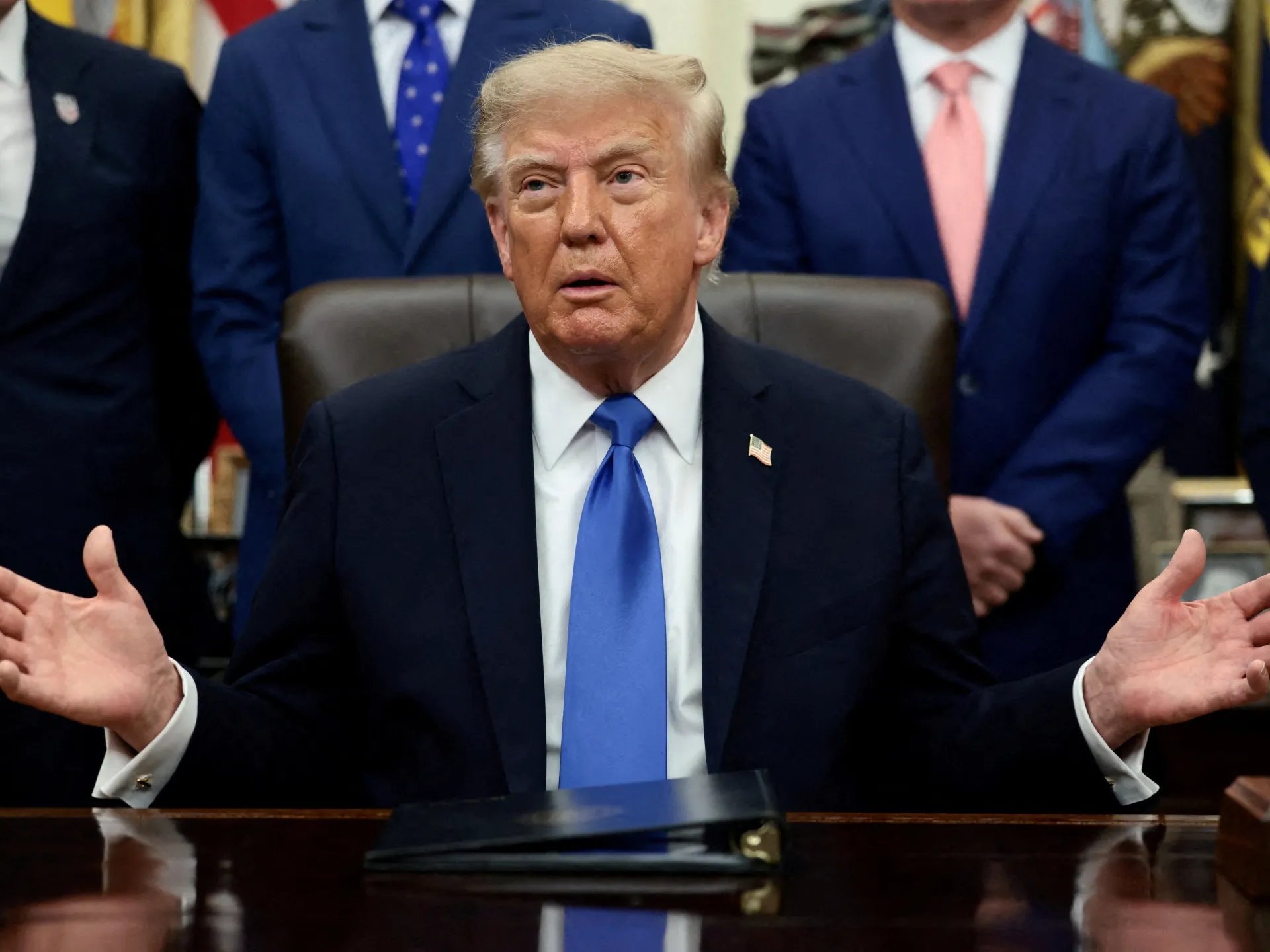
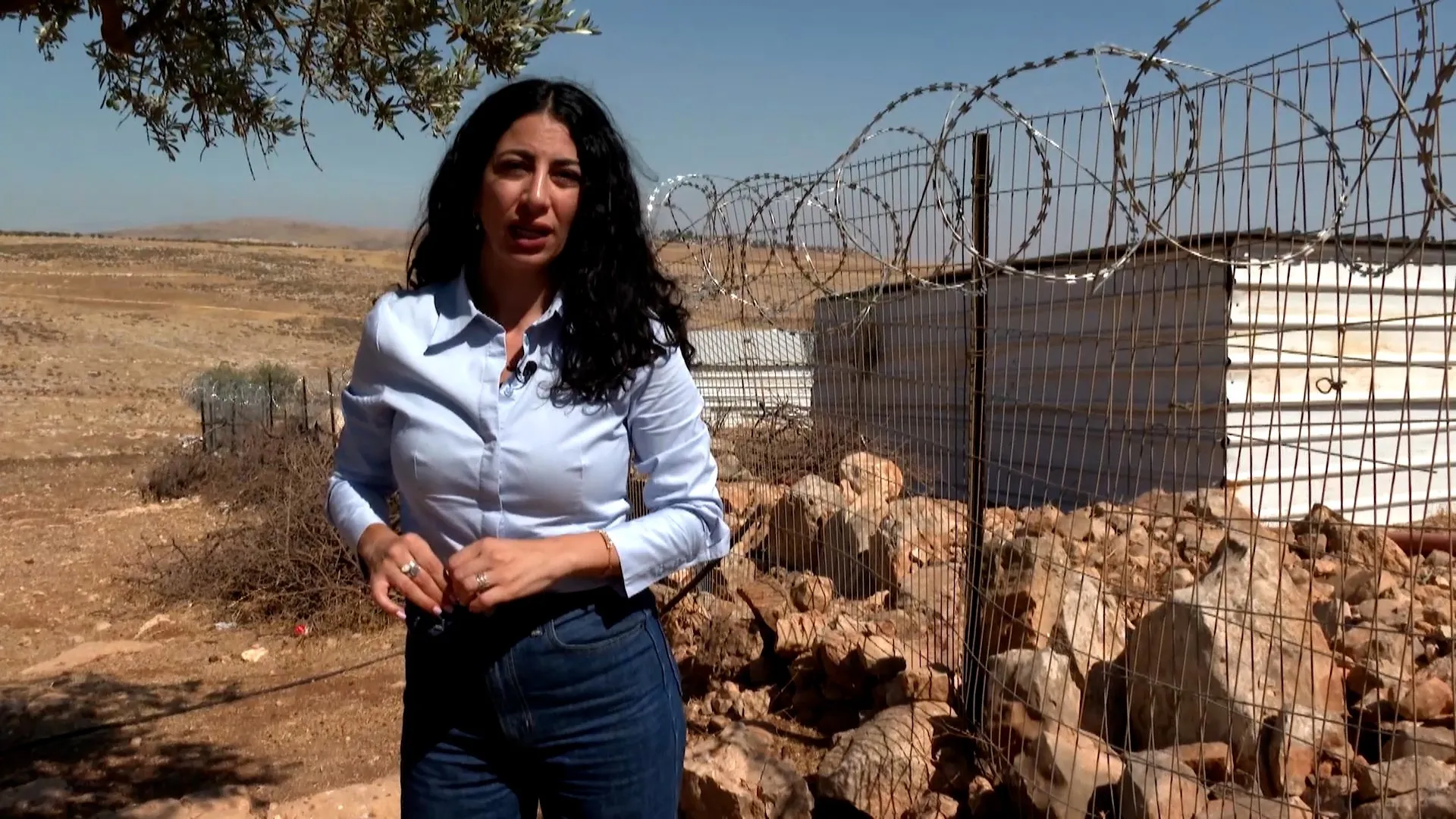
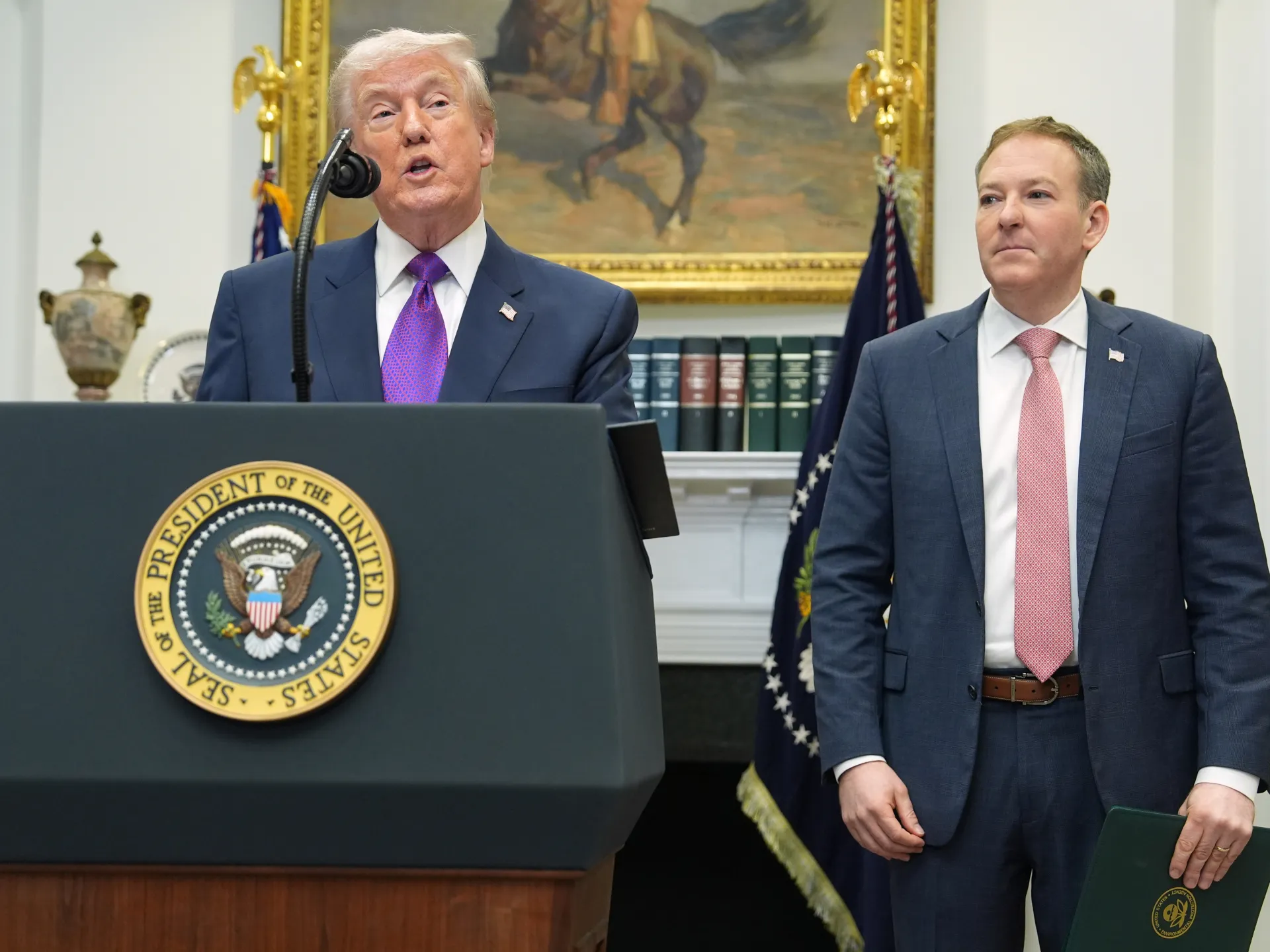
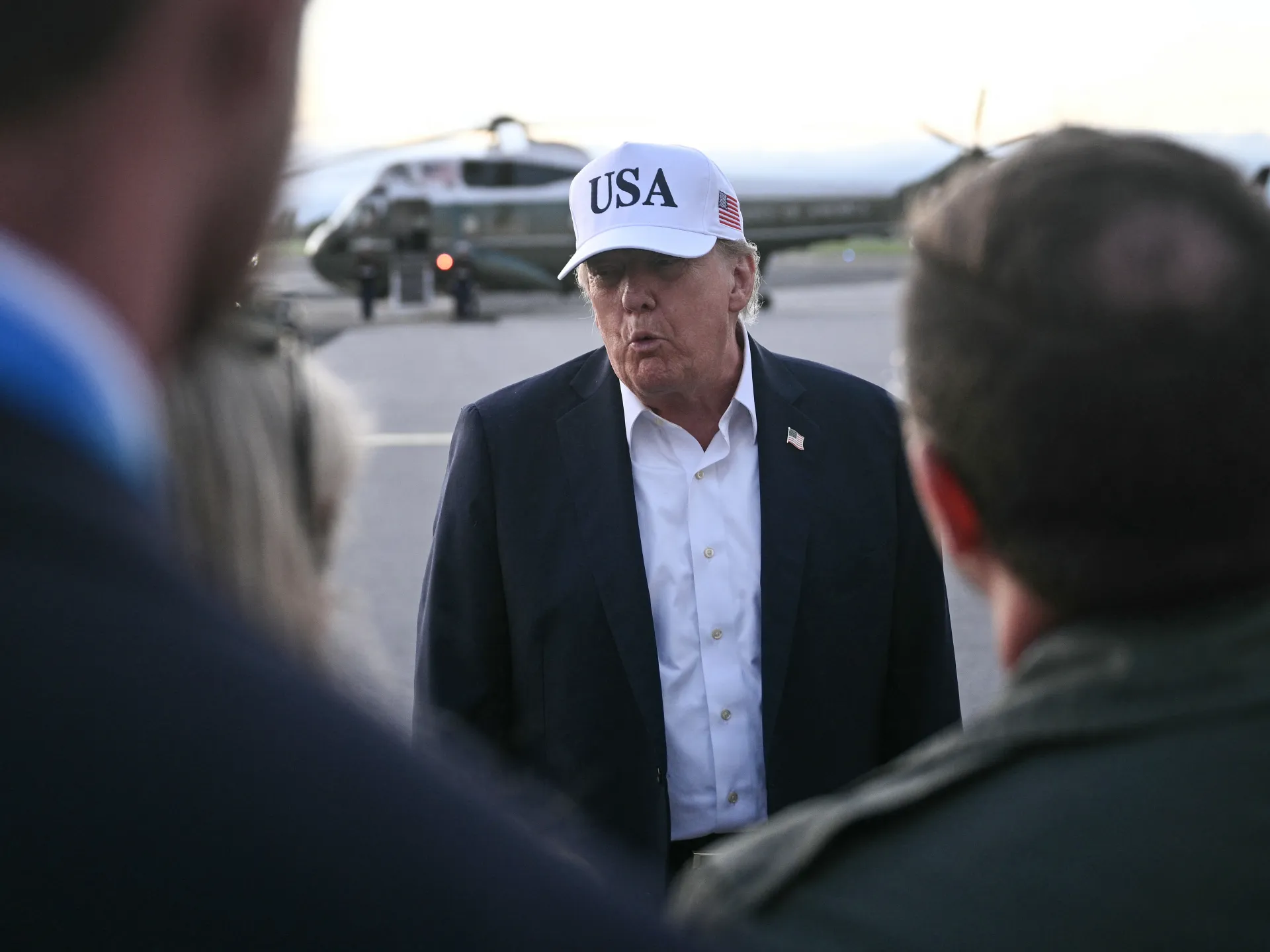
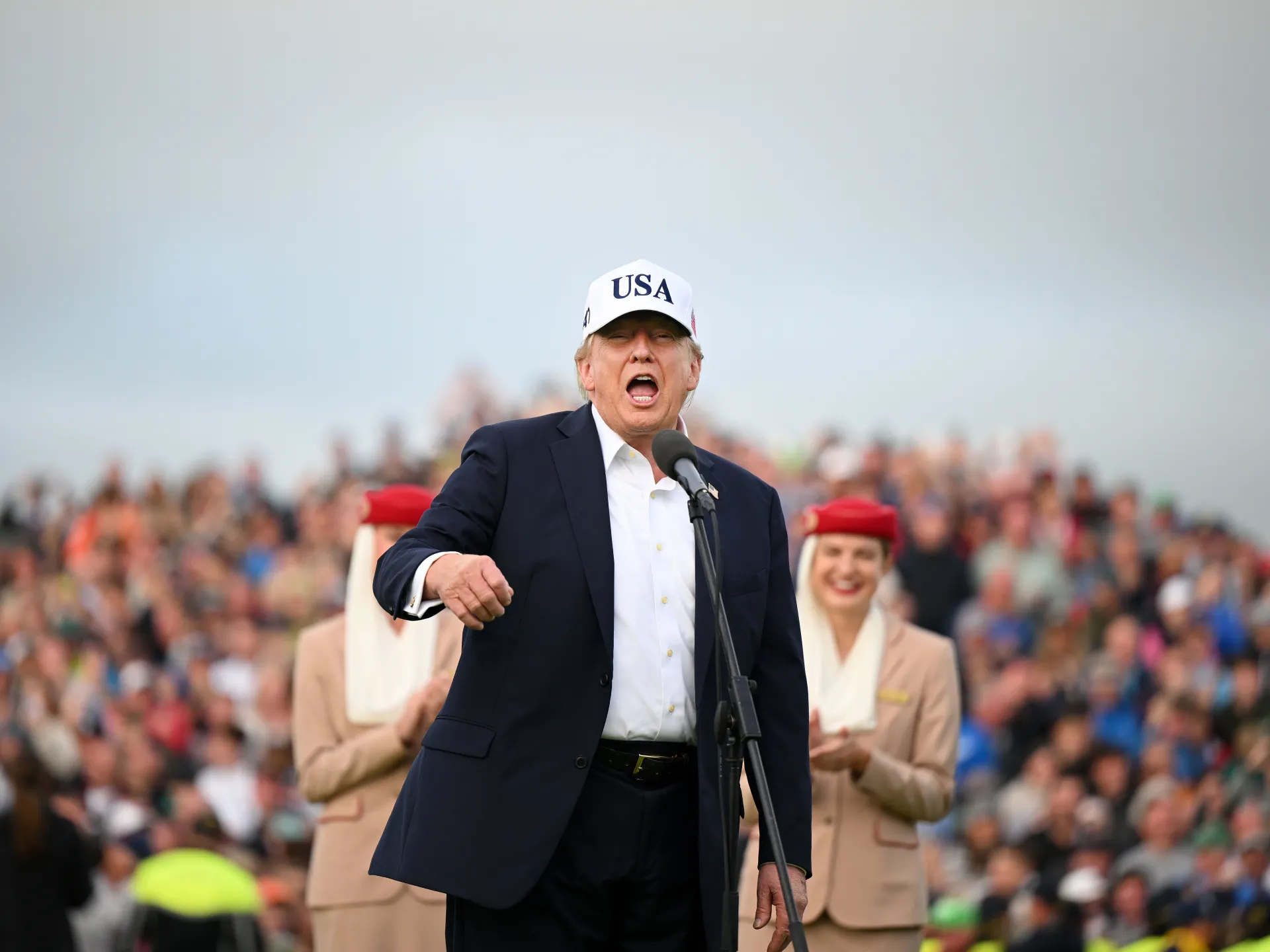
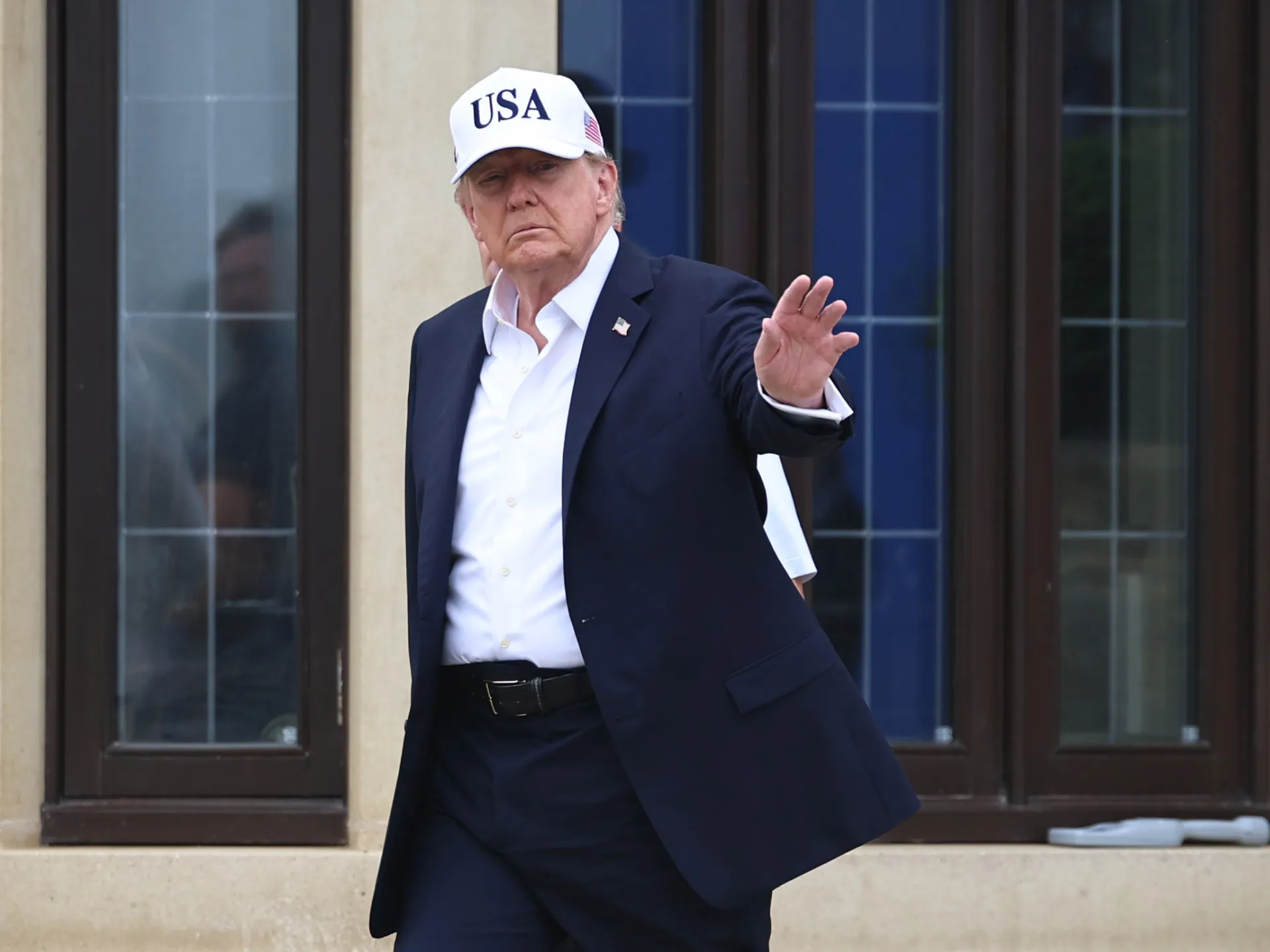
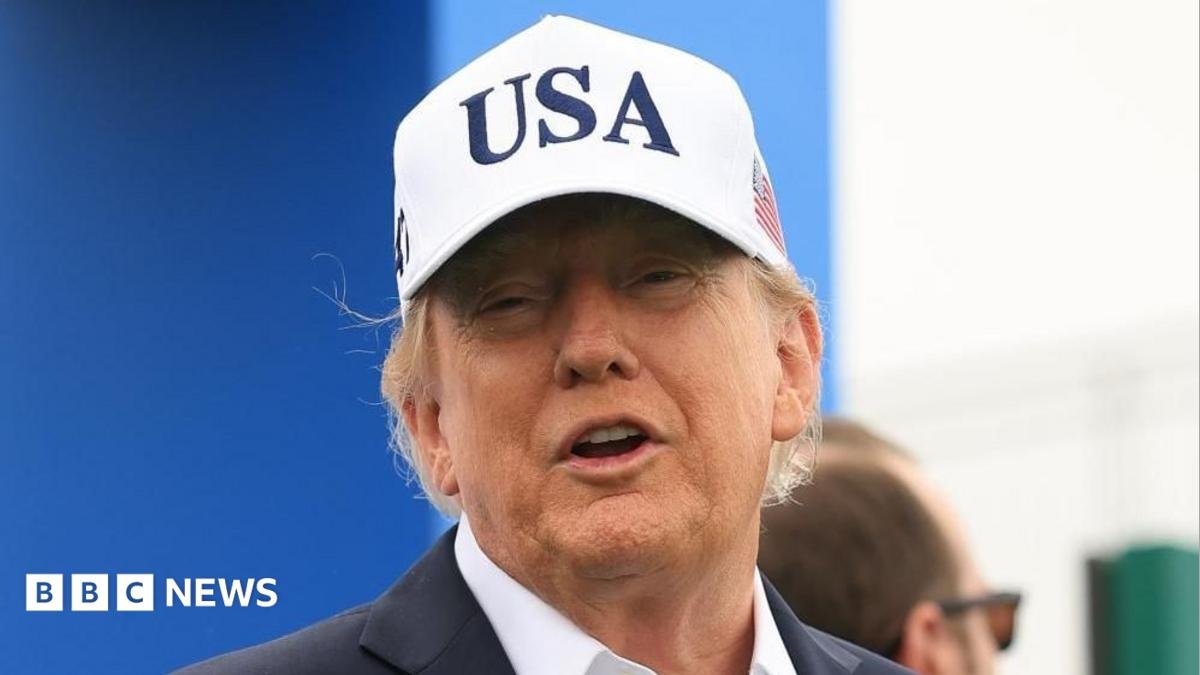
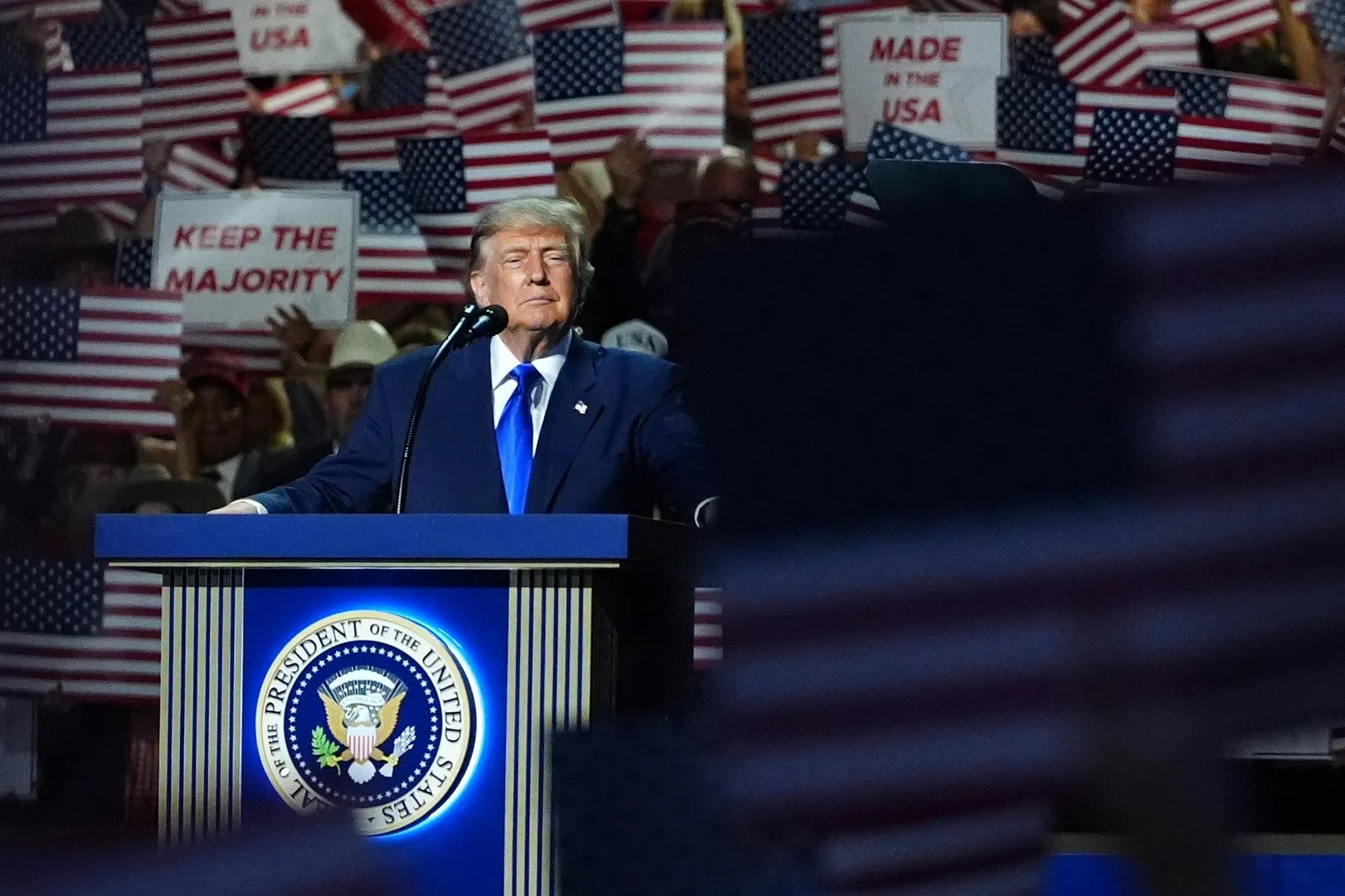
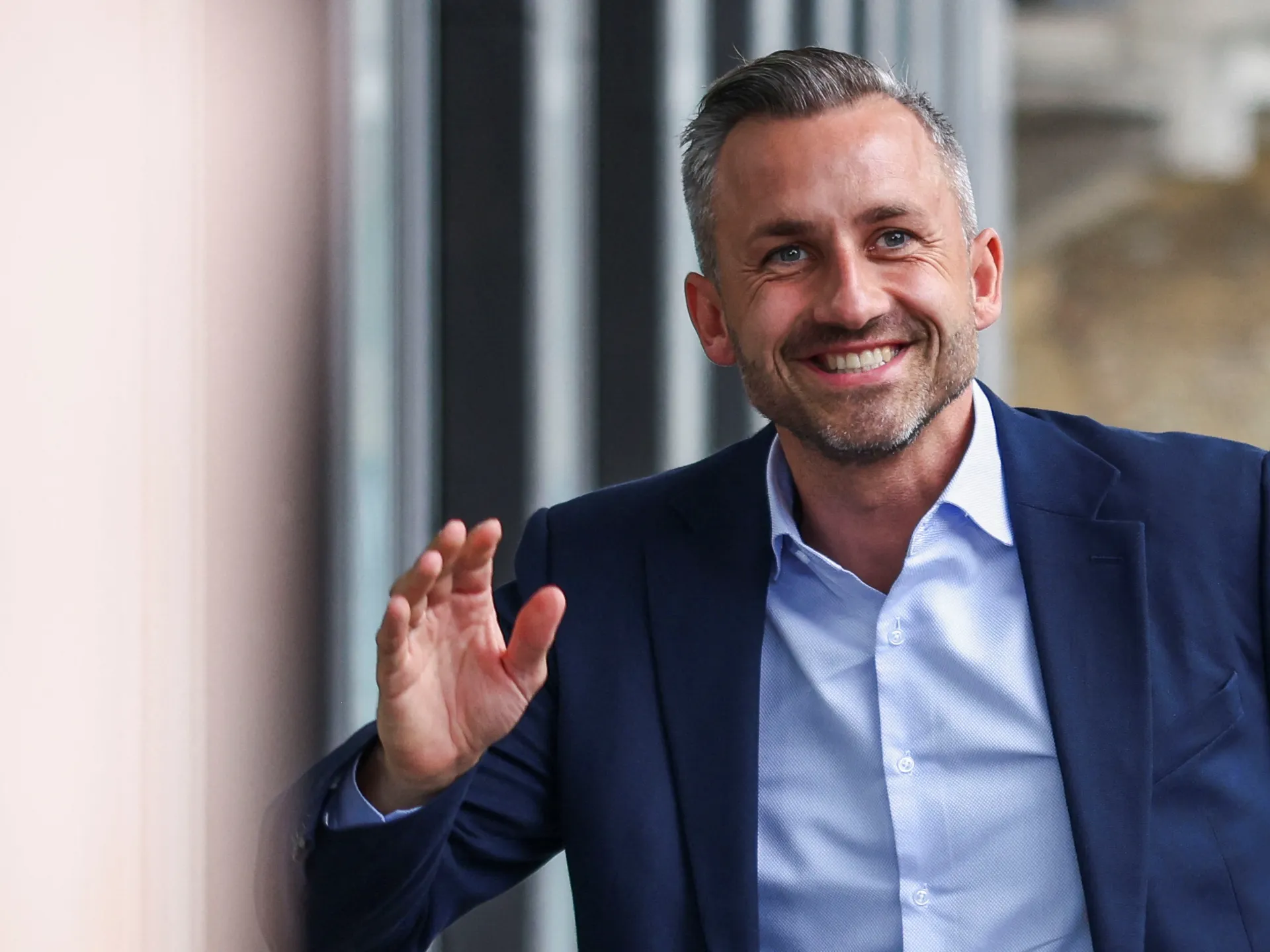
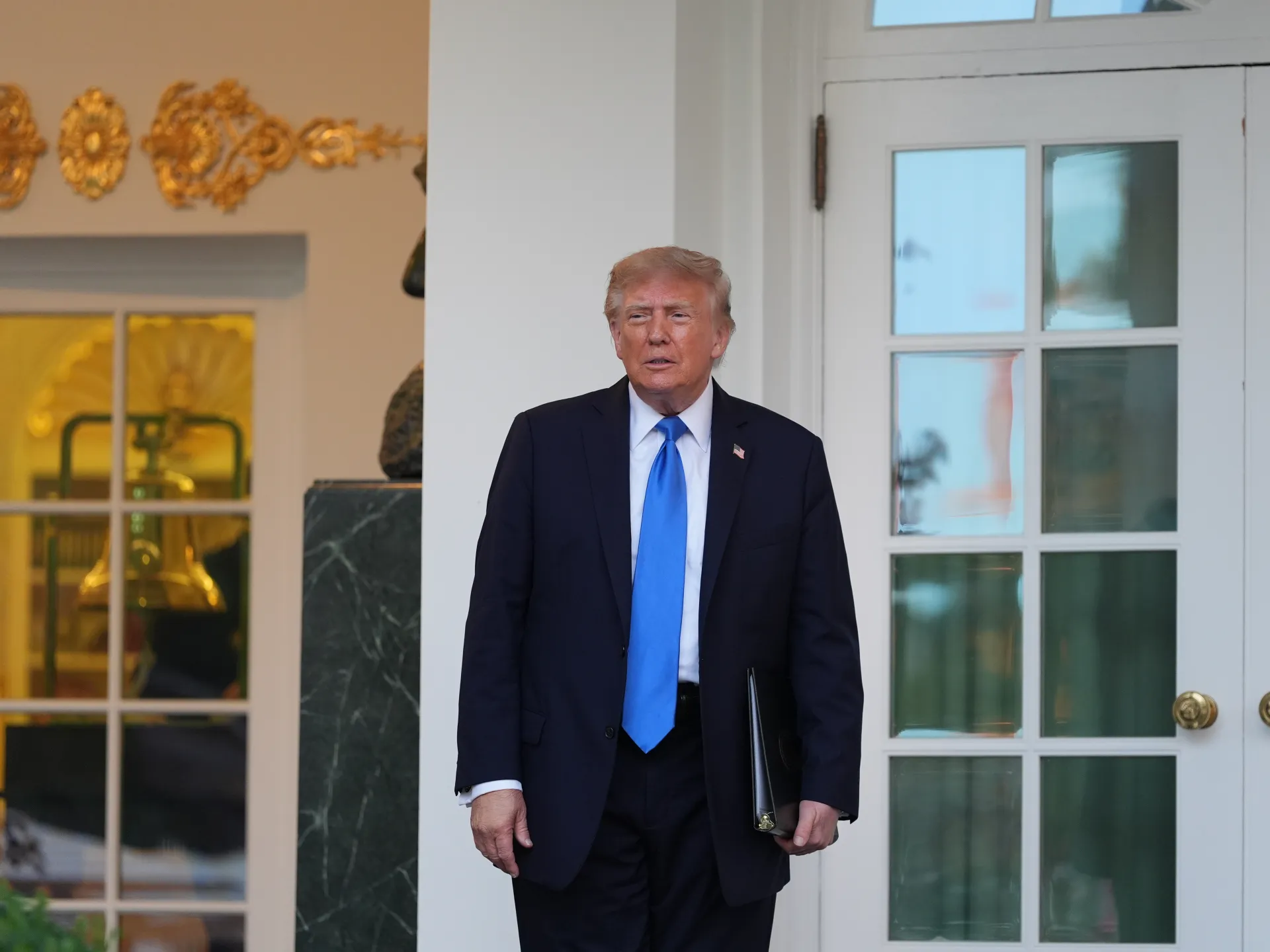
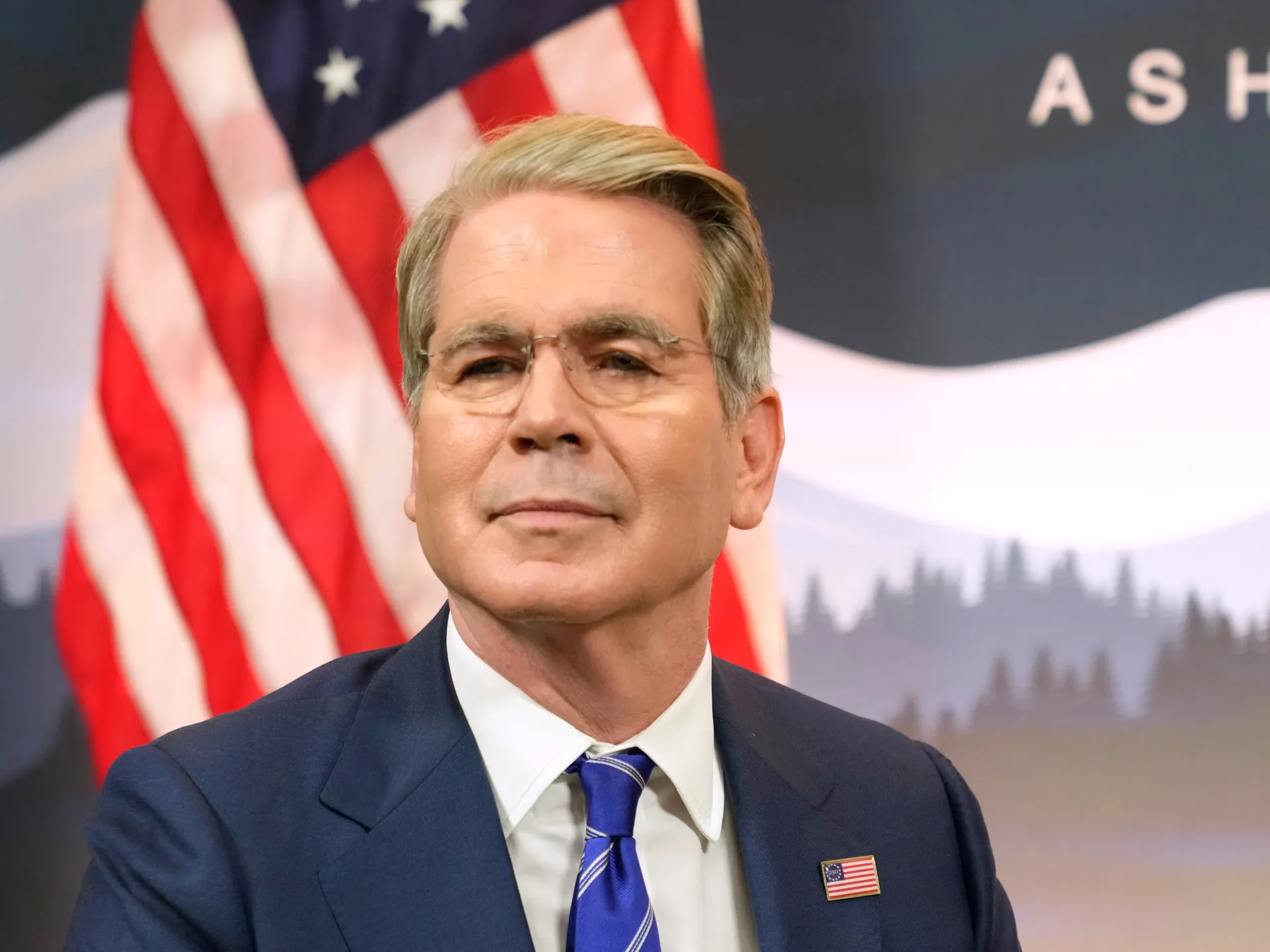
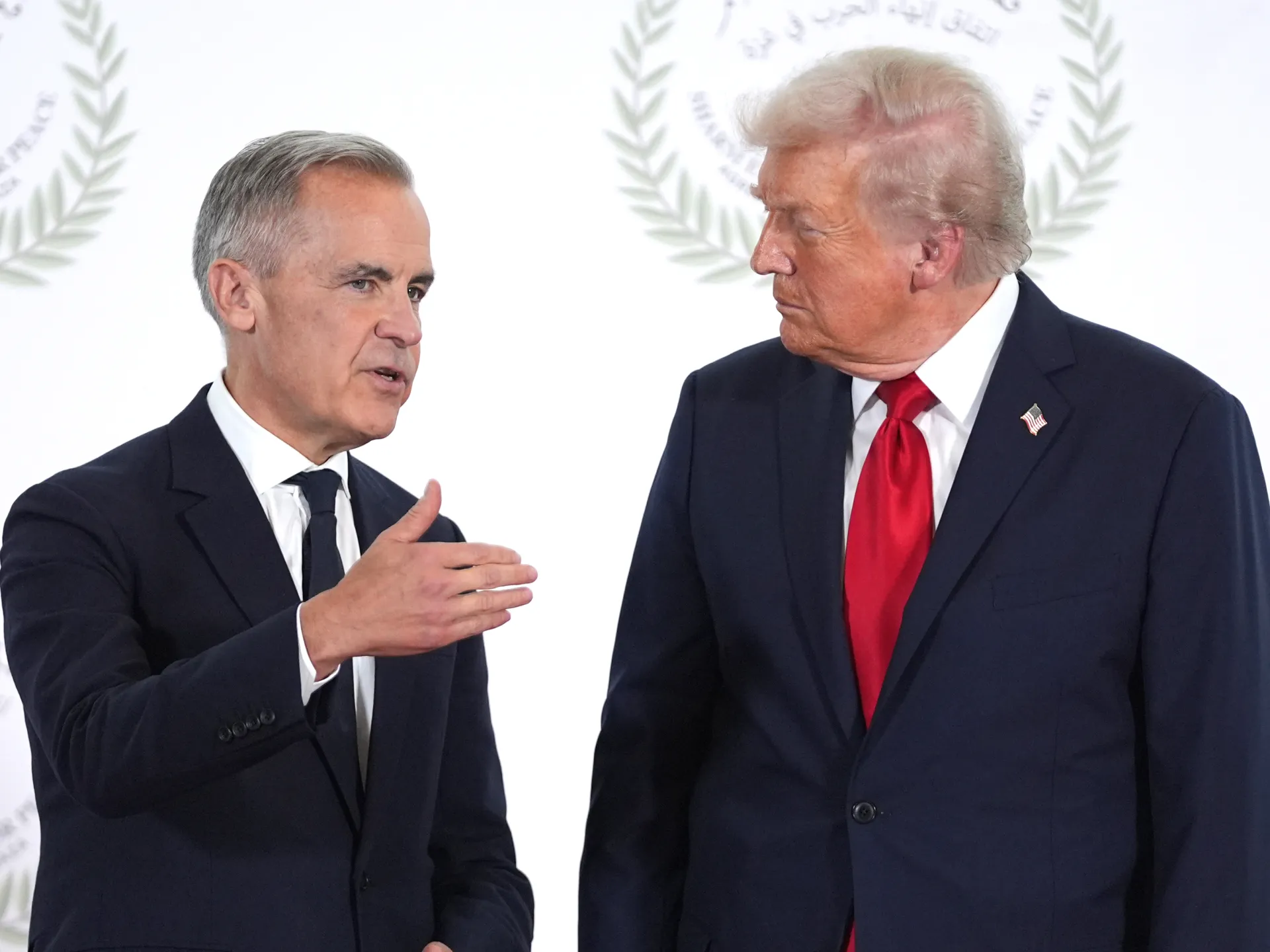
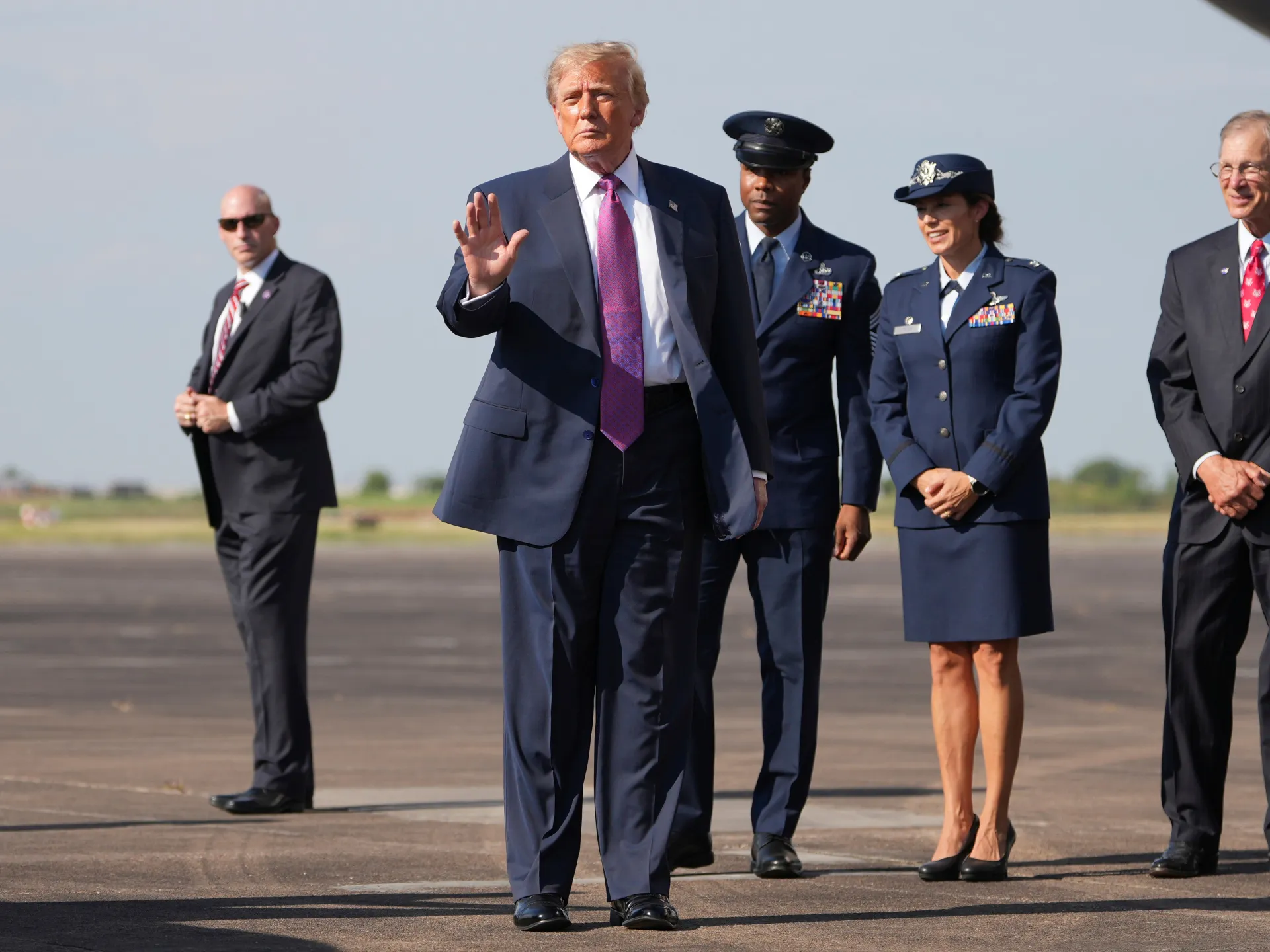
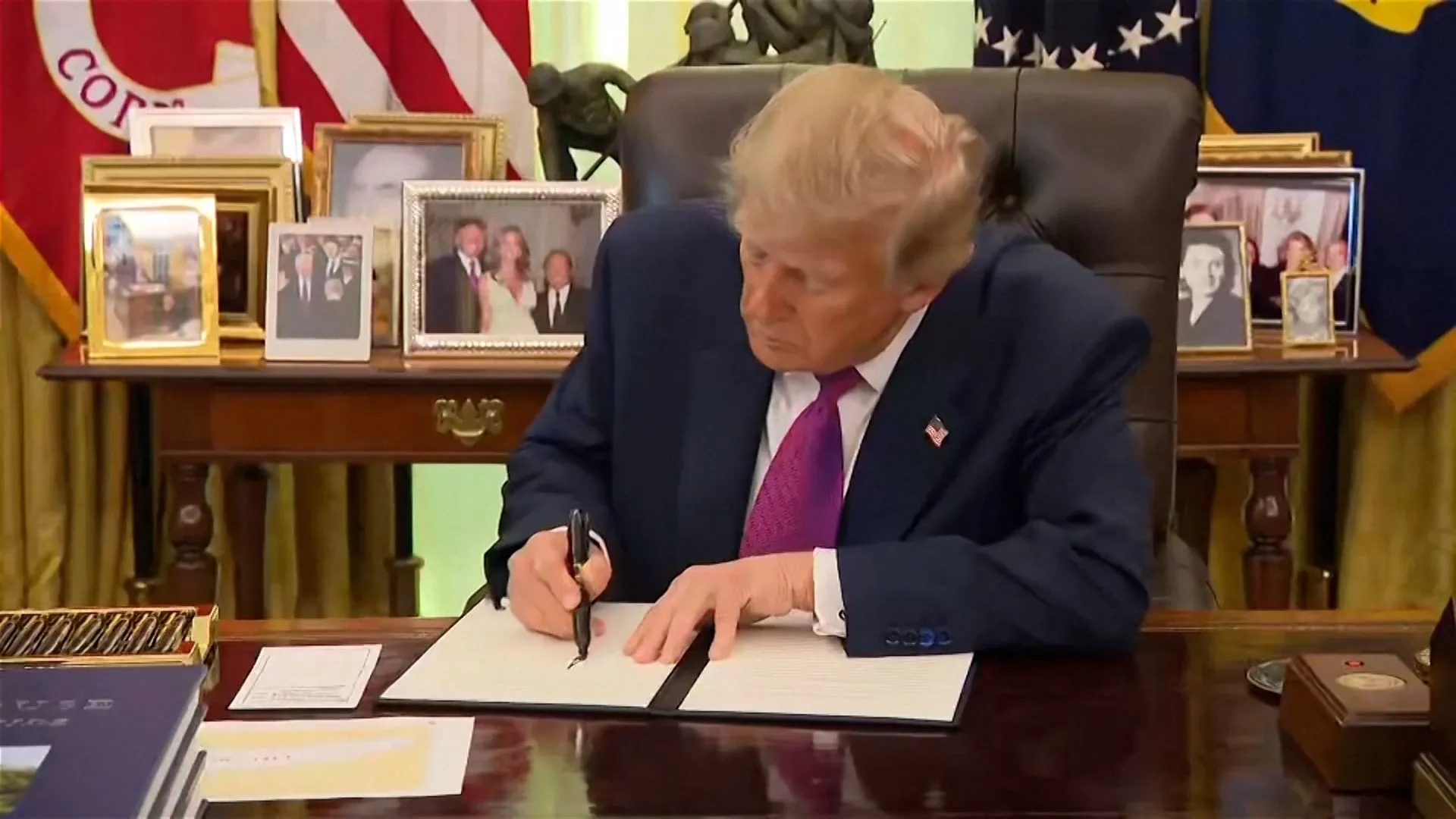
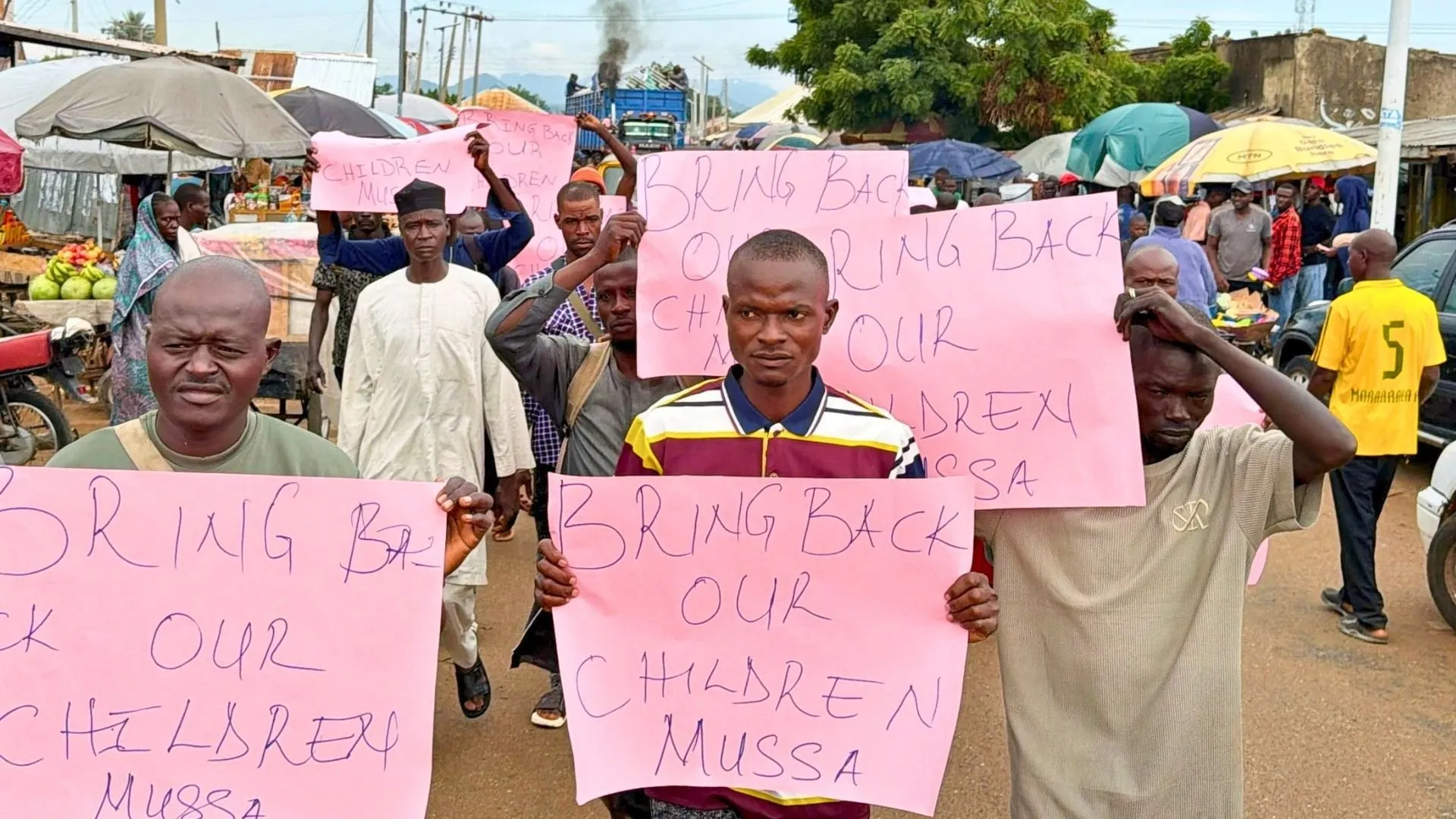
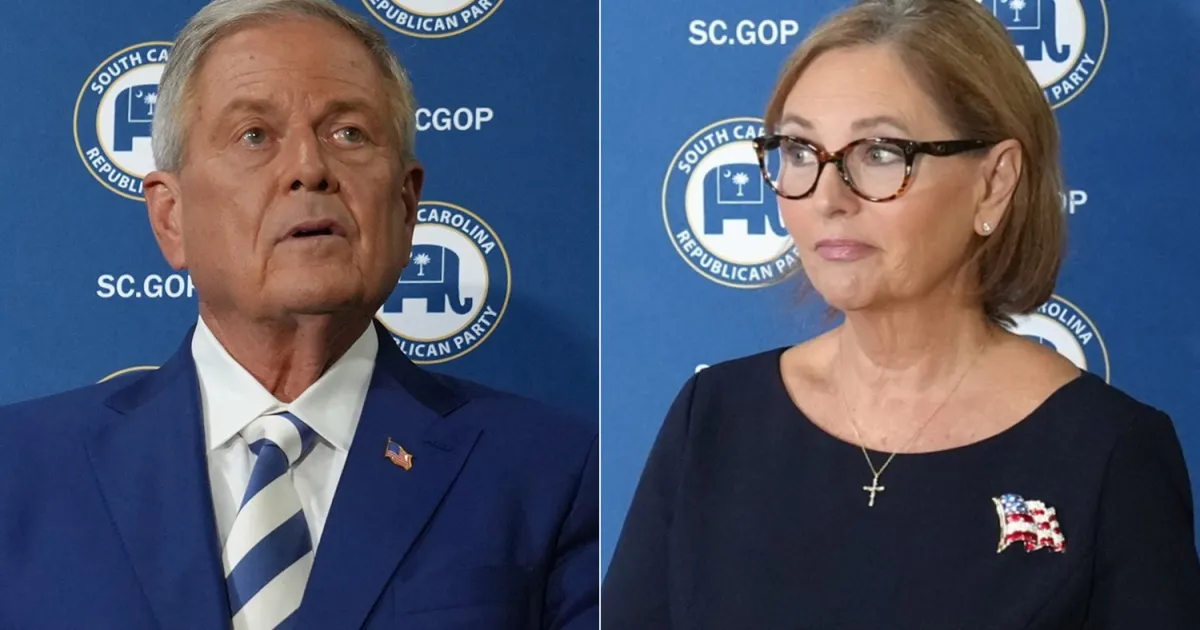
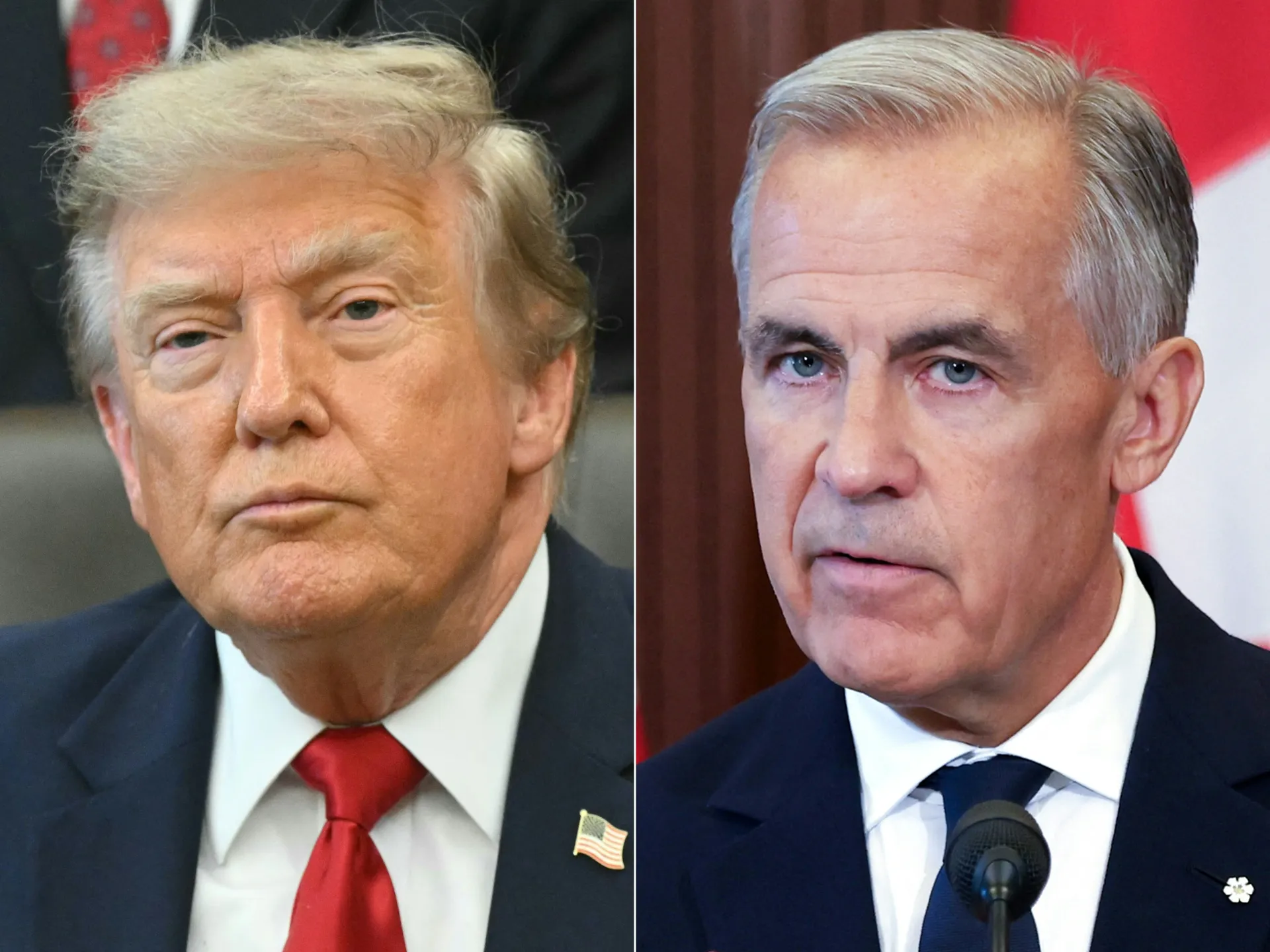
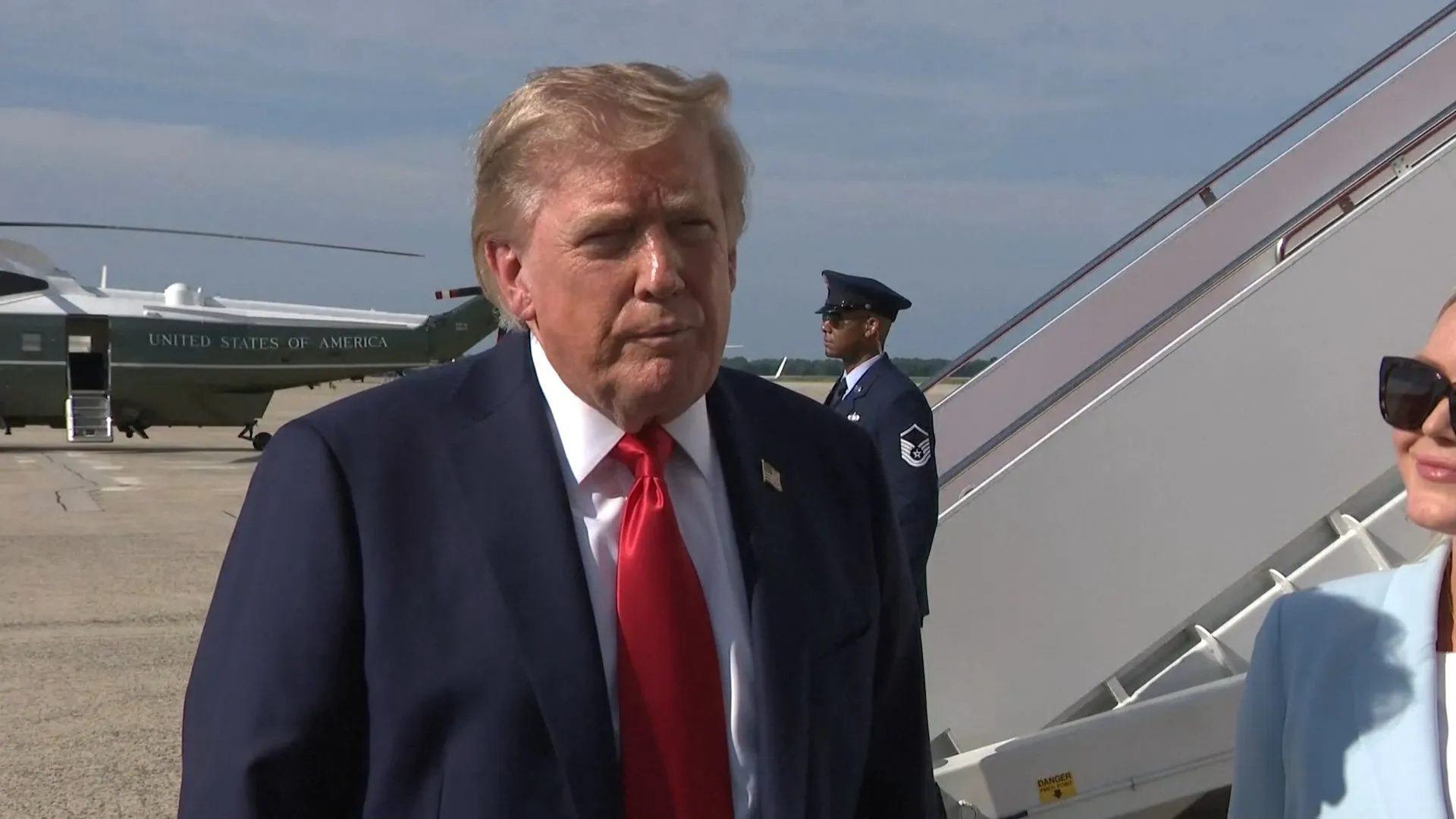
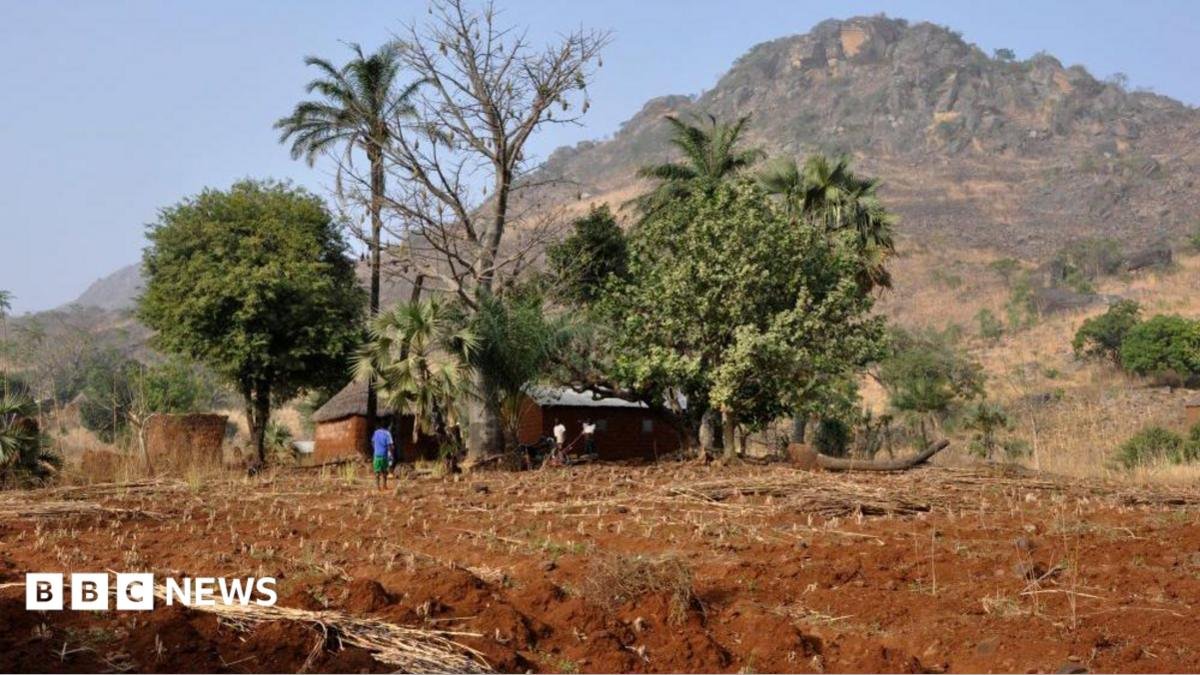
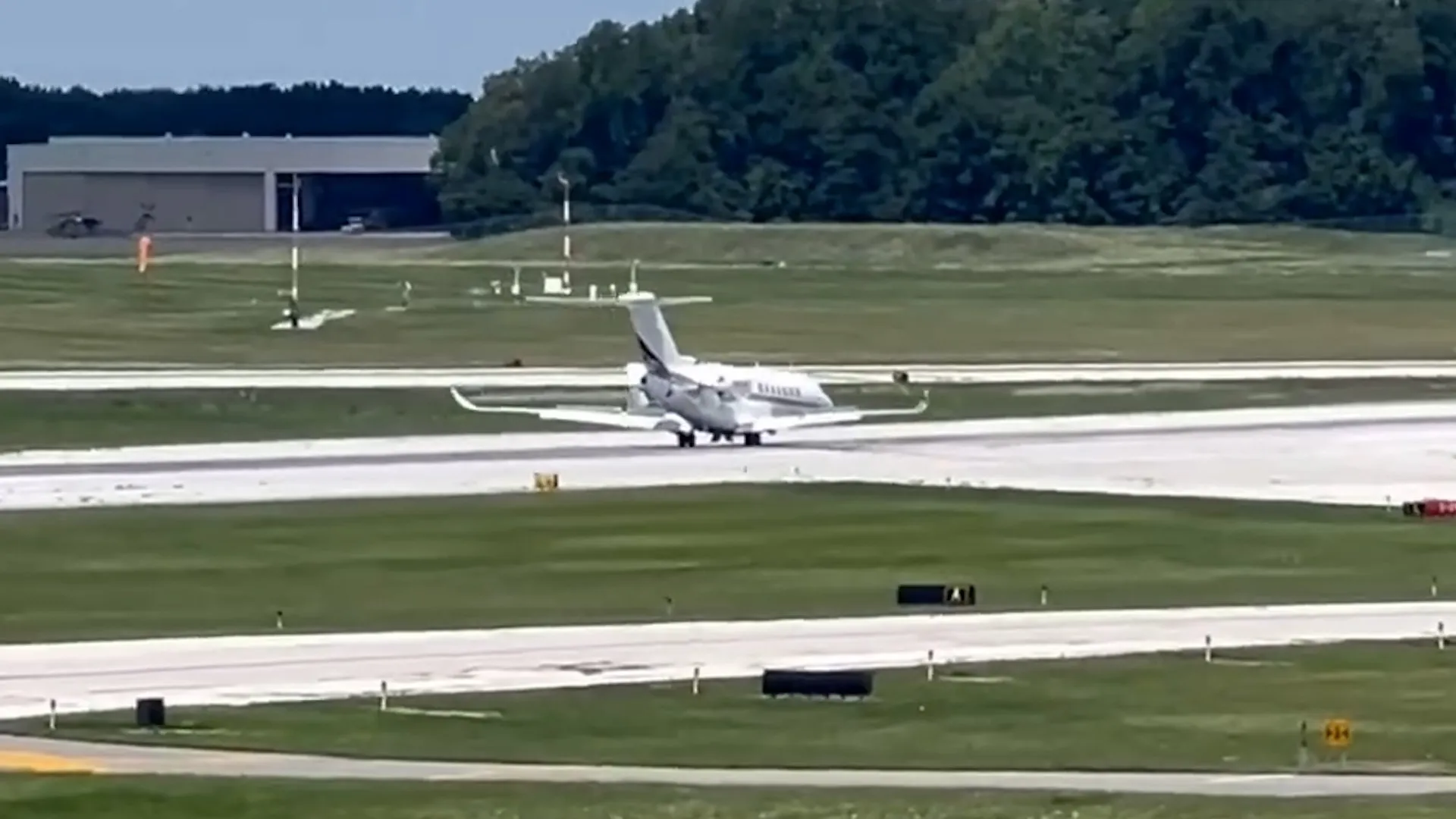
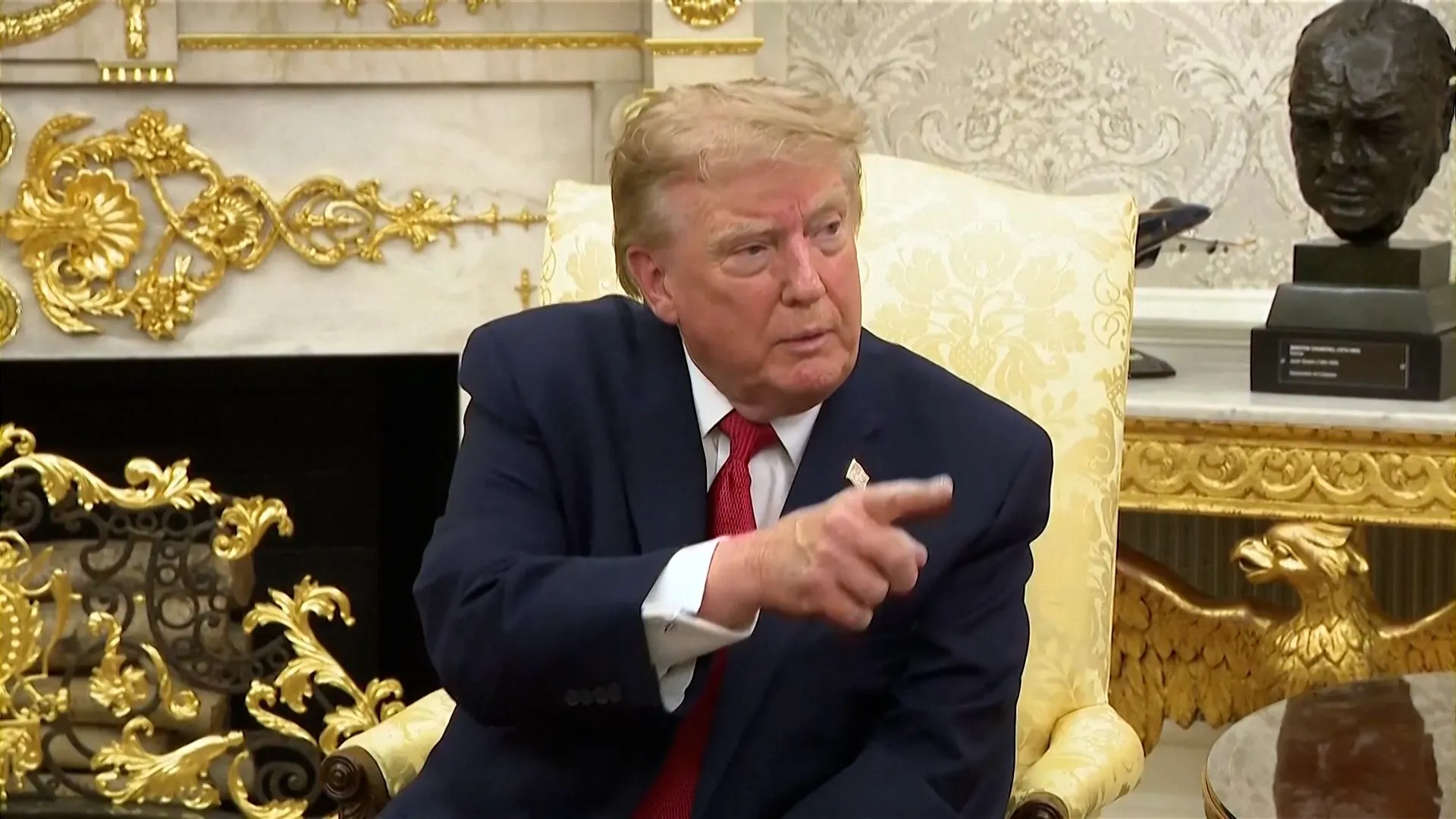
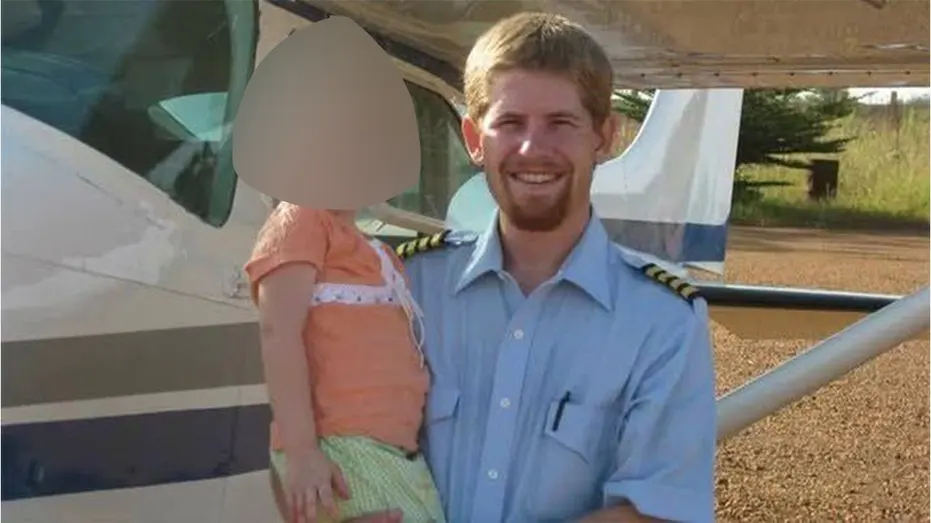
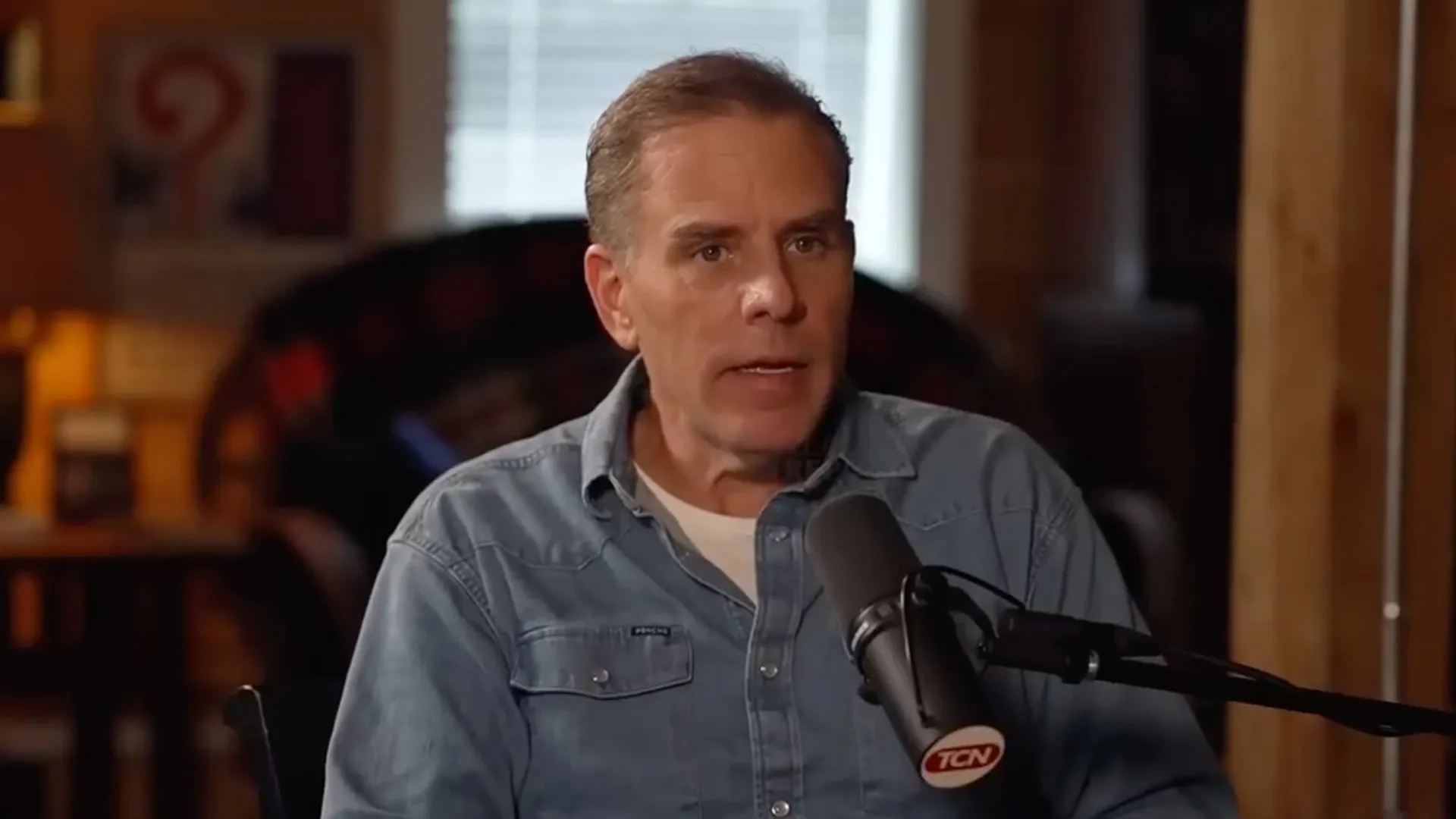
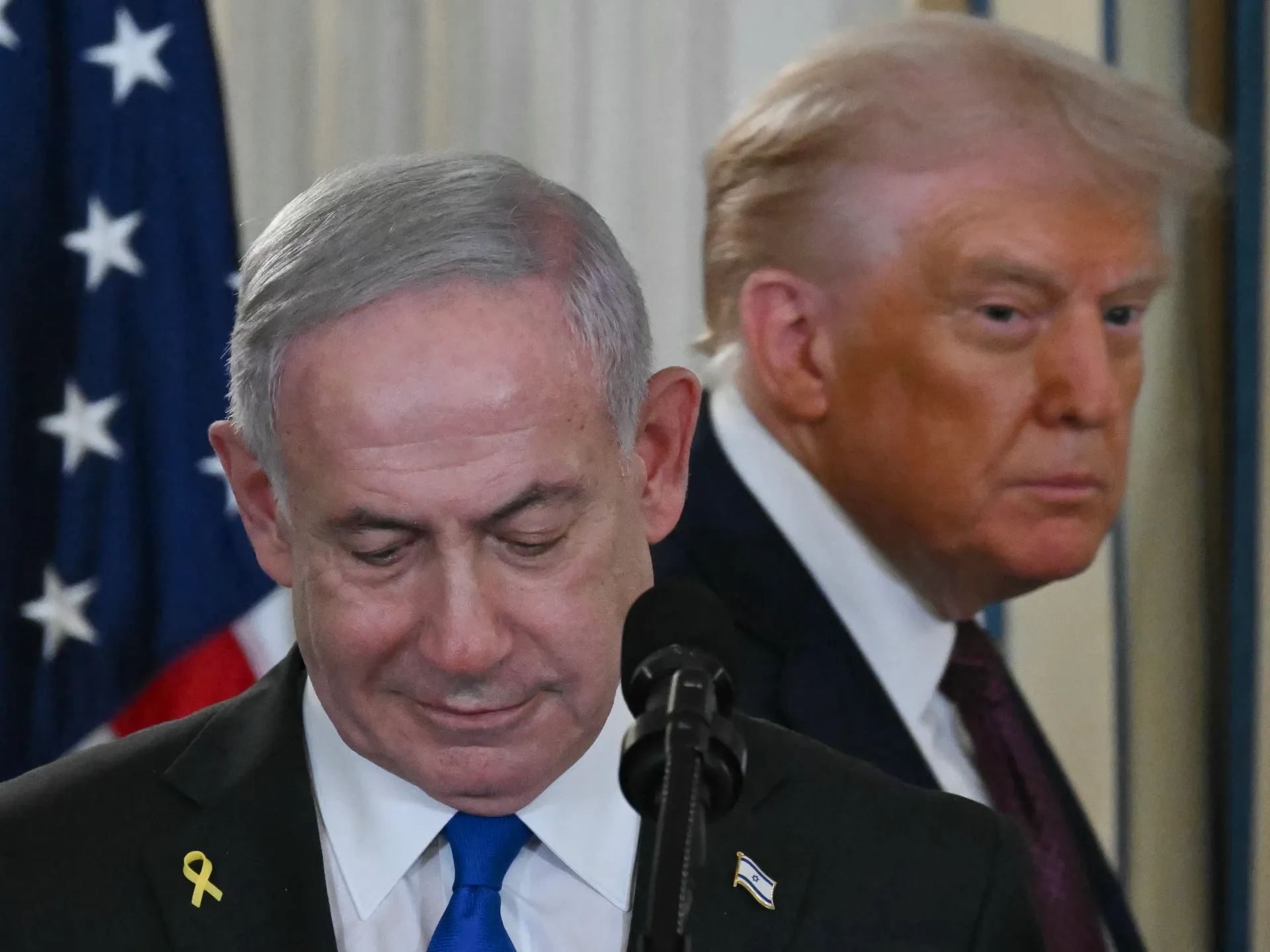
In a separate development, American missionary pilot Kevin Rideout has been reunited with his family following a nine-month abduction in Niger. President Donald Trump confirmed that Rideout, who was kidnapped in October 2025 near Niamey, is now in good health and under the care of U.S. officials. His release marks the 110th captive American liberated during the current presidential administration.
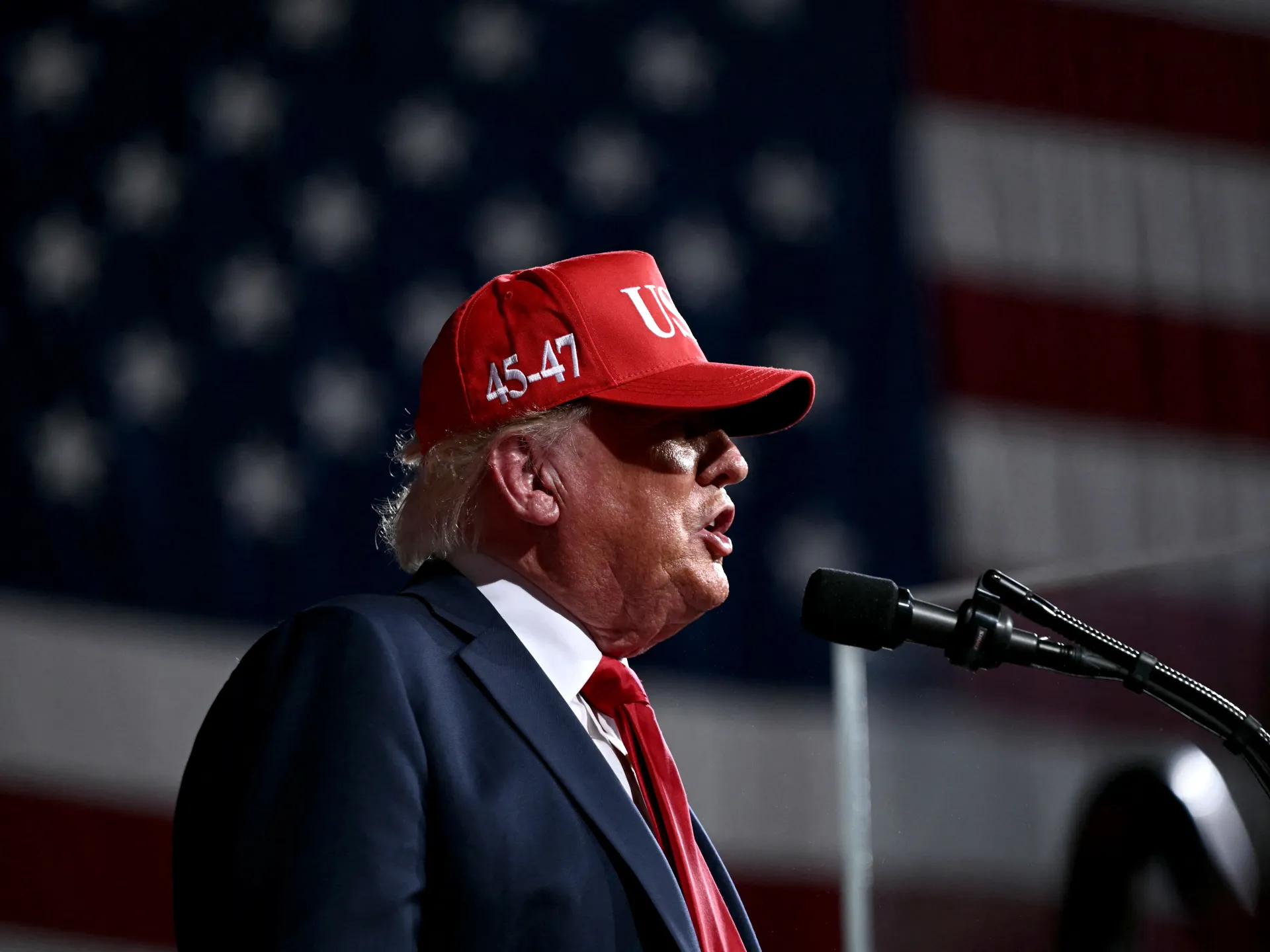
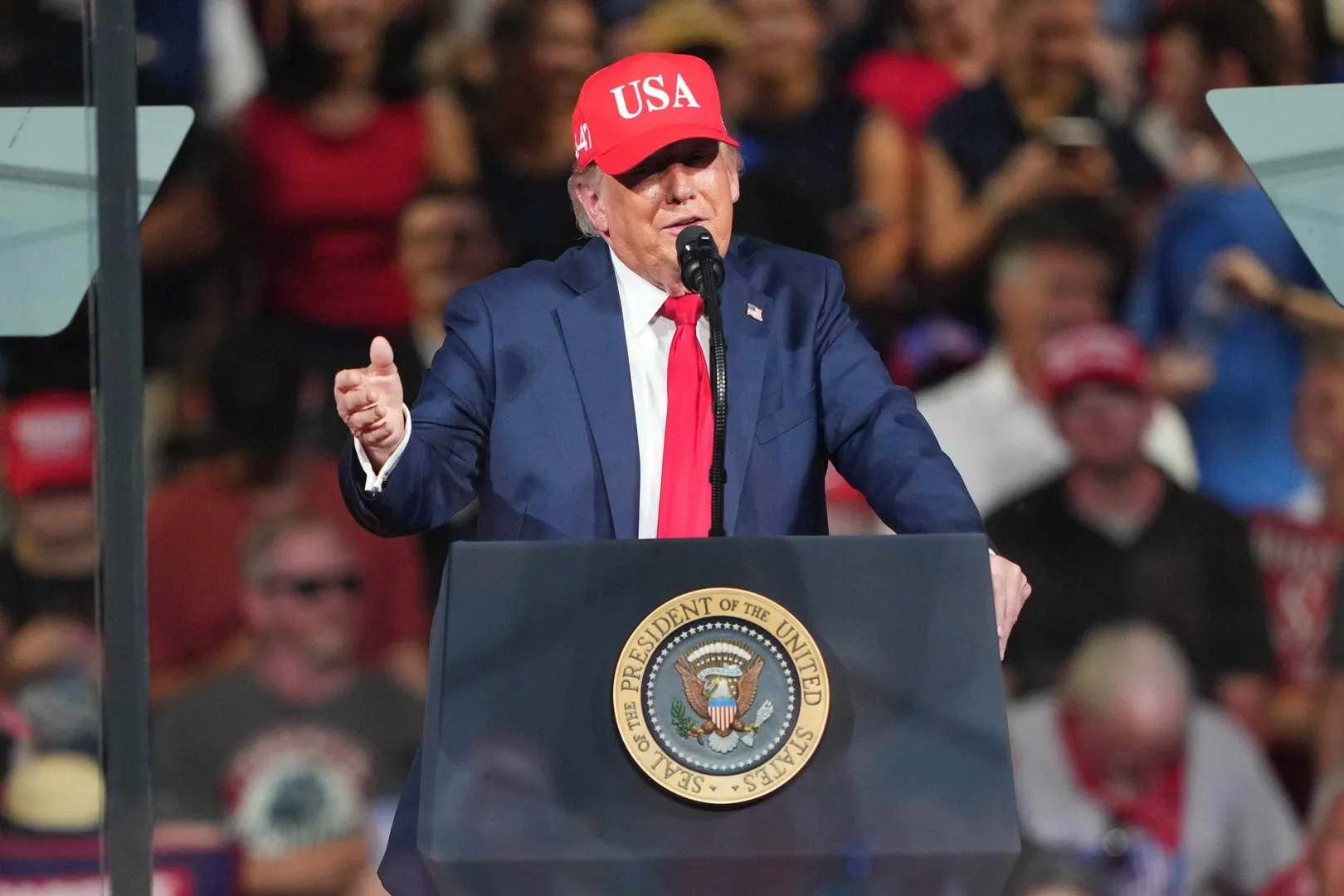
The missionary organization SIM International expressed gratitude for Rideout’s safety, noting that his return is the culmination of months of international pressure and prayer. President Trump characterized the kidnapping as an act remism. The administration has signaled that this success could lead to further strategic actions in the region to protect Christian communities and stabilize areas prone to targeted violence.
In the coming days, the Kazakh government will likely face pressure to release a formal investigation into the Caspian Sea accident, specifically addressing why such a high number of personnel were exposed to life-threatening conditions. The outcome of this investigation may lead to significant changes in regional naval training doctrines.
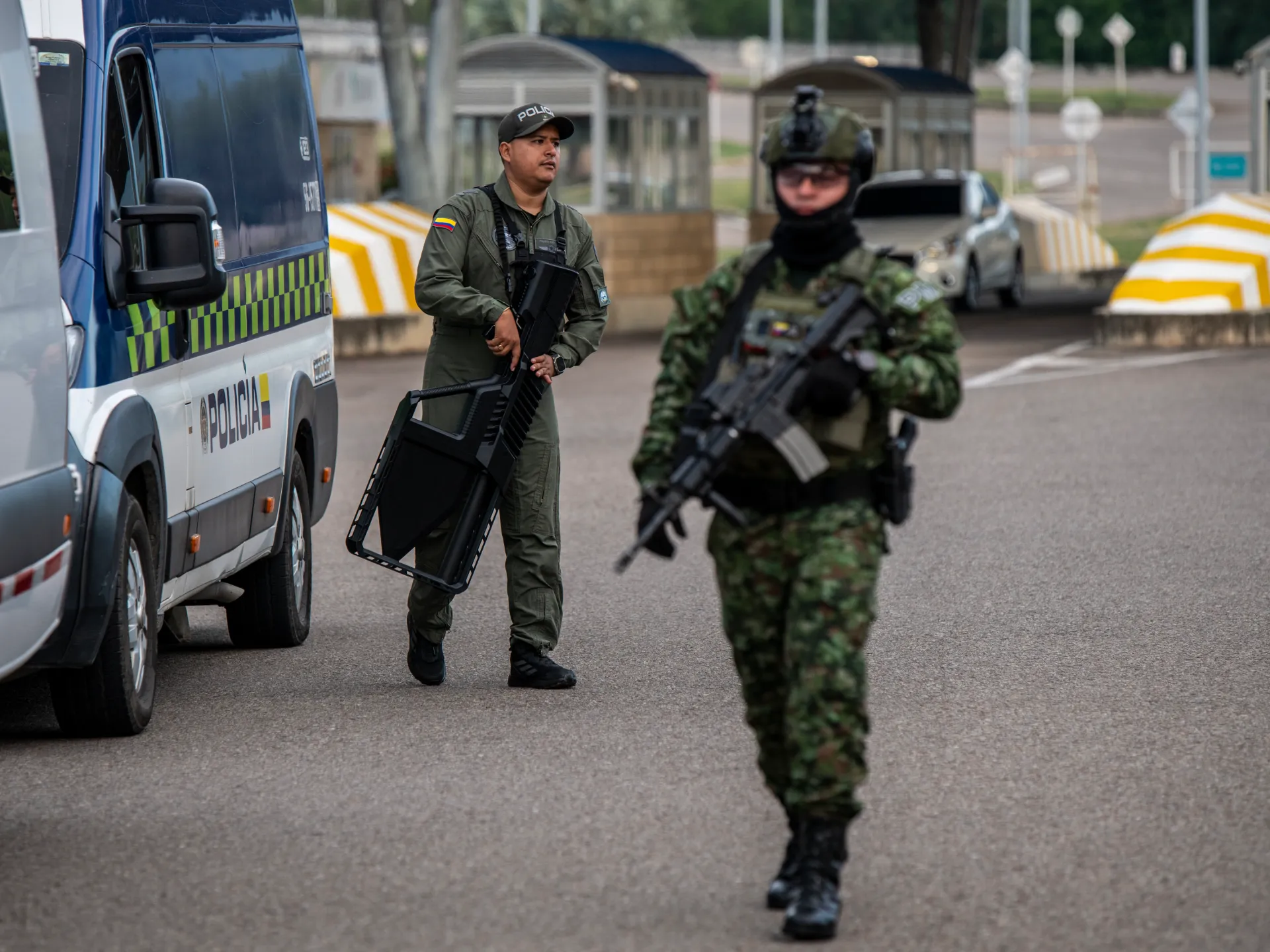
Meanwhile, the return of Kevin Rideout will likely serve as a catalyst for renewed U.S. engagement in West Africa. Given the administration's stated focus on the "epicenter of Islamist terrorism," observers expect a recalibration of security priorities in Niger, with potential shifts in how the U.S. coordinates with regional partners to deter future kidnappings of foreign nationals and aid workers.