
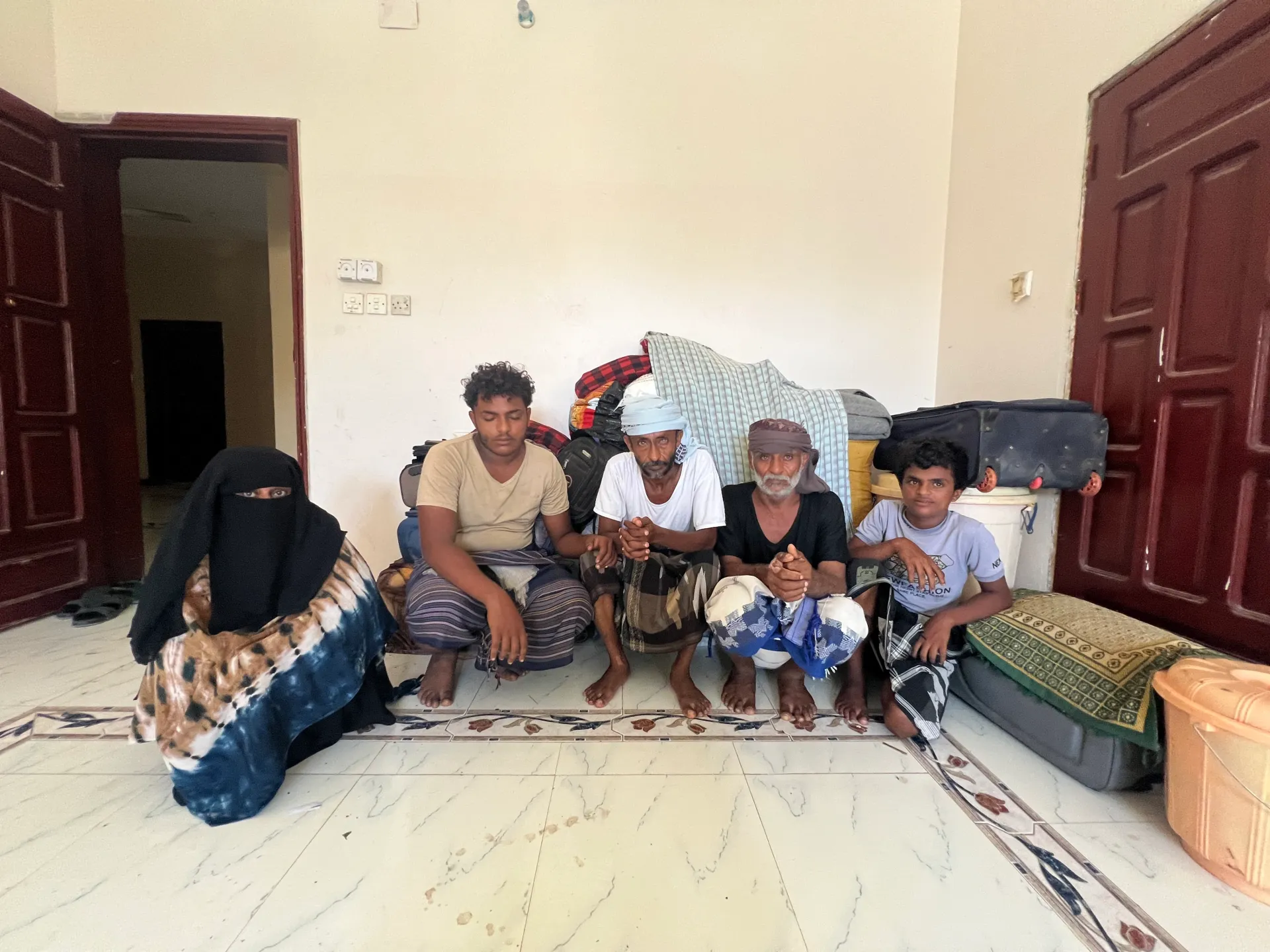
New industrial projects and aerospace tests highlight global developments. Meanwhile, local communities face displacement and conflict as the world moves forward.
Why this matters
Progress often comes with heavy costs for local people. Large industrial projects aim to boost national wealth. However, these plans sometimes displace families or ignore environmental concerns.
Meanwhile, scientific research pushes the limits of human knowledge. These small tests in labs lead to better travel later. Both industry and science aim for a future with more efficiency.
Still, the path forward remains uneven across the globe. Some regions face war and displacement while others build massive infrastructure. Global leaders must balance these needs carefully.
Industrial growth and local concerns
Billionaire Aliko Dangote and President William Ruto launched a new project in Kenya. They broke ground on a $16 billion oil refinery in Lamu. This site will process 700,000 barrels of oil every day.
Also, leaders from several African nations attended the event. The project aims to make the region more self-sufficient. Dangote believes this refinery will spark a new industrial age.
However, local residents disagree with the project's impact. Some protesters demand more money for their taken land. Others worry about damage to the local environment.
Meanwhile, a group of 133 residents filed a lawsuit in Kenya’s High Court. They hope to stop the construction work entirely. Dangote dismissed these concerns as games played by local marketers.
Advances in flight and environmental shifts
NASA researchers tested a new wing model in Virginia. They used special paint to see how air moves over the surface. The paint glowed purple under ultraviolet lights during the test.
Then, high-speed cameras recorded the data for computer models. This test helps scientists design better aircraft for the future. Such designs will allow planes to bend and adapt during flight.
Separately, nature shaped the skies over the Pacific Northwest. Thick clouds covered Washington and Oregon in late September. Cool marine air moved in from the Pacific Ocean.
After that, the clouds trapped moisture near the ground. This created a layer of fog across the foothills. Satellite images captured the extent of this cloudy weather.
How we got here
- September 19, 2026: Marine air created heavy cloud layers across Washington and Oregon.
- September 30, 2026: Aliko Dangote and President Ruto broke ground on the Lamu refinery.
- October 1, 2026: Local residents filed a court challenge against the Kenyan refinery project.
- October 2, 2026: NASA researchers successfully tested a new wing model at Langley Research Center.
- October 3, 2026: Families in Yemen continued to flee their homes due to ongoing violence.
What happens next
Legal battles in Kenya will likely slow down the refinery project. The High Court must decide if the construction can continue. Environmental groups will keep pushing for impact reports.
Next, NASA will use its new data to improve aircraft simulations. These tools will help engineers build more efficient planes. The agency expects to perform more tests on flexible wings soon.
Finally, families in Yemen remain caught in a cycle of conflict. Their future depends on the end of local military offensives. These displaced people hope for a return to safety.