
Quebec separatists return to power while scientists reveal new data on space weather and global elections spark tension.
Voters in Quebec chose a new path for their province this week. The Parti Quebecois returned to power for the first time in over a decade. Their leader now promises a new vote on independence.
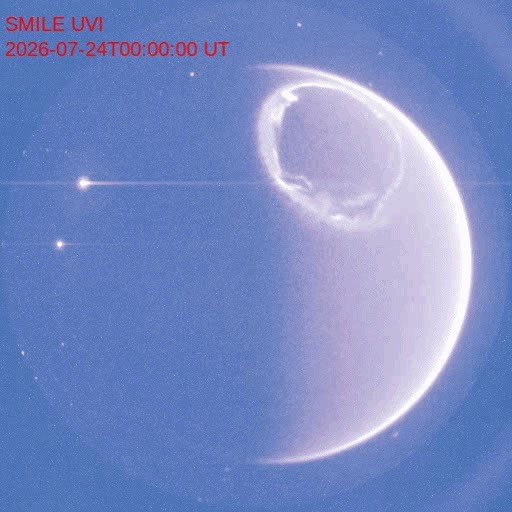
Meanwhile, space researchers captured a stunning view of Earth from above. The SMILE spacecraft filmed a full auroral oval in ultraviolet light. This helps us understand how solar wind affects our planet.
Why this matters
These events highlight the divide between local politics and global science. People often worry about their borders and their identity. Scientists worry about threats from outer space.
Governments must now juggle these different needs at the same time. The election in Quebec could change trade and laws in North America. Solar storms could also damage our technology and power grids.
Also, international tension remains high in other parts of the world. Brazil faces a tough election with accusations of foreign interference. Leaders must work hard to keep their systems stable during these times.
Finally, these stories show how much the world changes in just a few days. We see shifts in political power and breakthroughs in space technology. Both areas affect how we live our lives every day.
Changes in Government and Space Discovery
The Parti Quebecois victory marks a big shift for Canada. Paul St-Pierre Plamondon leads this new movement for independence. He plans to hold a referendum to let voters decide their future.
Then, scientists shared a new video from the SMILE spacecraft. It orbits the Earth to study the magnetosphere. This layer protects us from harsh radiation coming from the sun.
However, the project also has a practical goal for everyone on Earth. Researchers want to shield electrical grids from solar storms. These storms can cause major blackouts if we are not ready.
Meanwhile, Brazil deals with a heated race for the presidency. President Luiz Inacio Lula da Silva faces Flavio Bolsonaro. Lula claims that the US is interfering in their local vote.
After that, the US government denied these claims about election interference. The two countries are now debating trade and national sovereignty. Voters will soon decide the outcome of this tense political contest.
How we got here
- 2014: The Parti Quebecois last held power in Quebec before their recent win.
- July 2026: The SMILE spacecraft recorded time-lapse video of the aurora borealis from space.
- October 2026: The Parti Quebecois won a provincial election in Quebec, Canada.
- October 2026: President Lula da Silva accused the United States of meddling in Brazil’s election.
What happens next
The new government in Quebec will likely begin planning for a referendum. This process will involve many legal and political hurdles. Opponents will surely fight to keep Canada together.
Next, the SMILE spacecraft will continue its mission to monitor solar winds. Scientists will use this data to improve our global power grid safety. They hope to prevent future damage from solar storms.