
Global leaders and space agencies are pushing boundaries by redefining public office norms and testing new technology for deep space exploration.
Modern society faces complex challenges both on our home planet and in the vast reaches of space. From the halls of government in Japan to the extreme temperatures of Venus, experts work to build a better future. Innovation requires bold choices from public officials and engineers alike.
Meanwhile, international agencies continue to seek answers about our place in the universe. Scientists prepare for long-term survival off-world while leaders navigate new social norms. These developments show how humanity adapts to changing environments and expectations.
Why this matters
These stories highlight a shift in how we view leadership and scientific discovery. When a mayor takes maternity leave, it forces a debate on gender equality in high-level roles. This creates a precedent for future female politicians.
Also, the push for lunar agriculture represents a major leap for space travel. Growing food on the Moon will allow humans to stay in space for longer periods. It also helps us refine technology that could one day support life on Mars.
New frontiers in space technology
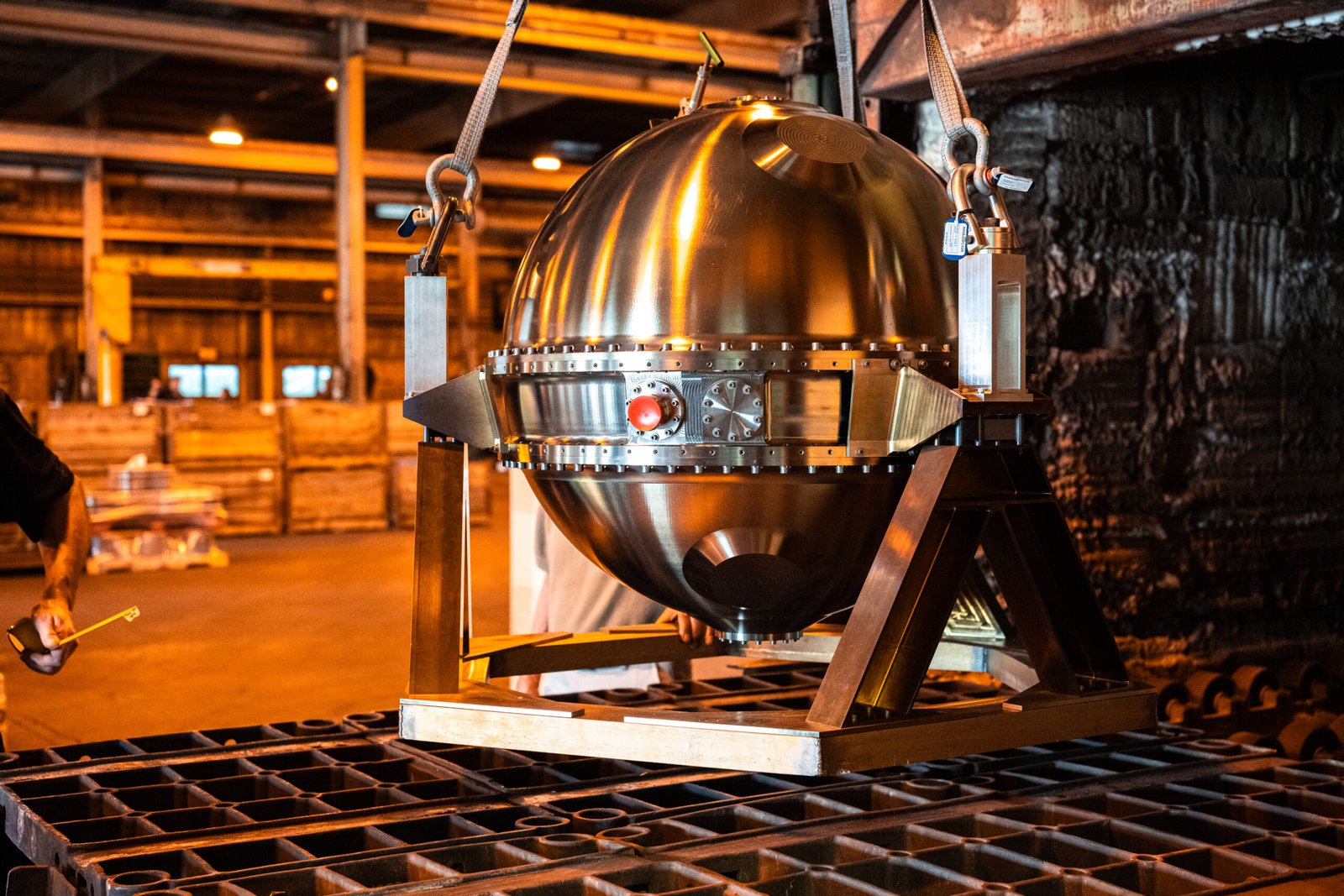
NASA engineers recently tested a new probe meant for Venus. This vessel, named DAVINCI, must survive extreme heat during its descent. The team placed the probe in a chamber heated to 869 degrees Fahrenheit.
After that, the probe successfully handled the intense thermal pressure. This test mimics the actual conditions it will face near the planet. The data will help scientists determine if Venus was once a wet and habitable world.
Additionally, NASA and international partners are focusing on the Moon. They recently signed an agreement to grow crops in space. This program aims to build a ground-based test site for lunar agriculture.
Then, researchers will study how plants grow in controlled lunar environments. These crops will provide fresh food for astronauts on long missions. Plants will also produce oxygen and help recycle water for the crew.
Changing social norms in Japan
In Japan, Mayor Shoko Kawata is challenging traditional views on work and family. She became the first mayor to take maternity leave in that country. This decision sparked a national conversation about the role of women in politics.
However, the response to her leave was mixed. Some critics called her choice irresponsible and suggested she should resign. Others praised her for setting a positive example for other working mothers.
Later, the mayor defended her decision in several media interviews. She argued that denying maternity leave excludes many women from public office. She maintains that being a parent helps her understand the needs of her constituents.
Finally, TIME Magazine named her one of the 100 most influential rising stars. She continues to advocate for social policies that support families. She hopes to use her personal experiences to guide her work in government.
How we got here
- April 2023: NASA scientists begin testing moisture sensors for space plant growth.
- Early 2026: Mayor Shoko Kawata starts a debate regarding maternity leave for elected officials.
- September 15, 2026: Mayor Kawata gives birth to her first child.
- September 30, 2026: NASA signs a deal with international partners to study lunar agriculture.
- October 2026: TIME Magazine names Mayor Kawata an influential rising star.
What happens next
NASA will likely continue its thermal tests to prepare for the Venus mission. These experiments ensure the probe stays functional in harsh, alien climates. Success here is vital for future planetary exploration.
Meanwhile, the Japanese mayor will likely return to her duties while raising her child. Her presence in office will continue to challenge existing workplace laws. This could lead to a formal legal framework for elected officials in the future.
Also, the lunar agriculture program will move toward building its ground-based demonstrator. Scientists expect these crops to provide essential nutrition for deep space crews. These efforts remain central to the goal of reaching Mars one day.