
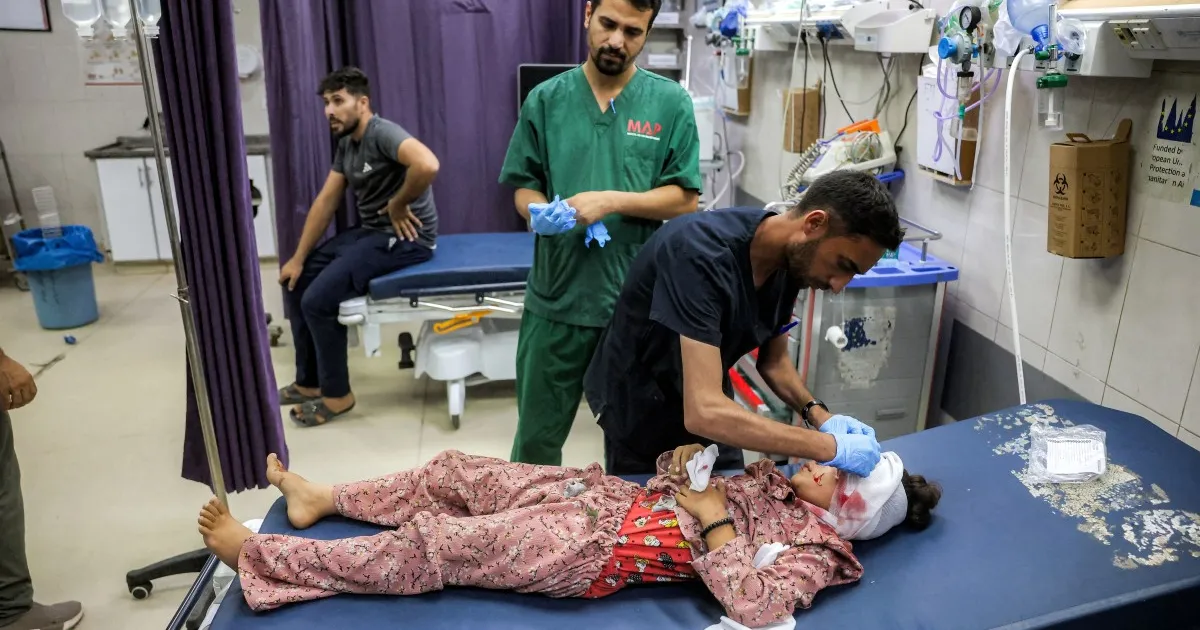
Health services in Gaza remain in critical condition while an Indonesian prisoner returns to jail following a public outcry over his early release.
Why this matters
Two very different crises show how systems fail the vulnerable. In Gaza, hospitals cannot provide basic care for sick and injured people. Meanwhile, an Indonesian legal case shows how secret rules can release abusers early. Both situations highlight the need for clear oversight and protection for victims.
Also, these stories remind us that official promises often fall short. When governments claim they provide safety or justice, people suffer. Many citizens now demand more transparency from their leaders. They want to ensure that no one remains above the law.
The struggle for medical care in Gaza
Health workers in Gaza face a very difficult reality today. They struggle to treat patients because they lack basic medicine and equipment. Many people arrive at clinics with new wounds from ongoing violence. Others need help for chronic issues like cancer or diabetes.
Meanwhile, relief groups report that the situation has not improved since last year. Official ceasefires failed to bring the expected safety to clinics. More than 1,470 people died since the current pause began. Doctors feel they cannot sustain the system any longer.
Then, the case of a woman named Iktimal shows the human cost. She needed surgery for cancer but faced long delays in her care. The system moved too slowly to approve her move to Egypt. She died shortly after she finally arrived for treatment.
Finally, artists and experts now demand an end to attacks on hospitals. The World Health Organization warns that this crisis will last for generations. Children suffer from malnutrition and lack of medicine. The entire region faces a long road toward any real recovery.
Justice in an Indonesian abuse case
A former teacher in Indonesia recently returned to jail after a secret release. Mochamad Subchi Azal Tsani, or Bechi, served less than half of his prison term. Authorities originally gave him a seven-year sentence for sexual assault. He worked at an Islamic boarding school before his arrest.
However, an undercover investigation revealed his release in August 2025. The government did not tell his victims about this decision. This secret action angered many people who follow the case. Lawmakers called for an investigation into how he left prison.
Next, the government admitted that officials made errors during his parole. They revoked the release and sent Bechi back to prison. Minister Agus Andrianto promised that those responsible will face consequences. He said he wants to stop such mistakes from happening again.
Also, victims feel a sense of relief after this news. Ira Puspitasari, who accused Bechi of abuse, expressed her surprise. She did not expect the government to pay such close attention. She hopes the legal system will treat everyone with fairness now.
How we got here
- 2022: Courts sentence Bechi to seven years in prison for sexual assault.
- August 2025: Authorities secretly release Bechi on parole without telling victims.
- October 2025: A BBC investigation reveals the secret release and sparks public outcry.
- October 2026: The government revokes Bechi’s parole and returns him to prison.
- October 2026: Health workers report that 1,470 people died in Gaza since the ceasefire.
What happens next
Officials in Indonesia must now conduct a full review of the parole system. They need to prove that they will punish those who broke the rules. Victims and the public will watch these proceedings very closely. Future cases will test if these reforms actually work.
Meanwhile, the situation in Gaza remains dire for medical teams. International pressure might grow to allow more supplies into the region. Still, experts expect health problems to persist for many years to come. The world continues to monitor these two very different, but equally urgent, crises.