
This report covers NASA's expanding space partnerships, a new look at the abduction of a US journalist, and the latest data on destruction in Gaza.
Why this matters
World events now span from the far reaches of space to the deepest human conflicts. These stories highlight the dual nature of our modern era. We use advanced technology to map the stars while struggling to account for lost lives on Earth.
Also, international cooperation remains fragile. Organizations seek peace through shared rules in space even as nations grapple with the reality of war. Understanding these developments requires a look at both our scientific goals and our historical burdens.
Scientific and Political Updates
NASA continues to grow its global reach. The agency recently added four new countries to the Artemis Accords. This brings the total number of members to 76 nations. These countries agree to peaceful and responsible space exploration.
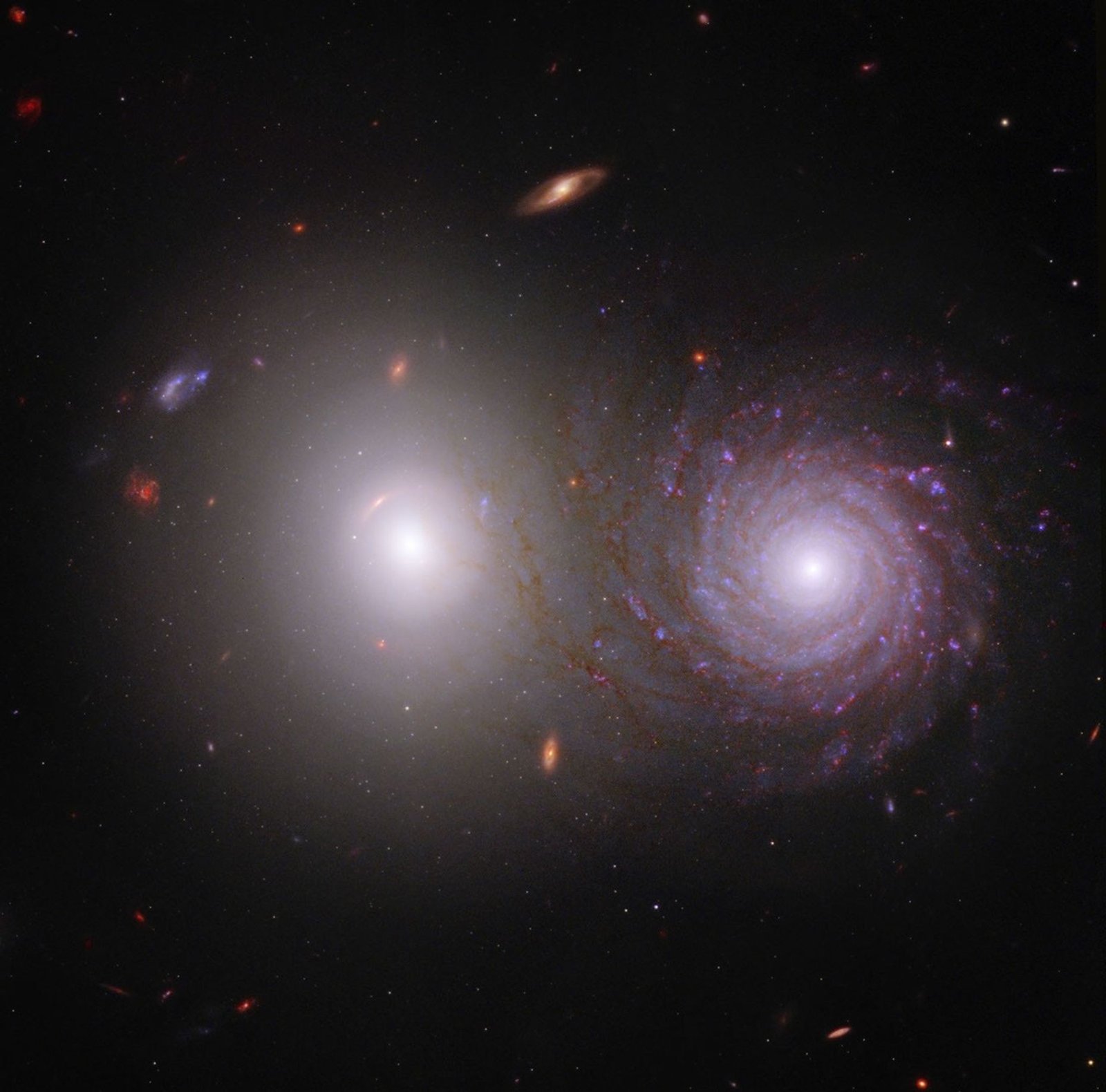
Meanwhile, the Overlap Zoo project asks for public help. Volunteers look at images of distant galaxies to find pairs that overlap. This data helps experts study cosmic dust. Anyone with internet access can join the search today.
However, dark news emerges from the Middle East. New satellite images reveal deep destruction across the Gaza Strip. The United Nations reports that about 82 percent of all buildings in the area now show damage. Many neighborhoods appear as nothing more than piles of rubble.
Furthermore, new light shines on an old mystery in Syria. Reports now show the 2012 kidnapping of US journalist Austin Tice was a planned operation. A former militia member claims the Syrian regime sanctioned the act. Files found after the regime fell provide proof of their involvement.
How we got here
- 2012: Journalist Austin Tice disappears while reporting in Syria.
- 1967: The foundational Outer Space Treaty establishes early rules for space.
- 2024: The Artemis Accords adopt the Signatories Group Method of Operations.
- 2024-2025: Significant military operations occur across the Gaza Strip.
- 2026: NASA welcomes four new nations to the Artemis Accords.
- 2026: New evidence links the Syrian regime to the Tice abduction.
What happens next
Experts expect the Artemis Accords to grow even more. NASA plans to hold meetings soon to lunar data with these partners. These steps aim to set clear standards for future moon landings.
Also, researchers will continue to analyze the debris in Syria to learn more about the past. Investigations into missing persons will remain a priority for many families. Meanwhile, the global community will monitor the reconstruction of devastated regions.
Finally, citizens will play a larger role in scientific discovery. Projects like Overlap Zoo show how simple tasks help professionals solve complex problems. These collective efforts represent a shift in how we explore the universe together.