
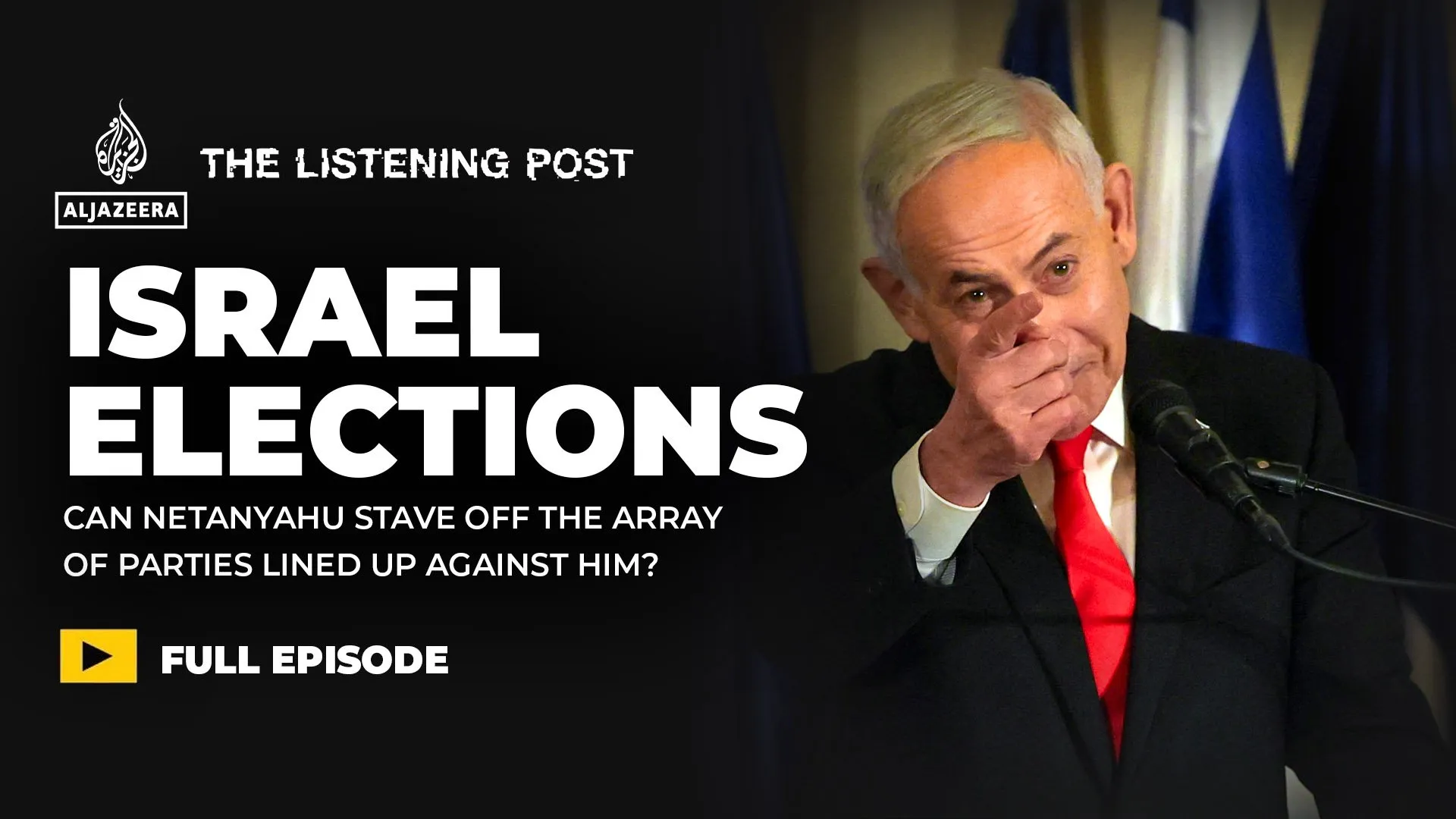
Israel and Brazil head to the polls amidst political controversy while space experts observe rare celestial events in the night sky.
Voters in Israel and Brazil face major decisions this month. Both nations deal with questions about power and foreign influence. Meanwhile, space scientists track unique cosmic events in the night sky. These stories define a busy news cycle across the globe.
Political debates consume the public airwaves in Israel. Citizens focus on the actions of Prime Minister Benjamin Netanyahu. Many people ask what he knew before the attacks on October 7. The prime minister denies these claims and takes legal action against critics.
Why this matters
These events show how information shapes modern democracy. Leaders fight to control the story during election seasons. Voters must decide which sources to trust for their news. Misinformation can change the path of a nation easily.
Also, international relations play a big role in local votes. Countries often watch each other for signs of interference. Strong political ties can shift trade deals and safety rules. These small shifts create large impacts on average citizens.
Election tensions in Israel and Brazil
In Israel, the media discourse stays locked on one man. Reporters debate the prime minister's role in the October 7 warnings. Some news outlets argue that these facts lack importance. Still, the election draws closer while these questions remain open.
Meanwhile, Brazil prepares for a heated presidential vote. President Luiz Inácio Lula da Silva faces Flavio Bolsonaro. Lula accuses his opponent of inviting outside interference. Washington faces questions about its support for the right-wing camp in Brazil.
Next, experts monitor how these elections affect global trade. Leaders worry about new tariffs and organized crime. Sovereignty becomes a central theme for many political campaigns. Both nations want to protect their own interests during these times.
Stargazing in the autumn night
Beyond politics, October offers a treat for space enthusiasts. Scientists use telescopes to view the "Jack-o'-lantern Nebula" in deep space. This cloud of gas reflects the beauty of distant stars. It provides a quiet break from the loud news cycle.
Also, the star Algol puts on a show for observers. People call it the "Demon Star" or the "blinking eye." It dims and brightens every three days due to its orbit. Anyone with binoculars can spot this change in the autumn sky.
Finally, astronomers look at the Witch Head Nebula. It sits 900 light-years away from Earth. This reflection nebula requires large telescopes to see clearly. It reminds us of the vast scale of our universe.
How we got here
- October 2023: The October 7 attacks occurred, leading to current questions about Israeli leadership.
- September 2026: NASA released new infrared images of space nebulae for October stargazing.
- October 2026: Brazilian presidential campaigns intensified as accusations of foreign interference surfaced.
- October 2026: Prime Minister Netanyahu began legal action against newspapers reporting on his past warnings.
What happens next
Analysts expect the Israeli election to remain highly charged. Netanyahu will likely try to shift the focus away from his past. Opponents will continue to press for more details on the October 7 warnings.
After that, Brazil will hold its high-stakes vote. The outcome will show if the public supports current ties to Washington. Both nations will see shifts in their political future very soon. Observers worldwide will watch these results closely.