
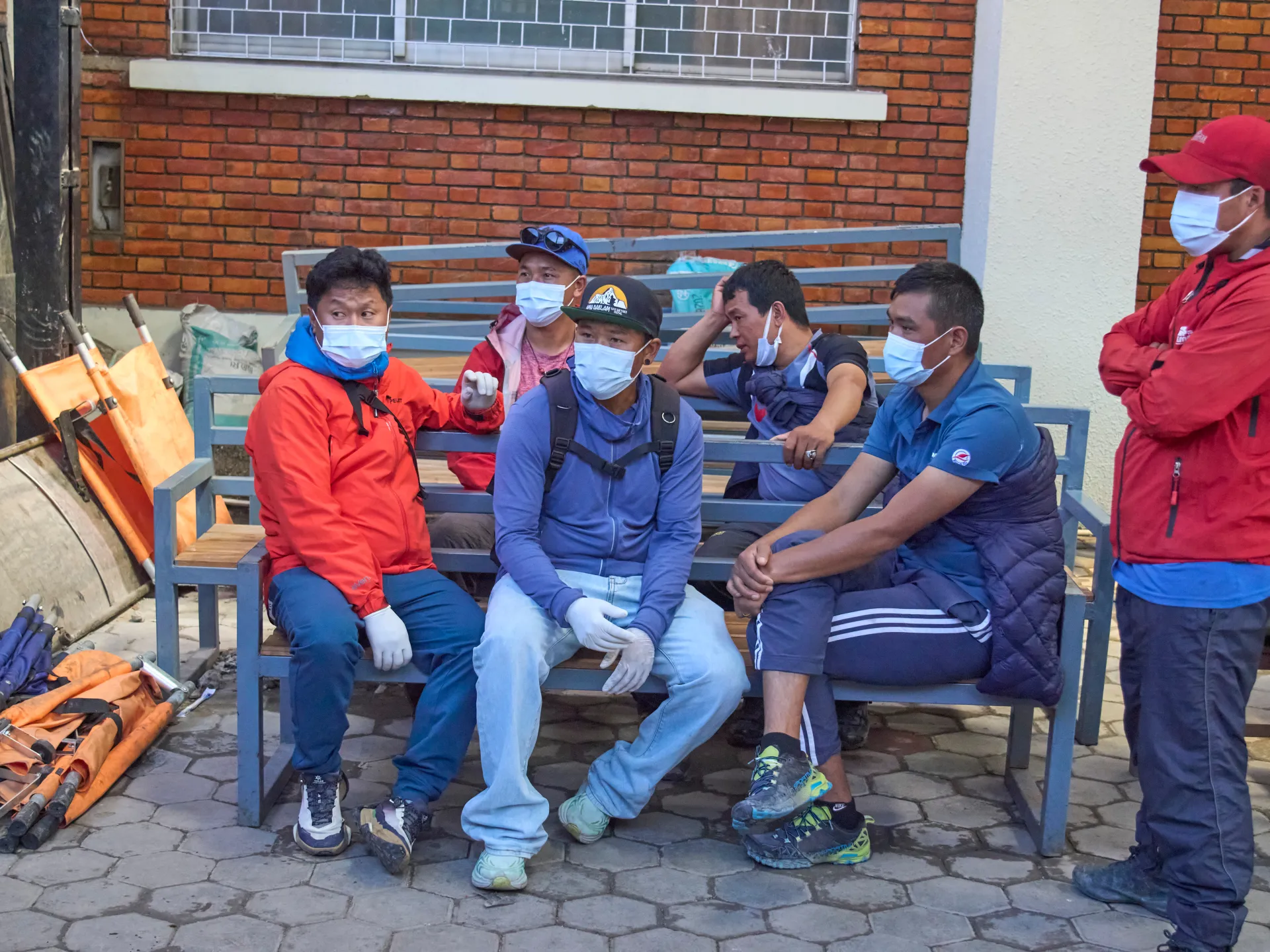
Global events span from a tragic detention center death in Nigeria to new space discoveries. Meanwhile, rescue workers search for missing climbers in Nepal.
A busy month brings news of tragedy and scientific growth across the globe. Researchers study deep space while officials manage sudden disasters on Earth. These events show the varied nature of our world today.
Meanwhile, families in Nepal and Nigeria mourn their lost loved ones. Both nations face difficult questions about safety and care. These stories remind us of the fragility of human life.
Why this matters
These events highlight the different risks people face around the world. In Nepal, nature presents a dangerous threat to climbers. Sudden avalanches can strike without warning on high mountain peaks.
Also, the events in Nigeria point to serious problems with prison systems. Overcrowding can turn a simple holding cell into a lethal trap. Proper care for those in custody remains a vital human right.
Furthermore, space science offers a look at our larger universe. While we focus on local issues, astronomers look at ancient star clusters. Understanding our galaxy helps humans grasp our place in the cosmos.
Human safety and tragedy
In Nigeria, a tragic event unfolded inside a detention center. Authorities say 37 people accused of illegal mining died suddenly. The victims were held in Niger state while awaiting charges.
However, officials disagree on the cause of these deaths. The Nigerian Security and Civil Defence Corps suggests a disease outbreak occurred. Meanwhile, intelligence reports point to poor ventilation and extreme overcrowding.
Next, local families describe a scene of intense heat and suffocation. One man told the BBC that his son survived near a small window. He claims guards ignored pleas for help from the trapped men.
Also, the situation in Nepal remains very grim this week. A powerful avalanche struck Mount Himlung, leaving two climbers dead. Rescuers search for 12 others who went missing after the slide.
Science and the heavens
Above the Earth, science research continues at a steady pace. Astronaut Anil Menon talks with students from the International Space Station. He shares his experiences to help students learn about space careers.
Then, astronomers highlight the beauty of the Omega Centauri cluster. This group holds 10 million stars in a giant, swirling cloud. Hubble Space Telescope data shows a massive black hole at its center.
How we got here
- September 18, 2026: Thirty-seven detainees died in a Nigerian facility.
- September 22, 2026: NASA announced an upcoming call with students.
- September 24, 2026: Astronaut Anil Menon answered student questions from space.
- September 25, 2026: NASA published new imagery of the Omega Centauri star cluster.
- September 28, 2026: Recovery efforts continued for victims of the Nepal avalanche.
What happens next
Police in Nigeria have launched a formal investigation into the deaths. They aim to find the true cause of the tragedy. Families are calling for an independent check of the bodies.
After that, local officials will likely face more public pressure. Protests have already caused authorities to set a 24-hour curfew. Peace in the region depends on clear answers from the government.
Finally, rescue teams in Nepal will fight the cold mountain weather. They continue to look for the remaining missing climbers. Experts warn that the search area remains highly unstable for crews.