
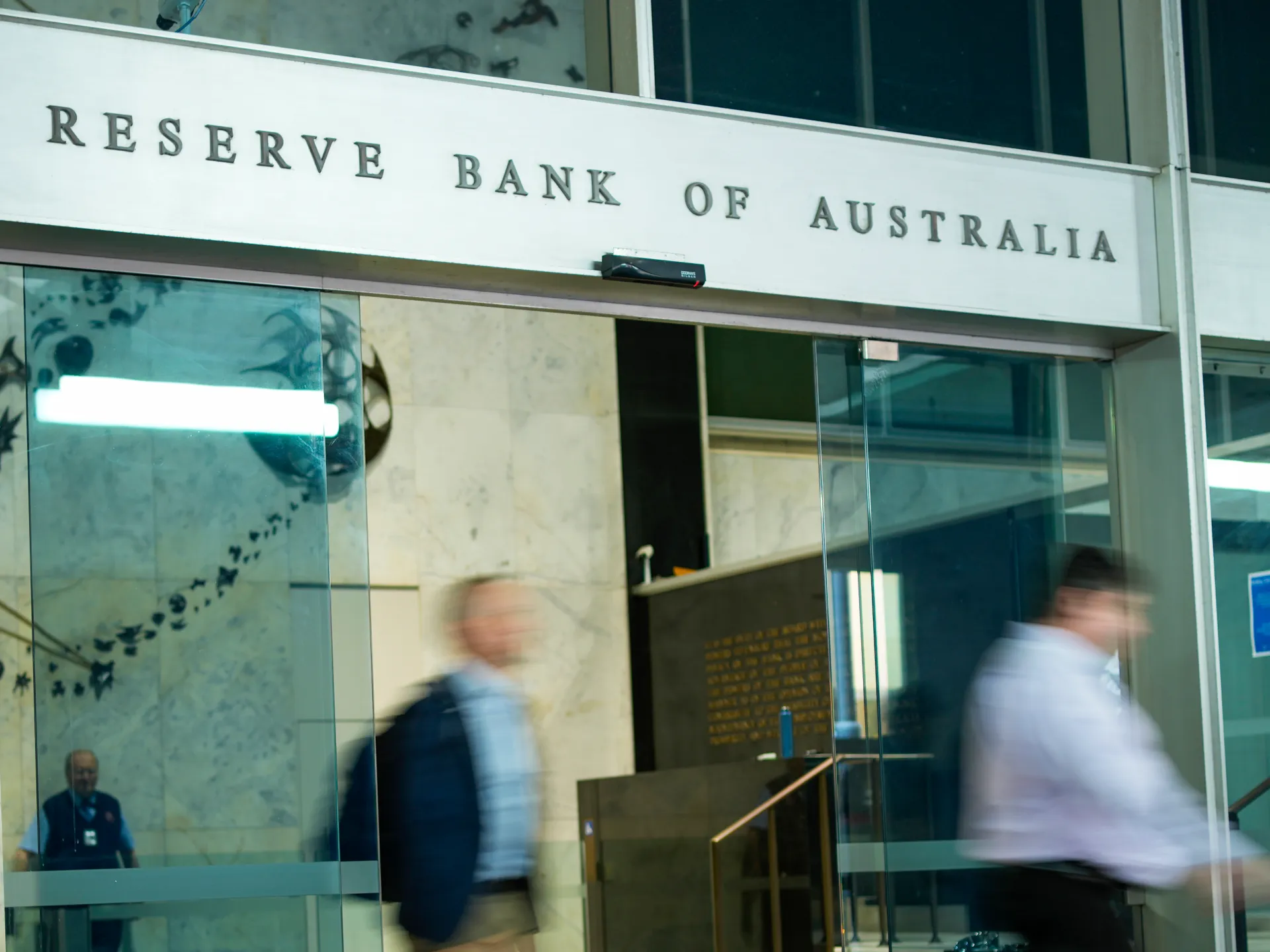
Central banks in Japan and Australia raise interest rates to fight inflation while new satellite data reveals changing volcanic activity.
Central banks in Japan and Australia are raising interest rates this month. These moves signal a major shift in global economic policies. Both nations are battling rising costs and financial pressure.
Meanwhile, new satellite data shows how Earth continues to change. NASA technology is tracking active volcanic eruptions in Russia. These diverse events highlight a busy time for global finance and science.
Why this matters
Higher interest rates change how people spend and money. Banks use these tools to slow down rising costs for goods. When rates go up, loans for homes and businesses get more expensive.
Also, these global changes show how connected the world is today. A war in the Middle East impacts energy prices in Japan. This forces leaders to act quickly to keep their economies steady.
Furthermore, new technology helps us track natural disasters across the globe. Better data allows scientists to study volcanoes from space. This knowledge helps keep people safe from sudden natural threats.
Economic shifts in Japan and Australia
The Bank of Japan recently lifted its main interest rate. It now sits at 1.25 percent. This marks the highest rate for the country since 1995. The bank aims to stop prices from climbing too high.
Then, Australia followed with its own policy change. The central bank raised its rates for the first time in five months. It is now at a 15-year high. Officials hope this move stabilizes the national economy.
However, these changes bring new challenges for everyday people. Borrowers will see higher monthly payments on their loans. Experts watch these markets closely to see how consumers react to the news.
Monitoring the changing planet
Space technology offers a new way to watch our world. The NASA-ISRO satellite tracks lava flows at a volcano in Russia. It captures images from 464 miles above the surface.
Next, researchers analyzed 17 different frames from the satellite mission. These images show lava spreading like vines over the landscape. This site had been quiet for nearly 500 years before the recent activity.
Also, nature has shown beauty in other parts of the world. Heavy rains in Western Australia turned the desert into a field of flowers. Satellite images show the land blooming after a very wet winter.
How we got here
- July 2025: A massive earthquake strikes near the Kamchatka Peninsula.
- August 2025: The Krasheninnikov volcano begins to erupt for the first time in centuries.
- August 2026: Heavy rains lead to a massive wildflower bloom in Western Australia.
- September 18, 2026: The Bank of Japan raises its interest rate to 1.25 percent.
- September 29, 2026: Australia raises its interest rates to a 15-year high.
What happens next
Economists expect more global volatility in the coming months. If inflation remains high, other nations might raise rates too. Central banks will likely hold these levels until prices cool down.
After that, scientists will keep studying the Russian volcano. They want to see if the lava flow changes its path soon. This research will improve how we monitor hazards from space.
Finally, citizens should prepare for higher borrowing costs. Global markets remain sensitive to news about energy and war. Financial analysts suggest people stay informed about these changing economic trends.