
French student protests over school conditions have led to over 160 arrests, raising concerns about national stability.
French students are blockading schools across the country this week. They protest against crowded classrooms and a lack of teachers. The movement began last week near Paris. It now reaches cities like Marseille and Lille.
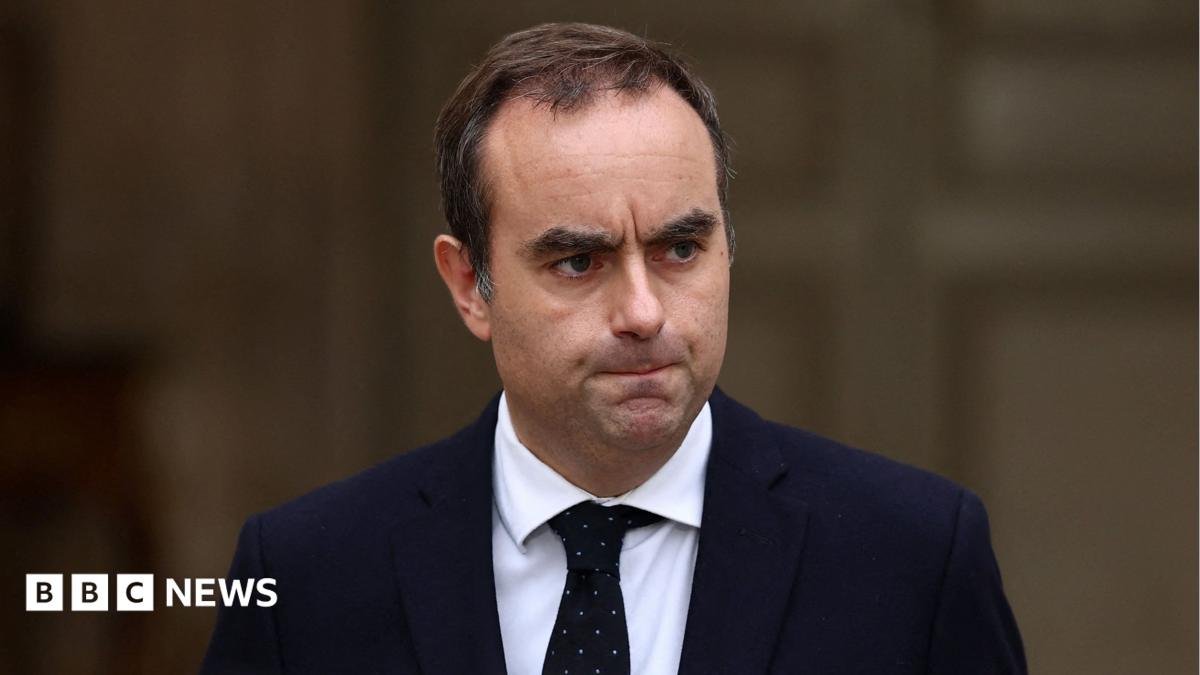
Police arrested 164 people on Monday alone. The government reports that fireworks and fires have occurred at some sites. Prime Minister Sébastien Lecornu calls this violence irresponsible. He says that nothing justifies endangering students or staff.
Why this matters
These protests show deep frustration with the French education system. Students claim that years of budget cuts have hurt their schools. They say classes are too full and buildings are falling apart.
However, the government worries about the safety of these students. Officials argue that blockades disrupt the learning environment for everyone. This conflict highlights a growing gap between young people and national leadership.
Also, the unrest arrives during a tense political climate. Other groups like hospital staff and civil servants plan their own strikes. They also want better pay and improved working conditions across the country.
Meanwhile, political leaders blame each other for the chaos. The Prime Minister accuses the far-left France Unbowed party of fueling the movement. Conversely, opposition leader Jean-Luc Mélenchon says the government caused the unrest with harsh crackdowns.
The scope of the unrest
The movement started in the Île-de-France region. It quickly grew as students used social media to organize. Reports show 180 schools faced disruptions on Monday. Officials confirmed injuries to 12 students and 12 security officers.
Furthermore, student unions defend these actions as a necessary step. They call the protests a legitimate response to unfair policies. They specifically cite the Parcoursup system for college applications as a source of stress.
Still, the government maintains a firm stance on security. They condemn the vandalism and the use of fireworks near police. Authorities say that all violent actors must answer for their actions in court.
How we got here
What happens next
The government must now decide how to balance safety and free speech. They likely will increase police presence near high schools. They hope to prevent further vandalism and ensure that classes continue.
Then, education officials may need to address the core complaints about staffing. If the government ignores the budget demands, the strikes may grow. Unions are already preparing for more coordinated actions this week.
Finally, the political fallout remains uncertain for the current administration. Both sides show few signs of backing down soon. The country must wait to see if dialogue can replace the current street confrontations.