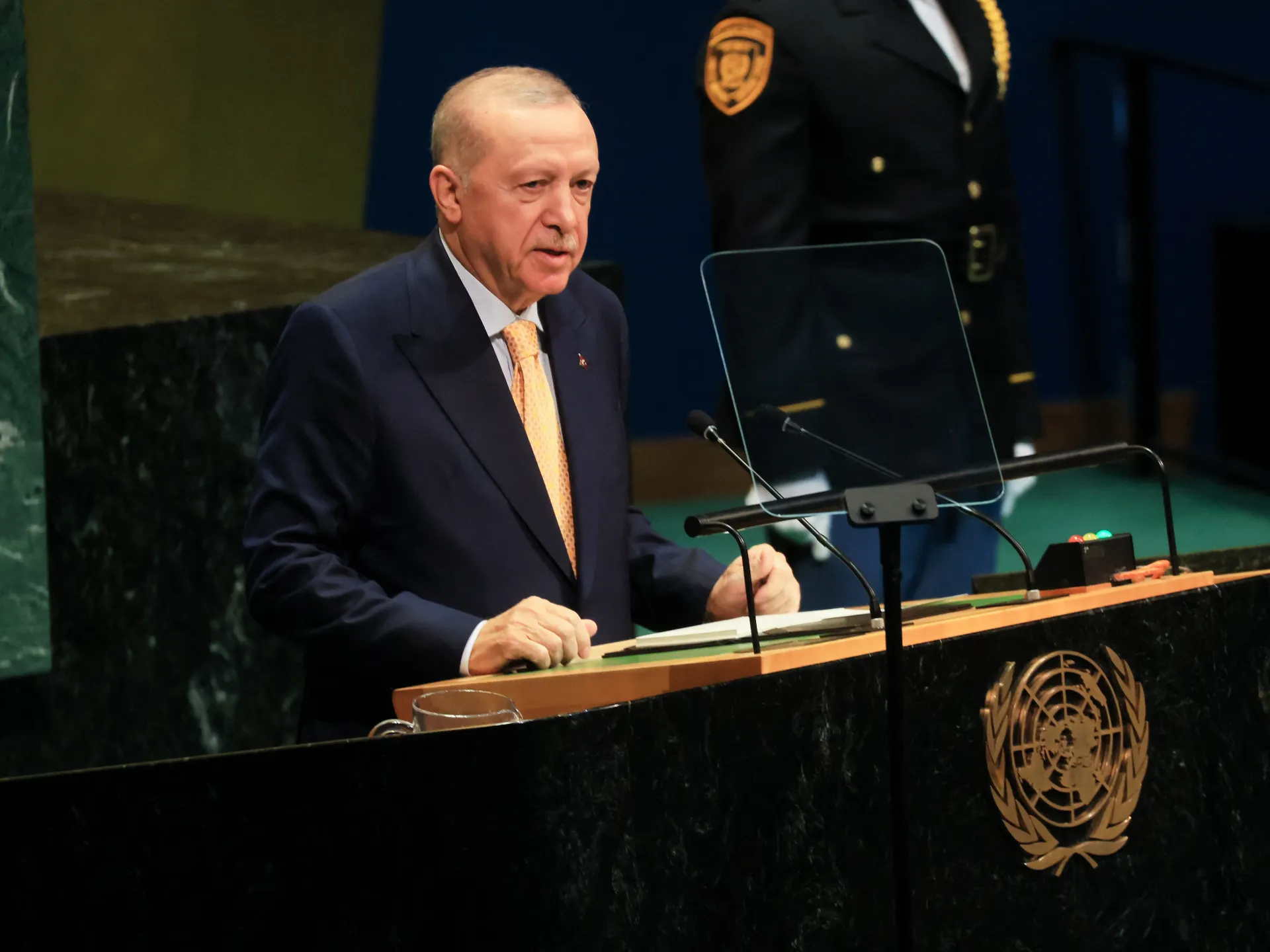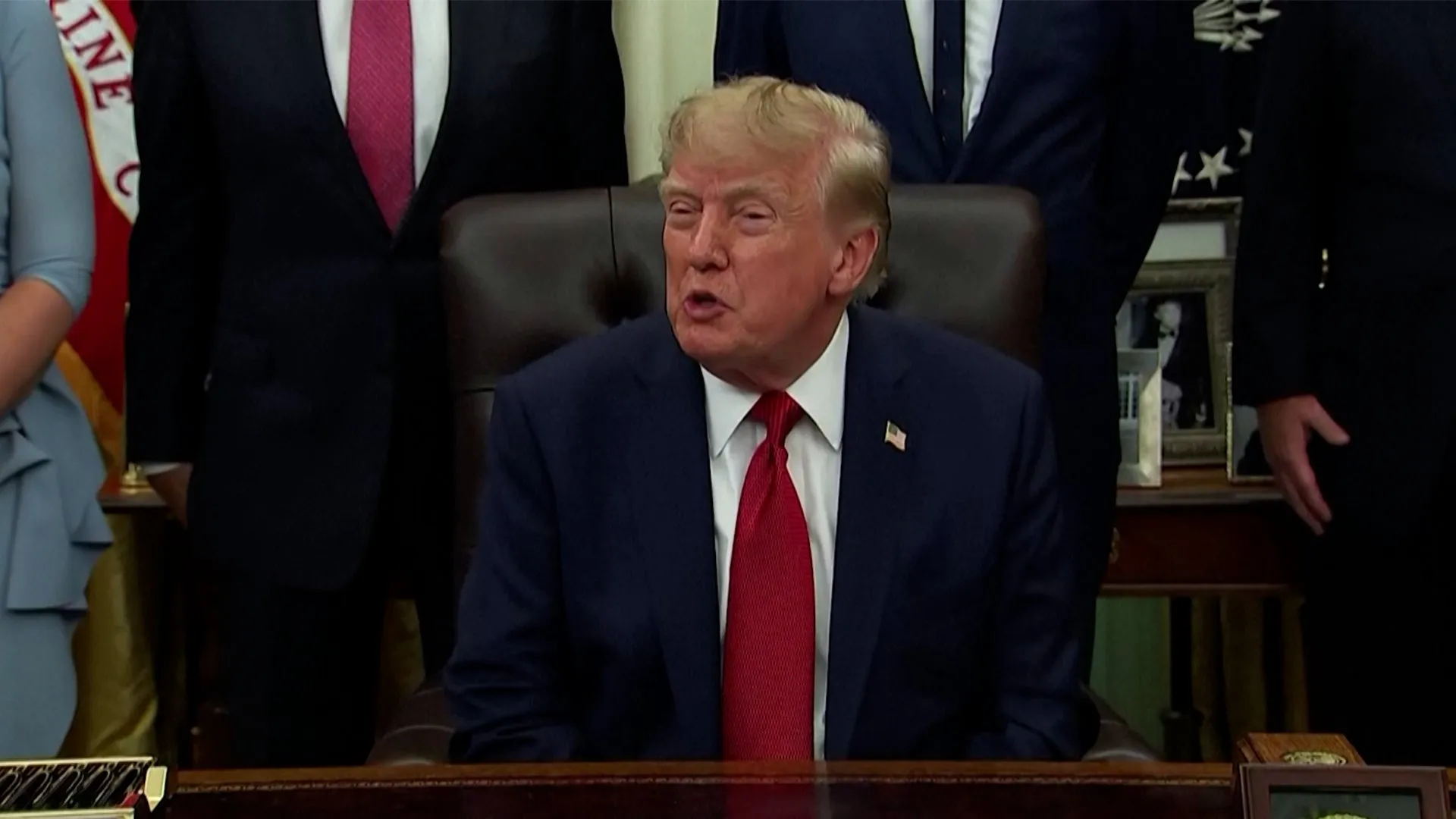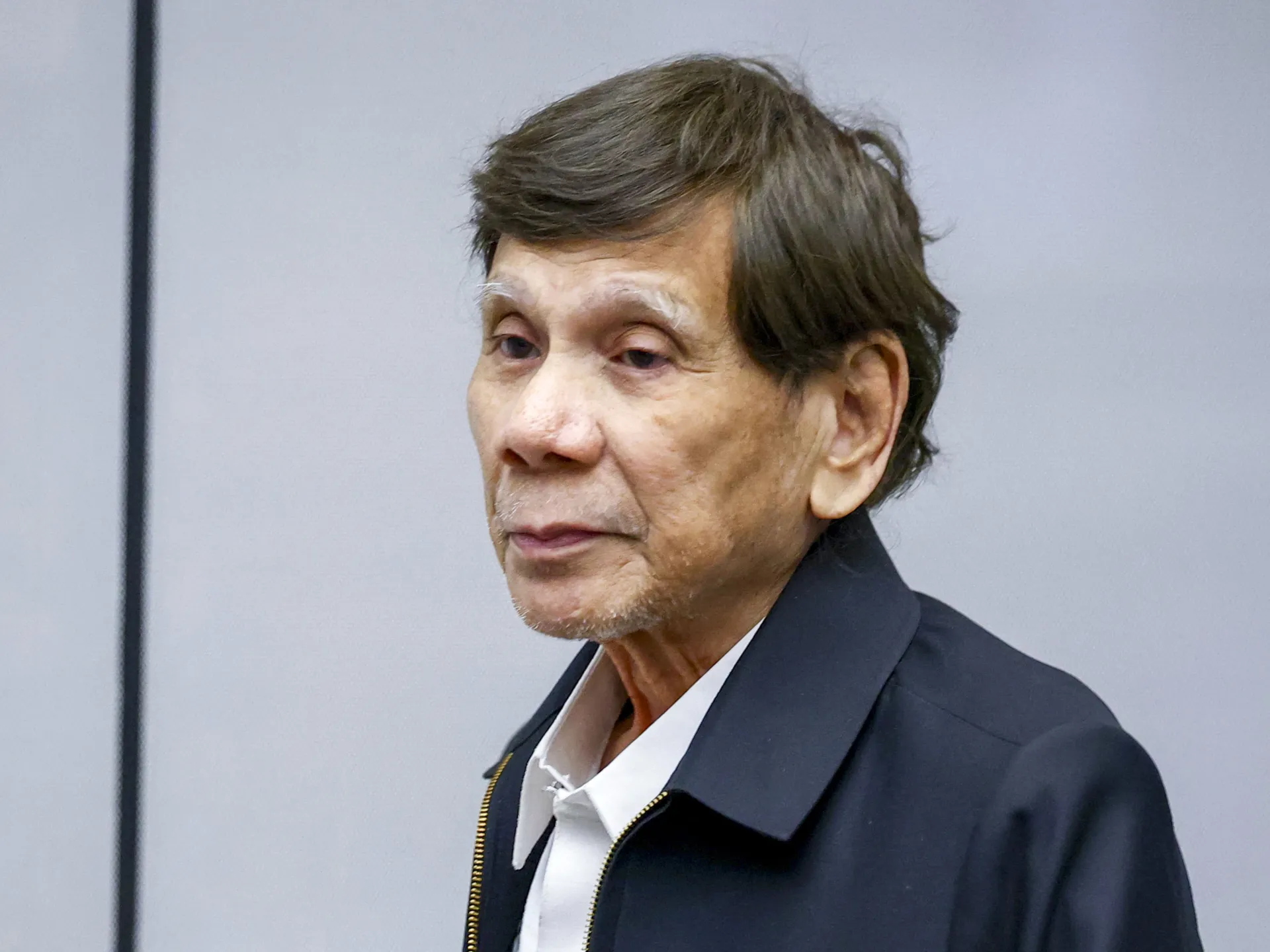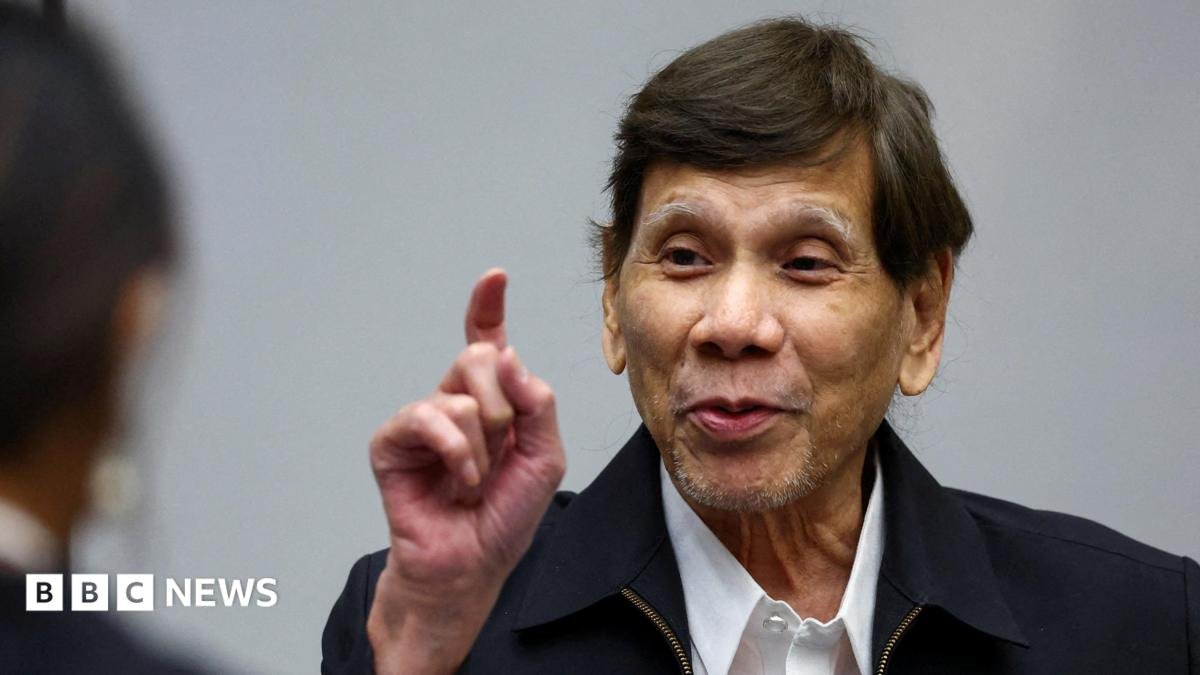
Former Philippine President Rodrigo Duterte appeared in person at the ICC for the first time as the court weighs whether his cognitive health allows for a full trial.
The appearance of Rodrigo Duterte at the International Criminal Court (ICC) in The Hague represents a pivotal moment for international justice, testing the tribunal's ability to navigate the intersection of high-stakes criminal accountability and the complexities of age-related cognitive decline. While previous ICC proceedings have often focused on active conflicts or historical atrocities, the case against Duterte centers on internal policy decisions labeled as crimes against humanity. The outcome of the fitness-to-stand-trial evaluation will set a significant precedent for how the court handles defendants who claim systemic memory loss, potentially influencing the viability of long-term prosecutions against former heads of state whose alleged crimes occurred years prior to their detention.
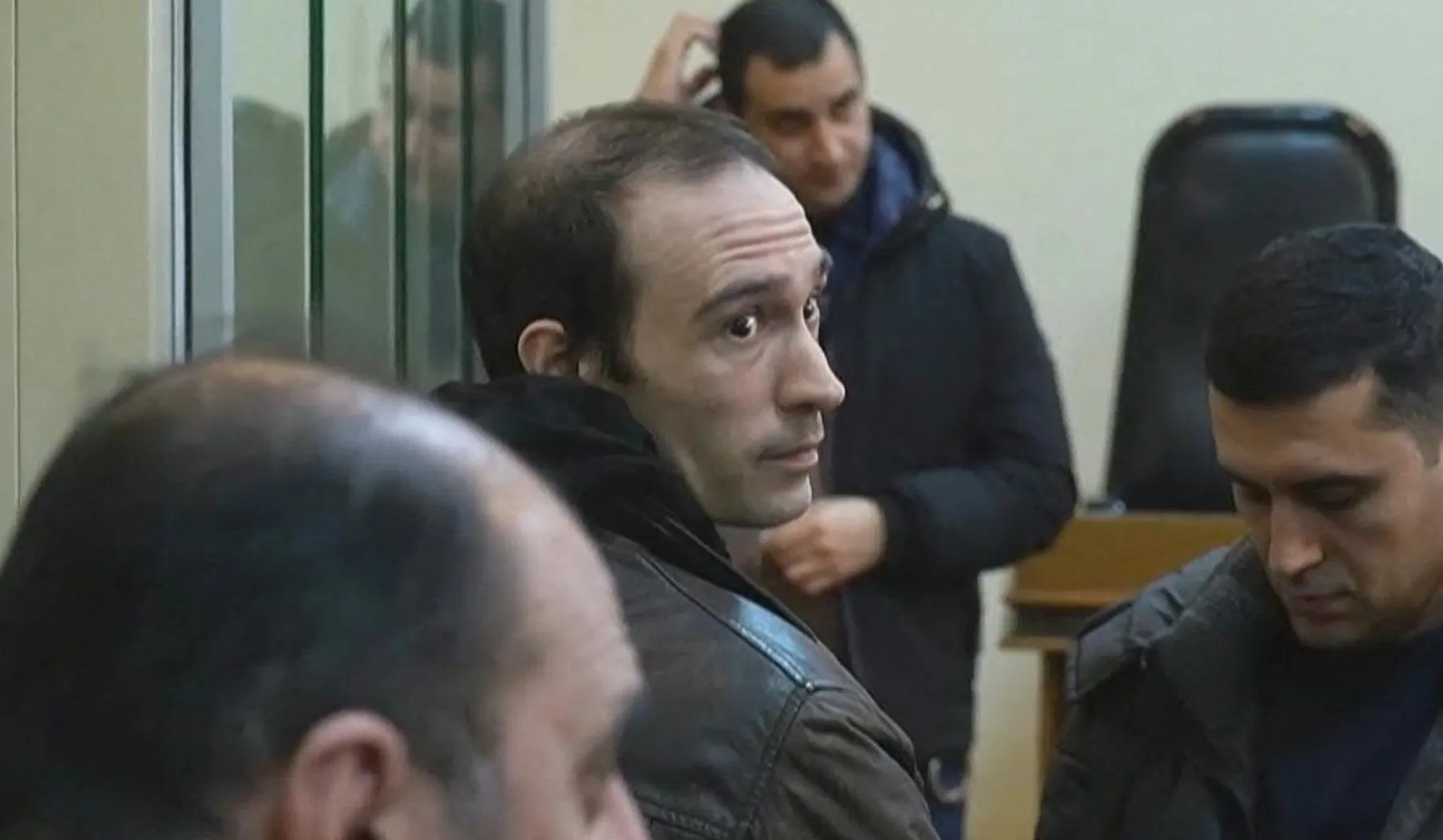
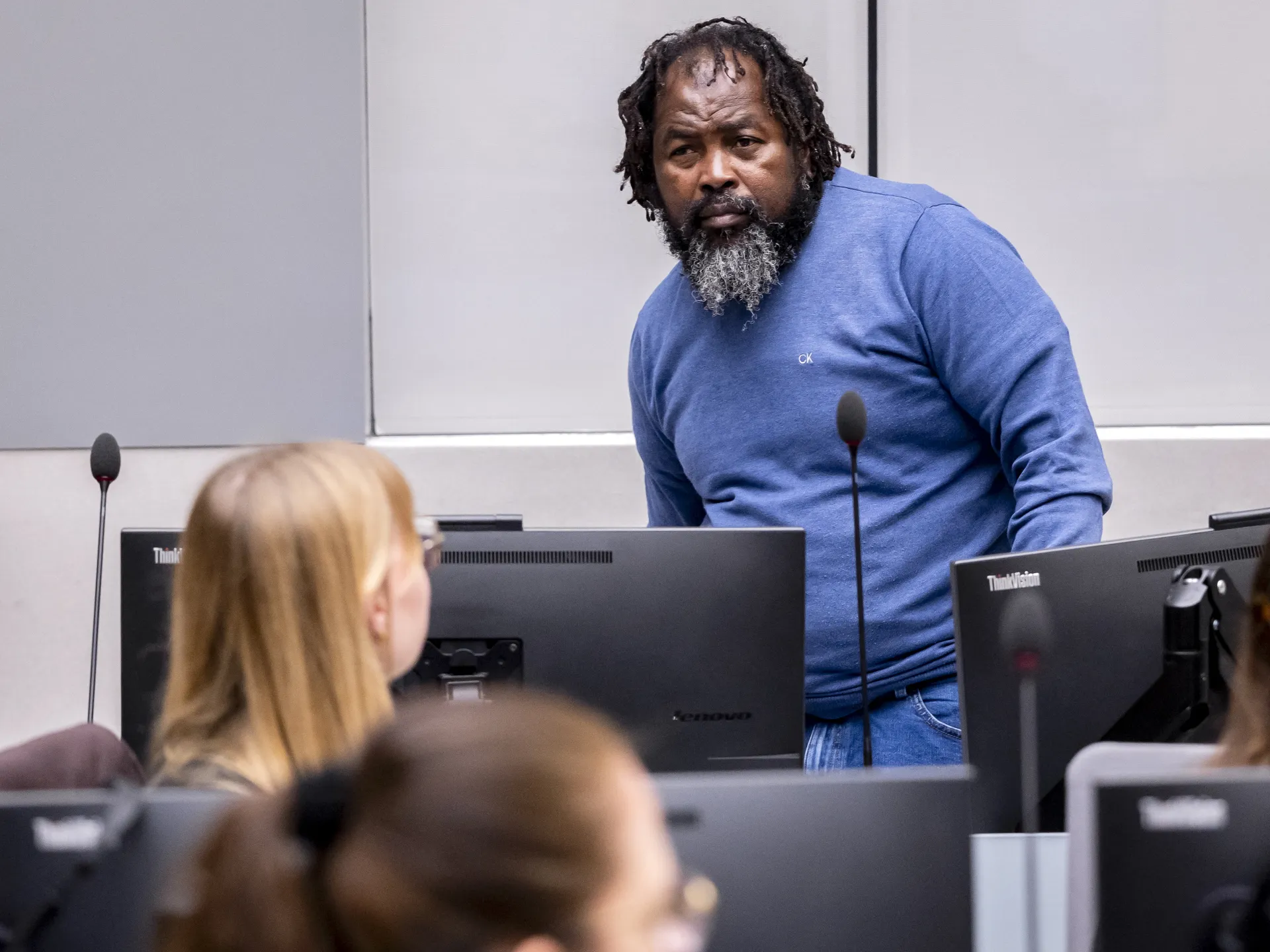
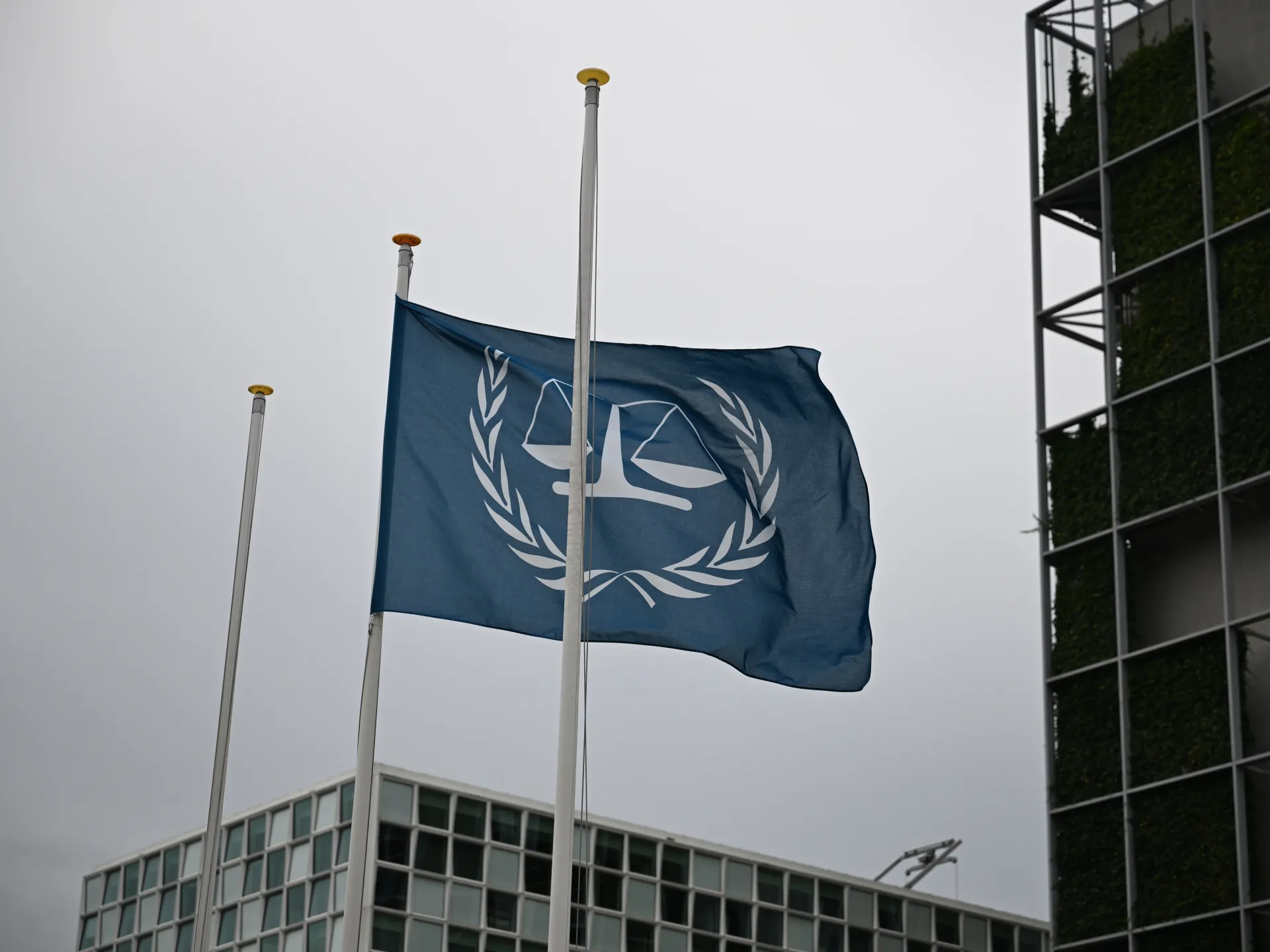
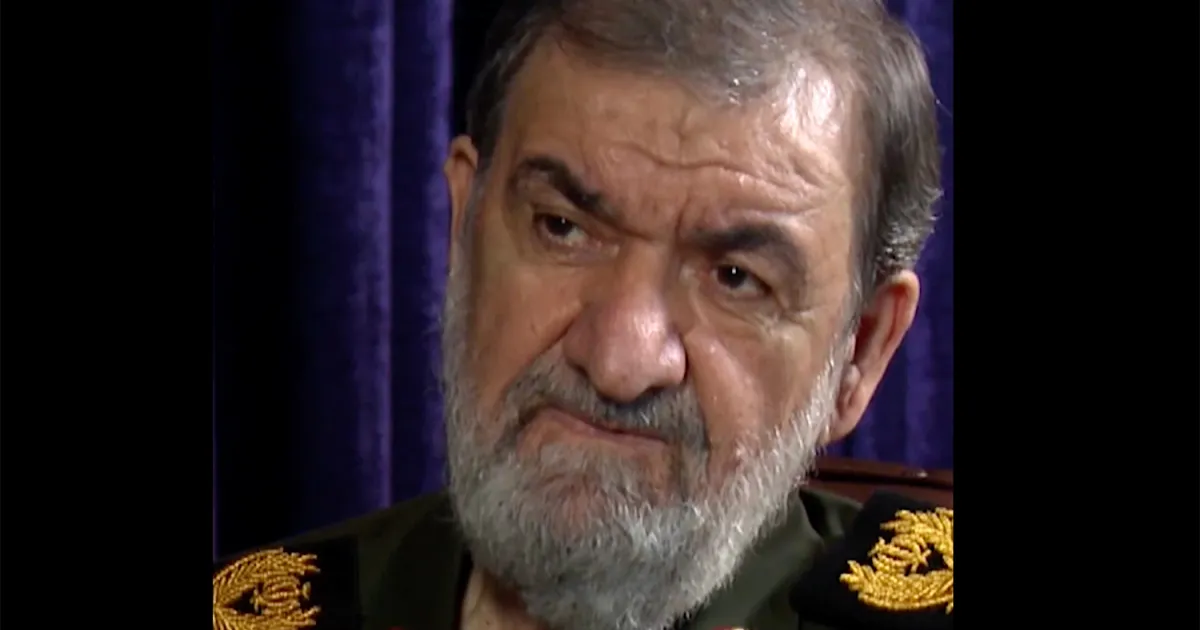
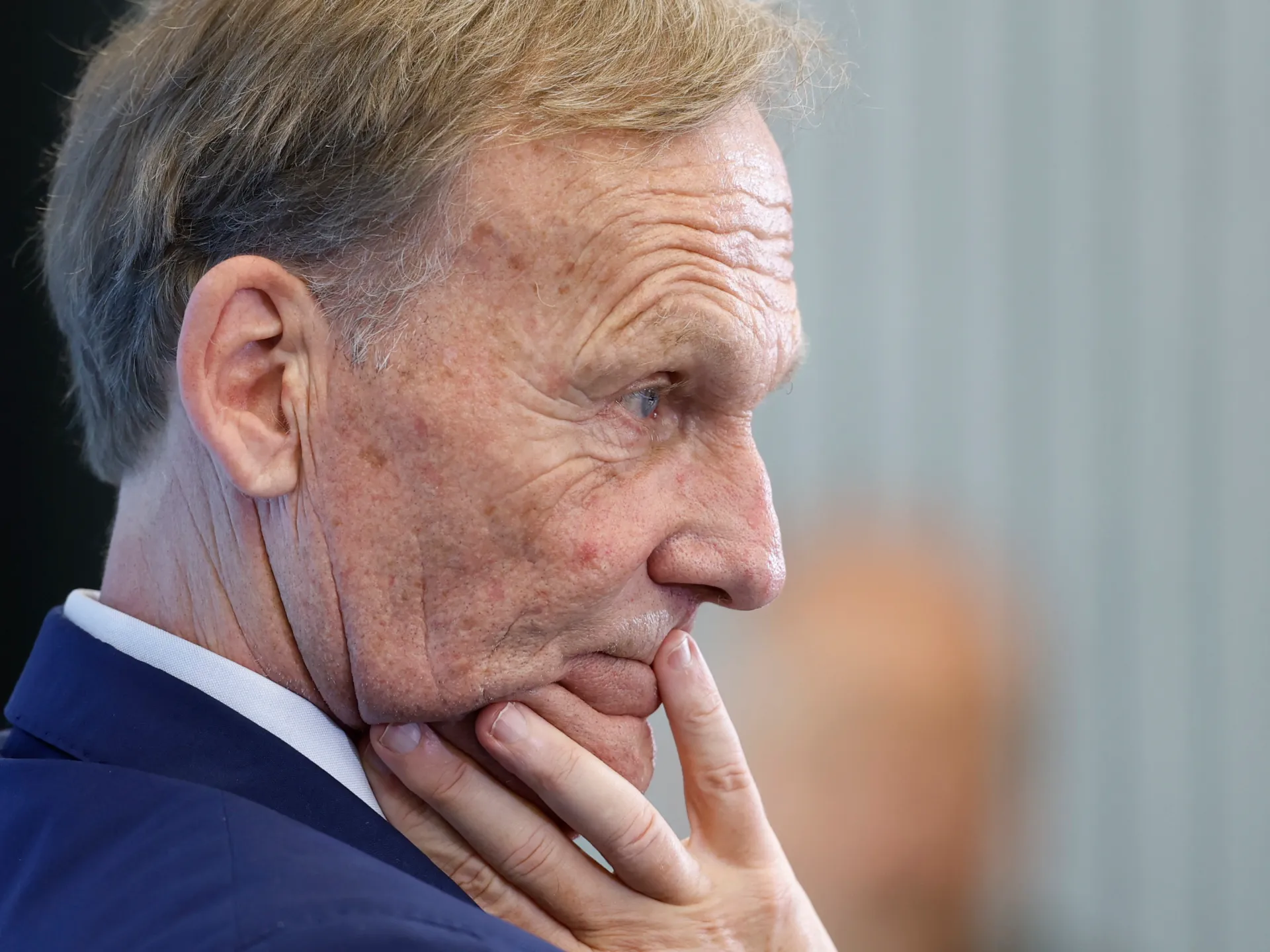
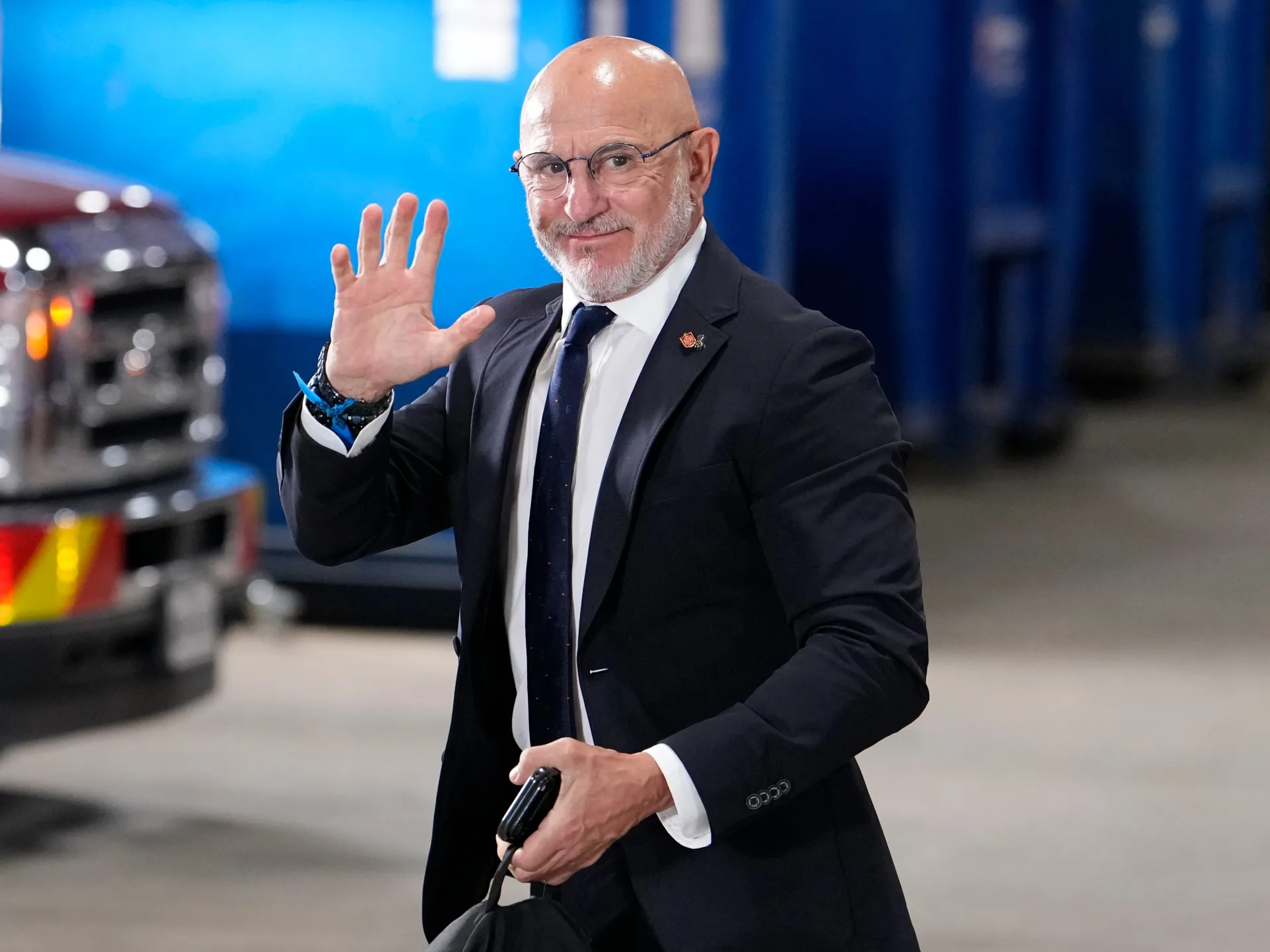
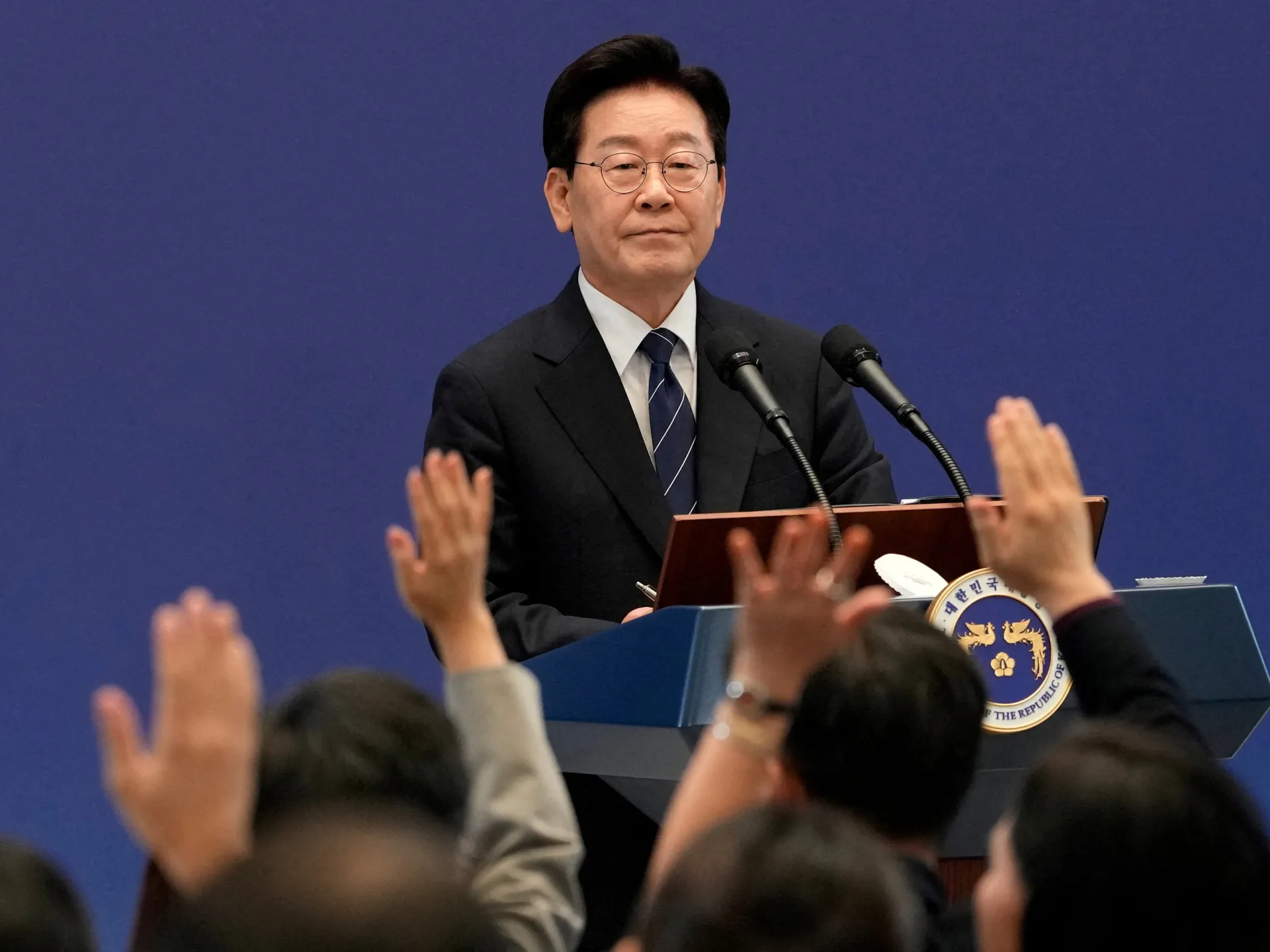
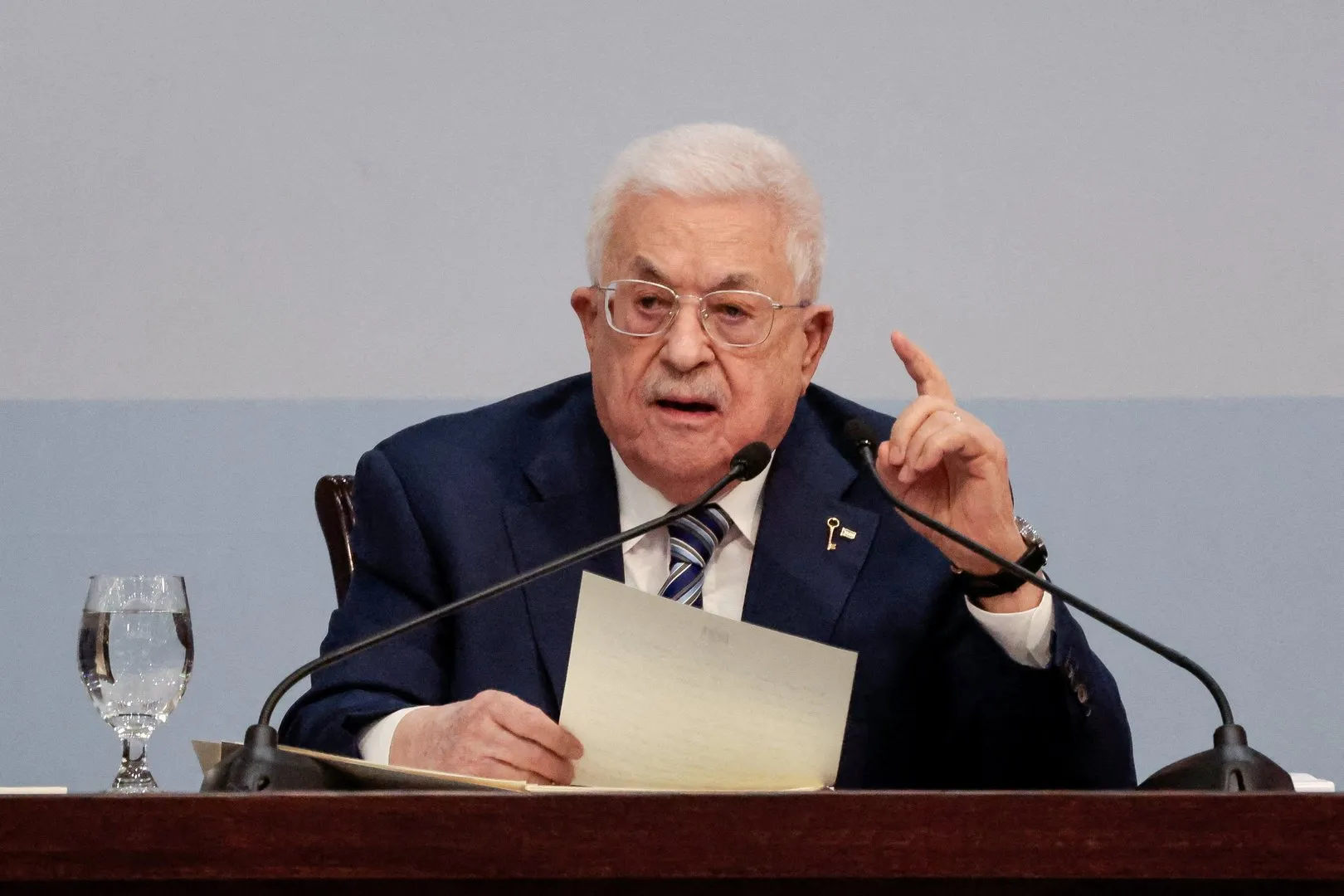
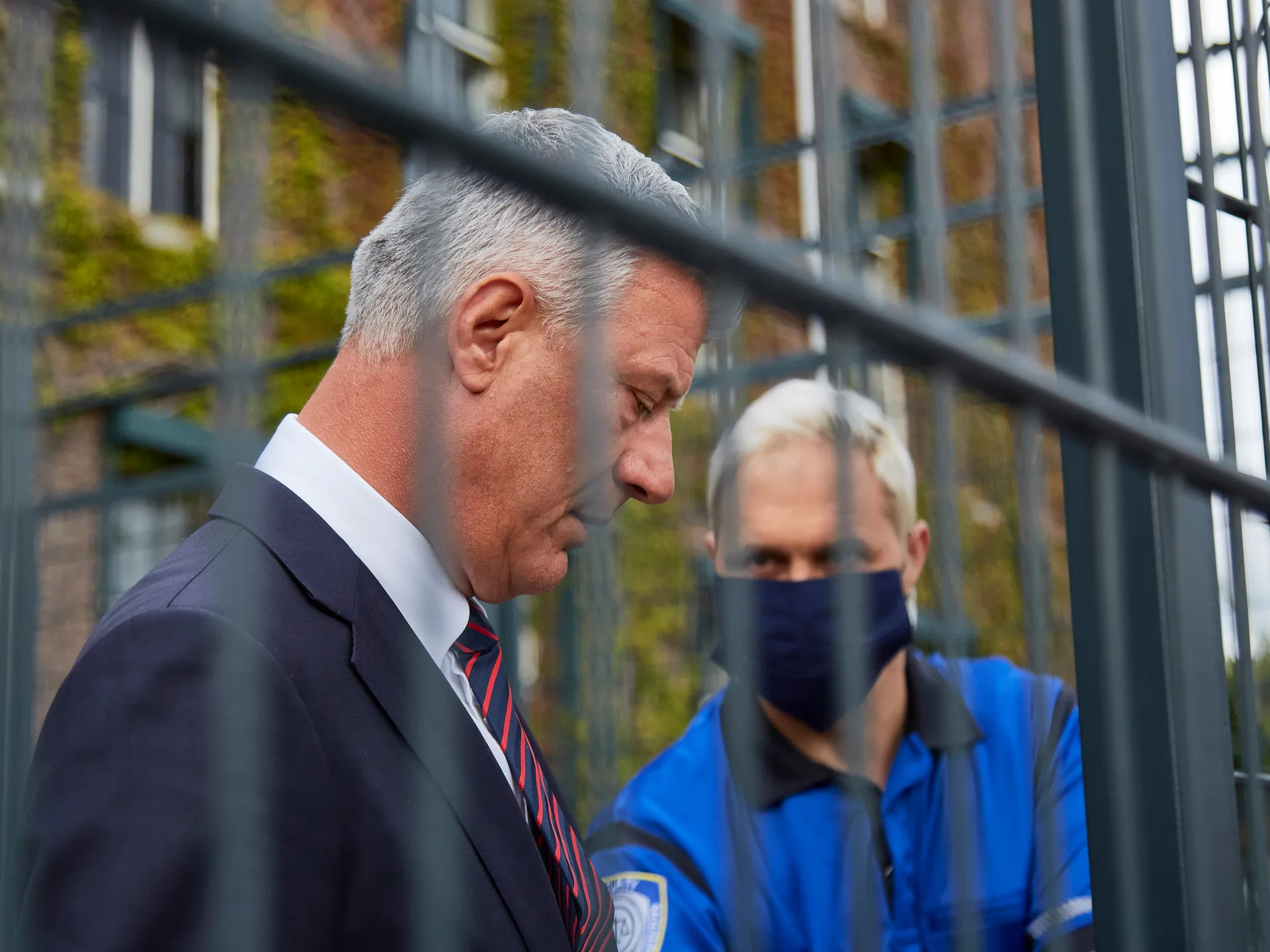
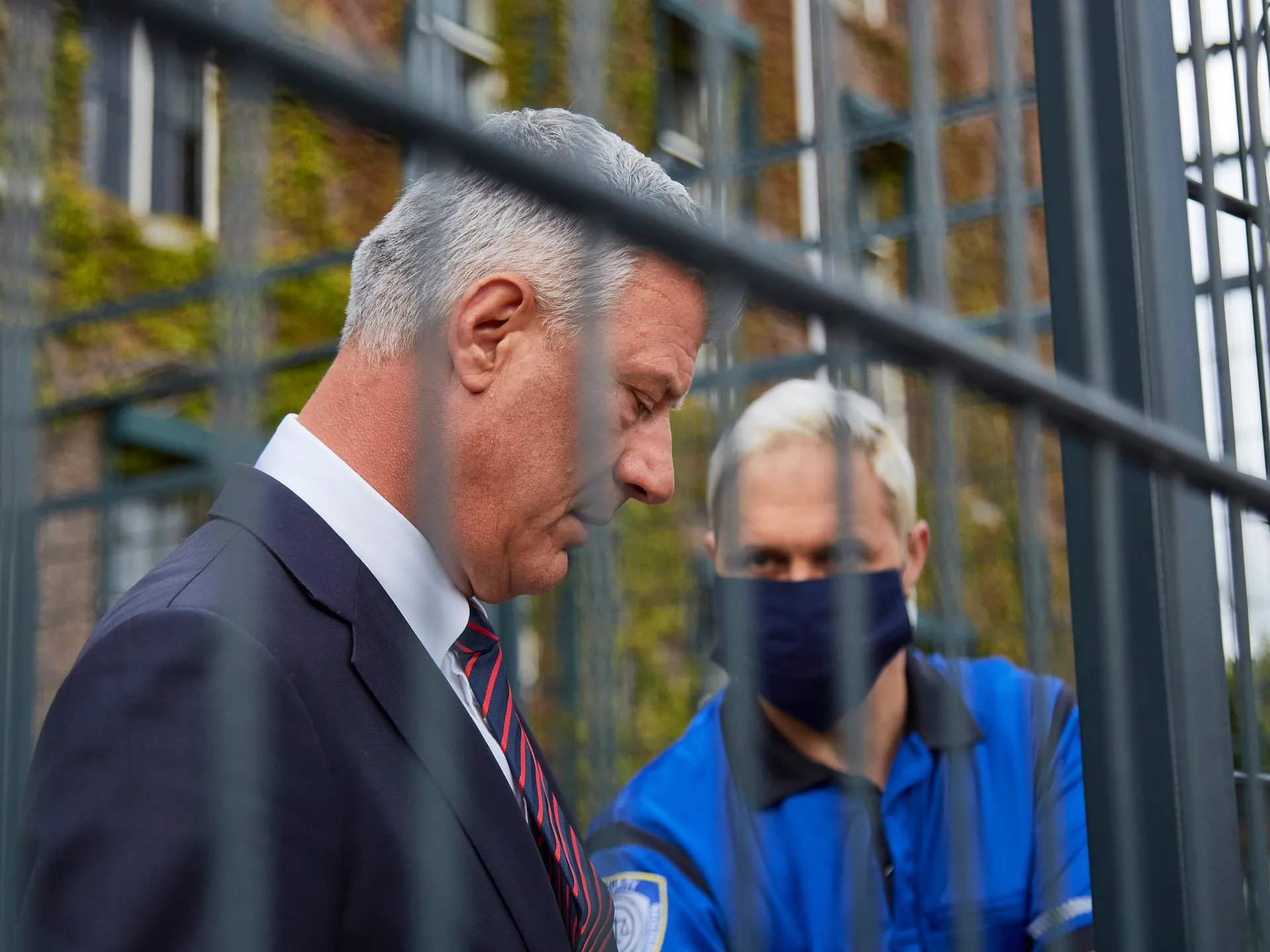
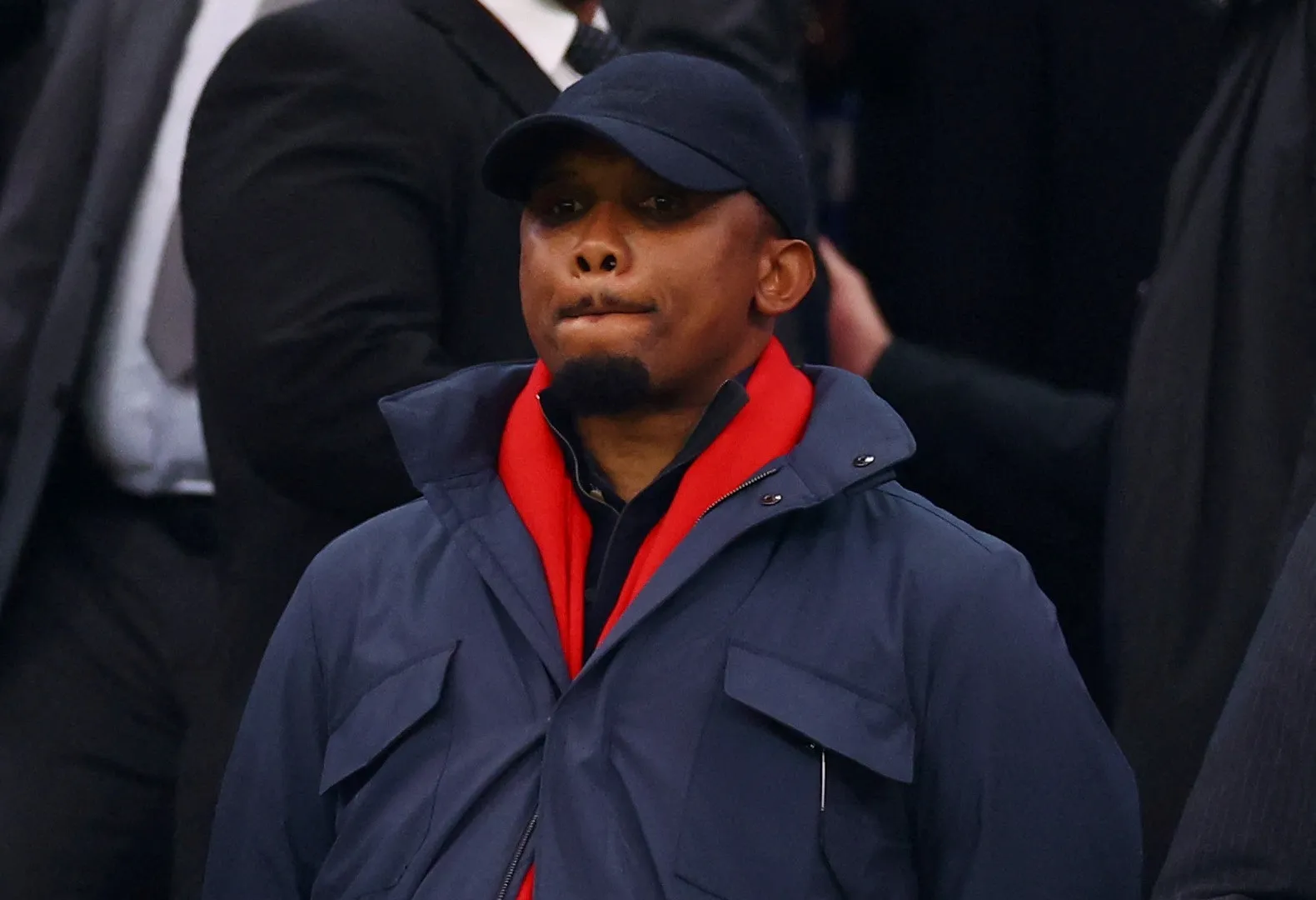
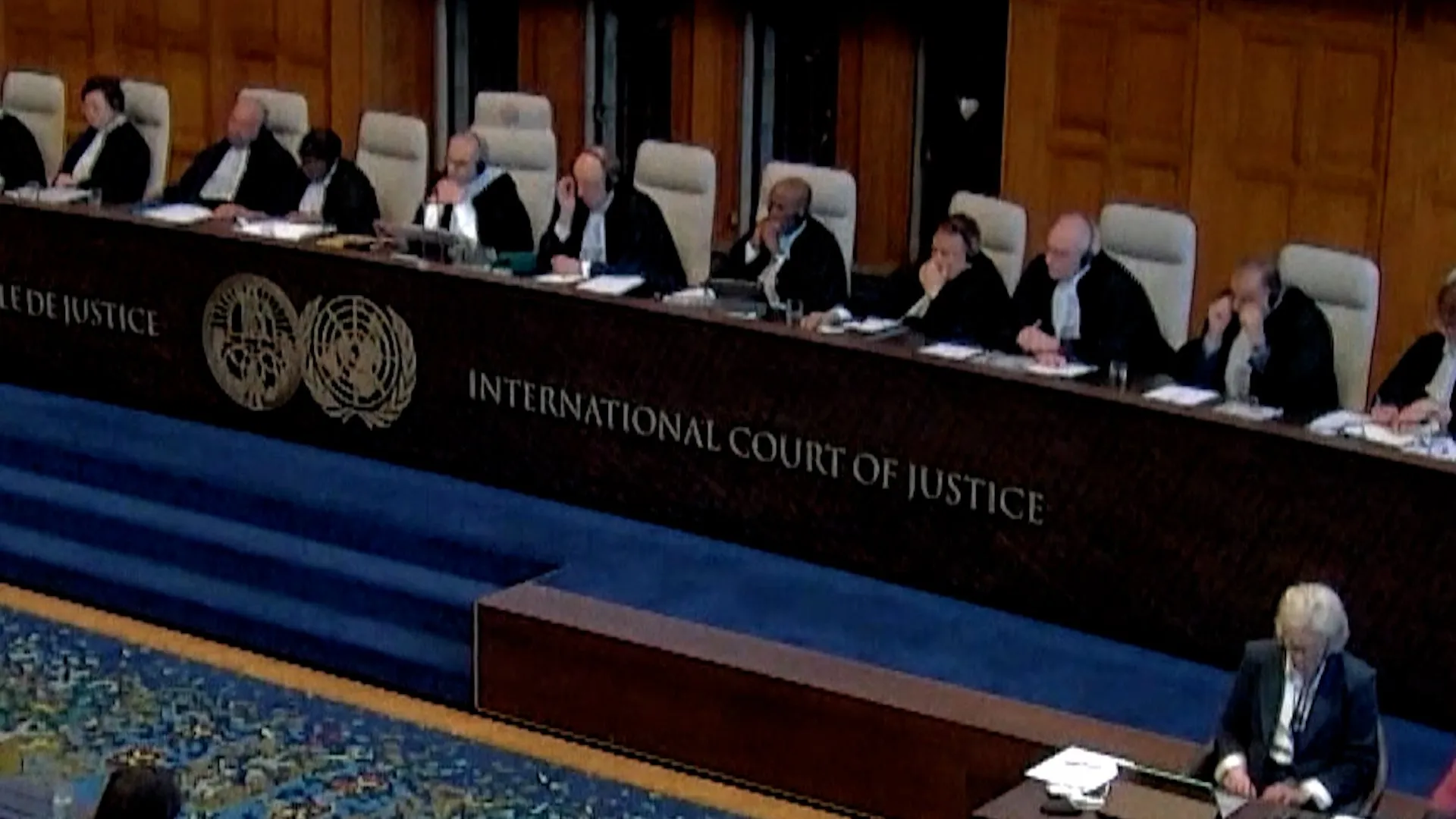
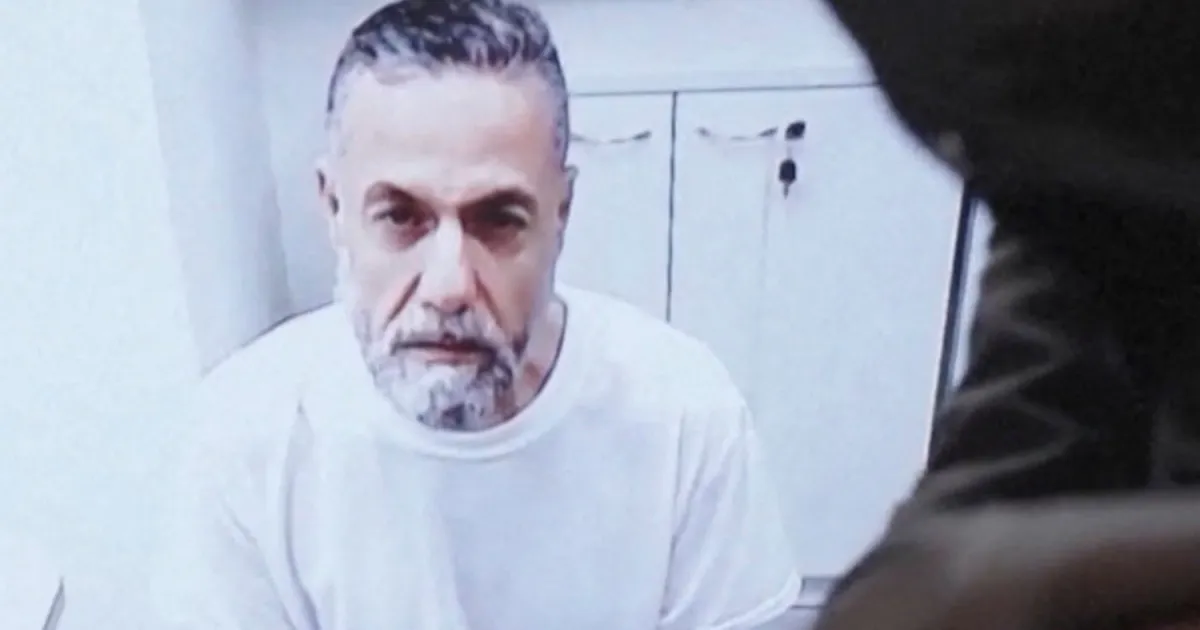
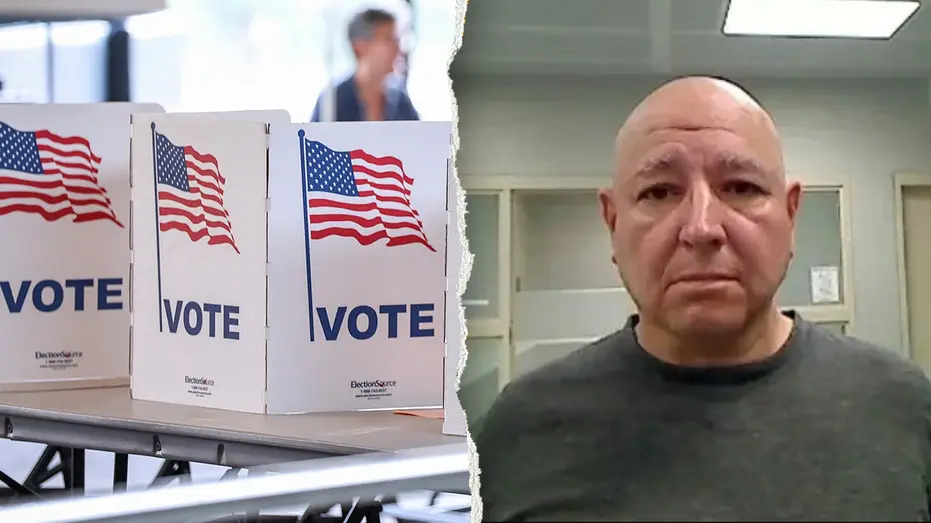
Former Philippine President Rodrigo Duterte made his first in-person appearance at the International Criminal Court on Wednesday, September 16, 2026. The 81-year-old, who has been in detention since his arrest in Manila in March 2025, remained silent throughout the session, which focused on procedural matters including evidence disclosure and the scheduling of his upcoming trial. While the court has previously held hearings via video link, this marked the first time Duterte was physically present in the courtroom, an event that drew attention from both legal observers and families of victims from his administration’s “war on drugs.”
The core of the current legal impasse concerns whether Duterte is mentally capable of participating in his own defense. His legal team has consistently argued that he suffers from significant memory impairment and cognitive decline. Defense filings citing an unpublished report from three medical experts claim that the former president experiences disorientation regarding the current year, often believing it to be 2007 or 2008, and expresses uncertainty regarding his own age and the identity of the current U.S. president. Despite these claims, ICC judges ruled in January that he remained fit enough to stand trial, ordering his physical attendance to ensure progress toward the scheduled November 30 trial date.
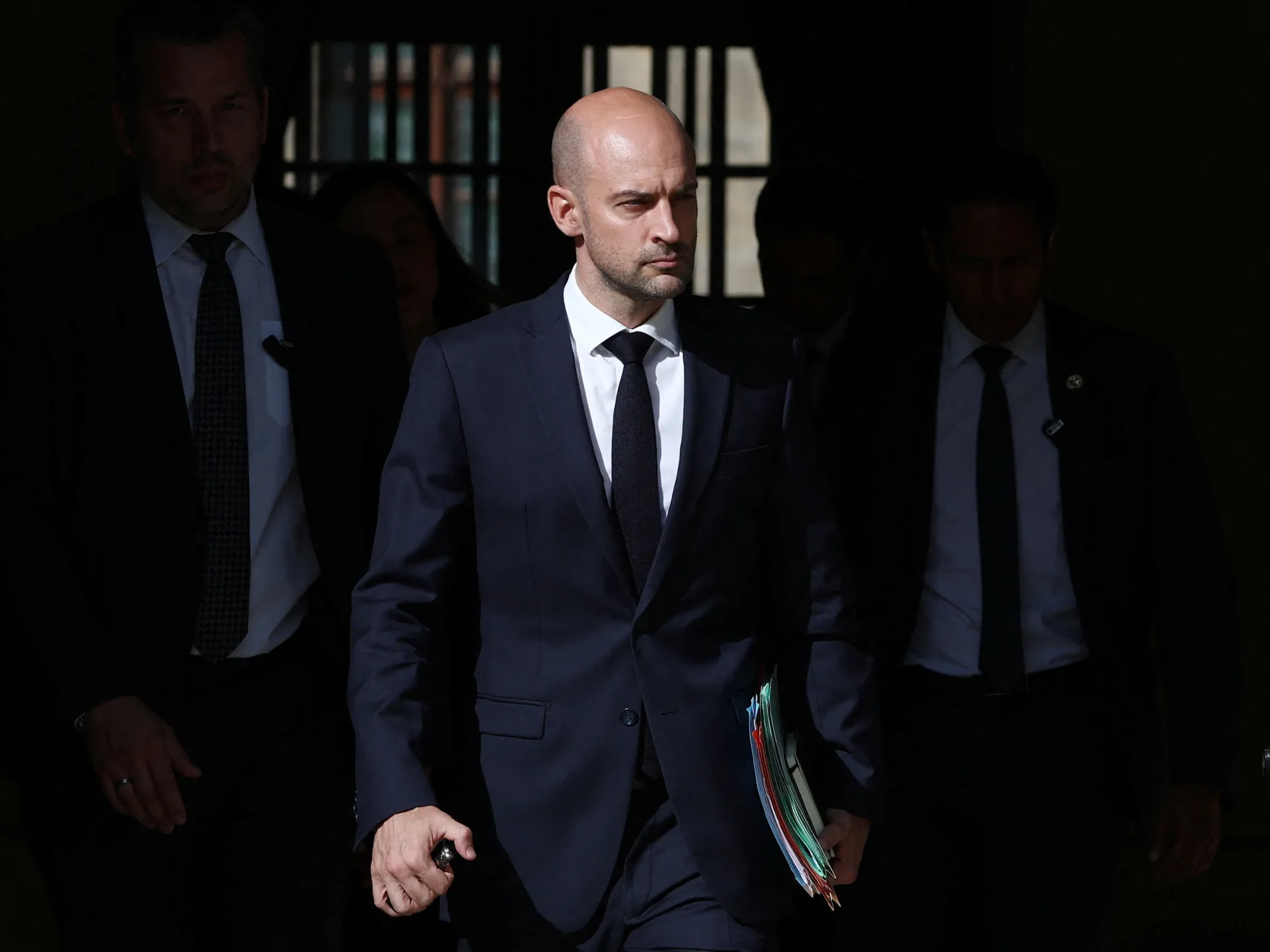
The charges against Duterte encompass his tenure as mayor of Davao and his subsequent presidency from 2016 to 2022. During the hearing, prosecution counsel Julian Nicholls emphasized the gravity of the allegations, noting that Duterte’s campaign was characterized ct scale of the casualties. While official Philippine police reports state that approximately 6,200 individuals were killed during anti-drug operations, human rights organizations and ICC prosecutors contend the actual death toll could be as high as 30,000. BBC reporting specifically highlights the scope of the ICC investigation, which covers the period from November 1, 2011, to March 16, 2019.
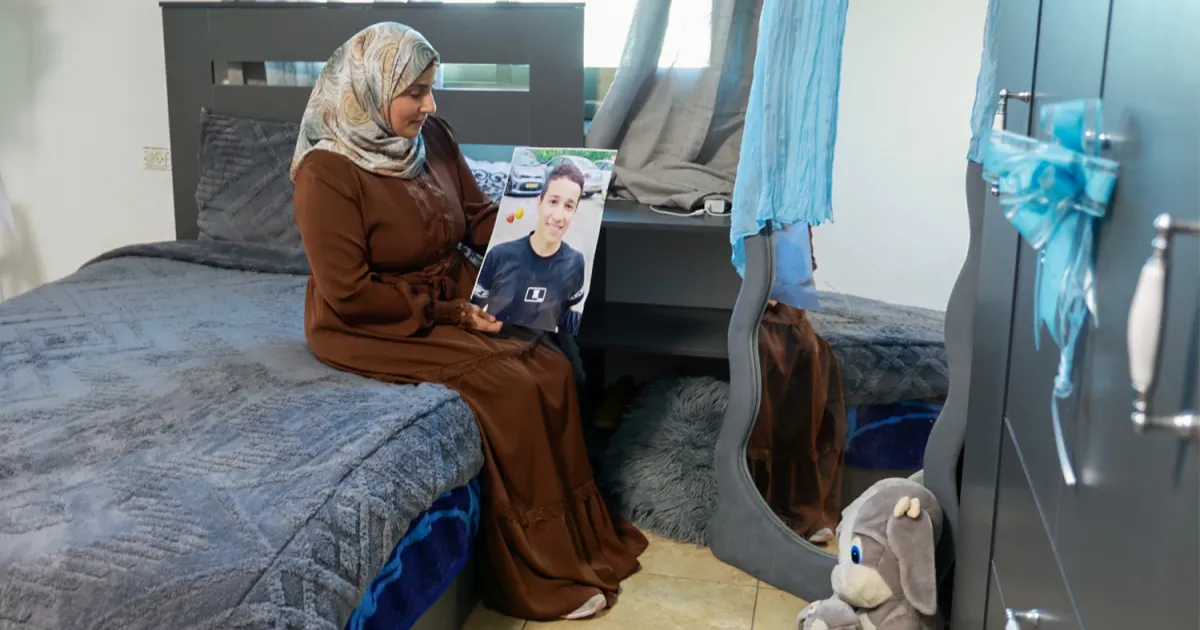
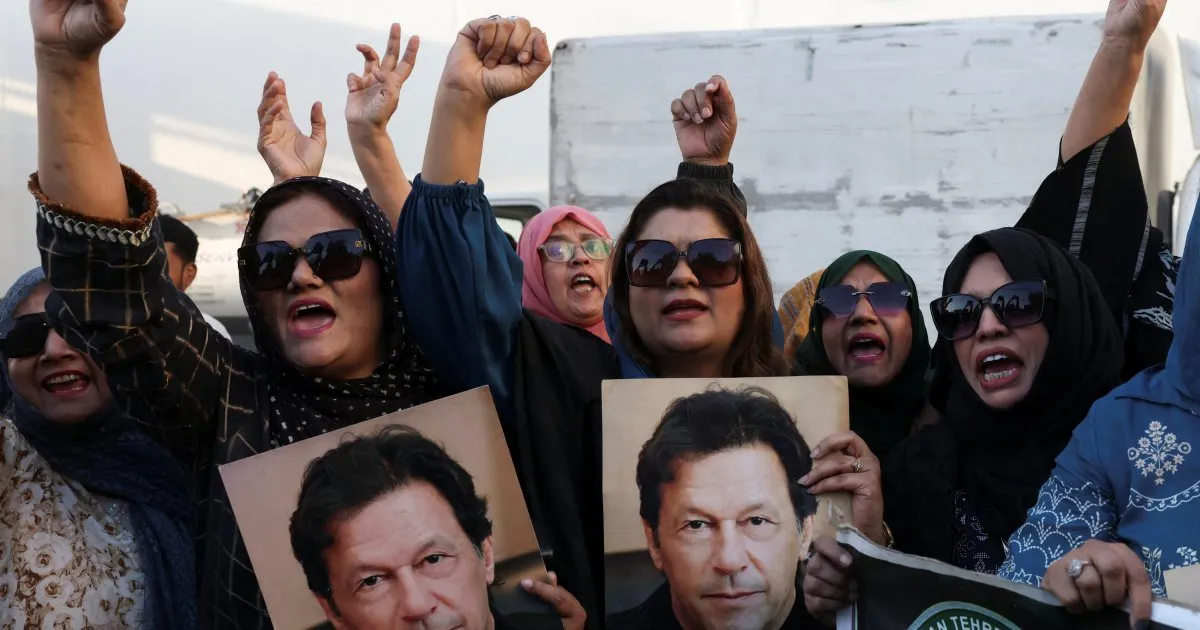
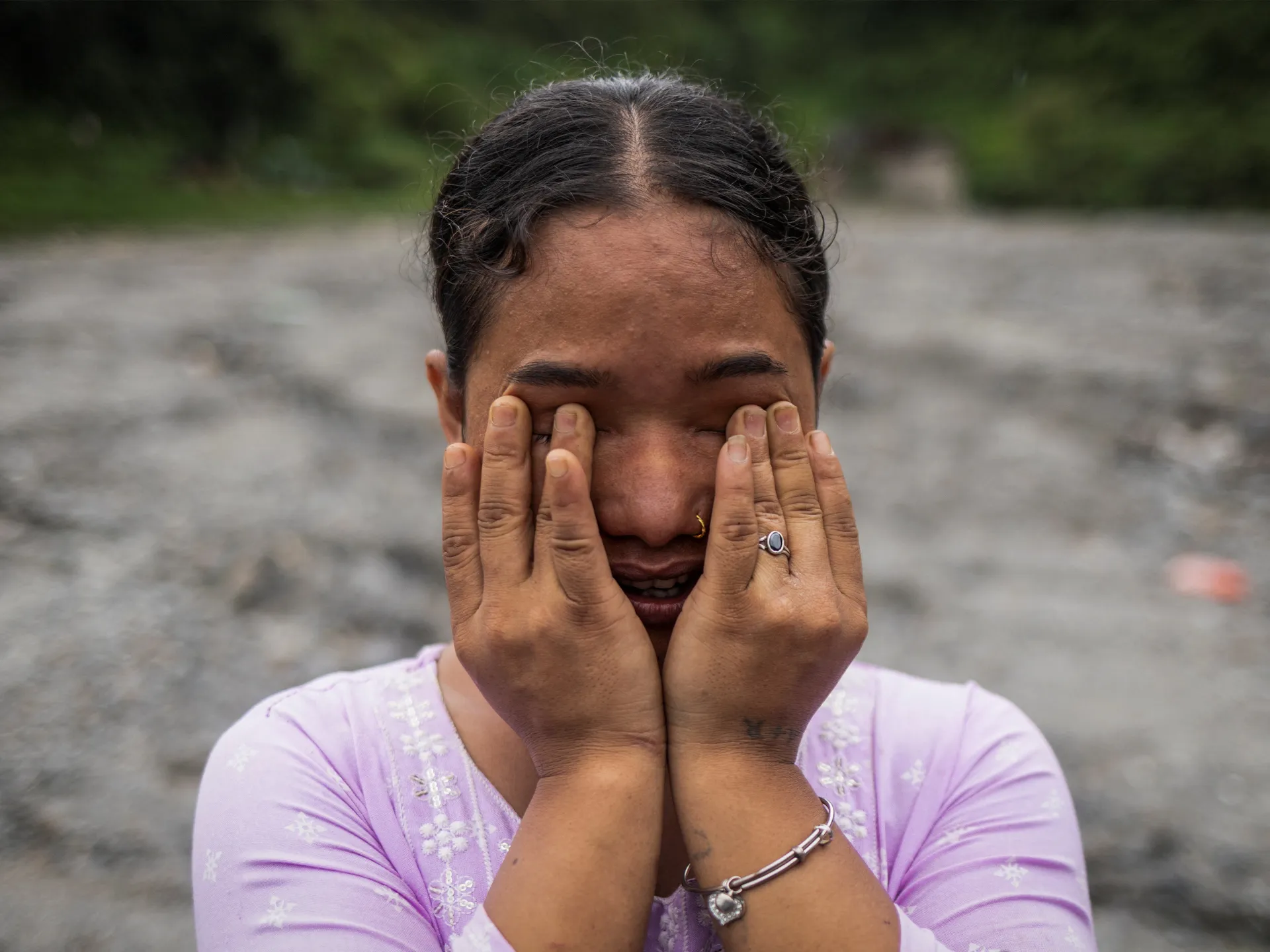
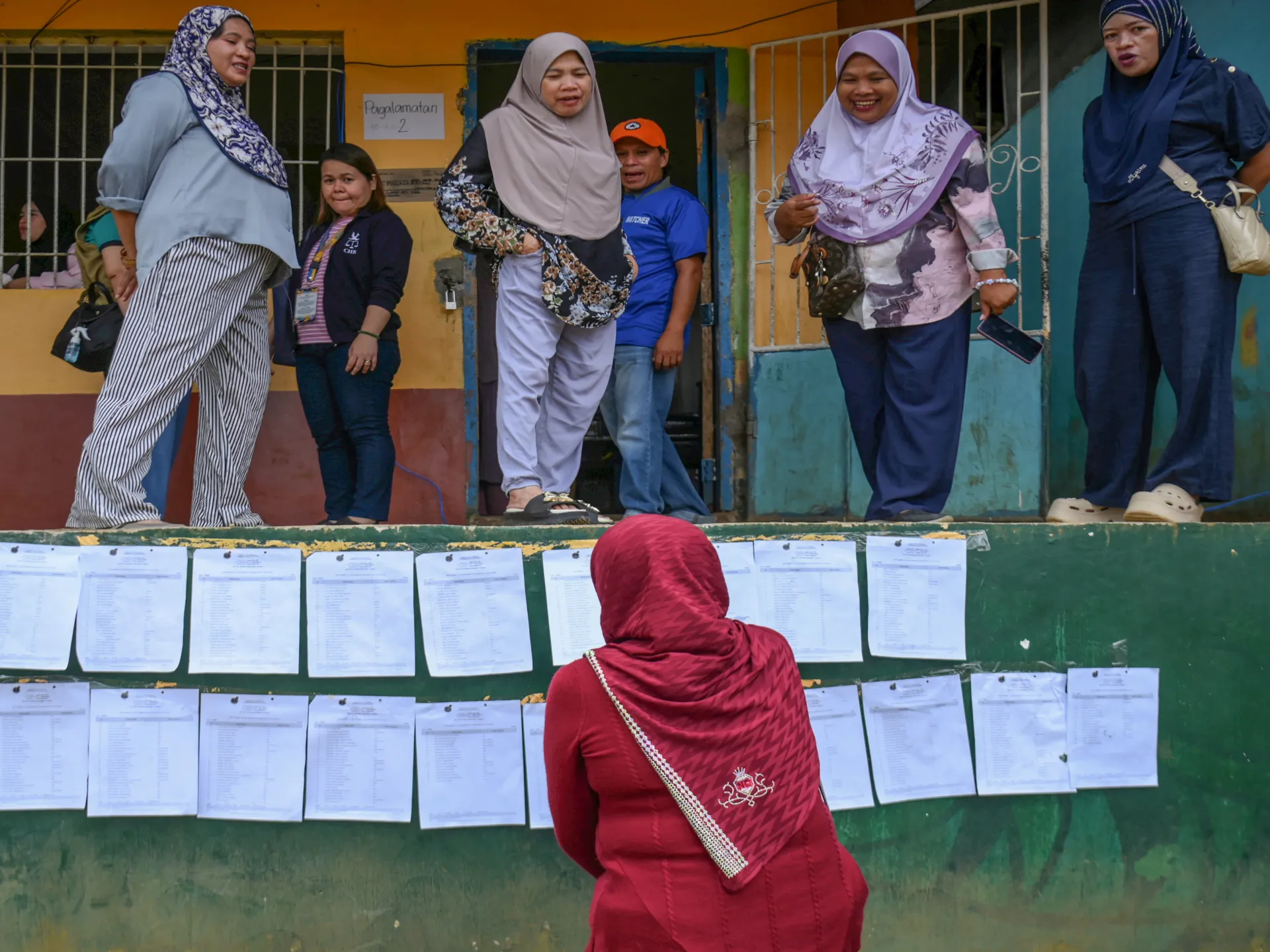
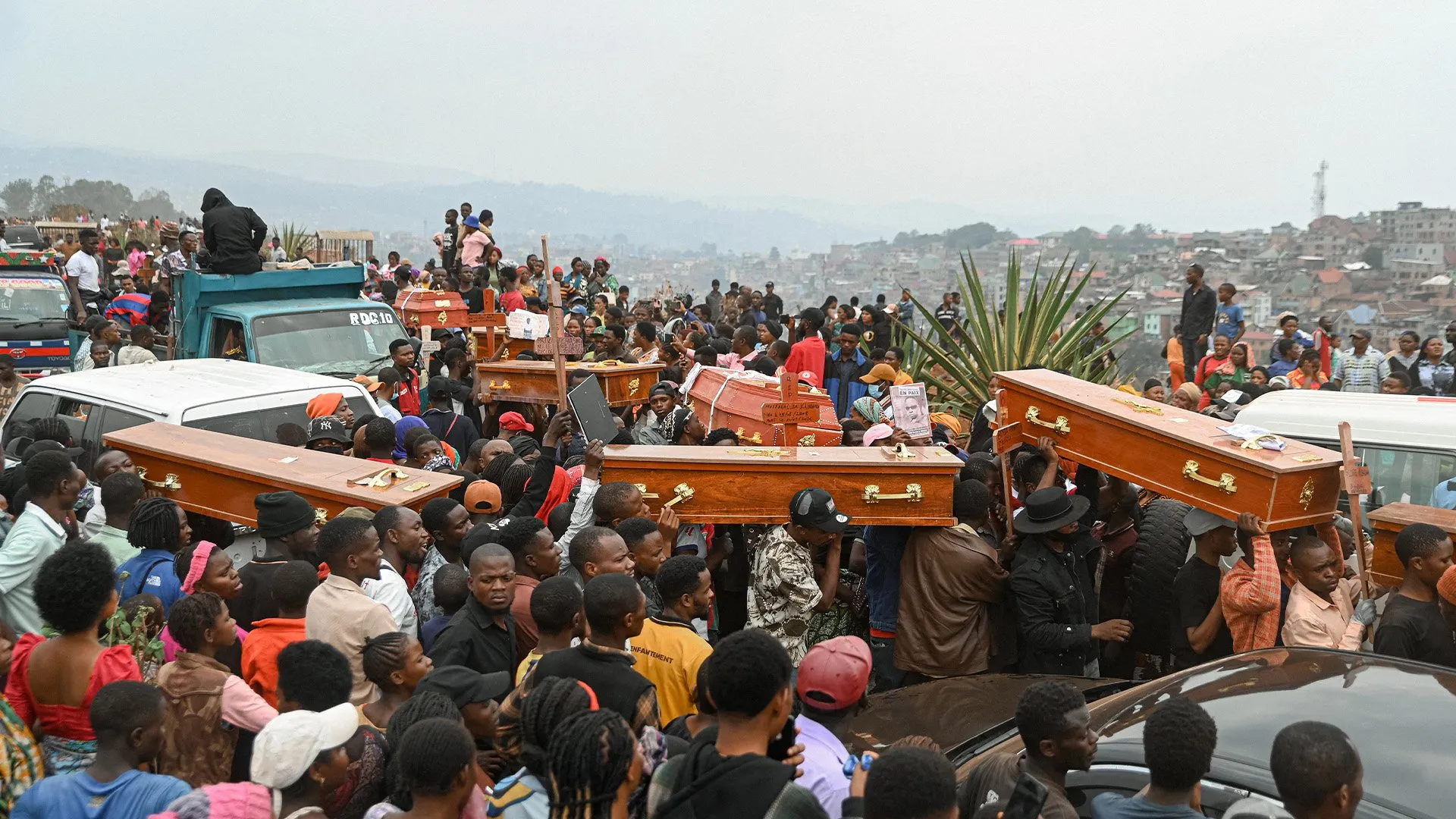
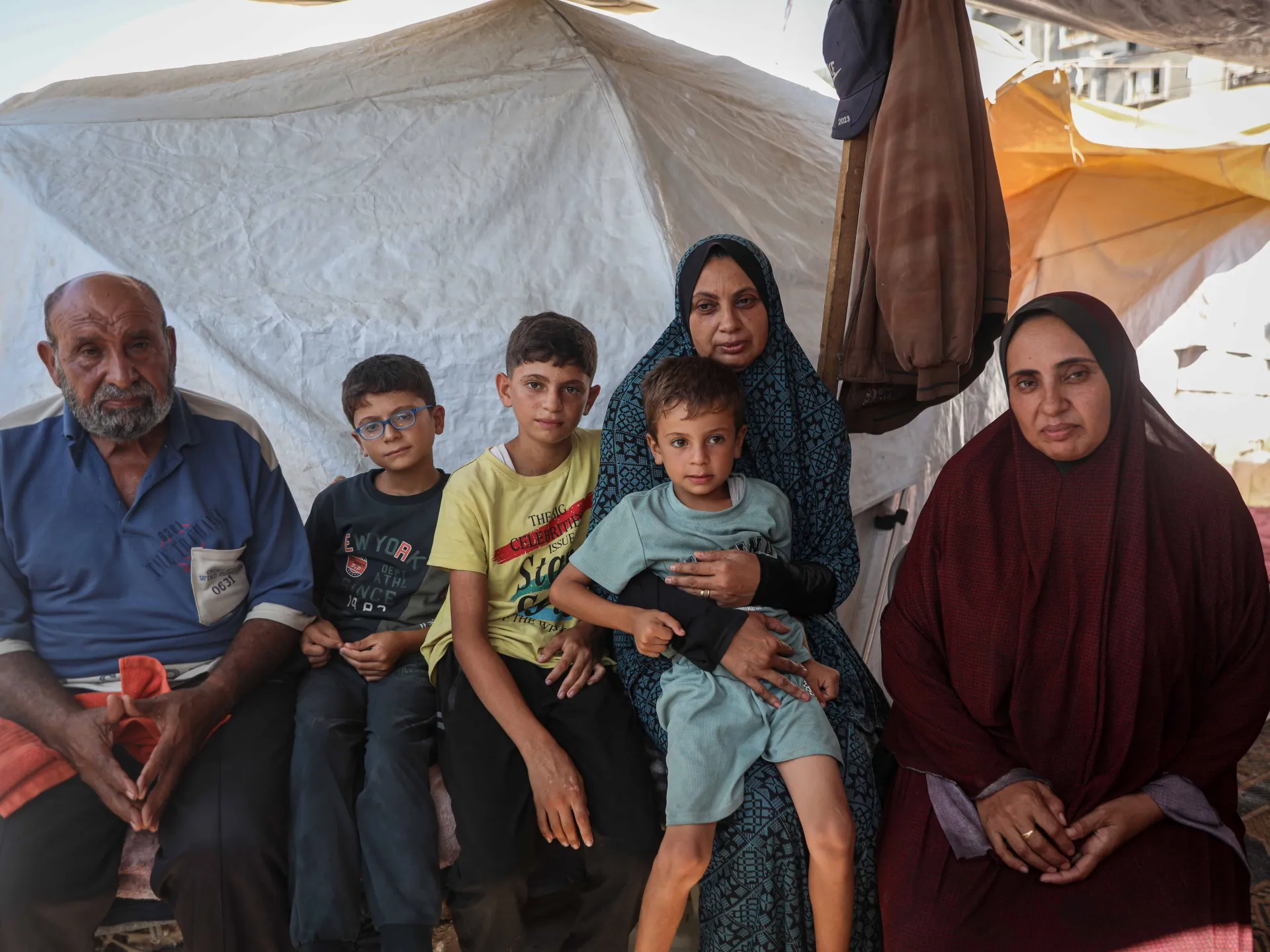
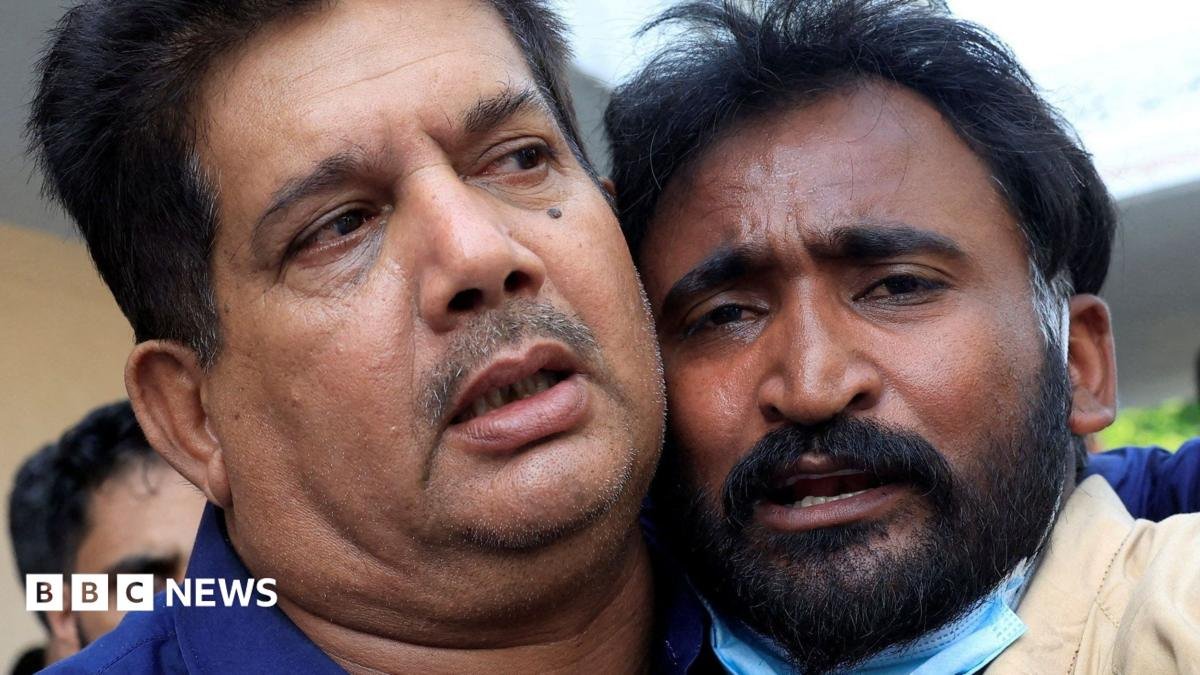
Families of the victims expressed a mixture of relief and cautious optimism following the hearing. Witnesses including Randy Delos Santos, who lost a nephew during the drug war, and Llore Pasco, who lost two sons, noted that Duterte appeared physically healthy despite the defense's assertions of cognitive frailty. For these families, the physical presence of the accused in The Hague serves as a long-awaited indicator that the legal process may finally be moving toward a verdict.
The immediate next step in the proceedings is the finalization of the medical assessment conducted ased publicly, the judges' decision to proceed with the November 30 trial date suggests that the court remains skeptical of the defense's claim that Duterte is entirely unfit for trial. Should the court maintain the November 30 schedule, the prosecution will begin presenting evidence regarding the alleged systematic extrajudicial killings. The trial's trajectory will likely hinge on the judges' interpretation of the medical evidence compared to Duterte's observed behavior in court, as the defense continues to leverage his age and health as a barrier to prosecution.