

Scientists have uncovered a genomic “Achilles’ heel” that can make cancer cells highly sensitive to a widely used class of targeted drugs — a discovery that could help doctors predict which patients will benefit most from treatment.
Key Points
- A study published in Nature Cell Biology on 5 November shows that a small subset of vulnerable DNA sites can make cancer cells highly sensitive to PARP inhibitors.
- The work was led by researchers at NYU Langone Health and its Perlmutter Cancer Center.
- The team pinpointed the protein ESCO2 as a strong determinant of sensitivity to PARP inhibitors.
- The discovery could lead to new biomarkers to guide cancer drug treatment — but the study was conducted in cancer cell models, not patients.
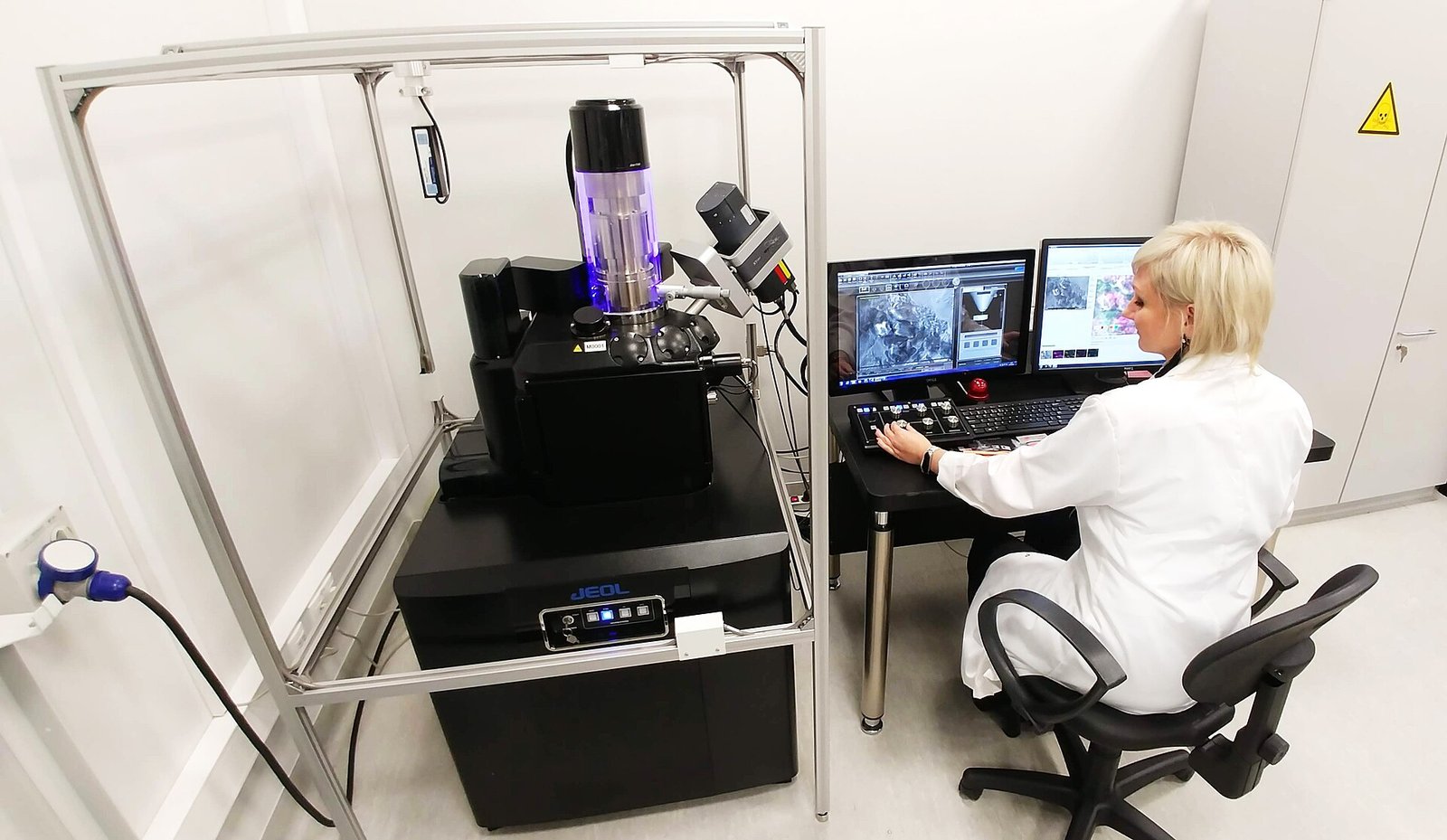
The work revolved around failures of DNA to copy itself at certain sites in genetic chains — failures that must be managed for cells to divide and multiply as part of healing and growth. Using advanced imaging, the researchers revealed how DNA replication failures at critical sites in chromosomes, the protein superstructures that house and provide access to DNA, determine how vulnerable cancer cells are to PARP inhibitors.
The team pinpointed replication problems at critical chromosome regions and identified the protective response that keeps DNA replication failures in check. That protective response, it turns out, is also the key to the drugs’ power: when it fails, cancer cells become far more exposed.
The ESCO2 connection
The current study focused on ESCO2, a protein that helps establish the connections holding newly copied chromosomes together. CRISPR screens in breast and small-cell lung cancer models identified ESCO2 as a strong determinant of sensitivity to PARP inhibitors.
The imaging in the new study revealed that reducing ESCO2 increased unusual, folded DNA structures called G-quadruplexes, or G4s, which can obstruct DNA copying. In other words, the location of DNA damage — not just the amount of it — can shape how a tumour responds to treatment.
“The discovery reveals how the location of DNA damage can shape treatment response and provides a foundation for developing new biomarkers of cancer drug sensitivity,” the researchers said. The study was a collaboration between NYU Langone and Pfizer, and was supported in part by National Institutes of Health grants. The co-corresponding author was Eli Rothenberg, a professor in the Department of Biochemistry and Molecular Pharmacology at NYU Grossman School of Medicine.
What happens next
PARP inhibitors are already used to treat some breast, ovarian, prostate and pancreatic cancers, but doctors have long struggled to predict which patients will respond. A biomarker based on ESCO2 or on G-quadruplex formation could help match the right drug to the right tumour — and spare patients unlikely to benefit from a treatment that will not work for them.
There are important caveats. The study was conducted in cancer cell models, and the findings will need to be tested in animal models and then in patients before they can change clinical practice. But as a window into why some cancer cells collapse under PARP inhibitors while others shrug them off, the “Achilles’ heel” is a genuinely new lead — and a reminder that in cancer biology, place matters as much as quantity.
Sources
- NYU Langone Health via PR Newswire — https://www.prnewswire.com/news-releases/advanced-imaging-uncovers-genomic-achilles-heel-that-makes-cancer-cells-vulnerable-to-treatment-302928626.html
- Nature Cell Biology (published online 5 November 2026)