
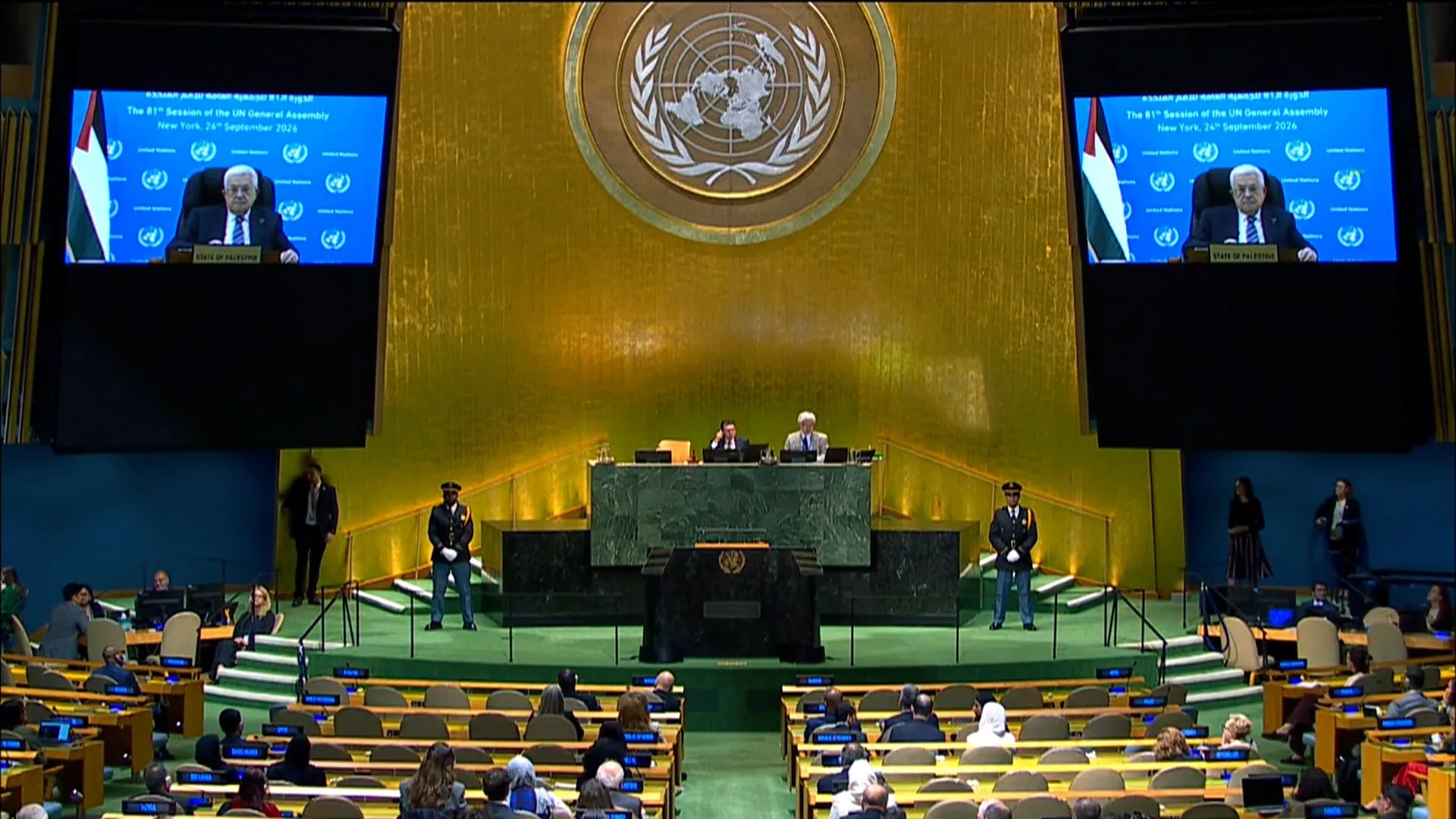
A surge in diplomatic friction at the UN General Assembly reflects a deepening divide over the Israel-Gaza conflict and regional stability.
The United Nations General Assembly has become the latest arena for the intensifying divisions defining the current geopolitical landscape. As global leaders gather in New York, the proceedings have been marked nderscoring a deepening crisis of legitimacy and representation within multilateral institutions.
While Israeli Prime Minister Benjamin Netanyahu delivered an in-person address to the Assembly, his presence remained a point of significant contention given the existence of active arrest warrants from the International Criminal Court (ICC). In contrast, Palestinian President Mahmoud Abbas was restricted to a virtual address, a physical exclusion that critics argue reflects the systemic inequities embedded in how the UN manages access for those currently embroiled in active conflict zones.
The dichotomy in how the UN facilitates these addresses serves as a microcosm for the broader erosion of diplomatic norms. When the physical presence of a leader under international legal scrutiny is prioritized over the direct participation of a president whose territory is under siege, it challenges the foundational premise of the UN as an impartial body. This procedural bias does more than just frustrate diplomatic observers; it reinforces the perception that international law is applied selectively, potentially emboldening states to bypass consensus-based solutions in favor of unilateral military action.
During his appearance, Prime Minister Netanyahu utilized the platform to reject mounting international criticism, characterizing Israel’s military campaign in Gaza as the "opposite of genocide." His rhetoric was pointedly combative, extending beyond the geopolitical sphere to include personal attacks against New York Mayor Zohran Mamdani, whom he labeled antisemitic. The speech served to crystallize the administration's stance, effectively doubling down on its current military trajectory despite the mounting global pressure for a ceasefire.
The atmosphere outside the UN reflected the volatility inside. Protests erupted across New York City, resulting in the arrests of high-profile figures, including actress Susan Sarandon and comedian Hannah Einbinder. These demonstrations underscored the disconnect between the diplomatic proceedings within the UN hall and the vocal opposition growing within the public sphere, as activists demanded an immediate end to the violence in Gaza. The protest movement remains centered on the humanitarian crisis, framing the political discourse at the UN as woefully insufficient in the face of widespread death and destruction.
While the UN session drew focus, parallel developments in the Middle East continue to complicate potential de-escalation efforts. Reports indicate that Iran has issued a conditional proposal to the United States regarding the opening of the Strait of Hormuz. The Iranian conditions for this maneuver—which include the lifting of oil sanctions and an end to military operations in Lebanon and Gaza—signal a desperate attempt to leverage strategic geography against Western economic pressure.
Simultaneously, the regional spillover of the conflict has reached Saudi Arabia, which recently intercepted a wave of Houthi-launched missiles. This incident, occurring while global oil prices hit a one-week high, highlights the fragile state of regional stability. The convergence of these events suggests that the diplomatic impasse at the UN is being exacerbated to use tactical military escalations to force shifts in the diplomatic status quo.
The immediate outlook for regional de-escalation appears grim. Analysis of current diplomatic positioning suggests that the demands made ate, creating a high probability that the military status quo will persist. Furthermore, the polarization displayed at the UN indicates that the General Assembly is losing its efficacy as a neutral arbiter. As the conflict drags on, the international community will likely face further fractures, with the UN increasingly viewed as a theater for performative politics rather than a venue for substantive conflict resolution.