
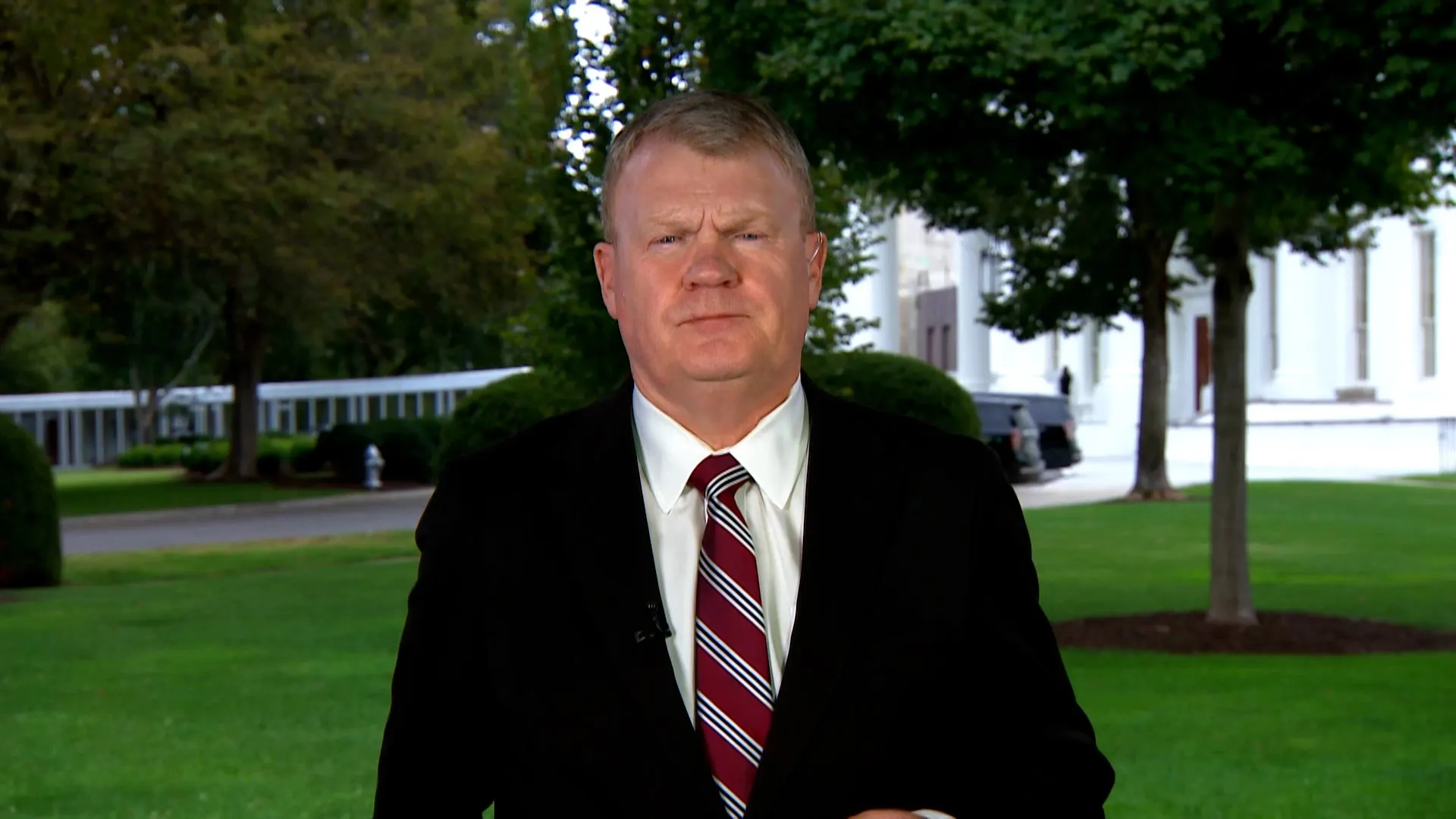
Negotiators explore a phased deal to ease regional tensions while political leaders prepare for midterm elections. Meanwhile, space experts turn their eyes to the autumn night sky.
Why this matters
International stability relies on open shipping lanes. The Strait of Hormuz acts as a vital artery for global oil supplies. Any closure here impacts gas prices and the world economy.
Also, the current diplomatic tension creates global uncertainty. Markets react quickly to news of potential conflicts. Voters often weigh these foreign policy issues heavily during election cycles.
Diplomacy and Ongoing Tensions
The United States and Iran continue to engage in indirect talks. Both nations use third-party mediators to their positions. These discussions focus on a phased approach to de-escalate regional tensions.
Meanwhile, reports suggest a plan to reopen the Strait of Hormuz. This potential deal would also involve ending current U.S. blockades. However, officials remain cautious about reaching a formal agreement soon.
Also, economic pressure remains a key tool for Washington. The U.S. government says it will keep these sanctions active for now. Experts suggest a major breakthrough appears unlikely before the upcoming midterms.
Then, political figures have weighed in on the situation. Some leaders claim the conflict will likely persist through the voting season. This rhetoric reflects deep divides regarding the best path forward for policy.
Space Observations and Celestial Events
While global politics capture headlines, scientists look toward the night sky. October offers unique chances to view distant nebulae and stars. Experts highlight the constellation Perseus for its interesting features.
Next, observers can spot the star Algol during the autumn months. People often call it the Demon Star or the Ghoul. This triple-star system appears to blink as stars orbit one another.
Also, the Witch Head Nebula sits near the star Rigel. It requires a telescope to see clearly due to its distance. These celestial events remind us of the vastness beyond our current political struggles.
How we got here
- Recent Months: Tensions escalated regarding trade routes and regional maritime security.
- Late September 2026: Mediators began facilitating indirect talks between American and Iranian officials.
- Current Date: Political analysts noted that election-year dynamics make a quick deal unlikely.
What happens next
Future diplomatic progress hinges on the midterm election outcomes. A change in political leadership could shift how the U.S. approaches these negotiations. Analysts expect the current status quo to remain until votes are counted.
Finally, maritime operations in the region will stay under high alert. International monitors will continue to watch for any changes in blockade status. Observers should expect continued rhetoric from both sides in the coming weeks.