
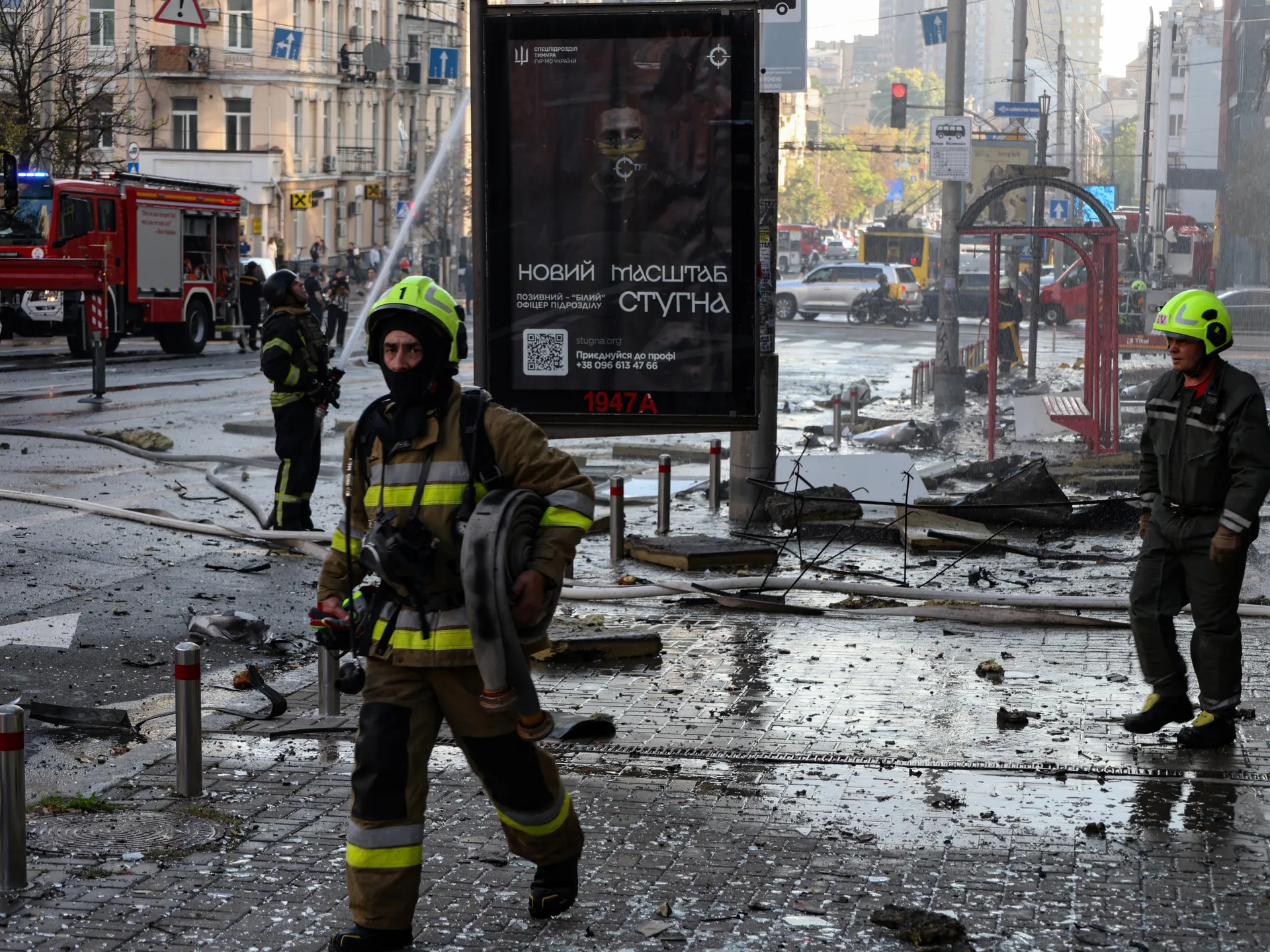
A diplomatic dispute between Ukraine and South Korea complicates war efforts as Russia intensifies missile strikes on Ukraine's energy grid.
Russia launched new missile strikes against the Kyiv region this week. These attacks hit vital power grids and civilian buildings. At least four people died during the chaos. Emergency teams continue to clear rubble in the town of Vyshhorod.
Meanwhile, a major diplomatic fight broke out between Ukraine and South Korea. This stems from the secret transfer of two captured North Korean soldiers. Ukraine recently sent these men to Seoul for questioning. This move caused significant friction between the two allied nations.
Why this matters
The conflict between Kyiv and Seoul threatens to weaken global support for Ukraine. South Korea is a major economy and a key partner. Tensions now jeopardize future intelligence sharing between these two countries. Officials in Seoul fear for the safety of families left behind in North Korea.
Also, this dispute reveals how complex the war has become. It involves fighters from many different nations. It also shows that even close allies struggle with sensitive military secrets. Trust is now damaged at a time when unity is vital for Ukraine.
Tensions over North Korean soldiers
South Korean leaders expressed deep anger after Ukraine announced the transfer publicly. President Lee Jae Myung called the disclosure very disappointing. He argued the deal was meant to stay secret for national security. Seoul officials claim Ukraine broke a promise by speaking about the men.
Then, the Ukrainian government fired back at these accusations. Officials in Kyiv denied that any secret agreement existed. They refused to apologize for the public announcement. This sharp disagreement has led to the summoning of Ukraine's ambassador in Seoul.
Next, experts note the difficult position of the South Korean government. President Lee faces pressure from his own political rivals at home. These rivals claim he tried to hide the soldier transfer from the public. This domestic pressure makes it harder for him to mend ties with Kyiv.
Strikes and infrastructure damage
As diplomatic talks stall, Russian forces continue their brutal air campaign. Missiles hit power stations and heat grids across the region. Many citizens now face cold nights without electricity. Local authorities work hard to restore these essential services to the public.
After that, the war continues to escalate on multiple fronts. Russia aims to break Ukrainian morale with these strikes on infrastructure. Ukraine remains focused on its defense against the ongoing invasion. The situation on the ground remains dangerous and very volatile for civilians.
How we got here
- Early 2025: Ukraine captures two North Korean soldiers in the Kursk region.
- Late 2025: Kyiv and Seoul begin long negotiations regarding the prisoners.
- September 2026: President Zelensky announces the transfer of soldiers to South Korea.
- Late September 2026: South Korea summons the Ukrainian ambassador to lodge a formal complaint.
- September 30, 2026: Russia launches major missile attacks on Ukrainian power grids and kills four people.
What happens next
Finally, both nations must find a way to resolve this diplomatic spat. Ukraine needs to maintain its international alliances to keep receiving aid. South Korea must address the security concerns raised by its own citizens. Experts suggest that quiet, private talks will likely replace the public fighting soon.
Also, the physical war in Ukraine will likely see more intensity. Russia shows no signs of stopping its attacks on energy grids. Ukraine will continue to request more air defense systems from its partners. The international community will watch closely to see if this diplomatic rift heals.