
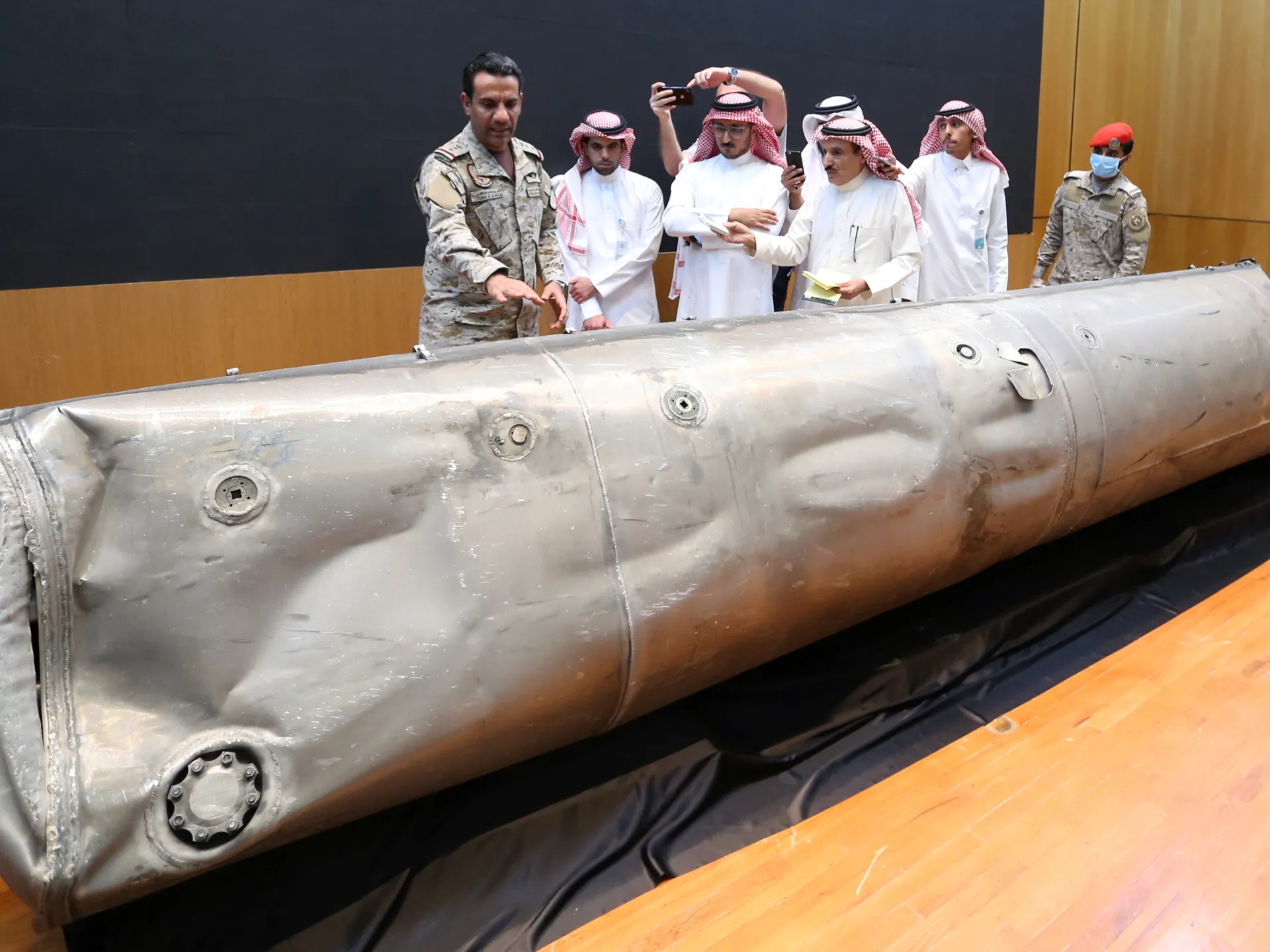
A deadly attack on Riyadh's international airport killed 12 people and injured hundreds. Global leaders are now weighing their next moves in the conflict.
Why this matters
A recent attack on the Riyadh airport left 12 people dead. This event marks a major shift in regional violence. It directly impacts civilian travel and safety in the Middle East.
Also, international officials view this as a severe escalation. The loss of life includes citizens from several different nations. This makes the conflict a global concern rather than a local fight.
Furthermore, the attack forces leaders to reconsider their military positions. The United States must now decide how to react. This choice could change the course of the ongoing war in Yemen.
A Lethal Strike on Civilian Infrastructure
The attack on King Khalid International Airport killed at least 12 people. Officials from Saudi Arabia confirmed the death toll on Saturday. They said 309 other people suffered injuries during the chaos.
Meanwhile, the victims came from many parts of the world. Four Saudis and two Bangladeshis died in the strikes. Citizens from the US, Jordan, Palestine, Syria, Sudan, and Egypt also lost their lives.
After that, the Saudi aviation authority suspended all flight operations. They are currently assessing damage to the airport terminals. The Saudi-led coalition called the strike a war crime.
However, the Houthis have not officially claimed this specific attack yet. They did confirm strikes on the same airport just days earlier. Those previous attacks killed three people and damaged an airplane.
International Reactions and Regional Security
The United Nations condemned the violence immediately. Secretary-General Antonio Guterres called the strikes a violation of international law. He demanded an end to all attacks on civilian sites.
Also, the US government responded to the death of an American citizen. Secretary of State Marco Rubio expressed his condolences to the families. He labeled the attacks as reprehensible acts.
Then, President Donald Trump spoke about a potential military response. He said he is evaluating if the US should join the war. He promised to make a decision very quickly.
Finally, other nations voiced their support for Saudi Arabia. Egypt and Kuwait both issued statements condemning the aggression. They view the strikes as a direct threat to regional safety.
How we got here
- October 6-7, 2026: Houthi forces attack two different Saudi airports, killing three people.
- October 8, 2026: Fighting intensifies between Yemeni government forces and Houthi rebels.
- October 10, 2026: A deadly projectile strike hits King Khalid International Airport in Riyadh.
- October 10, 2026: A separate projectile falls near King Fahd International Airport in Dammam.
What happens next
The Saudi-led coalition likely plans a strong military retaliation. They vowed to respond to what they described as a war crime. This could lead to more frequent airstrikes in Yemen.
Also, US officials will finish their review of the situation. They will decide if American support for the coalition should grow. This move could escalate the tension with Iran, which backs the Houthis.
Finally, global leaders will watch the airport security status closely. Any further attacks could lead to new travel bans in the region. Peace efforts in Yemen now face a much harder path forward.