
Satellite technology tracks a record-breaking Mars mission, the destruction of infrastructure in Gaza, and critical oil pipeline damage in Saudi Arabia.
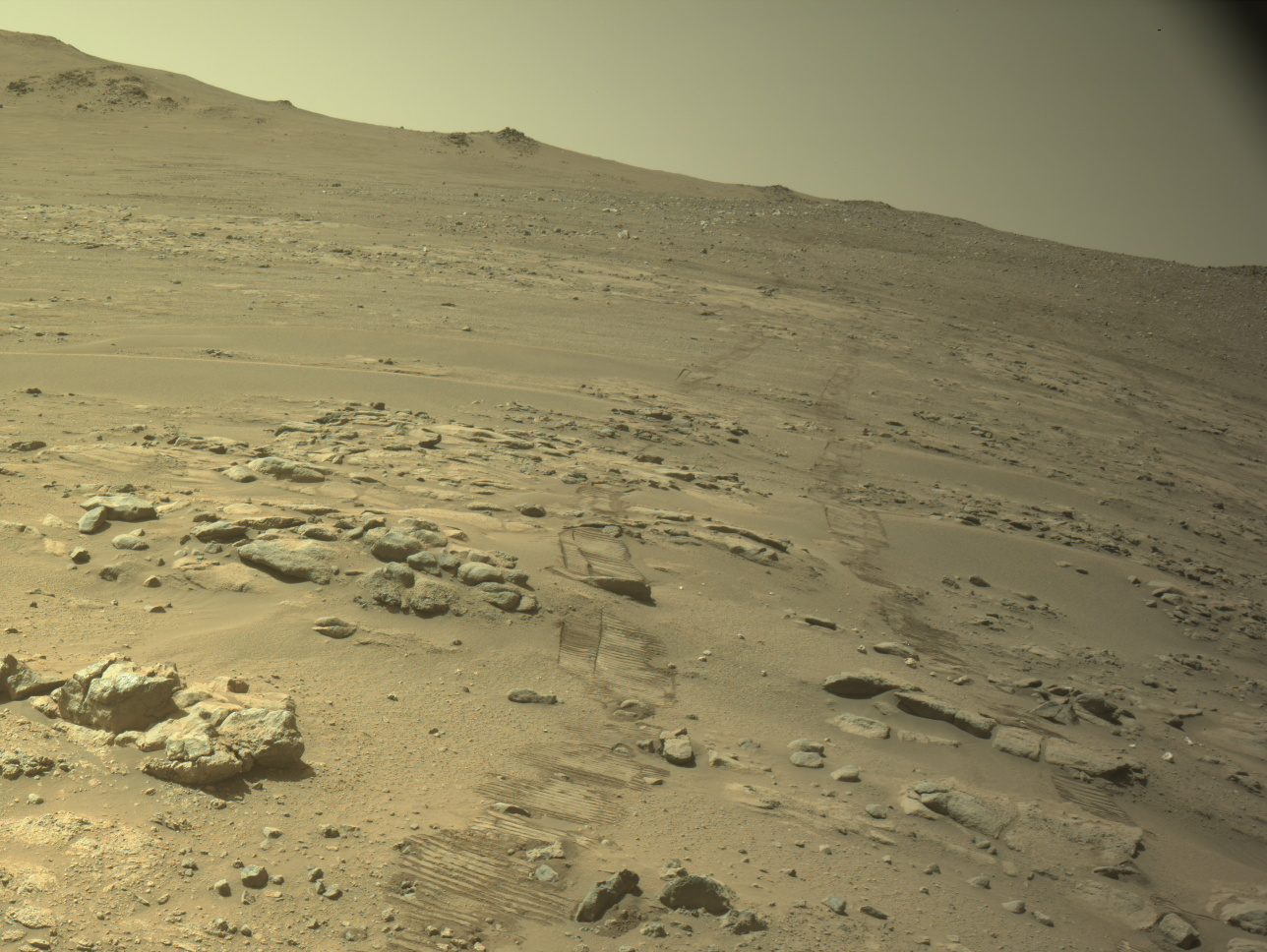
NASA’s Perseverance rover reached a new milestone on Mars. The rover surpassed the driving record of the Opportunity mission. It traveled over 28 miles on the surface of the Red Planet.
Meanwhile, satellite images show major destruction in Gaza. Recent data reveals that most buildings are now damaged or gone. The landscape looks vastly different than it did three years ago.
Also, new images confirm severe damage to a Saudi oil pipeline. This attack causes global oil prices to rise. Experts warn that repairs will take several weeks.
Why this matters
These reports highlight how space and earth satellites change our world. They offer clear evidence of events far away. Humans use this data to track planetary progress and human conflict.
The Mars mission shows our drive to explore the solar system. It pushes technology to new limits every day. We learn more about the history of other worlds through these efforts.
However, the events in the Middle East show the cost of war. Satellite views provide an objective record of damaged homes and energy systems. Leaders and citizens use these facts to understand the scope of destruction.
Tracking conflict and distance
The Saudi pipeline strike impacts the global economy. This line helps move oil toward the Red Sea. Now, experts predict a daily loss of millions of barrels.
The Saudi government blames Iranian-backed groups for the attack. They also report damage to the King Khalid Air Base. Officials promised a firm response to these strikes.
Next, the war in Gaza continues to leave its mark. UN reports show 82 percent of all buildings have some damage. Entire neighborhoods now consist of only rubble and sand.
Finally, the Perseverance rover mission continues its work. It crossed 91 meters in one single drive last October. This effort honors the legacy of older Martian missions.
How we got here
- 2024: Israeli military operations began in Rafah, causing mass displacement.
- 2025: UNOSAT measured over 50,000 damaged structures in the Khan Younis area.
- September 2026: A strike damaged a major Saudi oil pipeline, leading to supply concerns.
- October 2026: The Perseverance rover passed the 28-mile total driving record on Mars.
What happens next
Saudi Arabia faces a difficult path to restore oil flows. Experts say repairs could take four to six weeks. This delay puts pressure on global energy supplies.
In Gaza, the humanitarian crisis remains severe. Millions of people live in crowded zones with few resources. The international community watches these satellite records closely.
Finally, NASA will continue to operate the rover on Mars. The team plans to study more rocky terrain in the coming months. They seek to unlock more secrets about the Martian past.