
President Trump eyes military action in Yemen after a deadly airport strike while sparking controversy over a new deal with Russia.
President Donald Trump says the United States might join Saudi military strikes against Houthi fighters. This decision follows a major attack on an airport in Riyadh.
Reports from The Independent confirm that 12 people died during the airport assault. Meanwhile, Al Jazeera reports that over 300 individuals suffered injuries in the same incident.
Why this matters
These events show how global conflicts now link together. A strike in Yemen quickly changes the plans of leaders in Washington. The world relies on stable energy markets to keep prices low.
However, geopolitical tensions now threaten that stability. When oil-producing nations face attacks, American leaders often feel forced to act. This creates a cycle of violence that is hard to stop.
New Tensions in Eastern Europe
Also, President Trump recently criticized the leadership of Ukraine. He suggested that Ukraine needs a new president who can make deals. This tension follows a new fuel agreement between the U.S. and Russia.
The U.S. will allow Russian diesel exports until April 7. President Zelensky of Ukraine warned that this move gives Russia money to continue its war. He believes this deal harms his nation's security.
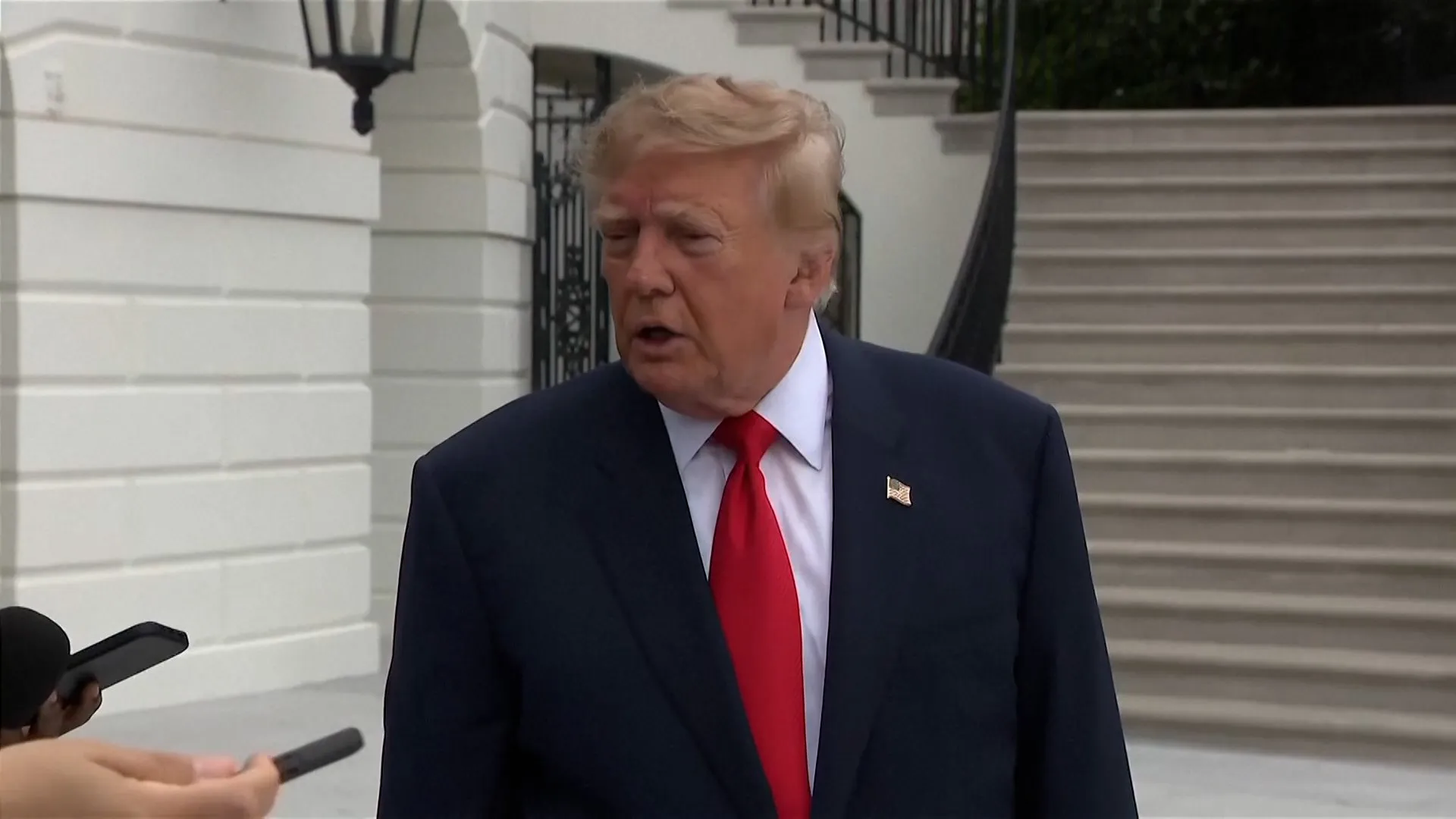
However, Trump defended the decision to reporters outside the White House. He claimed that Ukraine makes problems for the world by attacking refineries. He stated that the war impacts global fuel supplies too much.
Meanwhile, the Russian government praised Trump for his comments. An envoy for Vladimir Putin called the remarks iconic and historic. Russia claims it wants leadership that focuses on peace.
Energy Markets and Global Security
Then, the conflict in the Middle East added more pressure to oil markets. The U.S. and Israel have been at war with Iran. This war effectively closed the Strait of Hormuz.
Roughly one-fifth of the world’s oil usually passes through that area. Now, energy supplies remain limited across the globe. This scarcity makes every attack on energy infrastructure very dangerous.
After that, the United Kingdom offered support to Ukraine. Prime Minister Andy Burnham spoke to President Zelensky on Saturday. They agreed that Russia should stop attacking ships in the Black Sea.
Still, both Russia and Ukraine continue to strike energy facilities. These actions further strain the global market. Leaders now look for ways to secure food and energy supplies.
How we got here
- 2022: Russia invades Ukraine, leading to sanctions and martial law in Ukraine.
- Recent Months: The U.S. and Israel launch a war against Iran, impacting the Strait of Hormuz.
- October 10, 2026: Houthi forces attack an airport in Riyadh, killing 12 people.
- October 10, 2026: President Trump confirms a temporary deal to suspend sanctions on Russian diesel.
- October 10, 2026: President Zelensky publicly criticizes the diesel deal as a gift to Russia.
What happens next
Now, officials must decide if the U.S. will launch direct strikes in Yemen. This could expand the current regional conflict significantly. It would likely anger Iranian allies even further.
Next, the diplomatic situation between the U.S. and Ukraine will likely grow colder. Trump’s open call for a new Ukrainian leader shows deep frustration. This could impact future military aid packages.