

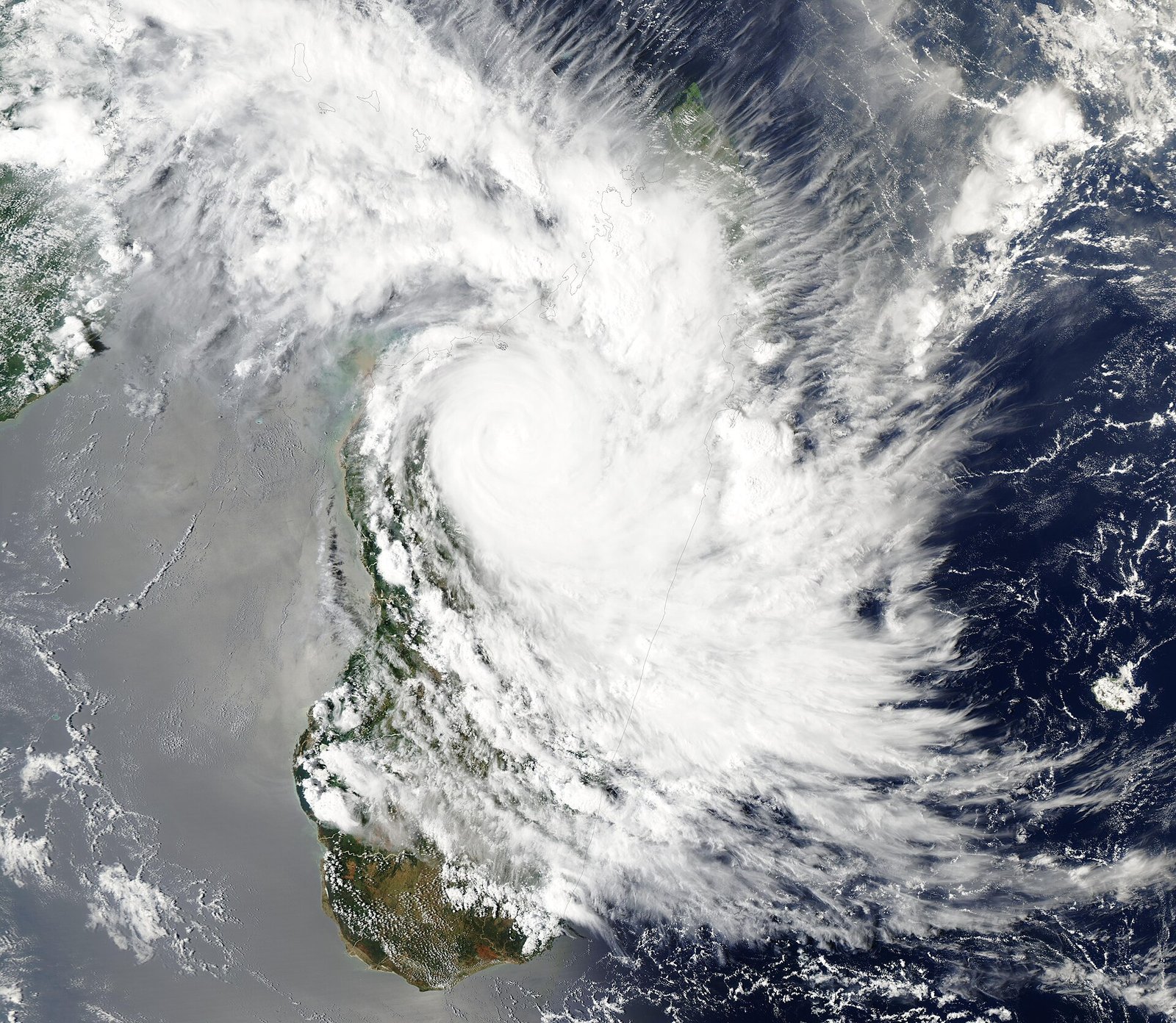
A low-pressure area over the Bay of Bengal is gathering strength and is expected to become Cyclone Akvan within days, putting India’s eastern coast on alert for heavy rain and rough seas as the storm tracks toward Andhra Pradesh.
Key Points
- Cyclone Akvan — the India Meteorological Department (IMD) says a low-pressure area over the southeast Bay of Bengal will strengthen into a depression by 15 November.
- The system is likely to intensify into a cyclonic storm, named Akvan, by 16–17 November, and could strengthen further into a severe cyclonic storm by 17 November.
- Cyclone Akvan is expected to move towards the Andhra coast by 19 November, bringing rain to north coastal Tamil Nadu, Puducherry and Karaikal, with rainfall also expected in West Bengal.
- Fishermen and coastal communities have been warned as the storm builds over warm Bay of Bengal waters.

The IMD said on Sunday that the depression over the southeast and adjoining southwest Bay of Bengal was likely to strengthen into a severe cyclonic storm by 17 November. Forecasters expect the system to keep moving north-west, toward the Andhra Pradesh coast, arriving by around 19 November.
The storm is already drawing moisture across the region. The meteorological department said Cyclone Akvan was expected to cause rain in the north coastal districts of Tamil Nadu, as well as in Puducherry and the Karaikal area. West Bengal is also expected to see rainfall as the system’s outer bands reach further north.
A coast that knows cyclones
The Bay of Bengal is one of the world’s most cyclone-prone basins, and the post-monsoon season — October to December — is its most active period. Warm sea surface temperatures and favourable upper-air conditions allow depressions to intensify quickly, which is why forecasters watch every low-pressure area in the bay closely at this time of year.
Indian authorities have a well-practised routine for these storms: tracking the system’s path, warning fishermen to stay ashore, and preparing evacuation plans for low-lying coastal districts. The coming days will show whether Akvan stays on its forecast track toward Andhra Pradesh or veers, as Bay of Bengal cyclones sometimes do.
What comes next
The next IMD bulletin will be the one to watch. If Akvan strengthens into a severe cyclonic storm as forecast, the department is likely to issue stronger warnings for the Andhra and Tamil Nadu coasts, with wind speeds, storm surge and rainfall totals spelled out district by district. Residents along the coast should follow official advisories and avoid the sea until the system passes.
For background on India’s last major cyclone, see our report on Cyclone Arnab making landfall in India, and on India moving thousands to safety as Cyclone Arnab approached. More in our World News section.
Sources: The Hindu, “Top news of the day: November 15, 2026” (https://www.thehindu.com/news/top-news-of-the-day-november-15-2026/article71704729.ece).