
Arizona courts reject AI-generated victim statements, while a Russian stunt ends in a wreck. These events highlight the risks of new technology and reckless behavior.
An Arizona appeals court recently reversed a sentencing decision. A judge allowed a family to use a digital recreation of a dead man. This artificial intelligence video addressed the person who killed him.
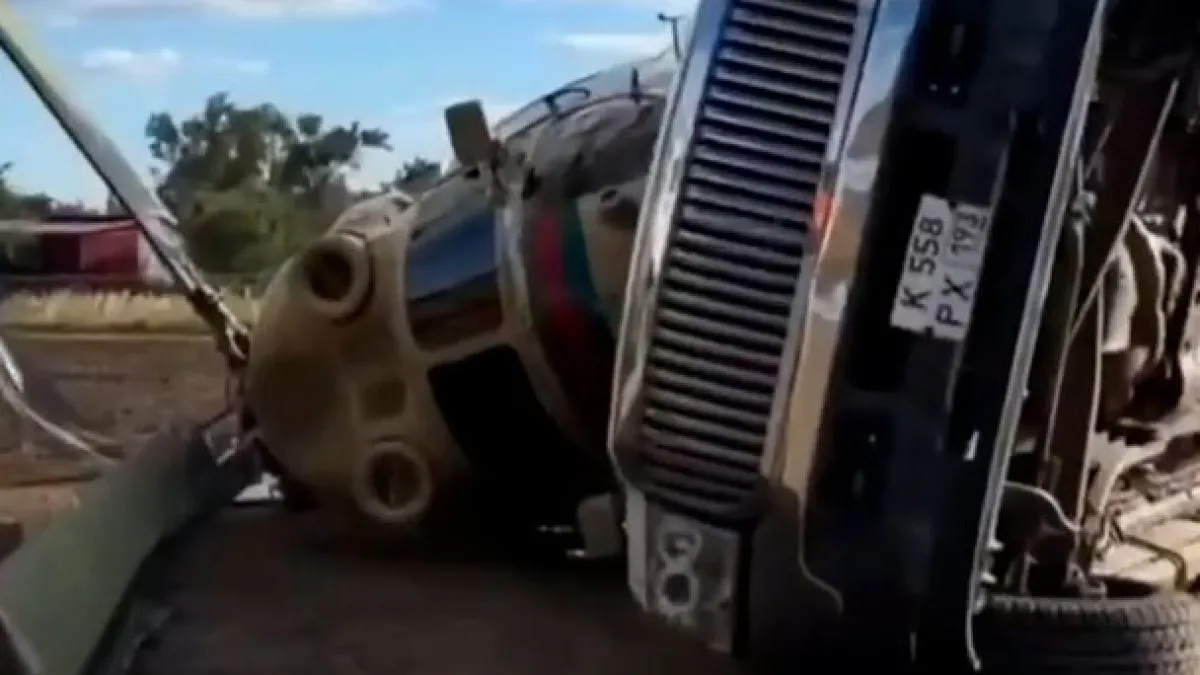
Meanwhile, a stunt in Russia ended in a messy crash. A stuntman tried to move a military helicopter with a small truck. The truck flipped over during the failed effort.
Why this matters
Modern technology changes how we remember the dead in courtrooms. Many families want to use new tools to express their grief. However, courts must decide if these digital creations are fair.
Also, the use of AI in law creates new questions about truth. A machine can make a person say things they never said. Lawyers must balance emotion with legal rules.
Finally, these events show the risks of high-stakes experiments. Whether in a courtroom or on a stunt set, poor choices lead to bad results. People often push limits without thinking of the legal or physical fallout.
Legal trouble for digital evidence
The Arizona case involved Gabriel Paul Horcasitas. He killed Christopher Pelkey during a road rage fight in 2021. A jury found him guilty of the crime.
Then, the victim’s family created an AI video to play at the sentencing. The machine recreated Pelkey's voice and appearance. It even spoke about forgiveness to the man who killed him.
However, the appeals court ruled this move was wrong. They said the AI video came from the imagination of the victim's sister. It did not capture a real moment in time.
After that, the court ordered a new sentencing hearing for Horcasitas. The original judge had liked the video. He even thanked the family for sharing it at the time.
Viral stunts and dangerous mistakes
In a different part of the world, a stunt went wrong. A Russian man named Evgeny Chebotarev tried a dangerous feat. He wanted to transport a large military helicopter.
Next, he loaded the heavy Mi-2 helicopter onto a pickup truck. The truck could not handle the massive weight. It quickly overturned during the attempt.
Still, the stuntman recorded the whole event on a dash cam. The video spread across the internet very fast. He survived, but the truck and the aircraft likely suffered damage.
How we got here
- 2021: Gabriel Paul Horcasitas kills Christopher Pelkey in a road rage incident.
- May 2025: The victim’s family uses an AI recreation of Pelkey to address the court.
- Last Year: The court sentences Horcasitas to 10 years in prison.
- October 3, 2026: An appeals court rules the AI video was improper evidence.
- October 4, 2026: A Russian stuntman attempts to move a helicopter with a truck, causing a crash.
What happens next
Now, the legal system must hold a new sentencing hearing for Horcasitas. Lawyers will argue about what evidence is allowed. This case will set a standard for AI in other trials.
Also, the stunt community in Russia might face scrutiny. Authorities often look into viral stunts that threaten public safety. The driver may face fines or other penalties for his actions.
Finally, technology will keep moving faster than the law. Courts everywhere will struggle to define what is real. Expect more rules regarding AI in the coming years.