
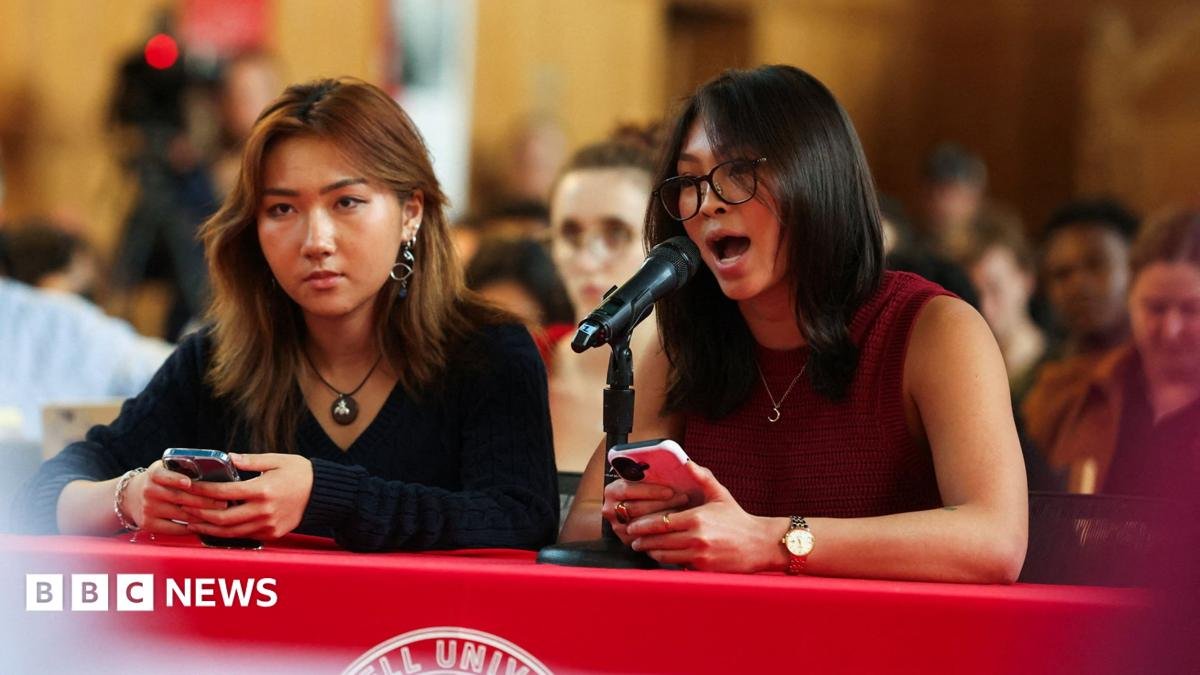
New York officials appointed a special prosecutor to investigate a Cornell University rape case. Students continue to protest the school's handling of the matter.
Why this matters
Cornell University faces a serious crisis of trust right now. Students feel the school values its own image over their safety. This tension highlights a larger national debate about how colleges handle sexual assault reports.
Also, the case puts a spotlight on fraternity culture at elite schools. Many students argue that these groups operate with too much freedom. They demand that the university enforce stricter rules for everyone on campus.
Meanwhile, the appointment of a special prosecutor shows that state leaders have lost patience. They believe the local district attorney failed to act correctly. This shift marks a major change in how the legal system oversees campus crimes.
New leadership in the campus investigation
New York Governor Kathy Hochul acted quickly last week. She removed the local district attorney from the Cornell rape case. She named state attorney general Letitia James as the new special prosecutor.
Then, the governor stated that she had lost faith in the local office. The original investigation previously found that evidence did not support criminal charges. Now, that office has reopened the case due to a new civil lawsuit.
However, students remain very angry about the situation. Many held an assembly to voice their deep concerns to school leaders. One student said that the university must prioritize student safety above its own reputation.
After that, the university agreed to start an independent probe. Cornell officials continue to defend their early actions as proper. They claim they followed all federal civil rights laws during their first review.
Tension and protests on campus
Life at Cornell feels very different for many students today. They describe a dark mood across the beautiful campus grounds. Some students are so upset that they have stopped attending their classes.
Next, activists are planning a large protest for October 5. They call it the Justice for Survivors event. Organizers want to show that the student body demands real and lasting change.
Still, the university faces pressure from multiple sides. The student assembly provided a platform for many voices to speak out. These students hope the new legal team will finally bring them the justice they seek.
How we got here
- 2024: The alleged gang rape incident occurs at a fraternity house.
- Following the incident: Cornell conducts an internal investigation that does not lead to charges.
- September 16, 2026: The survivor files a civil lawsuit against the university.
- Last week: The local district attorney reopens the criminal case.
- Following that: Governor Hochul appoints a special prosecutor to lead the investigation.
What happens next
The special prosecutor will now review all evidence in the case. She will decide if the facts support filing criminal charges against the suspects. This process may take several months to complete.
Also, the university will work with independent investigators to review its own policies. This step aims to restore faith among the student body. School leaders hope these changes will help the campus heal over time.
Finally, the civil lawsuit will continue through the court system. Both sides will likely present new information as the legal battle grows. The outcome will likely influence how other schools manage similar assault reports in the future.