
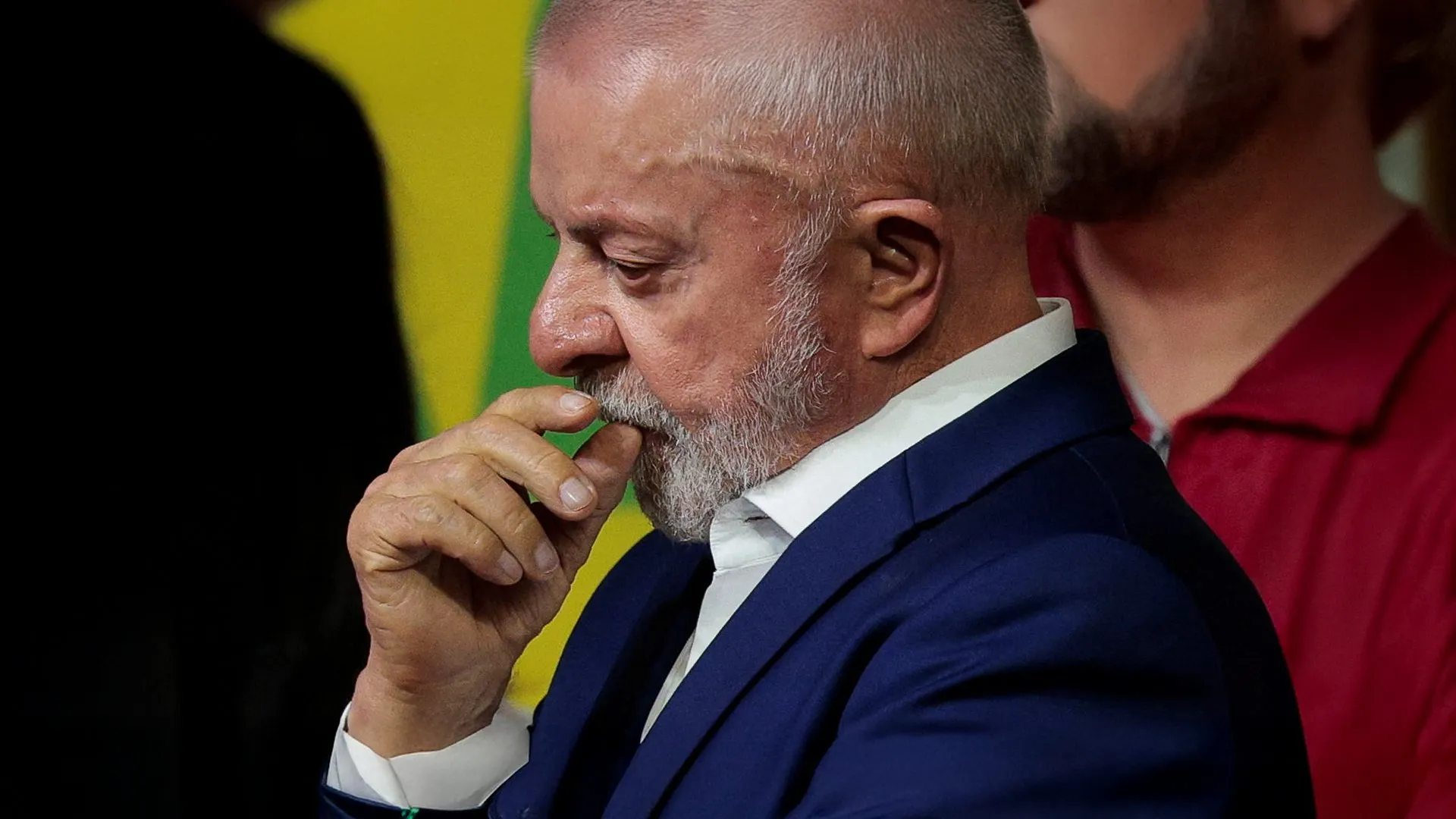
Brazil's presidential race heads to a runoff after candidates fail to secure a majority. Voters will return to the polls on October 25.
Brazil faces a high-stakes runoff election. Neither main candidate secured enough votes to win outright. Incumbent President Luiz Inacio Lula da Silva faces Senator Flavio Bolsonaro next. Both men failed to clear the 50 percent threshold required for an immediate victory.
Millions of citizens cast their ballots on Sunday. This election highlights deep political divides across the nation. Observers noted that the results were closer than many experts initially predicted. The country now prepares for a final showdown in just a few weeks.
Why this matters
The election outcome carries massive weight for South American stability. Global markets watch these results with great interest. A change in power could shift regional trade and environmental policies significantly.
Also, the high voter turnout shows deep civic engagement. Many citizens feel anxious about the future of their economy. Domestic issues like inflation and government spending remain at the forefront. Voters demand clear solutions from both of these candidates.
Furthermore, the legislative balance remains a key concern for analysts. Whoever wins the presidency will need support from Congress. Without a strong coalition, passing new laws becomes very difficult. This reality creates even more tension during the campaign period.
The Race to the Presidency
Lula da Silva seeks his fourth non-consecutive term in office. He brings years of experience to this new political challenge. However, he faces a tough battle against his younger challenger. His team must now work to regain momentum before the final vote.
Meanwhile, Flávio Bolsonaro runs in his first presidential race. He represents the right-wing movement in Brazil today. His father, Jair Bolsonaro, led the country from 2019 to 2022. Flávio continues to rally his father's base while seeking new support.
Finally, the two men must sharpen their messages for the runoff. Each candidate will try to capture the voters who chose others. Every debate and rally now carries extra importance for their campaigns. The political atmosphere remains volatile as the date approaches.
How we got here
- 2019: Jair Bolsonaro begins his term as President of Brazil.
- 2022: Jair Bolsonaro completes his term as the national leader.
- October 2026: Brazil holds the first round of presidential elections.
- October 2026: Candidates fail to reach 50 percent, forcing a runoff vote.
What happens next
The final round of voting is set for October 25. Election officials are now preparing for a massive turnout. They must ensure that the process remains transparent for all voters. Security measures will likely increase to prevent any potential unrest.
Next, the candidates will intensify their outreach efforts. They will target undecided voters in major urban areas. Expect a heavy focus on economic plans and social programs. The final days before the vote will prove decisive for both camps.
Finally, international observers will monitor the runoff closely. They want to ensure the democratic process stays on track. The world will know the new leader of Brazil by the end of October. This result will define the country's path for the coming years.