
Argentina threatens international legal action over oil drilling near the Falkland Islands while Manitoba farmers finish their annual harvest.
Argentina now threatens legal action against British oil projects near the Falkland Islands. Meanwhile, farmers in Canada’s remote north work to complete their annual harvest. These two stories show how nations use land and sea resources to build their futures.
President Javier Milei demands an end to drilling at the Sea Lion oilfield. He gave the United Kingdom two weeks to stop the project. Across the globe, Manitoba farmers manage water levels to grow canola and wheat in a wet river delta.
Why this matters
Resources often spark conflict between nations and local groups. Argentina views the oilfield as a theft of its natural wealth. It wants control over the islands it calls Las Malvinas. Britain maintains the islands are their territory based on islander votes.
However, Canada faces different struggles with its land. The Carrot River Valley relies on giant pumps to stay dry. Farmers must battle floods to keep their fields productive. Both situations show how humans work hard to extract value from difficult environments.
The dispute over southern oil
Argentina plans to take its case to international courts. President Milei says the Sea Lion project is an illegal act. He warned the UK that legal teams will start arbitration soon. This tribunal handles sea law disputes from its office in Germany.
Also, the UK Defense Secretary recently spoke about the conflict. He believes Argentina cannot take the islands by force. The Sea Lion project involves companies from Britain and Israel. These firms claim they hold valid licenses to drill for oil.
Meanwhile, the project holds about 1.7 billion barrels of oil. The companies expect to start extraction within two years. Tension remains high decades after the 1982 war. Residents of the islands still prefer to remain a British territory.
Farming in the northern delta
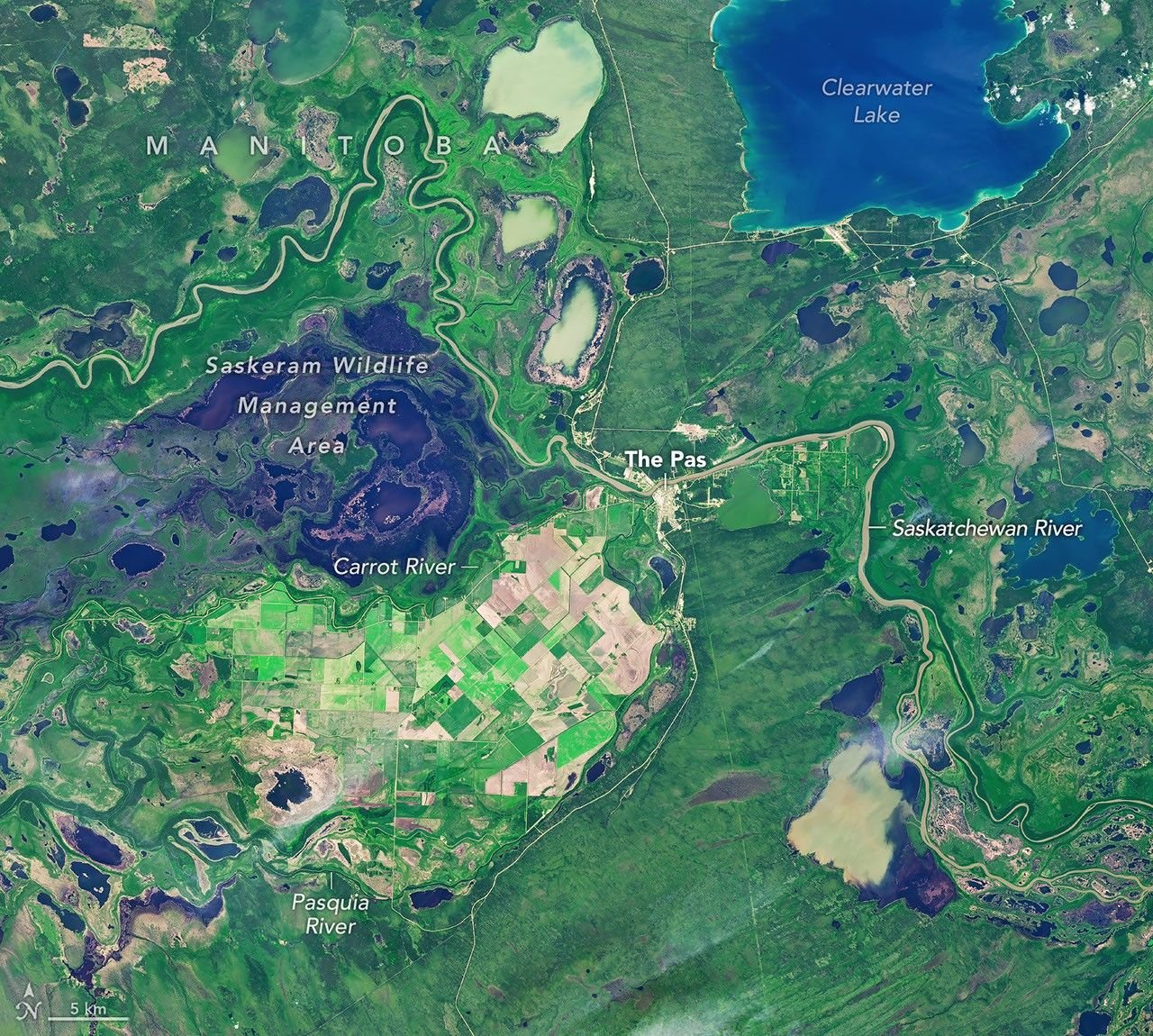
Manitoba farmers manage over 40,000 hectares of land. This area sits between two rivers in the Saskatchewan River Delta. The fields appear as an island in a sea of wet marshes. Farmers here grow spring wheat and canola for the market.
Next, the weather dictates the success of these crops. Heavy rains delayed the planting season earlier this year. Long summer days then helped the plants grow very quickly. September weather patterns eventually allowed the harvest to move forward.
Finally, technology helps track this progress from space. NASA satellites capture images of the valley throughout the season. These pictures show how the landscape changes from green to gold. Data from these missions help officials track crop health each year.
How we got here
- 1950s: Workers started a major flood control and drainage project in the Carrot River Valley.
- 1982: Argentine forces invaded the Falkland Islands, leading to a 74-day war.
- 2013: Falkland residents voted 99.8 percent to remain a British overseas territory.
- 2026: President Milei criticized the UN and threatened legal action over the Sea Lion oilfield.
What happens next
Legal battles over the Sea Lion project will likely begin soon. Argentina intends to file complaints with the International Tribunal for the Law of the Sea. This process could take years to reach a final decision.
However, the British government shows no signs of stopping the project. The companies plan to move ahead with their extraction schedule. Tensions will likely remain high as both sides dig in.
Meanwhile, the harvest in Manitoba will continue as long as the weather stays dry. Farmers will keep using their pumps to protect their land from water. They will look toward the next growing season despite the challenges of the delta.