

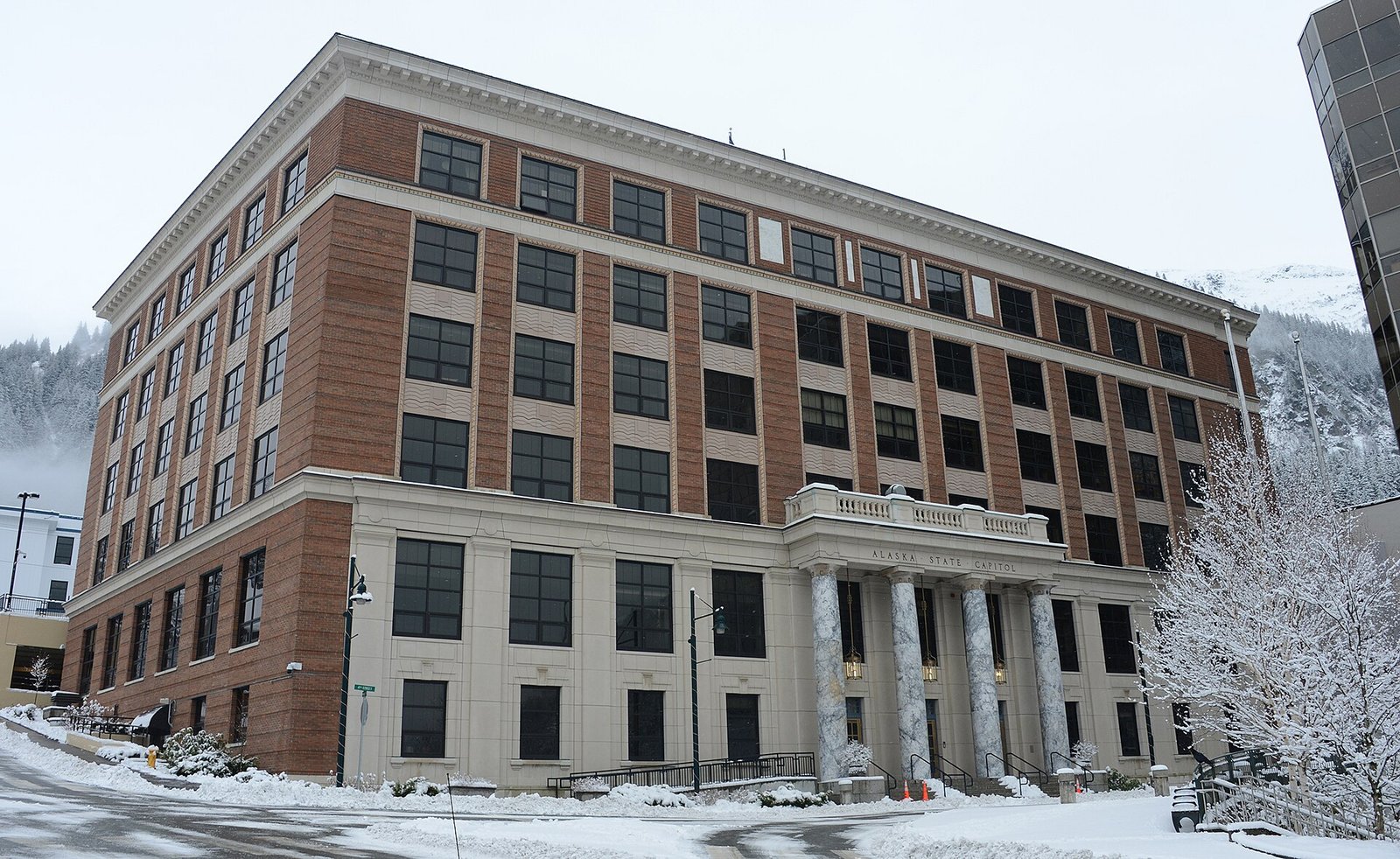
Alaska voters have elected a Democrat for governor for the first time since 1998, with former state lawmaker Jonathan Kreiss-Tomkins defeating three Republicans in the final race to be called from last week’s midterm elections.
Key Points
- Alaska governor Kreiss-Tomkins — the Associated Press called the race at 12:01 a.m. ET on Saturday, more than ten days after the 3 November midterms.
- Kreiss-Tomkins, 37, won 50.8% of first-choice votes, defeating three Republicans including one endorsed by President Donald Trump.
- His victory means Democrats will control the governor’s office in 30 states, up from 24 before the midterms.
- He will be sworn in on 7 December as the youngest governor in Alaska’s history, with independent Zac Johnson as lieutenant governor.

Kreiss-Tomkins, often referred to as JKT, completed a political comeback three years after leaving the state House, where he served from 2013 to 2023. He finished first in August’s open primary and defeated Republicans Dave Bronson, Treg Taylor and Bernadette Wilson, a business owner who had been endorsed by President Donald Trump. According to unofficial results from the Alaska Division of Elections, he won 50.8% of first-choice votes — 139,293 ballots — defeating his rivals by 22.7 points. The results remain unofficial until the division certifies them on 25 November.
The state’s last Democratic governor, Tony Knowles, left office in 2002 after serving back-to-back terms, having won re-election in 1998. Alaska had gone eight years under Republican Governor Mike Dunleavy, who is leaving office because term limits bar him from a third consecutive term. Kreiss-Tomkins will replace him at noon on 7 December.
Kreiss-Tomkins, who is from Sitka, served in the Alaska House of Representatives for ten years, from 2013 to 2023, before stepping away from politics. His comeback campaign leaned on a promise to work across party lines, and he has said he wants a cabinet drawn from Republicans, Democrats and independents alike — a pitch that suited a state where independent voters often decide close races.
A national wave
The Alaska result caps a midterm election wave that gave Democrats sweeping wins in state governments across the country. The party held 24 governorships before the 3 November midterms and won 24 of the 36 governor races, flipping six Republican-held seats, including in Iowa, Georgia, Ohio and Texas. With Alaska, Democrats will hold the governor’s office in 30 states.
Reports on Saturday also projected Democrat Mary Peltola defeating Republican Senator Dan Sullivan in Alaska’s Senate race, which would add a Senate seat to the Democratic gains. Ballots are still being counted in Alaska, so final margins will change before certification.
Kreiss-Tomkins, 37, emphasised a willingness to work across party lines during the campaign and said he wanted a cabinet with Republicans, Democrats and independents. He declared victory in a statement on Friday, before the race was formally called. His lieutenant governor is Zac Johnson, an independent.
For background on other governor races, see our report on Cindy Holscher winning the Kansas governor race, and on Chris Van Hollen challenging Chuck Schumer for Senate Democratic leader. More in our Politics section.
Sources: Associated Press via La Nacion, “Kreiss-Tomkins becomes first Democrat since 1998 elected governor in Alaska” (https://www.lanacion.com.ar/usa/kreiss-tomkins-becomes-first-democrat-since-1998-elected-governor-in-alaska-nid14112026/); Times Now, “Blue Wave Hits Alaska, Elects First Democrat Governor Since 1998” (https://www.timesnownews.com/world/us/us-news/blue-wave-hits-alaska-elects-first-democrat-governor-since-1998-article-156508230).