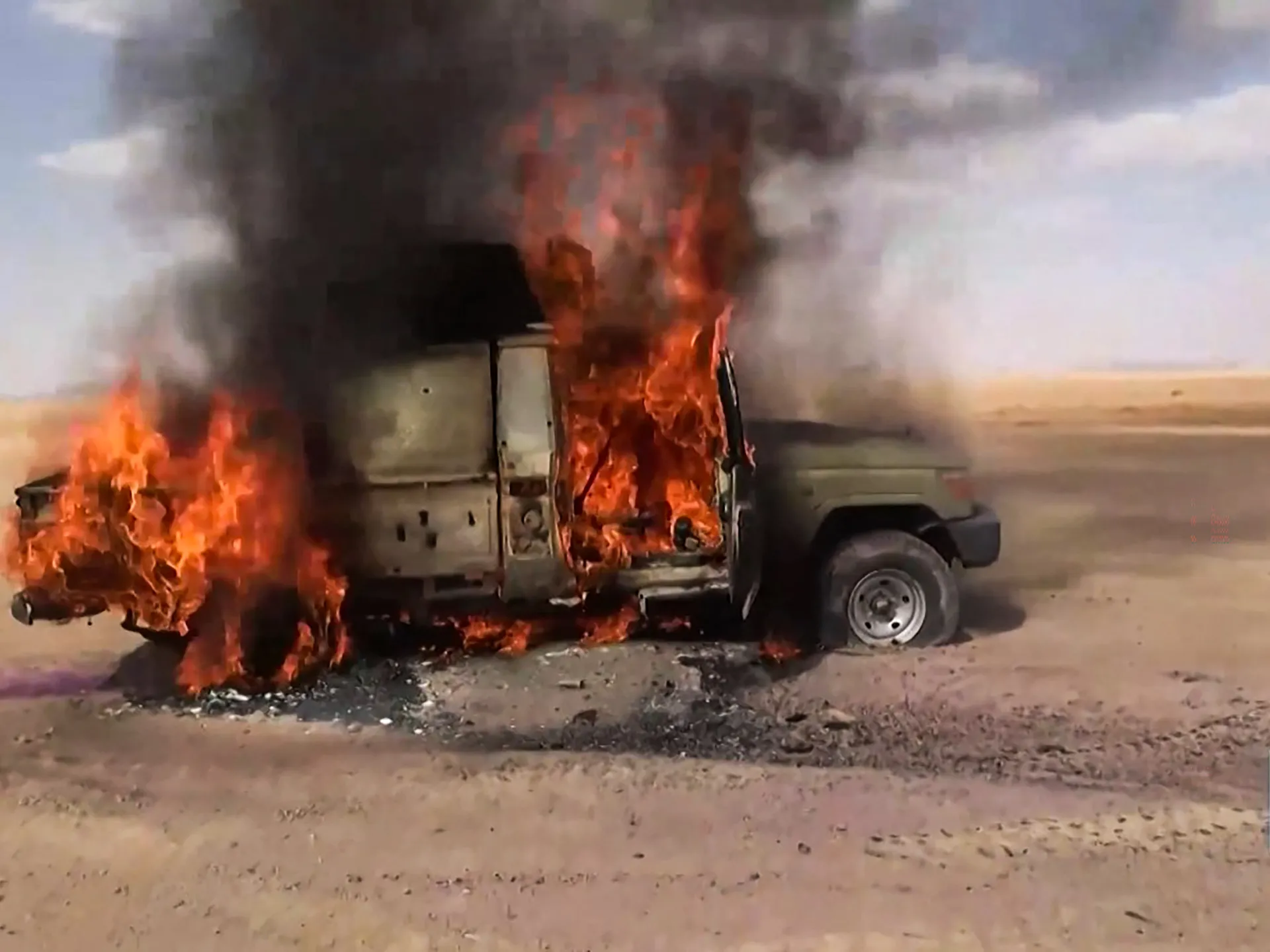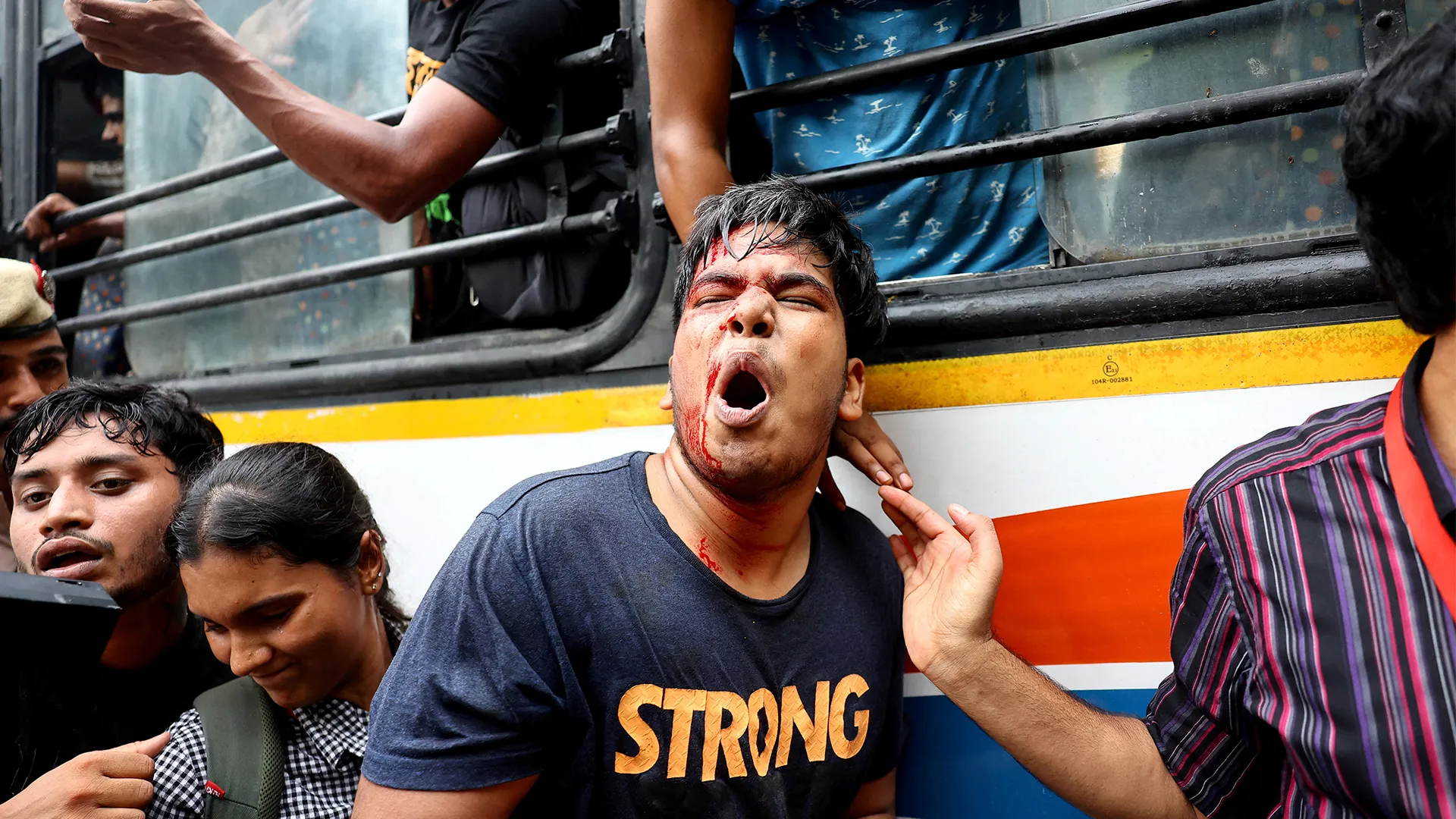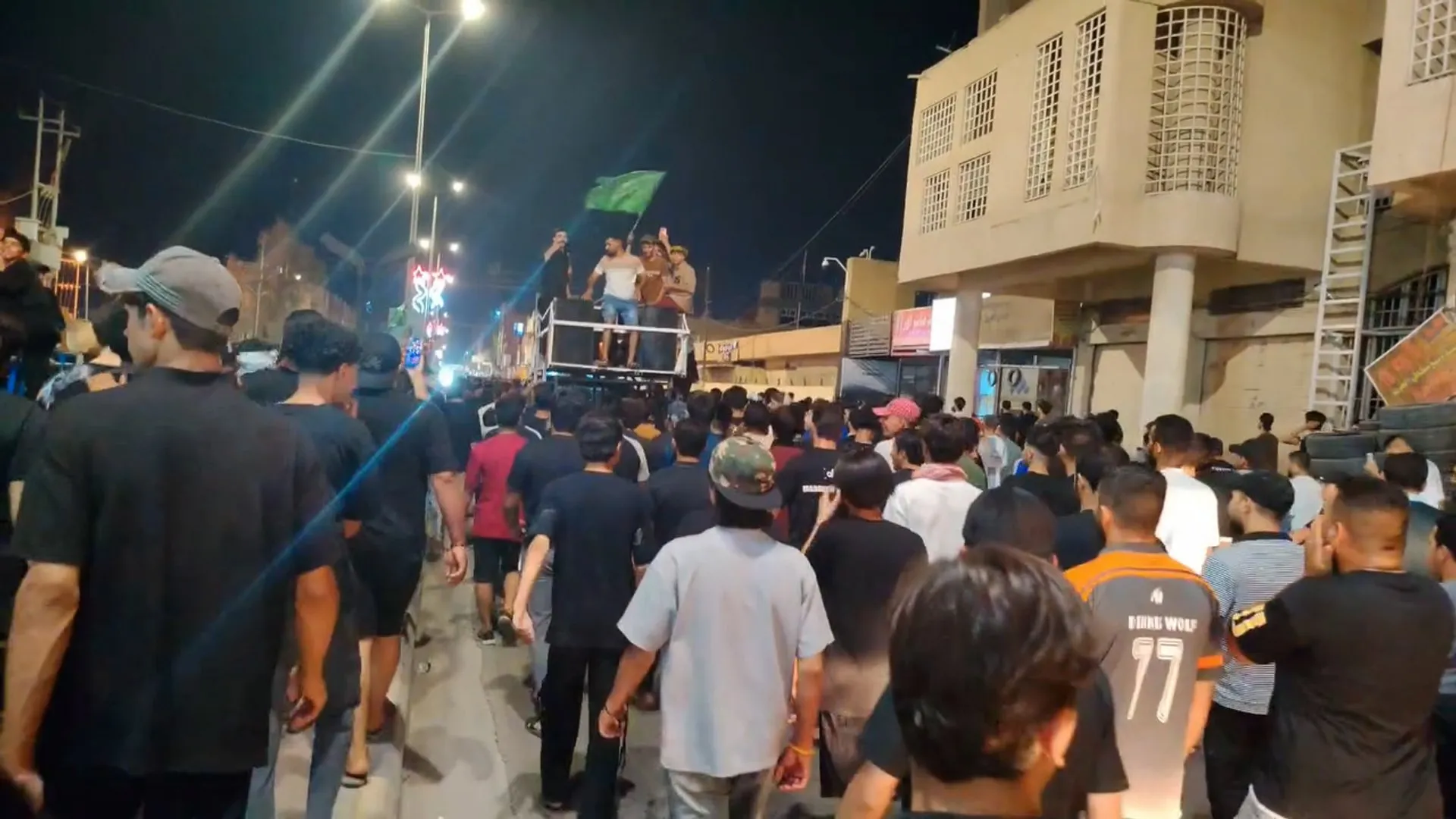
Protesters in the Iraqi city of Kut clashed with security forces as anger over chronic power shortages and extreme summer heat boiled over.
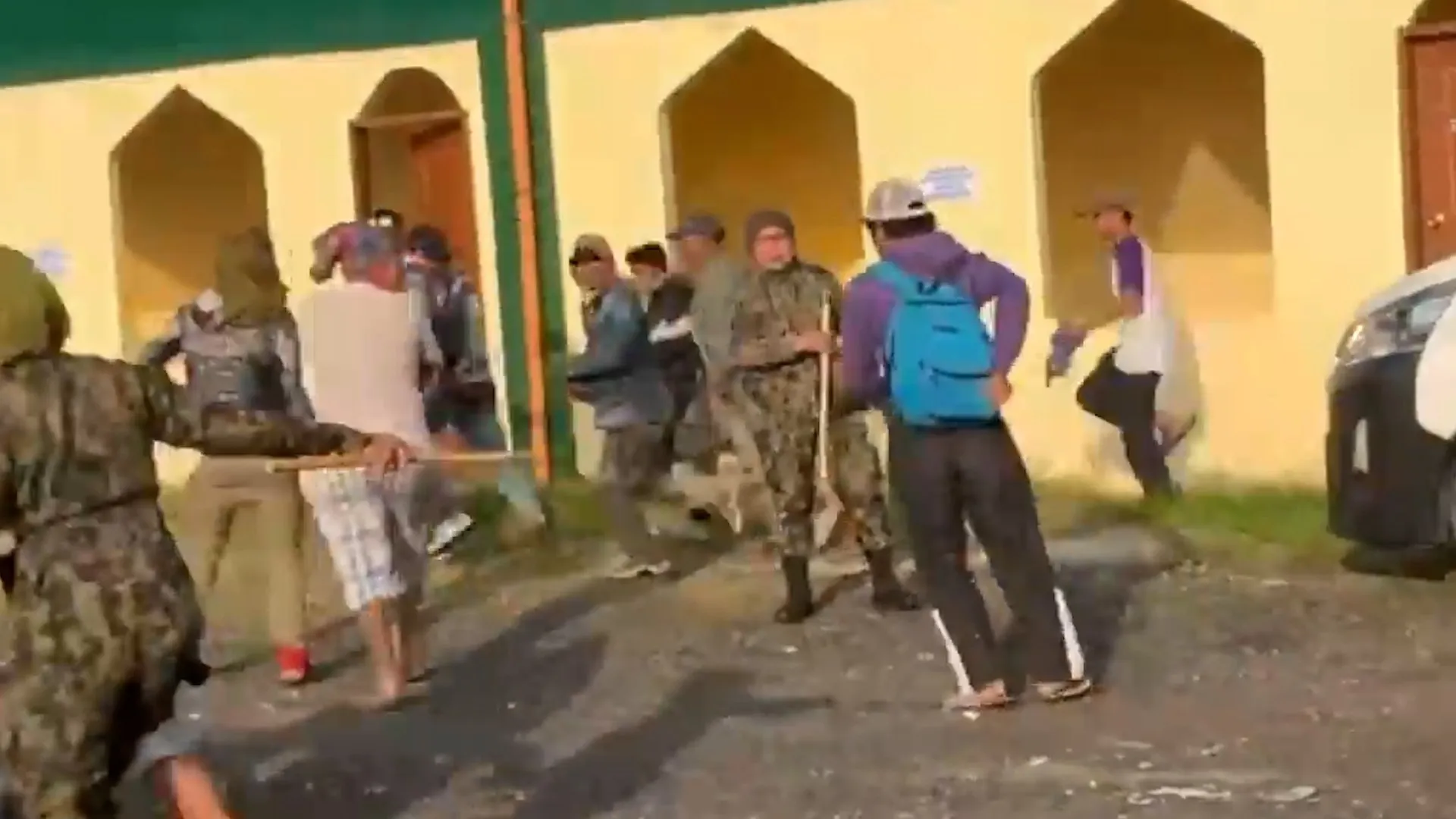
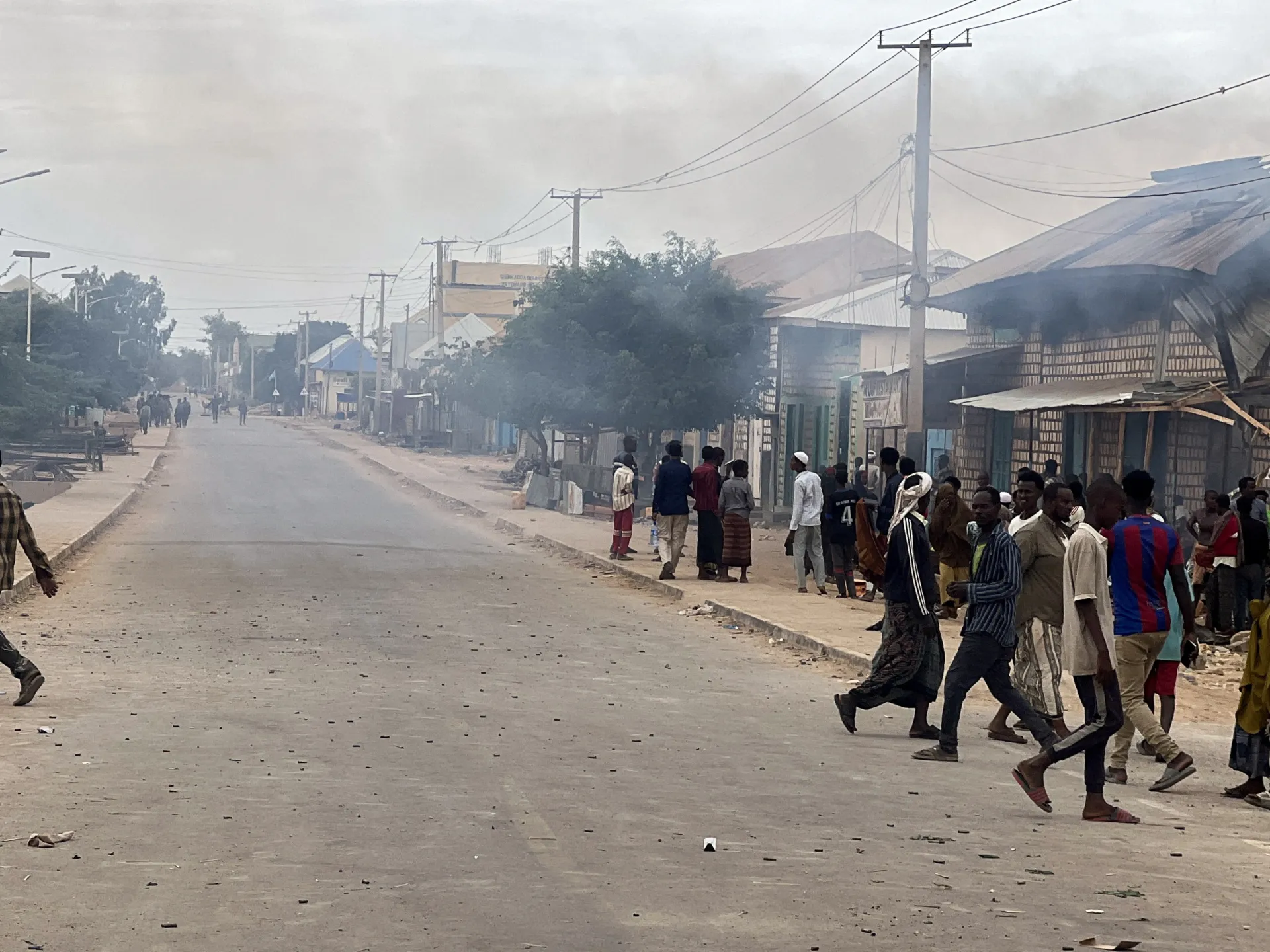
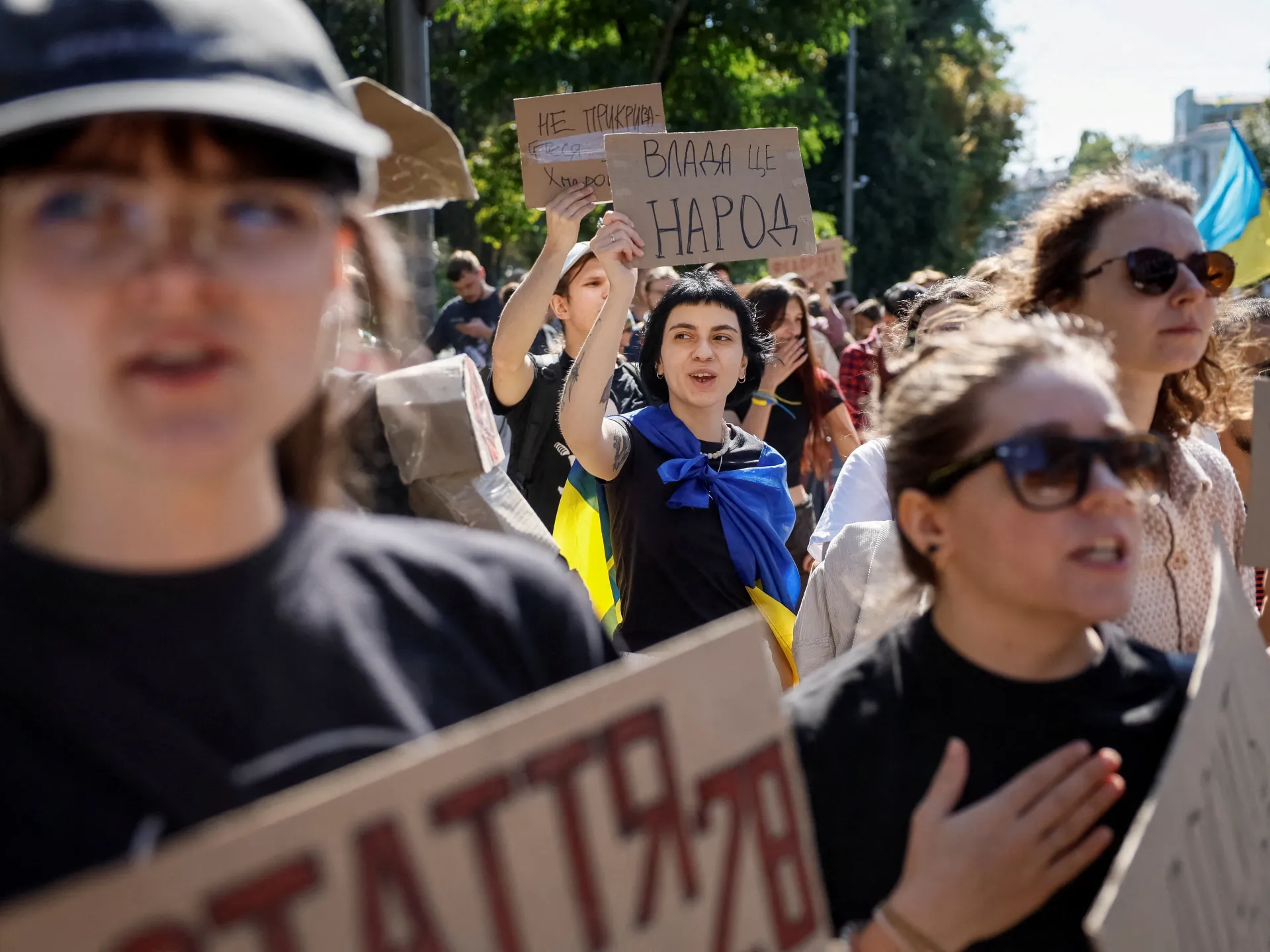
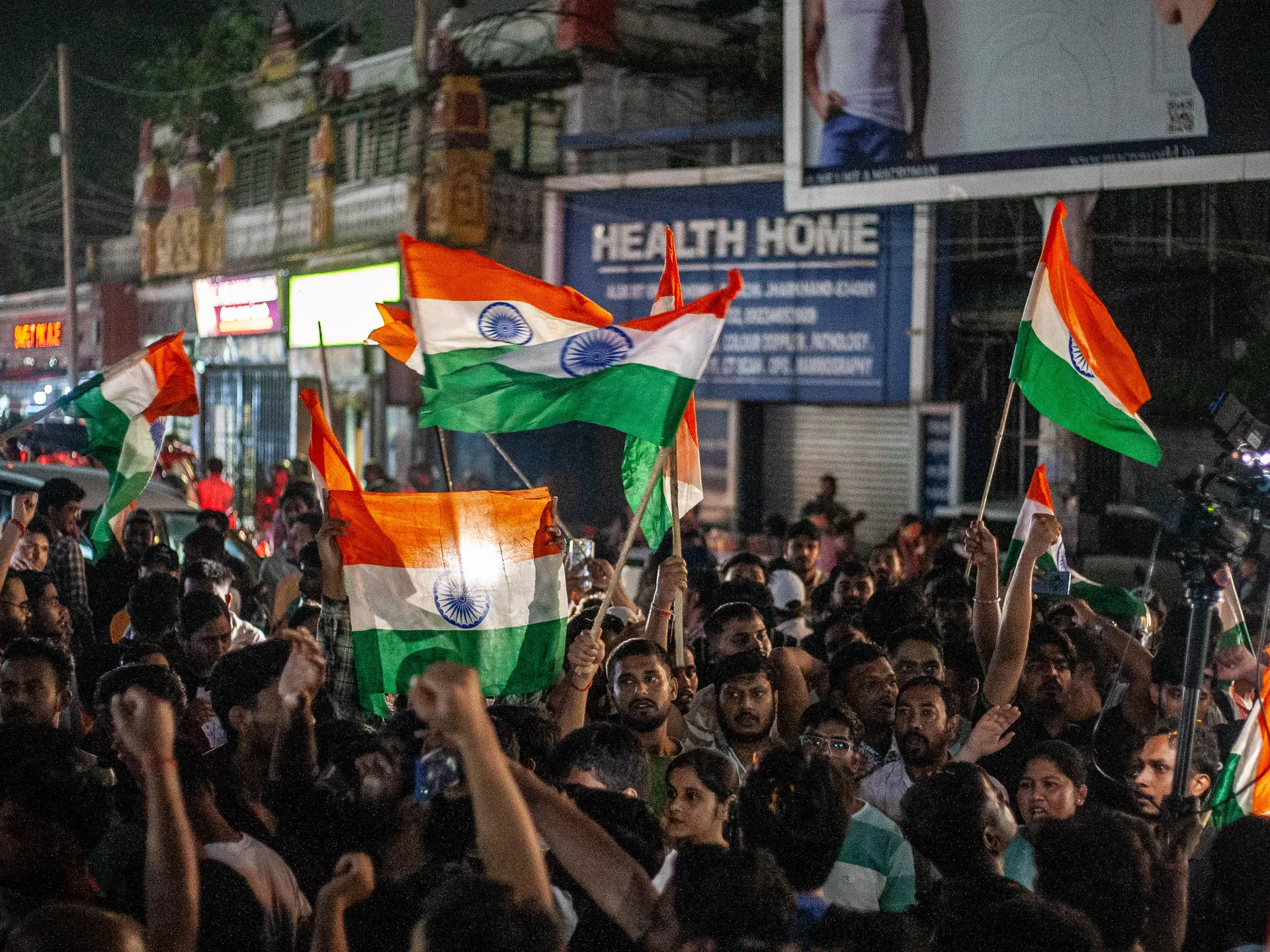
The city of Kut, located in Iraq’s Wasit Governorate, has become the latest flashpoint for public anger directed at the national government. Demonstrators gathered in large numbers outside the local provincial council building to voice their frustrations regarding persistent and debilitating power shortages that have plagued the region. As temperatures in Iraq continue to soar during the peak of the summer season, the lack of reliable electricity has made daily life increasingly difficult for residents, prompting a sharp rise in civil agitation.
The situation rapidly deteriorated as the crowd expressed their grievances over the failure of authorities to provide adequate utility services. Reports from the scene indicate that the atmosphere grew volatile as security forces deployed to the area attempted to manage the growing gathering. The standoff between protesters and local security personnel marks a significant escalation in the ongoing struggle between the Iraqi populace and the state regarding the provision of essential public infrastructure.
In Iraq, electricity is more than a mere convenience; it is a critical necessity for survival during the summer months, when temperatures often exceed 50 degrees Celsius. The frequent power outages, often referred to locally as the electricity crisis, leave households, businesses, and hospitals without the ability to operate cooling systems. This creates a dangerous environment where public health is compromised, and the economic productivity of the province is severely hindered.
Protesters in Kut have long argued that the current infrastructure is insufficient to meet the demands of a growing population. Despite repeated promises from successive administrations to modernize the power grid and increase generation capacity, the reality on the ground remains unchanged for many citizens. The persistent reliance on intermittent power supplies has fueled a sense of betrayal among residents who feel that their basic needs are being ignored
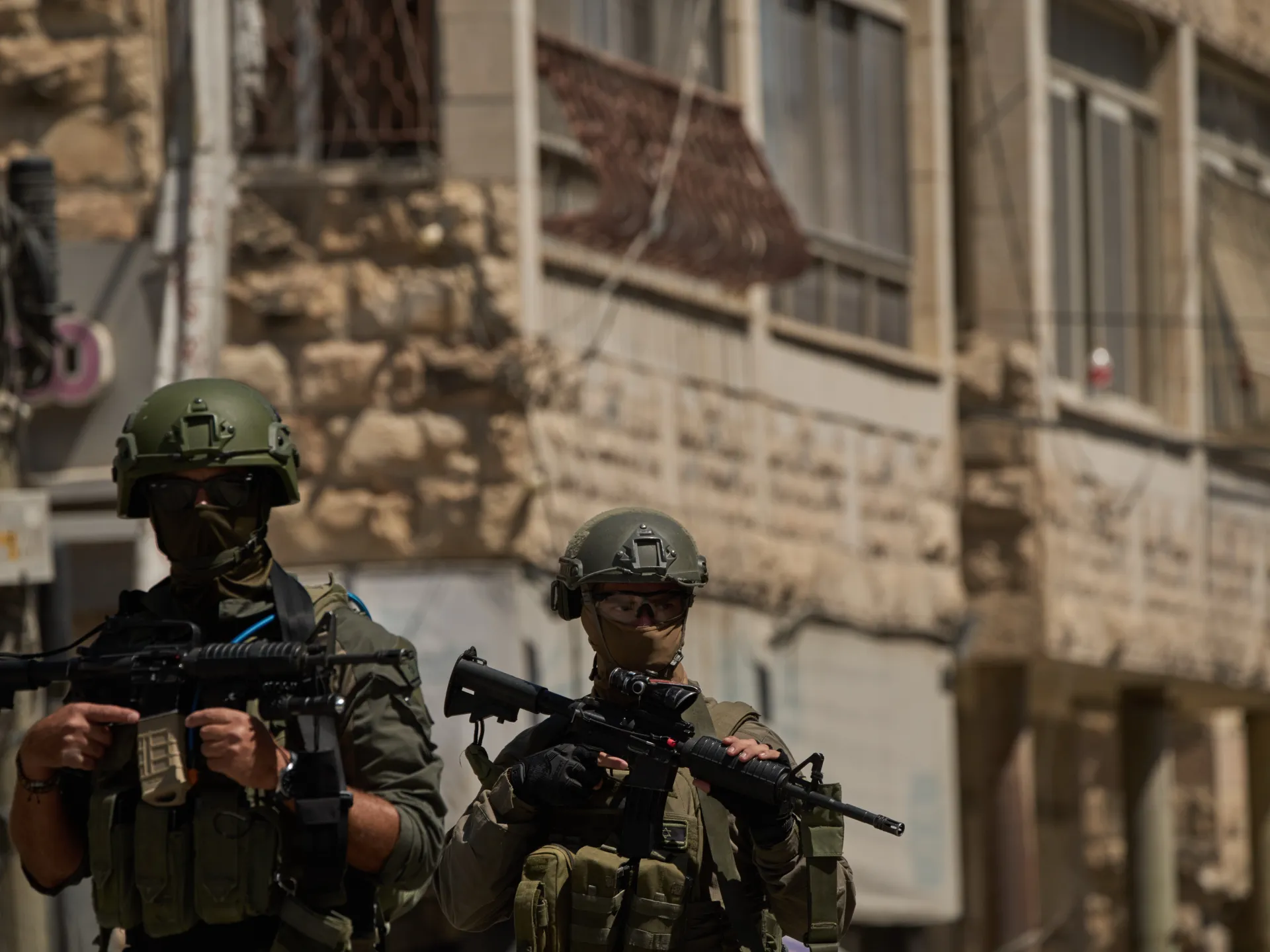
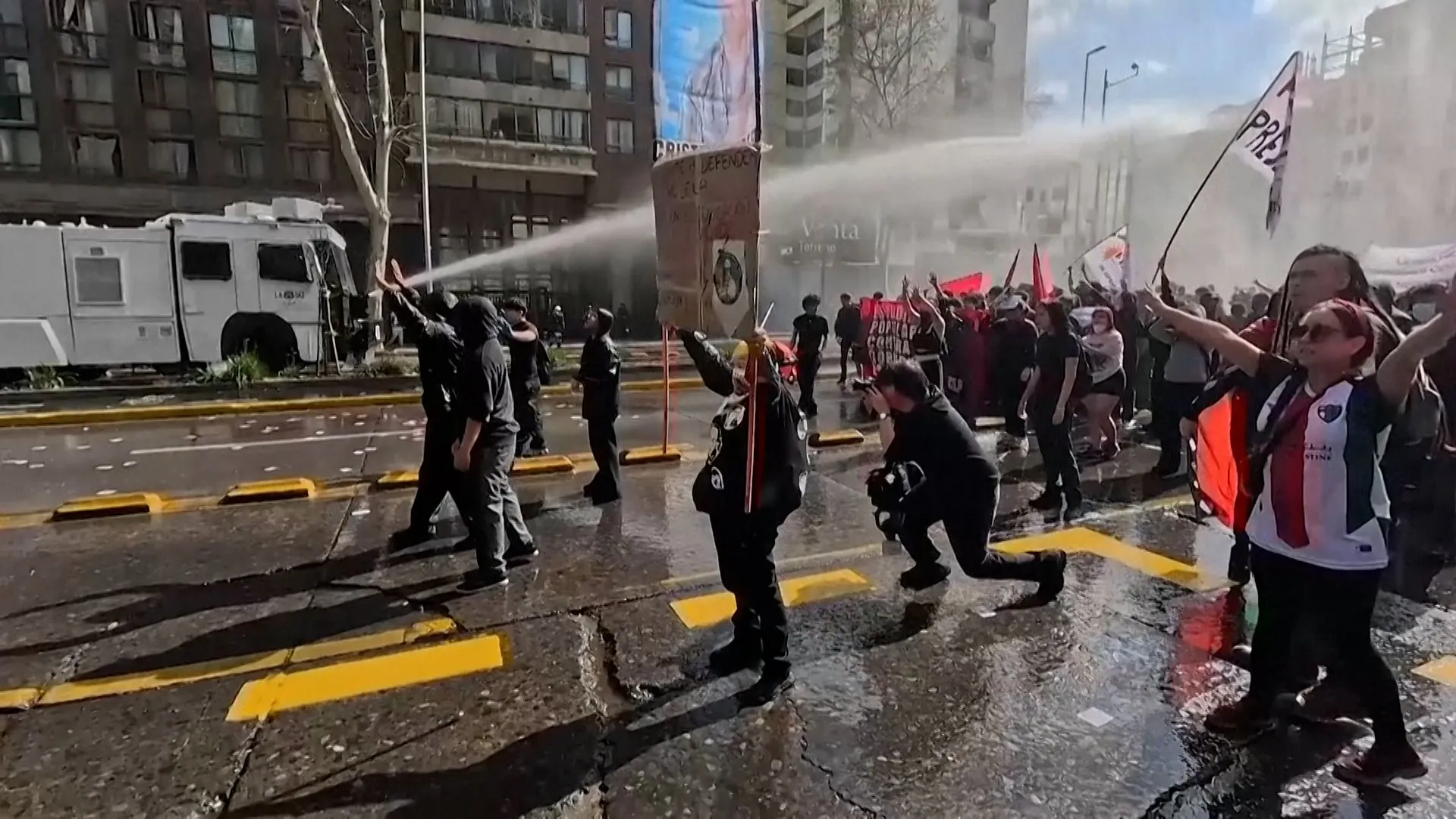
As the demonstration outside the Wasit Governorate Council turned into a confrontation, security forces utilized tear gas to disperse the crowds. These measures, intended to restore order and protect government facilities, have instead sparked further debate regarding the government's approach to handling peaceful assembly and civil dissent. The use of force in response to service-related protests highlights the precarious balance between maintaining state security and addressing the legitimate grievances of the citizenry.
The events in Kut are reflective of a broader pattern of unrest seen across various Iraqi cities, where citizens frequently take to the streets to demand accountability and better living standards. with local governance and the perceived lack of effective advocacy for the region's needs. The local government now faces the difficult challenge of de-escalating tensions while simultaneously attempting to address the technical and financial hurdles that prevent a stable supply of electricity.
Addressing the electricity crisis in Iraq requires more than just short-term fixes or localized responses to civil unrest. Experts suggest that the country’s energy sector is hampered of historical conflict. For the residents of Kut and beyond, the path forward remains uncertain as they wait for meaningful structural reforms that would finally provide a consistent and reliable power supply to their homes and businesses.
The ongoing protests serve as a stark reminder of the social pressure facing the Iraqi government. As public patience continues to wane under the pressure of extreme weather and inadequate services, the potential for further demonstrations remains high. The ability of the state to navigate these challenges will likely play a decisive role in the stability of the region and the future of public trust in government institutions throughout the country.