

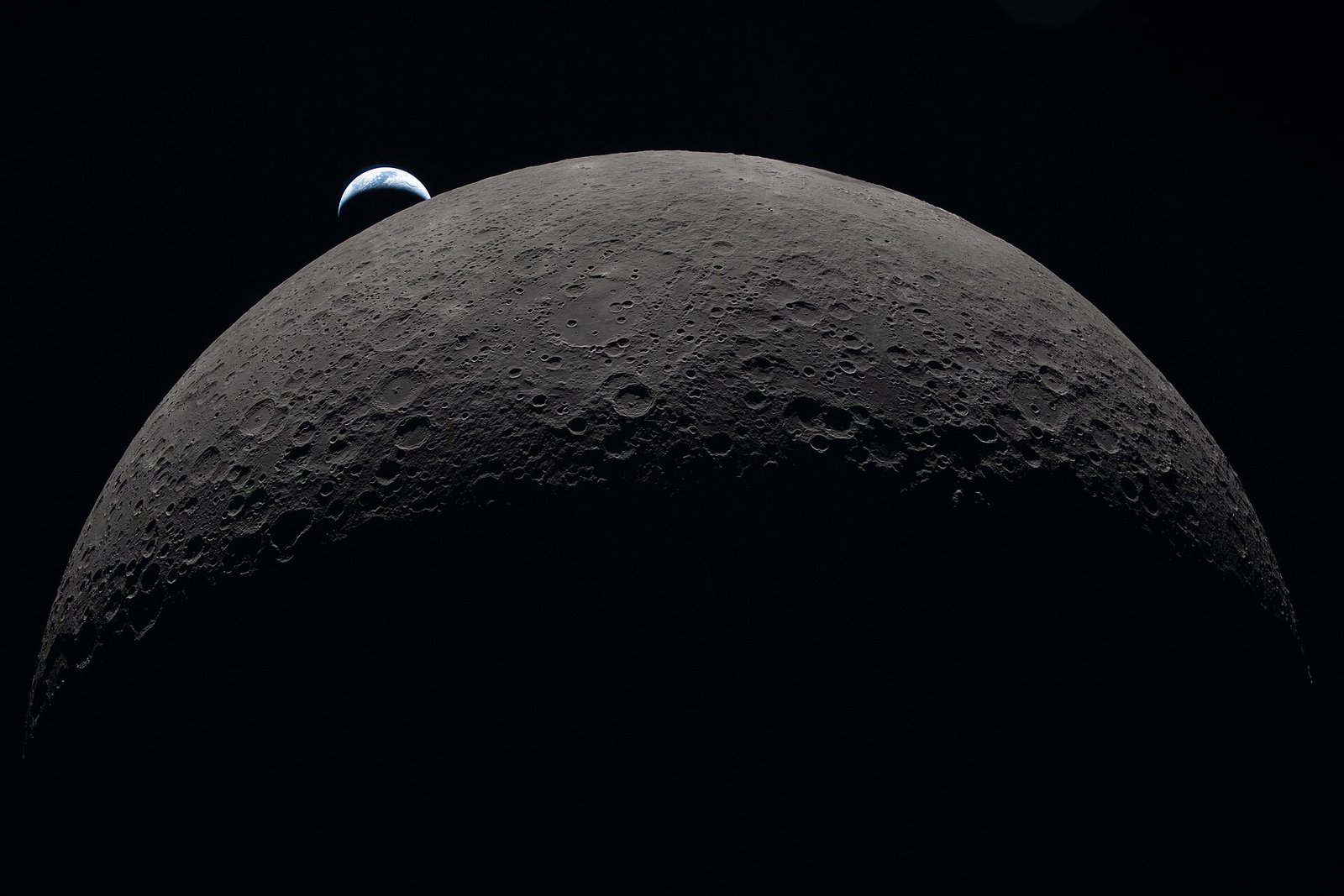
NASA is seeking industry partners to develop and test the first nuclear reactor designed to provide electricity on the Moon, a major step towards establishing a sustained human presence on the lunar surface.
Key Points
- NASA lunar nuclear reactor Lunar Reactor-1 — NASA has asked industry to design and test Lunar Reactor-1 (LR-1), a small fission power system generating 20 kilowatts of electricity.
- The system would produce enough electricity for about 16 average US households, and is designed to run continuously for at least five years on the lunar surface.
- NASA aims to have a launch-ready system by 2030, with proposals from industry due by December 21.
- The reactor would provide solar-independent power for a Moon base, including through the two-week-long lunar night.
- The programme is managed by NASA’s Space Reactors Division in partnership with the Department of Energy.
The request for proposals, issued on Monday under NASA’s Space Power and Reactor Capabilities programme, asks companies to advance the technology, testing and flight design of LR-1. It follows a draft proposal released in August and an industry day held in September at the Ohio Aerospace Institute in Cleveland, with feedback from both folded into the final solicitation. The first phase covers preliminary design and hardware demonstrations, including non-nuclear hardware tests and component-level radiation exposure testing, to be completed within 18 months of the award. Only a design phase with hardware demonstrations is authorised for now — no reactor has been built or ground-tested under this programme yet, and the announcement names no design, contractor, contract value or landing site.
The case for nuclear power on the Moon is straightforward: sunlight is not always available. A lunar day lasts about 14 Earth days, followed by a night of equal length, and some of the most scientifically interesting places on the Moon — the permanently shadowed craters near the south pole, where water ice is thought to lie — receive almost no sunlight at all. A fission system runs continuously, in darkness and in terrain sunlight rarely reaches. “A reliable source of safe and abundant energy will be vital to future exploration of the lunar and Martian surface,” said Brian Giblin, NASA’s Lunar Reactor-1 programme manager.
Part of a bigger nuclear push
LR-1 is part of a wider American push into space nuclear power, driven by Executive Order 14369 and National Space Technology Memorandum-3, the national initiative for American space nuclear power. The same division is developing Space Reactor-1 Freedom, scheduled to launch in 2028, which will deliver three SkyFall helicopters to Mars and demonstrate nuclear electric propulsion — using electricity generated by a nuclear reactor to power a spacecraft’s engines. NASA says it may also issue additional task orders under the same programme to support other space nuclear power systems.
The work builds on NASA’s earlier Fission Surface Power projects and studies, and on a growing international race: China, Russia and other powers are pursuing their own lunar nuclear plans. Whoever can keep the lights on through the lunar night will have a decisive advantage in building a permanent presence on the Moon — and, eventually, on Mars.
What happens next
Proposals are due on December 21, and the clock is already tight: the goal is a launch-ready system by 2030, with five years of operation after deployment. The first milestone is the preliminary design review at the end of Phase 1, when NASA will see hardware-based evidence that the key subsystems can be assembled and operated in conditions like those on the lunar surface. Until then, LR-1 is a target, not hardware — but it is now the clearest statement yet of how NASA plans to power its return to the Moon.
For background on the race to power the Moon, see our report on Global Powers Compete To Build Nuclear Reactors On The Moon, and on Nasa Prepares For Artemis Iii Moon Lander Tests. More in our Technology section.
Sources: NASA: NASA Seeks Partners to Design First Nuclear Reactor for the Moon; TML: NASA Seeks Industry Designs For First Lunar Reactor