


A once-daily pill from the same family of drugs as Viagra has slowed the progress of Alzheimer’s disease by 31 percent in a major global trial — the first oral drug to show such an effect, though only in patients who were not already taking other dementia medicines.
Key Points
- Alzheimer’s pill AR1001 — the drug, developed by South Korean company AriBio, slowed cognitive decline by 31% over 52 weeks in patients taking it alone.
- The phase 3 POLARIS-AD trial enrolled 1,535 people with early Alzheimer’s at about 230 sites in 13 countries, and results were presented at the CTAD conference in Boston.
- In the full trial population, including patients on existing dementia drugs, the benefit fell to 7% and was not statistically significant.
- AriBio plans to discuss the results with the US Food and Drug Administration; the drug is investigational and not approved, and Viagra itself is not a dementia treatment.
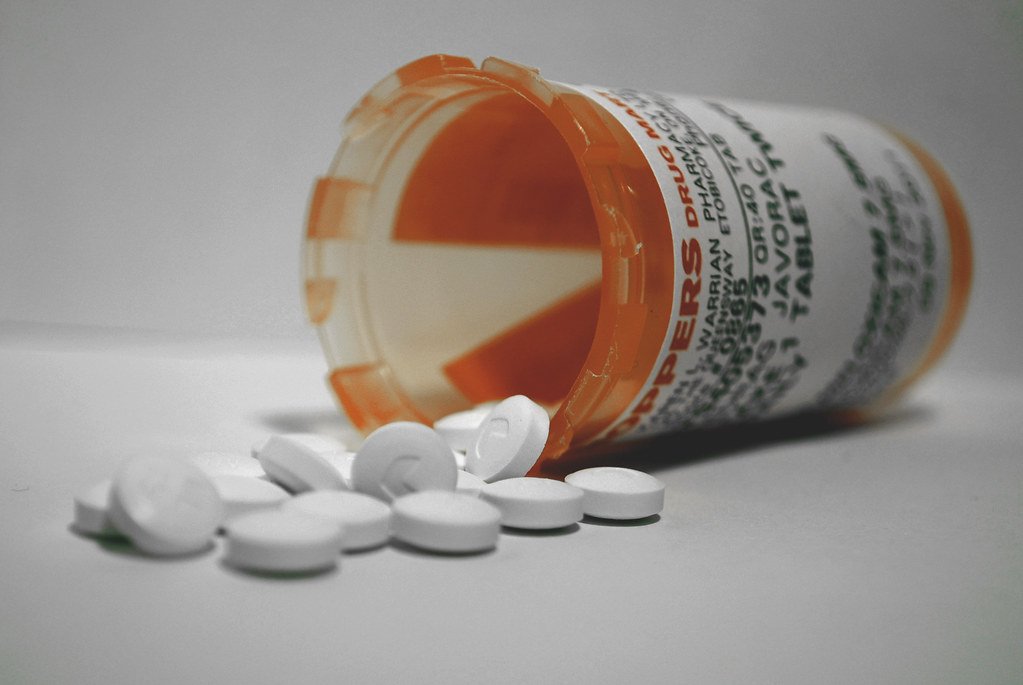
AR1001 contains mirodenafil, a brain-penetrating drug in the same class as sildenafil, the active ingredient in Viagra — a group of medicines known as PDE5 inhibitors, which increase blood flow. The drug is already sold in South Korea as Mvix for erectile dysfunction, at a higher dose; the Alzheimer’s trial used a daily dose of 30 milligrams, less than a third of the 100 milligrams most men take for erectile dysfunction.
In the prespecified monotherapy group — the 604 patients who were not taking an acetylcholinesterase inhibitor or memantine at the start of the trial — AR1001 slowed decline on the Clinical Dementia Rating scale by 0.44 points compared with a placebo at 52 weeks, a result that was statistically significant. The company estimates that, after a year, people on the drug were roughly where the placebo group had been about three and a half months earlier. The effect is in line with the data on Biogen and Eisai’s Leqembi and Eli Lilly’s Kisunla, the antibody drugs that slow the disease’s progression.
Why the result is complicated
The rest of the trial told a different story. In the 60 percent of patients who were already taking standard dementia medicines, AR1001 showed little to no benefit, and across all 1,535 patients the difference was 0.11 points — a 7 percent slowing that was not statistically significant. AriBio had specified in advance that it would judge the results two ways, in everyone and in people not taking other dementia medicines, so the trial counted as a success on its prespecified terms — but researchers do not yet know why the effect disappears when the drug is combined with current treatments.
Sharon Sha, chief of the memory disorders division at Stanford University, who presented the findings on Monday at the Clinical Trials on Alzheimer’s Disease conference, said the company would discuss with the FDA whether the data can stand on their own or whether the agency will want another trial first. AriBio’s shares fell by the 30 percent daily limit on South Korea’s Kosdaq market on the day of the announcement, as investors weighed the mixed result.
What happens next
If the effect holds, the time saved could keep growing with each year of treatment — and a once-daily pill would be far easier to take than the antibody infusions now used to slow Alzheimer’s. But AR1001 is still investigational and unapproved, and experts have warned people not to take Viagra in an attempt to treat dementia: it is a different medicine, at a different dose, and has not been shown to help. The next step is the FDA discussion, and possibly a further trial to pin down exactly who benefits.
For background on drug approvals, see our report on the FDA approving a new pancreatic cancer treatment after clinical success, and on new research on degenerative brain disease in NFL players. More in our Health section.
Sources: BioSpace, “CTAD 2026: AriBio’s Alzheimer’s candidate slows cognitive decline as monotherapy” (https://www.biospace.com/drug-development/ctad-2026-aribios-alzheimers-candidate-slows-cognitive-decline-as-monotherapy); The Washington Post via WallHop, “The first pill to slow Alzheimer’s could come from an unexpected place” (https://wallhop.io/https://www.washingtonpost.com//health/2026/11/17/first-pill-slow-alzheimers-could-come-an-unexpected-place/).