

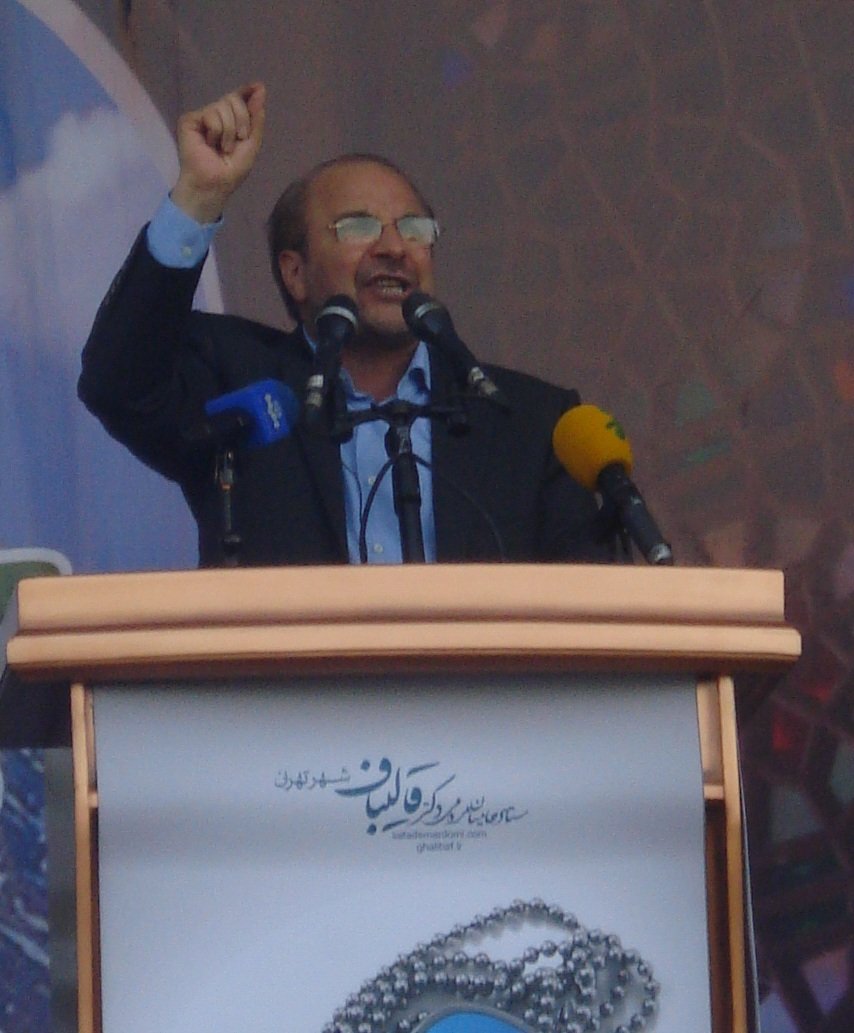
Iran will not stay in a state of “neither war nor peace”, its parliament speaker warned on Sunday, saying Tehran is ready for negotiations or renewed conflict — but only a deal that meets its seven conditions can end the eight-month war with the United States.
Key Points
- Iran seven conditions — parliament speaker Mohammad Bagher Qalibaf told lawmakers in an open session on Sunday that Tehran is prepared for either negotiations or confrontation.
- The seven conditions include lifting the US naval blockade, removing sanctions, releasing frozen Iranian assets, lifting restrictions on oil exports, guaranteeing safe passage through the Strait of Hormuz, allowing nuclear materials to remain in Iran, and formally ending the war.
- Qalibaf said the demands were sent to Washington through Qatari mediation and that Tehran is still waiting for an official response.
- The warning came on the same day Iran’s Revolutionary Guards claimed a drone attack on a US base in Bahrain, raising the stakes for any talks.
Speaking during an open parliamentary session, Qalibaf said Iran was not concerned about Washington’s choice between negotiations and military confrontation. “Talks or war, we don’t care,” he said, according to Iranian media, adding that the responsibility for opening a path towards peace rested with the United States.
The conditions were first laid out by Qalibaf in an interview with Al Jazeera on 11 November, when he said Tehran had delivered a clear response to the US through a Qatari mediator. He said the demands were part of a memorandum of understanding reached in Islamabad in June, and that their implementation was necessary before formal negotiations could resume. Washington has not yet provided an official or specific response to the proposal.
What Tehran wants
The list, as described by Iranian officials and state-linked reporting, covers the full scope of the conflict. Tehran wants an end to hostilities on all fronts, including Lebanon, Gaza and Yemen; the release of frozen Iranian funds held abroad; the lifting of the US naval blockade on Iranian ports; the removal of unilateral sanctions; an exemption for Iranian oil exports from restrictions; the right to keep its nuclear materials inside the country; and a formal declaration that the war has ended, rather than a ceasefire.
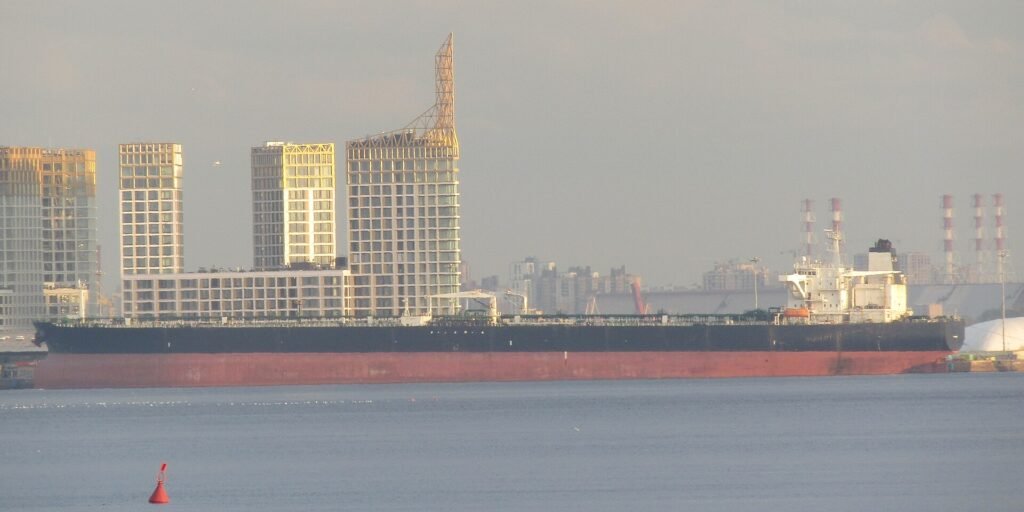
Qalibaf also said the Strait of Hormuz would never return to its pre-war status. Iran and Oman have reached an understanding on how ships transit the waterway, he said, and Tehran has insisted that vessels obtain its authorisation to cross the strait since the war began. He has said Iran would reopen the strait within two days if Washington agreed to end the war, unfreeze its assets, lift oil sanctions and end the blockade.
The gap between the sides
The problem is that Washington has already rejected at least part of the list. Secretary of State Marco Rubio described some of the demands as unacceptable earlier this month, and the US has signalled that at least some of the conditions cannot be accepted. President Donald Trump, meanwhile, has said he may hold off on further attacks unless Iran or its allies carry out new provocations — a condition that Sunday’s Bahrain drone claim has now put to the test.
For now, the ball is in Washington’s court, as Qalibaf himself put it. Tehran says it wants peace if its conditions are met. The question is whether the two sides can find any overlap between Iran’s seven demands and what the United States is willing to give — or whether the “neither war nor peace” that Qalibaf rejects gives way to open conflict once more.
For background on the president’s position, see our report on Trump saying he may hold off attacking Iran, and on Trump saying the war on Iran is effectively over. More in our Politics section.
Sources: Siasat, “Iran rejects ‘neither war nor peace’, Ghalibaf warns US” (https://www.siasat.com/iran-rejects-neither-war-nor-peace-ghalibaf-warns-us-3577913/amp/); Turkiye Today, “Tehran sent final terms, ball now in Washington’s court, Iran’s top negotiator says” (https://www.turkiyetoday.com/region/tehran-sent-final-terms-ball-now-in-washingtons-court-irans-top-negotiator-says-3232248).