

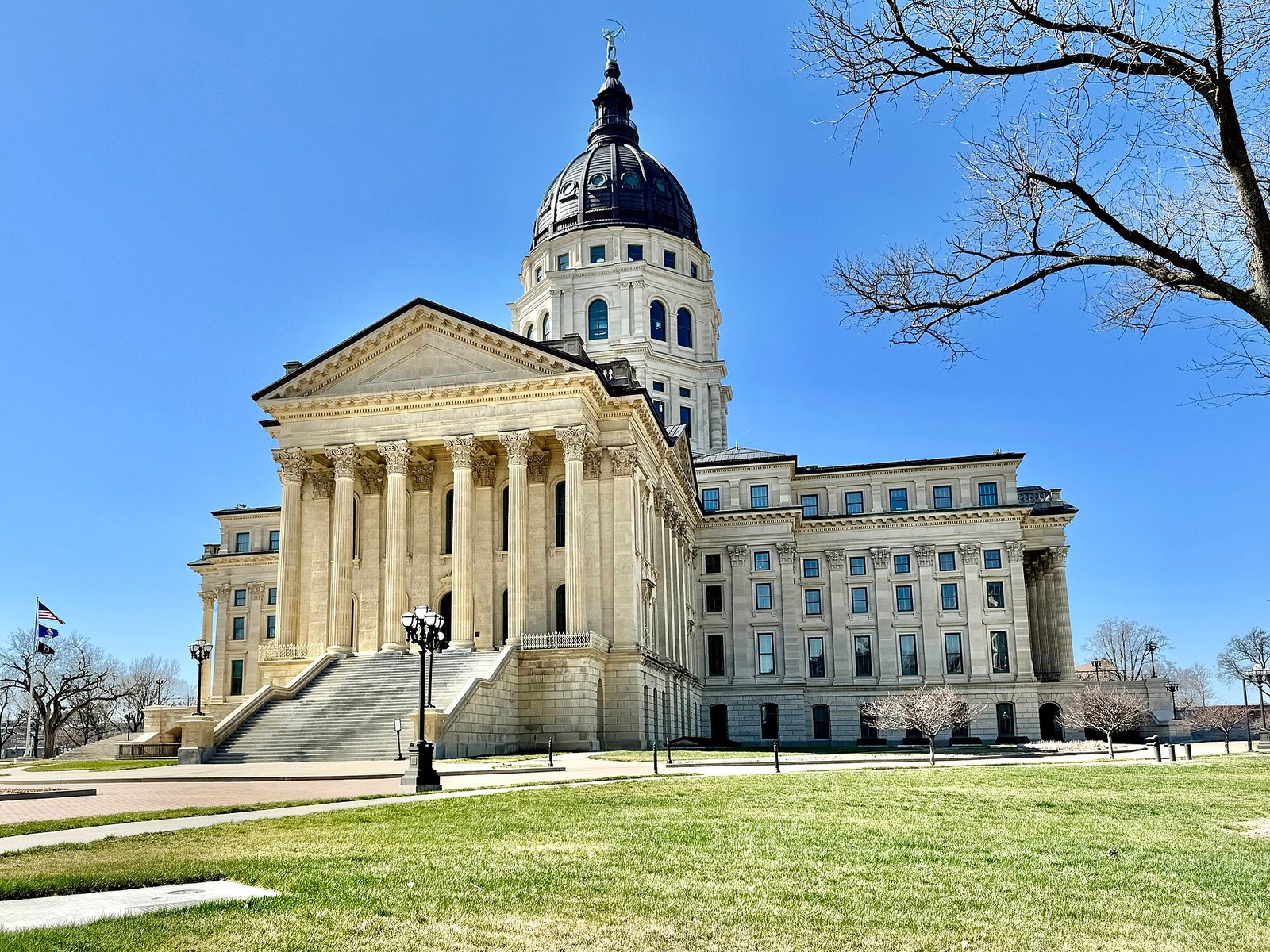
Cindy Holscher has won the Kansas governor’s race, keeping the governor’s mansion in Democratic hands after a nine-day count in one of the closest contests of the 2026 midterm elections.
Key Points
- Cindy Holscher Kansas governor — the Associated Press called the race for the Democrat on Thursday, 12 November, after days of counting provisional ballots.
- Holscher defeated Republican Ty Masterson, the Kansas Senate president endorsed by President Donald Trump, by about 50.3% to 49.7%, a lead of roughly 7,000 votes.
- Masterson conceded after the race was called, ending uncertainty over one of the most closely watched gubernatorial contests in the country.
- Holscher, 57, a Democratic state senator from Overland Park, will succeed term-limited Governor Laura Kelly and take office in January 2027.
The race had been unresolved since election day on 3 November. Holscher declared victory the morning after the election, and her lead grew slowly as the count went on — from about 5,500 votes on Wednesday morning, 4 November, to about 7,000 that night, and to roughly 7,600 votes in later tallies. All 105 Kansas counties reported updated unofficial results, including advance mail ballots postmarked by election day.
Under Kansas law, a close-race audit is required when the margin between the top two candidates is within 1% of the total votes cast. The audit involves reviewing ballots in 10% of precincts in each county, and county election officials were expected to complete their canvasses by 16 November, with statewide certification to follow.
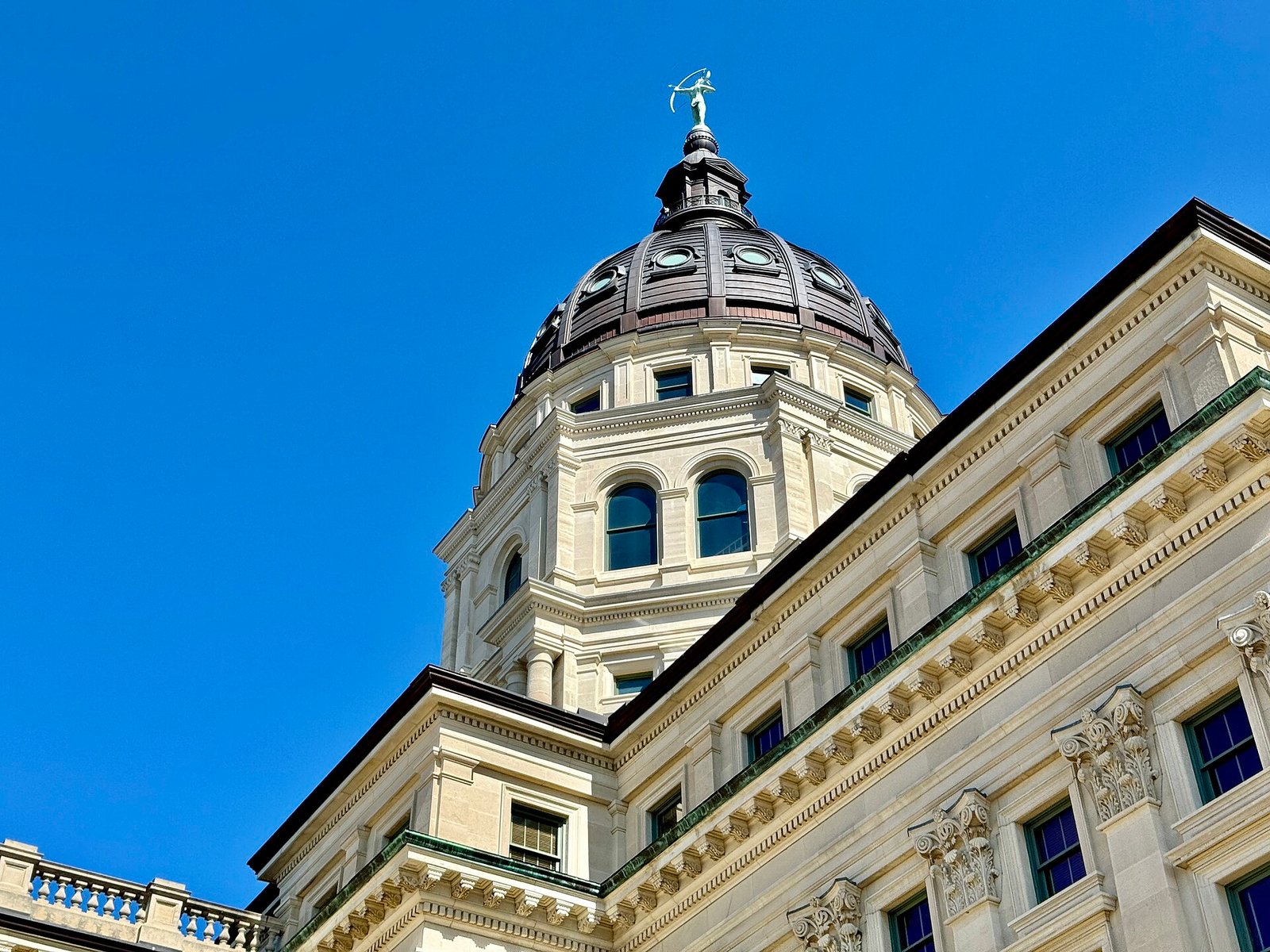
A nine-day count
Of the 36 governor races held across the country this year, Kansas had been rated the most likely to flip from Democratic to Republican control. Masterson, who held President Trump’s endorsement, had not formally conceded as of Wednesday, 11 November, saying the first count was not going his way but that he would let the audit process finish. Governor Kelly had already called Holscher “governor-elect” before the AP call.
Holscher campaigned hard on boosting public education and pushing back against corporate favouritism. Her running mate is KC Ohaebosim. She will take office in January, when attention will turn to her first budget proposals and her picks for the state cabinet.
Why the result matters
The result is a milestone in Kansas politics. Holscher becomes the first Democrat in state history elected to succeed another Democratic governor, and the first time Kansas has elected a governor of the same party as the outgoing governor since 1964. It is also the third consecutive gubernatorial election won by a Democrat in Kansas, and the first time a party has won the governorship in a third consecutive election since 1970.
The Kansas result forms part of a midterm cycle in which Democrats were projected to win control of both chambers of the United States Congress. Holscher’s win, in a state that usually votes Republican in presidential elections, denied Republicans one of their top pickup targets of the cycle — and showed that the Democratic gains of 3 November extended well beyond the coasts.
For background on the midterm aftermath, see our report on the House passing the funding bill that ended the longest government shutdown, and on the Senate passing the deal to end the shutdown. More in our Politics section.
Sources: NewsBytes, “Cindy Holscher wins Kansas governor’s race after provisional ballot count”; Wikipedia, “2026 Kansas gubernatorial election”.